5 July 2023
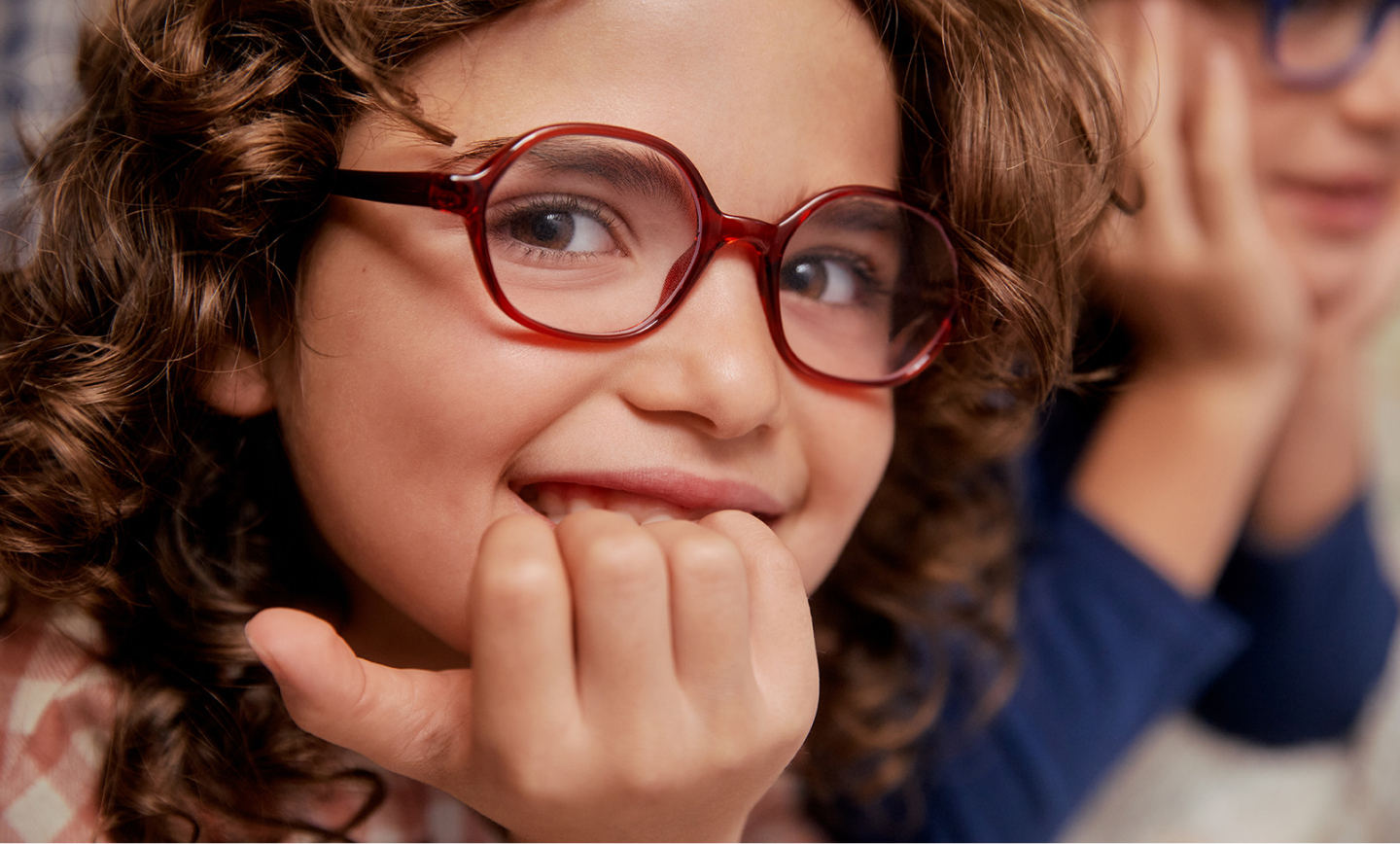
How to get your child to wear glasses?
Read more
Please note that our products are not available for sale or distribution in every country in the world.
Our products are not available for sale in the U.S.


| path | /Controllers/NewsController.php |
| abs_path | /bitnami/wordpress/wp-content/themes/yagami-adveris/Controllers/NewsController.php |
| view | views/cpt/news/archive.twig |
^ array:3 [ "post" => Timber\Post {#2696 +id: 339 +ID: 339 +object_type: "post" +ImageClass: "Timber\Image" +PostClass: "Timber\Post" +TermClass: "Timber\Term" +custom: array:11 [ "_edit_last" => "1" "_edit_lock" => "1702647800:1" "_wp_page_template" => "default" "_yoast_wpseo_estimated-reading-time-minutes" => "0" "_yoast_wpseo_wordproof_timestamp" => "" "references" => "" "_references" => "field_644943738e91a" "intro_text" => "Keep an eye here, there is always an useful article on myopia in children, tips on vision care for kids and much more" "_intro_text" => "field_6475c59d6a6ad" "_yoast_wpseo_title" => "Diffusion Optics Technology™ %%sep%% Latest Blog articles on Myopia" "_yoast_wpseo_metadesc" => "Discover our latest blog posts : a reliable and regular content on myopia and vision care education for kids." ] #___content: null #_permalink: null #_next: [] #_prev: [] #_css_class: null +post_author: "1" +post_content: "" +post_date: "2023-04-27 11:26:18" +post_excerpt: "" +post_parent: 0 +post_status: "publish" +post_title: "Blog" +post_type: "page" +slug: "blog" #__type: null +"_edit_last": "1" +"_edit_lock": "1702647800:1" +"_wp_page_template": "default" +"_yoast_wpseo_estimated-reading-time-minutes": "0" +"_yoast_wpseo_wordproof_timestamp": "" +"references": "" +"_references": "field_644943738e91a" +"intro_text": "Keep an eye here, there is always an useful article on myopia in children, tips on vision care for kids and much more" +"_intro_text": "field_6475c59d6a6ad" +"_yoast_wpseo_title": "Diffusion Optics Technology™ %%sep%% Latest Blog articles on Myopia" +"_yoast_wpseo_metadesc": "Discover our latest blog posts : a reliable and regular content on myopia and vision care education for kids." +"post_date_gmt": "2023-04-27 09:26:18" +"comment_status": "closed" +"ping_status": "closed" +"post_password": "" +"post_name": "blog" +"to_ping": "" +"pinged": "" +"post_modified": "2023-06-27 16:54:27" +"post_modified_gmt": "2023-06-27 14:54:27" +"post_content_filtered": "" +"guid": "https://www.sightglassvision.com/?page_id=339" +"menu_order": 0 +"post_mime_type": "" +"comment_count": "0" +"filter": "raw" +"status": "publish" } "posts" => Timber\PostQuery {#2686 +found_posts: 14 : 14 #userQuery: array:2 [ "posts_per_page" => 9 "paged" => 2 ] #queryIterator: Timber\QueryIterator {#2708 -_query: WP_Query {#2685 +query: array:2 [ "posts_per_page" => 9 "paged" => 2 ] +query_vars: array:65 [ "posts_per_page" => 9 "paged" => 2 "error" => "" "m" => "" "p" => 0 "post_parent" => "" "subpost" => "" "subpost_id" => "" "attachment" => "" "attachment_id" => 0 "name" => "" "pagename" => "" "page_id" => 0 "second" => "" "minute" => "" "hour" => "" "day" => 0 "monthnum" => 0 "year" => 0 "w" => 0 "category_name" => "" "tag" => "" "cat" => "" "tag_id" => "" "author" => "" "author_name" => "" "feed" => "" "tb" => "" "meta_key" => "" "meta_value" => "" "preview" => "" "s" => "" "sentence" => "" "title" => "" "fields" => "" "menu_order" => "" "embed" => "" "category__in" => [] "category__not_in" => [] "category__and" => [] "post__in" => [] "post__not_in" => [] "post_name__in" => [] "tag__in" => [] "tag__not_in" => [] "tag__and" => [] "tag_slug__in" => [] "tag_slug__and" => [] "post_parent__in" => [] "post_parent__not_in" => [] "author__in" => [] "author__not_in" => [] "search_columns" => [] "ignore_sticky_posts" => false "suppress_filters" => false "cache_results" => true "update_post_term_cache" => true "update_menu_item_cache" => false "lazy_load_term_meta" => true "update_post_meta_cache" => true "post_type" => "" "nopaging" => false "comments_per_page" => "50" "no_found_rows" => false "order" => "DESC" ] +tax_query: WP_Tax_Query {#2682 +queries: [] +relation: "AND" #table_aliases: [] +queried_terms: [] +primary_table: "wp_posts" +primary_id_column: "ID" } +meta_query: WP_Meta_Query {#2683 +queries: [] +relation: null +meta_table: null +meta_id_column: null +primary_table: null +primary_id_column: null #table_aliases: [] #clauses: [] #has_or_relation: false } +date_query: false +request: """ SELECT SQL_CALC_FOUND_ROWS wp_posts.ID\n \t\t\t\t\t FROM wp_posts \n \t\t\t\t\t WHERE 1=1 AND ((wp_posts.post_type = 'post' AND (wp_posts.post_status = 'publish' OR wp_posts.post_status = 'acf-disabled')))\n \t\t\t\t\t \n \t\t\t\t\t ORDER BY wp_posts.post_date DESC\n \t\t\t\t\t LIMIT 9, 9 """ +posts: array:5 [ 0 => WP_Post {#2660 +ID: 1162 +post_author: "2" +post_date: "2023-07-05 17:29:11" +post_date_gmt: "2023-07-05 15:29:11" +post_content: """ Are you struggling to have your children wear and enjoy their glasses? Don’t worry; you’re not alone.\r\n \r\n In fact, seeing as myopia now affects so many children in school-aged years; many parents are faced with the not-so-fun challenge of getting their kids to wear spectacles inside and outside.\r\n \r\n Here are our favorite tips to help your kids wear their glasses.\r\n \r\n \r\n <h2>How can I get my child to wear glasses?</h2>\r\n \r\n \r\n Going from a bare face to glasses can be an adjustment for children. Here are some tips to get them to like and wear their spectacles.\r\n \r\n \r\n <h3>Let your kid pick their frames</h3>\r\n If they’re old enough, a first good tip would be to let your kids choose the color and style frame they want to wear daily. This will create some enjoyment during the purchasing process, which could help your child see their glasses as a style accessory instead of a burden.\r\n \r\n <img class="size-large wp-image-823 alignright" src="http://sgv.disko.love/wp-content/uploads/2023/06/ECPLD4-683x1024.jpg" alt="" width="683" height="1024" />\r\n <h3>Take small steps</h3>\r\n Adjusting to a new pair of glasses can be challenging for some kids. Set small goals for them to achieve and build up their habit of wearing glasses. Set a small reward system for when they wear their glasses correctly, and chances are, they’ll grow more and more used to them.\r\n \r\n \r\n <h3>Identify glasses with characters or celebrities they like</h3>\r\n Make glasses cool! Show them pictures of their favorite actors, singers, or fictional characters, such as Harry Potter, who wear glasses, and create a positive association in their minds.\r\n \r\n \r\n <h3>Make sure the glasses fit</h3>\r\n Wearing glasses that are not the proper correction or size can be uncomfortable for children of any age. Make sure to change their glasses as they grow to adjust to the width of their head. Besides, remember to schedule regular exams with an eye-care professional to ensure their eyesight issue has not progressed, warranting a new pair of spectacles.\r\n \r\n \r\n <h2>Get them glasses designed explicitly for their vision troubles</h2>\r\n If your child has myopia, which is predicted to affect <a href="https://www.aaojournal.org/article/s0161-6420(16)00025-7/fulltext">50% of the world population</a> by 2050, not just any glasses will do the trick.\r\n \r\n \r\n <h3>What are the solutions for myopia management?</h3>\r\n While myopia can’t be cured, there are several ways that you can try to manage your child’s myopia.\r\n \r\n The first step is to schedule regular checkups with an eye-care professional. It is best to do so every year during childhood, as their vision can progress quickly.\r\n \r\n Besides, myopia can be a progressive eye issue, which means that even if your child already wears glasses, they may need to be changed to correct their vision in a year or so. Keeping up with their eye checkups is, therefore, a necessity.\r\n \r\n The second step is ensuring your children’s lifestyle supports healthy vision. Indeed, myopia is caused by an elongated eye shape, which prevents the light entering the eye from focusing on the retina correctly. But this elongated eye shape isn’t just a random occurrence. Instead, contrast<a href="https://www.myopiaprofile.com/contrast-theory-new-approach-in-myopia/#:~:text=The%20contrast%20theory%20for%20myopia,to%20slow%20or%20stop%20growing."> theory</a> has linked it to a particular lifestyle, specifically to time spent indoors working at near, studying, and reading, in front of screens, i.e., in high-contrast environments.\r\n \r\n Getting your child to play outside may be <a href="https://www.ncbi.nlm.nih.gov/pmc/articles/PMC8837331/">highly beneficial</a> in slowing down myopia progression. Also, according to the <a href="https://www.aoa.org/healthy-eyes/caring-for-your-eyes/diet-and-nutrition?sso=y">American Optometric Association</a>, you should also ensure that they eat a nutrient-rich diet, leading to a healthy body and, therefore, a healthy vision.\r\n \r\n Finally, if your kid does develop myopia, you should get them fitted for prescription glasses. This will ensure they can see properly\r\n \r\n This solution, however, will not prevent the progression of myopia. To help slow the progression of myopia, you could aim to fit them with our Diffusion Optics Technology™ (DOT) lenses - designed to correct myopia and slow future progression.\r\n \r\n \r\n <h3>Diffusion Optics Technology™ (DOT) lenses</h3>\r\n Available in selected markets, <a href="http://sgv.disko.love/diffusion-optics-technology/">Diffusion Optics Technology™ (DOT)</a> lenses have been clinically proven to help slow myopia progression in children aged 6-10 (1). Indeed, they are fitted with tiny DOT particles which diffuse the light when it enters the eye, softening contrast. This, in turn, reduces overstimulation of eye growth, slowing down myopia progression.\r\n \r\n \r\n \r\n Besides, Diffusion Optics Technology™ (DOT) lenses are easy to wear, well-accepted by children, and have had clinically proven¹ results in children aged 6-10.\r\n \r\n \r\n <h3 style="text-align: center;"><strong>Conclusion</strong></h3>\r\n Getting your children used to a new pair of glasses can be challenging. However, there are several techniques to excite your little one for their new pair of lenses, especially if those can help reduce myopia progression, such as our Diffusion Optics Technology™ (DOT) lenses!\r\n \r\n ----\r\n \r\n 1. Joe Rappon, Carol Chung, Graeme Young, Christopher Hunt, Jay Neitz, Maureen Neitz, Thomas Chalberg: Control of myopia using diffusion optics spectacle lenses: 12-month results of a randomised controlled, efficacy and safety study (CYPRESS) """ +post_title: "How to get your child to wear glasses?" +post_excerpt: "" +post_status: "publish" +comment_status: "closed" +ping_status: "closed" +post_password: "" +post_name: "how-to-get-your-child-to-wear-glasses" +to_ping: "" +pinged: "" +post_modified: "2023-12-15 11:00:58" +post_modified_gmt: "2023-12-15 10:00:58" +post_content_filtered: "" +post_parent: 0 +guid: "https://www.sightglassvision.com/?p=1162" +menu_order: 0 +post_type: "post" +post_mime_type: "" +comment_count: "0" +filter: "raw" +"status": "publish" +"id": 1162 +"slug": "how-to-get-your-child-to-wear-glasses" +"custom": array:34 [ "_edit_lock" => "1702634360:1" "_edit_last" => "1" "_thumbnail_id" => "824" "_yoast_wpseo_focuskw" => "How to get your child to wear glasses" "_yoast_wpseo_metadesc" => "%%excerpt%% Although they need them, children could have a hard time adjusting to new glasses. Here are some tips and tricks to get your child to wear glasses." "_yoast_wpseo_linkdex" => "69" "_yoast_wpseo_content_score" => "60" "_yoast_wpseo_estimated-reading-time-minutes" => "4" "_yoast_wpseo_wordproof_timestamp" => "" "video_poster" => "" "_video_poster" => "field_644bbb0d9ed45" "video_file" => "" "_video_file" => "field_644bbb169ed46" "video" => "" "_video" => "field_644bbaea9ed44" "push_link_image" => "" "_push_link_image" => "field_644bbb379ed48" "push_link_texte" => "" "_push_link_texte" => "field_644bbb409ed49" "push_link_link" => "" "_push_link_link" => "field_644bbb469ed4a" "push_link" => "" "_push_link" => "field_644bbb259ed47" "related_type" => "auto" "_related_type" => "field_644bbb639ed4c" "related" => "" "_related" => "field_644bbb559ed4b" "mentions" => "" "_mentions" => "field_644bbbb29ed4e" "_yoast_wpseo_primary_category" => "6" "content_0_text" => """ Are you struggling to have your children wear and enjoy their glasses? Don’t worry; you’re not alone.\r\n \r\n In fact, seeing as myopia now affects so many children in school-aged years; many parents are faced with the not-so-fun challenge of getting their kids to wear spectacles inside and outside.\r\n \r\n Here are our favorite tips to help your kids wear their glasses.\r\n \r\n \r\n \r\n How can I get my child to wear glasses?\r\n \r\n \r\n \r\n Going from a bare face to glasses can be an adjustment for children. Here are some tips to get them to like and wear their spectacles.\r\n \r\n \r\n \r\n Let your kid pick their frames\r\n \r\n If they’re old enough, a first good tip would be to let your kids choose the color and style frame they want to wear daily. This will create some enjoyment during the purchasing process, which could help your child see their glasses as a style accessory instead of a burden.\r\n \r\n Take small steps\r\n \r\n Adjusting to a new pair of glasses can be challenging for some kids. Set small goals for them to achieve and build up their habit of wearing glasses. Set a small reward system for when they wear their glasses correctly, and chances are, they’ll grow more and more used to them.\r\n \r\n \r\n \r\n Identify glasses with characters or celebrities they like\r\n \r\n Make glasses cool! Show them pictures of their favorite actors, singers, or fictional characters, such as Harry Potter, who wear glasses, and create a positive association in their minds.\r\n \r\n \r\n \r\n Make sure the glasses fit\r\n \r\n Wearing glasses that are not the proper correction or size can be uncomfortable for children of any age. Make sure to change their glasses as they grow to adjust to the width of their head. Besides, remember to schedule regular exams with an eye-care professional to ensure their eyesight issue has not progressed, warranting a new pair of spectacles.\r\n \r\n \r\n \r\n Get them glasses designed explicitly for their vision troubles\r\n \r\n If your child has myopia, which is predicted to affect <a href="https://www.aaojournal.org/article/s0161-6420(16)00025-7/fulltext">50% of the world population</a> by 2050, not just any glasses will do the trick.\r\n \r\n \r\n \r\n What are the solutions for myopia management?\r\n \r\n While myopia can’t be cured, there are several ways that you can try to manage your child’s myopia.\r\n \r\n The first step is to schedule regular checkups with an eye-care professional. It is best to do so every year during childhood, as their vision can progress quickly.\r\n \r\n Besides, myopia can be a progressive eye issue, which means that even if your child already wears glasses, they may need to be changed to correct their vision in a year or so. Keeping up with their eye checkups is, therefore, a necessity.\r\n \r\n The second step is ensuring your children’s lifestyle supports healthy vision. Indeed, myopia is caused by an elongated eye shape, which prevents the light entering the eye from focusing on the retina correctly. But this elongated eye shape isn’t just a random occurrence. Instead, contrast<a href="https://www.myopiaprofile.com/contrast-theory-new-approach-in-myopia/#:~:text=The%20contrast%20theory%20for%20myopia,to%20slow%20or%20stop%20growing."> theory</a> has linked it to a particular lifestyle, specifically to time spent indoors working at near, studying, and reading, in front of screens, i.e., in high-contrast environments.\r\n \r\n Getting your child to play outside may be <a href="https://www.ncbi.nlm.nih.gov/pmc/articles/PMC8837331/">highly beneficial</a> in slowing down myopia progression. Also, according to the <a href="https://www.aoa.org/healthy-eyes/caring-for-your-eyes/diet-and-nutrition?sso=y">American Optometric Association</a>, you should also ensure that they eat a nutrient-rich diet, leading to a healthy body and, therefore, a healthy vision.\r\n \r\n Finally, if your kid does develop myopia, you should get them fitted for prescription glasses. This will ensure they can see properly\r\n \r\n This solution, however, will not prevent the progression of myopia. To help slow the progression of myopia, you could aim to fit them with our Diffusion Optics Technology™ (DOT) lenses – designed to correct myopia and slow future progression.\r\n \r\n \r\n \r\n Diffusion Optics Technology™ (DOT) lenses\r\n \r\n Available in selected markets, <a href="http://sgv.disko.love/diffusion-optics-technology/">Diffusion Optics Technology™ (DOT)</a> lenses have been clinically proven to help slow myopia progression in children aged 6-10 (1). Indeed, they are fitted with tiny DOT particles which diffuse the light when it enters the eye, softening contrast. This, in turn, reduces overstimulation of eye growth, slowing down myopia progression.\r\n \r\n \r\n \r\n Besides, Diffusion Optics Technology™ (DOT) lenses are easy to wear, well-accepted by children, and have had clinically proven¹ results in children aged 6-10.\r\n \r\n \r\n \r\n <strong>Conclusion</strong>\r\n \r\n Getting your children used to a new pair of glasses can be challenging. However, there are several techniques to excite your little one for their new pair of lenses, especially if those can help reduce myopia progression, such as our Diffusion Optics Technology™ (DOT) lenses!\r\n \r\n —-\r\n \r\n 1. Joe Rappon, Carol Chung, Graeme Young, Christopher Hunt, Jay Neitz, Maureen Neitz, Thomas Chalberg: Control of myopia using diffusion optics spectacle lenses: 12-month results of a randomised controlled, efficacy and safety study (CYPRESS) """ "_content_0_text" => "field_65785f61cbff7" "content" => array:1 [ 0 => "rich-text" ] "_content" => "field_65785f1ecbff6" ] } 1 => WP_Post {#2656 +ID: 1156 +post_author: "2" +post_date: "2023-07-05 17:13:46" +post_date_gmt: "2023-07-05 15:13:46" +post_content: """ Myopia is quickly progressing everywhere in the world, to a point where <a href="https://www.aaojournal.org/article/S0161-6420%2816%2900025-7/fulltext">studies</a> have predicted that by 2050, nearly half of the world population will be myopic. While this statement might not seem alarming to most, it does signify that there could be more and more serious eye diseases in the years to come as a result of this new epidemic.\r\n \r\n Children, in particular, should be monitored for signs of early myopia development. Unfortunately, <a href="https://www.ohsu.edu/casey-eye-institute/myopia-rise-especially-among-children">research</a> has shown that myopia typically arises during those formative years when kids’ eyes are still growing. And thankfully, while myopia cannot yet be cured, its progression could be slowed down with the help of our Diffusion Optics Technology™ lenses.\r\n \r\n \r\n <h2>What is myopia, and why is it a concern for children?</h2>\r\n The first step to understanding how to treat myopia is to understand its causes and consequences.\r\n <h3>A definition of myopia:</h3>\r\n Myopia, or nearsightedness, defines the type of vision that sees far-away objects and writing as blurry.\r\n \r\n Researchers have found that this is the result of an elongated eye shape. Indeed, when the eyeball is too long, light entering the eye does not focus on the retina correctly, causing far-away objects to appear blurry.\r\n \r\n Myopia could cause your children difficulties in reading a classroom’s board or distinguishing writing far away. It could impact learning, which is one of the reasons myopia should be identified early on.\r\n <h3>What causes myopia:</h3>\r\n \r\n \r\n For a very long time, myopia was believed to be purely the result of genetics. Therefore, if you were myopic, your children were also more likely to have myopia.\r\n \r\n However, new <a href="https://link.springer.com/article/10.1007/s10654-019-00512-7">studies</a> have also linked myopia's prevalence to a particular lifestyle of spending more time indoors carrying out intense near activities, for example, reading or in front of screens, rather than spending more time outside.\r\n \r\n These indoor environments are characterized as high-contrast environments. Much like in photography, the colors we perceive indoors on books and screens are balanced through stark contrast of brightness and darkness. This is why they are high-contrast environments, contrary to the outdoors, which is typically a low-contrast environment.\r\n \r\n Profs. Jay and Maureen Neitz have determined that these high-contrast environments could be responsible for overstimulating eye growth. This is called <a href="https://assets.researchsquare.com/files/rs-1258672/v1/48b1471f-8e7f-4dc8-8a7f-e96ab273e507.pdf?c=1647329372">contrast theory</a> and has linked contrast and our lifestyle to myopia progression.\r\n <h3>Why does myopia need to be controlled in children:</h3>\r\n So if your child’s lifestyle is linked to the prevalence of myopia, encouraging them to spend more time outdoors, put down the screens, and pursue a healthy lifestyle should be your top priority. Especially considering the severity of some issues that can arise from myopia progression in children.\r\n \r\n Indeed, myopia is not just a minor inconvenience that causes your kids to need new glasses every couple of years. Myopia onset in young children has been <a href="https://onlinelibrary.wiley.com/doi/abs/10.1111/opo.12305">proven</a> to lead to higher occurrences of high myopia during adulthood, which could cause sight-threatening complications in adulthood.\r\n \r\n \r\n \r\n Myopia is, therefore, an issue that must be rapidly identified, controlled, and managed to try to slow the progression. If you suspect your children of having myopia, if they complain of blurry vision, headaches, sore eyes, or if they squint, please consult the proper eye-care professional as soon as possible.\r\n \r\n <img class="wp-image-1127 size-medium aligncenter" src="http://sgv.disko.love/wp-content/uploads/2023/07/ART-EXPERIENCELD1-200x300.jpg" alt="" width="200" height="300" />\r\n <h2>How can we control myopia with DOT lenses?</h2>\r\n \r\n \r\n There is no cure yet for myopia entirely. However, new technologies are designed to help slow its progression and, therefore, significantly reduce the risk of myopia complications in the future.\r\n <h3>Traditional methods of treating myopia:</h3>\r\n If your child is myopic, several standard methods exist to treat this issue.\r\n \r\n First and foremost, make sure that your children have a healthy lifestyle. We’ve seen the importance of spending time outdoors rather than indoors for the prevalence of myopia: encourage your kids to play outside and practice physical activities. The <a href="https://www.aoa.org/healthy-eyes/caring-for-your-eyes/diet-and-nutrition?sso=y#:~:text=Researchers%20have%20linked%20eye%2Dfriendly,a%20lot%20of%20other%20foods.">American Optometric Association</a> also advises giving your children a healthy diet with nutrient-dense foods to help with their vision.\r\n \r\n Myopia can also be treated professionally with the use of prescription lenses. Consult your eye-care professional to have your children fitted with the perfect correction for their vision.\r\n \r\n Throughout childhood, your kid’s vision will develop rapidly, particularly for those with myopia, as it is progressive. So make sure to schedule regular eye examinations with your eye-care professional to ensure they always have the optimal correction for their vision.\r\n \r\n \r\n <h3>A pioneer solution: Diffusion Optics Technology™ lenses</h3>\r\n While myopia is progressive, new technology has been designed to slow its progression in children. Such is the case with Diffusion Optics Technology™ lenses.\r\n \r\n With the help of tiny micro-dots in the glasses, Diffusion Optics Technology™ lenses scatter light to soften contrast on the retina. Therefore, Diffusion Optics Technology™ lenses are designed to slow down myopia progression by managing contrast.\r\n \r\n A pioneering solution that has been clinically proven² with children aged 6-10 years old¹, available in selected markets.\r\n \r\n \r\n <h2 style="text-align: center;">Conclusion:</h2>\r\n \r\n \r\n Myopia is far from just a minor inconvenience that will cause your children to wear eyeglasses for the rest of their lives. When detected during childhood, it can lead to more severe eyesight issues later in life, which is why it should be controlled and managed correctly.\r\n \r\n Thankfully, <a href="http://sgv.disko.love/diffusion-optics-technology/">Diffusion Optics Technology™</a> lenses are here: get in touch with our team to learn more about slowing down myopia.\r\n \r\n ------------------\r\n \r\n References:\r\n \r\n ¹& ². Joe Rappon, Carol Chung, Graeme Young, Christopher Hunt, Jay Neitz, Maureen Neitz, Thomas Chalberg: Control of myopia using diffusion optics spectacle lenses: 12-month results of a randomised controlled, efficacy and safety study (CYPRESS) """ +post_title: "How could Diffusion Optics Technology™ be an ally in your kids' development?" +post_excerpt: "" +post_status: "publish" +comment_status: "closed" +ping_status: "closed" +post_password: "" +post_name: "how-could-diffusion-optics-technology-help-your-childs-development" +to_ping: "" +pinged: "" +post_modified: "2023-12-15 11:01:48" +post_modified_gmt: "2023-12-15 10:01:48" +post_content_filtered: "" +post_parent: 0 +guid: "https://www.sightglassvision.com/?p=1156" +menu_order: 0 +post_type: "post" +post_mime_type: "" +comment_count: "0" +filter: "raw" +"status": "publish" +"id": 1156 +"slug": "how-could-diffusion-optics-technology-help-your-childs-development" +"custom": array:32 [ "_edit_lock" => "1702634407:1" "_edit_last" => "1" "_thumbnail_id" => "844" "_yoast_wpseo_metadesc" => "%%excerpt%% Troubled vision can strongly affect your child’s development. A pioneer in myopia management solutions, Diffusion Optics Technology™ lenses are here to help!" "_yoast_wpseo_content_score" => "60" "_yoast_wpseo_estimated-reading-time-minutes" => "5" "_yoast_wpseo_wordproof_timestamp" => "" "video_poster" => "" "_video_poster" => "field_644bbb0d9ed45" "video_file" => "" "_video_file" => "field_644bbb169ed46" "video" => "" "_video" => "field_644bbaea9ed44" "push_link_image" => "" "_push_link_image" => "field_644bbb379ed48" "push_link_texte" => "" "_push_link_texte" => "field_644bbb409ed49" "push_link_link" => "" "_push_link_link" => "field_644bbb469ed4a" "push_link" => "" "_push_link" => "field_644bbb259ed47" "related_type" => "auto" "_related_type" => "field_644bbb639ed4c" "related" => "" "_related" => "field_644bbb559ed4b" "mentions" => "" "_mentions" => "field_644bbbb29ed4e" "_yoast_wpseo_primary_category" => "1" "content_0_text" => """ Myopia is quickly progressing everywhere in the world, to a point where <a href="https://www.aaojournal.org/article/S0161-6420%2816%2900025-7/fulltext">studies</a> have predicted that by 2050, nearly half of the world population will be myopic. While this statement might not seem alarming to most, it does signify that there could be more and more serious eye diseases in the years to come as a result of this new epidemic.\r\n \r\n Children, in particular, should be monitored for signs of early myopia development. Unfortunately, <a href="https://www.ohsu.edu/casey-eye-institute/myopia-rise-especially-among-children">research</a> has shown that myopia typically arises during those formative years when kids’ eyes are still growing. And thankfully, while myopia cannot yet be cured, its progression could be slowed down with the help of our Diffusion Optics Technology™ lenses.\r\n \r\n \r\n \r\n What is myopia, and why is it a concern for children?\r\n \r\n The first step to understanding how to treat myopia is to understand its causes and consequences.\r\n \r\n A definition of myopia:\r\n \r\n Myopia, or nearsightedness, defines the type of vision that sees far-away objects and writing as blurry.\r\n \r\n Researchers have found that this is the result of an elongated eye shape. Indeed, when the eyeball is too long, light entering the eye does not focus on the retina correctly, causing far-away objects to appear blurry.\r\n \r\n Myopia could cause your children difficulties in reading a classroom’s board or distinguishing writing far away. It could impact learning, which is one of the reasons myopia should be identified early on.\r\n \r\n What causes myopia:\r\n \r\n \r\n \r\n For a very long time, myopia was believed to be purely the result of genetics. Therefore, if you were myopic, your children were also more likely to have myopia.\r\n \r\n However, new <a href="https://link.springer.com/article/10.1007/s10654-019-00512-7">studies</a> have also linked myopia’s prevalence to a particular lifestyle of spending more time indoors carrying out intense near activities, for example, reading or in front of screens, rather than spending more time outside.\r\n \r\n These indoor environments are characterized as high-contrast environments. Much like in photography, the colors we perceive indoors on books and screens are balanced through stark contrast of brightness and darkness. This is why they are high-contrast environments, contrary to the outdoors, which is typically a low-contrast environment.\r\n \r\n Profs. Jay and Maureen Neitz have determined that these high-contrast environments could be responsible for overstimulating eye growth. This is called <a href="https://assets.researchsquare.com/files/rs-1258672/v1/48b1471f-8e7f-4dc8-8a7f-e96ab273e507.pdf?c=1647329372">contrast theory</a> and has linked contrast and our lifestyle to myopia progression.\r\n \r\n Why does myopia need to be controlled in children:\r\n \r\n So if your child’s lifestyle is linked to the prevalence of myopia, encouraging them to spend more time outdoors, put down the screens, and pursue a healthy lifestyle should be your top priority. Especially considering the severity of some issues that can arise from myopia progression in children.\r\n \r\n Indeed, myopia is not just a minor inconvenience that causes your kids to need new glasses every couple of years. Myopia onset in young children has been <a href="https://onlinelibrary.wiley.com/doi/abs/10.1111/opo.12305">proven</a> to lead to higher occurrences of high myopia during adulthood, which could cause sight-threatening complications in adulthood.\r\n \r\n \r\n \r\n Myopia is, therefore, an issue that must be rapidly identified, controlled, and managed to try to slow the progression. If you suspect your children of having myopia, if they complain of blurry vision, headaches, sore eyes, or if they squint, please consult the proper eye-care professional as soon as possible.\r\n \r\n How can we control myopia with DOT lenses?\r\n \r\n \r\n \r\n There is no cure yet for myopia entirely. However, new technologies are designed to help slow its progression and, therefore, significantly reduce the risk of myopia complications in the future.\r\n \r\n Traditional methods of treating myopia:\r\n \r\n If your child is myopic, several standard methods exist to treat this issue.\r\n \r\n First and foremost, make sure that your children have a healthy lifestyle. We’ve seen the importance of spending time outdoors rather than indoors for the prevalence of myopia: encourage your kids to play outside and practice physical activities. The <a href="https://www.aoa.org/healthy-eyes/caring-for-your-eyes/diet-and-nutrition?sso=y#:~:text=Researchers%20have%20linked%20eye%2Dfriendly,a%20lot%20of%20other%20foods.">American Optometric Association</a> also advises giving your children a healthy diet with nutrient-dense foods to help with their vision.\r\n \r\n Myopia can also be treated professionally with the use of prescription lenses. Consult your eye-care professional to have your children fitted with the perfect correction for their vision.\r\n \r\n Throughout childhood, your kid’s vision will develop rapidly, particularly for those with myopia, as it is progressive. So make sure to schedule regular eye examinations with your eye-care professional to ensure they always have the optimal correction for their vision.\r\n \r\n \r\n \r\n A pioneer solution: Diffusion Optics Technology™ lenses\r\n \r\n While myopia is progressive, new technology has been designed to slow its progression in children. Such is the case with Diffusion Optics Technology™ lenses.\r\n \r\n With the help of tiny micro-dots in the glasses, Diffusion Optics Technology™ lenses scatter light to soften contrast on the retina. Therefore, Diffusion Optics Technology™ lenses are designed to slow down myopia progression by managing contrast.\r\n \r\n A pioneering solution that has been clinically proven² with children aged 6-10 years old¹, available in selected markets.\r\n \r\n \r\n \r\n Conclusion:\r\n \r\n \r\n \r\n Myopia is far from just a minor inconvenience that will cause your children to wear eyeglasses for the rest of their lives. When detected during childhood, it can lead to more severe eyesight issues later in life, which is why it should be controlled and managed correctly.\r\n \r\n Thankfully, <a href="http://sgv.disko.love/diffusion-optics-technology/">Diffusion Optics Technology™</a> lenses are here: get in touch with our team to learn more about slowing down myopia.\r\n \r\n ——————\r\n \r\n References:\r\n \r\n ¹& ². Joe Rappon, Carol Chung, Graeme Young, Christopher Hunt, Jay Neitz, Maureen Neitz, Thomas Chalberg: Control of myopia using diffusion optics spectacle lenses: 12-month results of a randomised controlled, efficacy and safety study (CYPRESS) """ "_content_0_text" => "field_65785f61cbff7" "content" => array:1 [ 0 => "rich-text" ] "_content" => "field_65785f1ecbff6" ] } 2 => WP_Post {#2657 +ID: 751 +post_author: "1" +post_date: "2023-06-23 11:59:24" +post_date_gmt: "2023-06-23 09:59:24" +post_content: """ <div id="bp-page-1" class="page" role="region" data-page-number="1" aria-label="Page 1" data-loaded="true">\r\n <h2 class="textLayer"><span id="page3R_mcid12" class="markedContent"><span dir="ltr" role="presentation">Myopia treatment options</span></span></h2>\r\n <div class="textLayer"><span id="page3R_mcid14" class="markedContent"><span dir="ltr" role="presentation">When your c</span><span dir="ltr" role="presentation">hild has myopia, the first treatment option is to wear corrective glasses. The </span><span dir="ltr" role="presentation">best thing you can do for your child is to choose the best lenses for them. Of course they </span><span dir="ltr" role="presentation">may be worried about having to wear glasses, but there are ways to make them feel good </span><span dir="ltr" role="presentation">about that too! We’ll show you how you can do that!</span></span></div>\r\n <h3 class="textLayer"><span id="page3R_mcid15" class="markedContent"></span><span id="page3R_mcid16" class="markedContent"><span dir="ltr" role="presentation">Choosing the best lenses</span></span></h3>\r\n <div class="textLayer"><span id="page3R_mcid18" class="markedContent"><span dir="ltr" role="presentation">The best lenses are crucial when it comes to managing your child’s myopia, and as a parent </span><span dir="ltr" role="presentation">you are obviously going to want to make the best choice for your child. You may wel</span><span dir="ltr" role="presentation">l be </span><span dir="ltr" role="presentation">offered lenses that simply help correct the condition, but it is now possible to help slow the </span><span dir="ltr" role="presentation">progression of myopia. Ask your eyecare professional about Diffusion Optics Technology™ </span><span dir="ltr" role="presentation">(DOT) lenses, currently available only in certain markets. DOT lense</span><span dir="ltr" role="presentation">s use a new and unique </span><span dir="ltr" role="presentation">technology developed at SightGlass Vision, designed to reduce axial elongation (the </span><span dir="ltr" role="presentation">scientific term for the elongation of the eyeball).</span></span><span id="page3R_mcid19" class="markedContent"></span><span id="page3R_mcid20" class="markedContent"><br role="presentation" /></span></div>\r\n <div></div>\r\n <div class="textLayer"><span id="page3R_mcid20" class="markedContent"><span dir="ltr" role="presentation">DOT lenses work thanks to the</span> <span dir="ltr" role="presentation">thousands of micro dots which softly scatter light in order to </span><span dir="ltr" role="presentation">re</span><span dir="ltr" role="presentation">duce contrast on the retina</span><span dir="ltr" role="presentation">.</span> <span dir="ltr" role="presentation">They’re easy and comfortable to wear as they</span> <span dir="ltr" role="presentation">provide clear </span><span dir="ltr" role="presentation">focus no matter the wearer's direction of gaze or distance being looked at.</span> <span dir="ltr" role="presentation">A</span></span><span id="page3R_mcid21" class="markedContent"> <span dir="ltr" role="presentation">study</span></span><span id="page3R_mcid22" class="markedContent"> <span dir="ltr" role="presentation">has </span><span dir="ltr" role="presentation">demonstrated effectiveness in children as young as 6 years old</span> <span dir="ltr" role="presentation">(1)</span><span dir="ltr" role="presentation">. Two in three kids had no </span><span dir="ltr" role="presentation">meaningful myopia progression after one year</span> <sup><span dir="ltr" role="presentation">(2)</sup></span><span dir="ltr" role="presentation">.</span> <span dir="ltr" role="presentation">The earlier your child starts using DOT </span><span dir="ltr" role="presentation">lenses, the more likely it can help slow the progression of your child’s</span> <span dir="ltr" role="presentation">myopia!</span></span></div>\r\n <h3 class="textLayer"><span id="page3R_mcid23" class="markedContent"></span>Helping your child to feel good in their new glasses</h3>\r\n <div class="textLayer"><img class="size-large wp-image-831 alignnone" src="http://sgv.disko.love/wp-content/uploads/2023/06/READINGLD2-1024x683.jpg" alt="" width="1024" height="683" />Having to wear glasses can seem like a major change for your child. They may feel nervous or shy about having to wear them. However the more they wear them, the more effective <span dir="ltr" role="presentation">they will be</span> <span dir="ltr" role="presentation">in slowing the progression of their myopia. DOT lenses in particular should </span>ideally be worn for 12 hours a day.</div>\r\n <div></div>\r\n <div class="textLayer">Fortunately, there are lots of things you can do as a parent to put their mind at rest and help <span dir="ltr" role="presentation">them feel great in their new glasses! Firstly,</span> <span dir="ltr" role="presentation">let your child pick the frames they like. They’re </span>the ones who will wear the glasses, so it’s important they feel like it’s their choice!</div>\r\n <div class="textLayer">Give your child plenty of time to try on frames in a range of different styles and colors and give plenty of enthusiastic feedback about how great they look in them. Of course wearing <span dir="ltr" role="presentation">glasses is not all about aesthetics, so explain all the benefits of wear</span><span dir="ltr" role="presentation">ing their new glasses. </span>Maybe take your child to the cinema to show them how wearing glasses makes all their favorite activities so much clearer and better.</div>\r\n <div></div>\r\n <h2 class="textLayer">Your child’s environment</h2>\r\n <div class="textLayer"><span dir="ltr" role="presentation">Making subtle changes to your child’s environment</span> <span dir="ltr" role="presentation">–</span> <span dir="ltr" role="presentation">their outdoor time, screen time and </span><span dir="ltr" role="presentation">even bedtime</span> <span dir="ltr" role="presentation">–</span> <span dir="ltr" role="presentation">can help to successfully manage their myopia. We’ve put together a list of </span>key behaviors to try and encourage in your child.</div>\r\n <h3 class="textLayer">Limiting screen time</h3>\r\n <div class="textLayer"><span dir="ltr" role="presentation">Yes, we know this one will be difficult! No one is</span> <span dir="ltr" role="presentation">suggesting your child should stop using </span><span dir="ltr" role="presentation">their computer completely</span> <span dir="ltr" role="presentation">-</span> <span dir="ltr" role="presentation">there’s no need for drastic measures! But try and encourage </span>them to take regular breaks and glance up from the screen from time to time. The 20/20/20 <span dir="ltr" role="presentation">rule is a good one to get them to fol</span><span dir="ltr" role="presentation">low. Every 20 minutes, get them to look at a distance of </span>20 meters for 20 seconds.</div>\r\n <div><img class="alignnone size-large wp-image-830" src="http://sgv.disko.love/wp-content/uploads/2023/06/READINGLD1-1024x683.jpg" alt="" width="1024" height="683" /></div>\r\n <h3 class="textLayer">Not holding books and devices too close</h3>\r\n <div class="textLayer">Of course it’s not just digital devices that can cause eye strain in your child. It’s a good idea <span dir="ltr" role="presentation">to encourage them to keep an e</span><span dir="ltr" role="presentation">lbow</span><span dir="ltr" role="presentation">-</span><span dir="ltr" role="presentation">to</span><span dir="ltr" role="presentation">-</span><span dir="ltr" role="presentation">wrist distance between anything they are viewing up </span>close and their eyes. You can help them do this by demonstrating how to do it yourself and <span dir="ltr" role="presentation">getting them to copy you. It’s really very simple</span> <span dir="ltr" role="presentation">-</span> <span dir="ltr" role="presentation">you make a fist and then sit your fist gently </span><span dir="ltr" role="presentation">against</span> <span dir="ltr" role="presentation">your eyes. The distance from eye to elbow is the distance your child should aim to </span>view objects from.</div>\r\n <h3 class="textLayer">Spending more time outdoors</h3>\r\n <div class="textLayer"><span dir="ltr" role="presentation">Encouraging your child to play outside more often may help their</span> <span dir="ltr" role="presentation">short</span><span dir="ltr" role="presentation">-</span><span dir="ltr" role="presentation">sightedness progress </span><span dir="ltr" role="presentation">less quickly. In fact, spen</span><span dir="ltr" role="presentation">ding two hours a day outside may even delay the onset of myopia. </span>Being outside in the natural light appears to protect against myopia, although the exact reasons for this are not yet fully understood. It is thought to be a combination of the <span dir="ltr" role="presentation">brightness of</span> <span dir="ltr" role="presentation">the light and looking at objects at long distances. It may also be in some way </span>related to exposure to UV light on the eye and the retina. Of course being outside is also a great way to reduce screen time!</div>\r\n <h3 class="textLayer">Getting more sleep</h3>\r\n <div class="textLayer"><span dir="ltr" role="presentation">Although the exact reasons</span> <span dir="ltr" role="presentation">remain unclear, lack of sleep and late bedtimes have been </span><span id="page31R_mcid4" class="markedContent"><span dir="ltr" role="presentation">linked to the progression of myopia in</span></span><span id="page31R_mcid5" class="markedContent"> <span dir="ltr" role="presentation">some studies</span></span><span id="page31R_mcid6" class="markedContent"><span dir="ltr" role="presentation">. It is thought that sleeping late may go </span></span><span dir="ltr" role="presentation">hand in han</span><span dir="ltr" role="presentation">d with reading or being on digital devices in artificial lighting conditions in the </span>evening. Encourage a regular bed time routine for your child and limit screen use before bed. Reading a story could be useful!</div>\r\n </div>\r\n <div id="bp-page-3" class="page" role="region" data-page-number="3" aria-label="Page 3" data-loaded="true">\r\n <div></div>\r\n <div class="textLayer"><strong><span id="page31R_mcid9" class="markedContent"><span dir="ltr" role="presentation">Conclusion</span></span></strong><span id="page31R_mcid10" class="markedContent"></span><span id="page31R_mcid11" class="markedContent"><br role="presentation" /><span dir="ltr" role="presentation">As a parent there are many exte</span><span dir="ltr" role="presentation">rnal factors you can manage in order to delay the onset of </span><span dir="ltr" role="presentation">myopia. If treatment is necessary, your eye care professional will be able to guide you towards </span><span dir="ltr" role="presentation">the best options for your child. </span></span><span id="page31R_mcid13" class="markedContent"><span dir="ltr" role="presentation">DOT lenses might be the solution to help slow down the progression</span> <span dir="ltr" role="presentation">of their myopia. If you </span></span><span id="page31R_mcid13" class="markedContent"><span dir="ltr" role="presentation">would like to know more about our lenses then contact our experts!</span></span><span id="page31R_mcid14" class="markedContent"></span><span id="page31R_mcid15" class="markedContent"></span><span id="page31R_mcid16" class="markedContent"><br role="presentation" /></span></div>\r\n <div></div>\r\n <div class="textLayer" style="text-align: center;"><a href="http://sgv.disko.love/contact/"><strong><span id="page31R_mcid16" class="markedContent"><span dir="ltr" role="presentation">Contact us</span></span></strong></a></div>\r\n <div class="textLayer"><span id="page31R_mcid17" class="markedContent"></span><span id="page31R_mcid18" class="markedContent"></span><span id="page31R_mcid19" class="markedContent"></span><span id="page31R_mcid20" class="markedContent"><br role="presentation" /><span dir="ltr" role="presentation">(1) No clinically meaningful change in refractive error means that there was less than a 0.25D increase</span><br role="presentation" /><span dir="ltr" role="presentation">in myopia from baseline as measured b</span><span dir="ltr" role="presentation">y cycloplegic autorefraction.(p<0.0001).</span></span><span id="page31R_mcid21" class="markedContent"></span><span id="page31R_mcid22" class="markedContent"></span><span id="page31R_mcid23" class="markedContent"><br role="presentation" /><span dir="ltr" role="presentation">(2) Joe Rappon, Carol Chung, Graeme Young, Christopher Hunt, Jay Neitz, Maureen Neitz, Thomas</span><br role="presentation" /><span dir="ltr" role="presentation">Chalberg: Control of myopia using diffusion optics spectacle lenses: 12</span><span dir="ltr" role="presentation">-</span><span dir="ltr" role="presentation">month results of a randomised</span><br role="presentation" /><span dir="ltr" role="presentation">controlled, efficacy and safety study (CYPRESS)</span></span></div>\r\n </div> """ +post_title: "A guide to myopia management for your child" +post_excerpt: "Cases of <strong>myopia in children</strong> are on the rise around the world. Although <strong>child myopia</strong> is often seen as a condition that can simply be corrected with glasses it can lead to complications later in life including retinal detachment, glaucoma and cataracts. The earlier your child is diagnosed the better, as it is now possible to slow the progression of myopia, as well as correct it. As soon as your child receives their <strong>myopia diagnosis</strong>, you’re going to want to begin a process of <strong>myopia management</strong> with the help of your child’s eyecare professional. This goes beyond the wearing of glasses and will involve managing your child’s environment - outdoor time, screen time (yes we know that’s going to be difficult!) and even bedtime. We have outlined some key advice below to help you manage your child's myopia." +post_status: "publish" +comment_status: "closed" +ping_status: "closed" +post_password: "" +post_name: "a-guide-to-myopia-management-for-your-child" +to_ping: "" +pinged: "" +post_modified: "2023-12-15 11:02:25" +post_modified_gmt: "2023-12-15 10:02:25" +post_content_filtered: "" +post_parent: 0 +guid: "https://www.sightglassvision.com/?p=751" +menu_order: 0 +post_type: "post" +post_mime_type: "" +comment_count: "0" +filter: "raw" +"status": "publish" +"id": 751 +"slug": "a-guide-to-myopia-management-for-your-child" +"custom": array:34 [ "_edit_lock" => "1702635410:1" "_edit_last" => "1" "_yoast_wpseo_title" => "Your child has been diagnosed with myopia? Here’s how to manage it." "_yoast_wpseo_metadesc" => "The most suitable lenses, limiting screen time, spending more time outsideand getting more sleep - a few ways to help manage your child’s myopia." "_yoast_wpseo_content_score" => "60" "_yoast_wpseo_estimated-reading-time-minutes" => "5" "_yoast_wpseo_wordproof_timestamp" => "" "video_poster" => "" "_video_poster" => "field_644bbb0d9ed45" "video_file" => "" "_video_file" => "field_644bbb169ed46" "video" => "" "_video" => "field_644bbaea9ed44" "push_link_image" => "" "_push_link_image" => "field_644bbb379ed48" "push_link_texte" => "" "_push_link_texte" => "field_644bbb409ed49" "push_link_link" => "" "_push_link_link" => "field_644bbb469ed4a" "push_link" => "" "_push_link" => "field_644bbb259ed47" "related_type" => "auto" "_related_type" => "field_644bbb639ed4c" "related" => "" "_related" => "field_644bbb559ed4b" "mentions" => """ Please note that our products are not available for sale or distribution in every country in the world.\r\n Our products are not available for sale in the U.S. """ "_mentions" => "field_644bbbb29ed4e" "_yoast_wpseo_primary_category" => "6" "_thumbnail_id" => "837" "_wp_old_date" => "2023-06-06" "content_0_text" => """ Myopia treatment options\r\n \r\n When your child has myopia, the first treatment option is to wear corrective glasses. The best thing you can do for your child is to choose the best lenses for them. Of course they may be worried about having to wear glasses, but there are ways to make them feel good about that too! We’ll show you how you can do that!\r\n \r\n Choosing the best lenses\r\n \r\n The best lenses are crucial when it comes to managing your child’s myopia, and as a parent you are obviously going to want to make the best choice for your child. You may well be offered lenses that simply help correct the condition, but it is now possible to help slow the progression of myopia. Ask your eyecare professional about Diffusion Optics Technology™ (DOT) lenses, currently available only in certain markets. DOT lenses use a new and unique technology developed at SightGlass Vision, designed to reduce axial elongation (the scientific term for the elongation of the eyeball).\r\n \r\n DOT lenses work thanks to the thousands of micro dots which softly scatter light in order to reduce contrast on the retina. They’re easy and comfortable to wear as they provide clear focus no matter the wearer’s direction of gaze or distance being looked at. A study has demonstrated effectiveness in children as young as 6 years old (1). Two in three kids had no meaningful myopia progression after one year <sup>(2)</sup>. The earlier your child starts using DOT lenses, the more likely it can help slow the progression of your child’s myopia!\r\n \r\n Helping your child to feel good in their new glasses\r\n \r\n Having to wear glasses can seem like a major change for your child. They may feel nervous or shy about having to wear them. However the more they wear them, the more effective they will be in slowing the progression of their myopia. DOT lenses in particular should ideally be worn for 12 hours a day.\r\n \r\n Fortunately, there are lots of things you can do as a parent to put their mind at rest and help them feel great in their new glasses! Firstly, let your child pick the frames they like. They’re the ones who will wear the glasses, so it’s important they feel like it’s their choice!\r\n \r\n Give your child plenty of time to try on frames in a range of different styles and colors and give plenty of enthusiastic feedback about how great they look in them. Of course wearing glasses is not all about aesthetics, so explain all the benefits of wearing their new glasses. Maybe take your child to the cinema to show them how wearing glasses makes all their favorite activities so much clearer and better.\r\n \r\n Your child’s environment\r\n \r\n Making subtle changes to your child’s environment – their outdoor time, screen time and even bedtime – can help to successfully manage their myopia. We’ve put together a list of key behaviors to try and encourage in your child.\r\n \r\n Limiting screen time\r\n \r\n Yes, we know this one will be difficult! No one is suggesting your child should stop using their computer completely – there’s no need for drastic measures! But try and encourage them to take regular breaks and glance up from the screen from time to time. The 20/20/20 rule is a good one to get them to follow. Every 20 minutes, get them to look at a distance of 20 meters for 20 seconds.\r\n \r\n Not holding books and devices too close\r\n \r\n Of course it’s not just digital devices that can cause eye strain in your child. It’s a good idea to encourage them to keep an elbow–to–wrist distance between anything they are viewing up close and their eyes. You can help them do this by demonstrating how to do it yourself and getting them to copy you. It’s really very simple – you make a fist and then sit your fist gently against your eyes. The distance from eye to elbow is the distance your child should aim to view objects from.\r\n \r\n Spending more time outdoors\r\n \r\n Encouraging your child to play outside more often may help their short–sightedness progress less quickly. In fact, spending two hours a day outside may even delay the onset of myopia. Being outside in the natural light appears to protect against myopia, although the exact reasons for this are not yet fully understood. It is thought to be a combination of the brightness of the light and looking at objects at long distances. It may also be in some way related to exposure to UV light on the eye and the retina. Of course being outside is also a great way to reduce screen time!\r\n \r\n Getting more sleep\r\n \r\n Although the exact reasons remain unclear, lack of sleep and late bedtimes have been linked to the progression of myopia in some studies. It is thought that sleeping late may go hand in hand with reading or being on digital devices in artificial lighting conditions in the evening. Encourage a regular bed time routine for your child and limit screen use before bed. Reading a story could be useful!\r\n \r\n <strong>Conclusion</strong>\r\n As a parent there are many external factors you can manage in order to delay the onset of myopia. If treatment is necessary, your eye care professional will be able to guide you towards the best options for your child. DOT lenses might be the solution to help slow down the progression of their myopia. If you would like to know more about our lenses then contact our experts!\r\n \r\n <a href="http://sgv.disko.love/contact/"><strong>Contact us</strong></a>\r\n \r\n (1) No clinically meaningful change in refractive error means that there was less than a 0.25D increase\r\n in myopia from baseline as measured by cycloplegic autorefraction.(p<0.0001).\r\n (2) Joe Rappon, Carol Chung, Graeme Young, Christopher Hunt, Jay Neitz, Maureen Neitz, Thomas\r\n Chalberg: Control of myopia using diffusion optics spectacle lenses: 12–month results of a randomised\r\n controlled, efficacy and safety study (CYPRESS) """ "_content_0_text" => "field_65785f61cbff7" "content" => array:1 [ 0 => "rich-text" ] "_content" => "field_65785f1ecbff6" ] } 3 => WP_Post {#2661 +ID: 8 +post_author: "1" +post_date: "2023-06-21 12:00:00" +post_date_gmt: "2023-06-21 10:00:00" +post_content: """ <div id="bp-page-1" class="page" role="region" data-page-number="1" aria-label="Page 1" data-loaded="true">\r\n <h2 class="textLayer"><span id="page3R_mcid14" class="markedContent"><span dir="ltr" role="presentation">What is myopia?</span></span></h2>\r\n <div class="textLayer"><span id="page3R_mcid16" class="markedContent"><a href="http://sgv.disko.love/all-about-myopia/"><span dir="ltr" role="presentation">Myopia, or near</span><span dir="ltr" role="presentation">-</span></a><span dir="ltr" role="presentation">sightedness, i</span><span dir="ltr" role="presentation">s a condition that occurs when the light coming into an eye </span><span dir="ltr" role="presentation">doesn’t focus on the retina, but in front of it, making distant objects appear blurry while close </span><span dir="ltr" role="presentation">objects can be seen clearly. The condition generally starts between the ages of 6 and 13 </span><span dir="ltr" role="presentation">years but</span> <span dir="ltr" role="presentation">it can also develop in very young children. For most children it is a minor </span><span dir="ltr" role="presentation">inconvenience that can be corrected with glasses. However, the worse the myopia becomes </span><span dir="ltr" role="presentation">the greater the risk of serious eye conditions such as retinal detachment, glaucoma and the </span><span dir="ltr" role="presentation">early development of cataracts, making it one of the leading causes of visual impairment and</span><br role="presentation" /><span dir="ltr" role="presentation">blindness.</span></span></div>\r\n <div class="textLayer"><span id="page3R_mcid17" class="markedContent"></span><span id="page3R_mcid18" class="markedContent"><br role="presentation" /><span dir="ltr" role="presentation">The earlier the condition can be detected, the better for your child as there are now </span><span dir="ltr" role="presentation">spectacle lenses available in certain markets that can slow the</span> <span dir="ltr" role="presentation">progression of myopia. </span><a href="http://sgv.disko.love/diffusion-optics-technology/"><span dir="ltr" role="presentation">Diffusion Optics Technology</span><span dir="ltr" role="presentation">™</span> <span dir="ltr" role="presentation">(</span></a><span dir="ltr" role="presentation">DOT) lenses use a new and unique technology from </span><span dir="ltr" role="presentation">SightGlass Vision designed to reduce axial elongation. A</span></span><a href="https://bjo.bmj.com/content/early/2022/08/31/bjo-2021-321005"><span id="page3R_mcid19" class="markedContent"> <span dir="ltr" role="presentation">study</span></span></a><span id="page3R_mcid20" class="markedContent"> <span dir="ltr" role="presentation">has demons</span><span dir="ltr" role="presentation">trated </span><span dir="ltr" role="presentation">effectiveness in children as young as 6 years old¹</span><span dir="ltr" role="presentation">. The earlier your child uses DOT lenses, </span><span dir="ltr" role="presentation">the more effective they are in potentially slowing the progression of your child’s myopia!</span></span></div>\r\n <div><img class="alignnone size-large wp-image-824" src="http://sgv.disko.love/wp-content/uploads/2023/06/ECPLD5-1024x683.jpg" alt="" width="1024" height="683" /></div>\r\n <h3 class="textLayer"><span id="page3R_mcid21" class="markedContent"></span><span id="page3R_mcid22" class="markedContent"><span dir="ltr" role="presentation">What are the symptoms of myopia?</span></span></h3>\r\n <p class="textLayer"><span id="page3R_mcid23" class="markedContent"></span><span id="page3R_mcid24" class="markedContent"></span><span id="page3R_mcid25" class="markedContent"><span dir="ltr" role="presentation">If your child is nearsighted</span><span dir="ltr" role="presentation">,</span> <span dir="ltr" role="presentation">he may have</span> <span dir="ltr" role="presentation">difficulty reading</span> <span dir="ltr" role="presentation">words or seeing from a distance </span><span dir="ltr" role="presentation">such as the whiteboard at school. You may notice them sitting close to the TV or computer, </span><span dir="ltr" role="presentation">or holding their mobile phone or tablet close to their face.</span> <span dir="ltr" role="presentation">Other</span> <strong><span dir="ltr" role="presentation">nears</span><span dir="ltr" role="presentation">ighted symptoms</span></strong> <span dir="ltr" role="presentation">to </span><span dir="ltr" role="presentation">watch out for include</span> <span dir="ltr" role="presentation">your child complaining of headaches, tired eyes, squinting, or regularly </span><span dir="ltr" role="presentation">rubbing their eyes.</span></span><span id="page3R_mcid26" class="markedContent"></span></p>\r\n \r\n <h2></h2>\r\n </div>\r\n <div class="textLayer">\r\n <h2><span id="page22R_mcid0" class="markedContent"></span><span id="page22R_mcid2" class="markedContent"><span dir="ltr" role="presentation">What is Hyperopia/Hypermetropia?</span></span></h2>\r\n </div>\r\n <div class="textLayer"><span id="page22R_mcid5" class="markedContent"><span dir="ltr" role="presentation">Hyperopia or hypermetropia, more commonly known as far</span><span dir="ltr" role="presentation">-</span><span dir="ltr" role="presentation">sightedness, affects the ab</span><span dir="ltr" role="presentation">ility to </span><span dir="ltr" role="presentation">see nearby objects. The condition occurs when the eye focuses light behind the retina </span><span dir="ltr" role="presentation">because the eyeball is too short.</span></span></div>\r\n <div class="textLayer">\r\n <h3><span id="page22R_mcid9" class="markedContent"><span dir="ltr" role="presentation">What are the symptoms of Hyperopia?</span></span></h3>\r\n </div>\r\n <div class="textLayer"><span id="page22R_mcid12" class="markedContent"><span dir="ltr" role="presentation">Far</span><span dir="ltr" role="presentation">-</span><span dir="ltr" role="presentation">sightedness could affect your child in a number of different ways. You may notice them </span><span dir="ltr" role="presentation">squinting to see clearly, or having tired, strained eyes after activities that involve focusing on </span><span dir="ltr" role="presentation">near objects such as reading, writing or working on their computer</span><span dir="ltr" role="presentation">. Your child may also </span><span dir="ltr" role="presentation">complain of headaches. Children who are far</span><span dir="ltr" role="presentation">-</span><span dir="ltr" role="presentation">sighted often do not have obvious issues with </span><span dir="ltr" role="presentation">their vision at first. But if left untreated it can lead to problems such as a lazy eye.</span></span></div>\r\n <h2></h2>\r\n <div class="textLayer">\r\n <h2><span id="page22R_mcid16" class="markedContent"><span dir="ltr" role="presentation">What is astigmatism?</span></span></h2>\r\n <span dir="ltr" role="presentation">Astigmatism means the eye is</span> <span dir="ltr" role="presentation">more oval shaped than round which causes light to be </span><span dir="ltr" role="presentation">focused at more than one place in the eye. It’s likely that if a child has astigmatism they will </span><span dir="ltr" role="presentation">be far or near</span><span dir="ltr" role="presentation">-</span><span dir="ltr" role="presentation">sighted too.</span>\r\n \r\n </div>\r\n <div class="textLayer">\r\n <h3><span id="page22R_mcid20" class="markedContent"><span dir="ltr" role="presentation">What are the symptoms of astigmatism?</span></span></h3>\r\n </div>\r\n <div class="textLayer"><span id="page22R_mcid22" class="markedContent"><span dir="ltr" role="presentation">If your child has astigmatism then</span> <span dir="ltr" role="presentation">objects can appear blurry at all distances. The condition </span><span dir="ltr" role="presentation">might make it difficult for your child to focus on objects properly, and even to read, and you </span><span dir="ltr" role="presentation">may notice them complaining of fuzzy vision or holding objects close to their face to look at </span><span dir="ltr" role="presentation">them. Th</span><span dir="ltr" role="presentation">ey might also complain of headaches and eye strain.</span></span></div>\r\n <h2></h2>\r\n <div class="textLayer">\r\n <h2><span id="page22R_mcid25" class="markedContent"><span dir="ltr" role="presentation">What is strabismus?</span></span></h2>\r\n </div>\r\n <div class="textLayer"><span id="page22R_mcid28" class="markedContent"><span dir="ltr" role="presentation">Strabismus,</span> <span dir="ltr" role="presentation">more commonly known as a squint or crossed eyes, is when the two eyes do </span><span dir="ltr" role="presentation">not line up with each other. One eye may look straight ahead while the other turns in, out, up </span><span dir="ltr" role="presentation">or down.</span></span></div>\r\n <div class="textLayer">\r\n <h3><span id="page22R_mcid31" class="markedContent"><span dir="ltr" role="presentation">How can I tell if my child has strabismus?</span></span></h3>\r\n </div>\r\n <div class="textLayer"><span id="page22R_mcid34" class="markedContent"><span dir="ltr" role="presentation">With newborns and very young</span> <span dir="ltr" role="presentation">babies, some misalignment is normal as their eyes are still </span><span dir="ltr" role="presentation">learning to focus on individual objects. However, if you notice that your child still has a squint </span><span dir="ltr" role="presentation">after the age of</span></span><a href="https://www.nhs.uk/conditions/squint/#:~:text=It%27s%20important%20not%20to%20ignore,persistent%20blurred%20or%20double%20vision"><span id="page22R_mcid35" class="markedContent"> <span dir="ltr" role="presentation">three months</span></span></a><span id="page22R_mcid36" class="markedContent"><span dir="ltr" role="presentation">, it is a good idea to have them checked over by an eye care </span><span dir="ltr" role="presentation">professional.</span></span><span id="page22R_mcid37" class="markedContent"></span><span id="page22R_mcid38" class="markedContent"></span><span id="page22R_mcid39" class="markedContent"></span><span id="page22R_mcid40" class="markedContent"><br role="presentation" /></span></div>\r\n <div></div>\r\n <div class="textLayer"><span id="page22R_mcid40" class="markedContent"><span dir="ltr" role="presentation">Strabismus won’t go away on its own but there are a range of treatment options that you can </span><span dir="ltr" role="presentation">d</span><span dir="ltr" role="presentation">iscuss with your child’s eye care professional</span></span></div>\r\n <h2></h2>\r\n <div class="textLayer">\r\n <h2><span id="page22R_mcid42" class="markedContent"><span dir="ltr" role="presentation">What is amblyopia?</span></span></h2>\r\n </div>\r\n <div class="textLayer"><span id="page25R_mcid0" class="markedContent"></span><span id="page25R_mcid1" class="markedContent"><span dir="ltr" role="presentation">Amblyopia, known commonly as a lazy eye, is a childhood sight disorder which is caused by </span><span dir="ltr" role="presentation">the brain failing to fully process input from one eye and favoring the other eye as a result.</span> <span dir="ltr" role="presentation">As </span><span dir="ltr" role="presentation">it tends to only affect one eye, it means the child will come to rely on the eye with which they </span><span dir="ltr" role="presentation">can see more clearly.</span></span></div>\r\n <div class="textLayer">\r\n <h3><span id="page25R_mcid3" class="markedContent"><span dir="ltr" role="presentation">What are the symptoms of amblyopia?</span></span></h3>\r\n </div>\r\n <div class="textLayer"><span id="page25R_mcid5" class="markedContent"><span dir="ltr" role="presentation">A lazy eye can often be difficult to detect as in general it doesn’t cause symptoms. Very </span><span dir="ltr" role="presentation">you</span><span dir="ltr" role="presentation">ng children may well not notice that they have a problem with their vision, and even if </span><span dir="ltr" role="presentation">they do, may struggle to explain the symptoms. Older children may complain about vision </span><span dir="ltr" role="presentation">problems with one eye. You can also notice them struggling with activities such</span> <span dir="ltr" role="presentation">as reading, </span><span dir="ltr" role="presentation">writing or drawing.</span></span></div>\r\n <div class="textLayer">\r\n <h2><span id="page25R_mcid6" class="markedContent"></span><span id="page25R_mcid7" class="markedContent"></span><span id="page25R_mcid8" class="markedContent"></span><span id="page25R_mcid9" class="markedContent"><br role="presentation" /><span dir="ltr" role="presentation">What is chalazion?</span></span></h2>\r\n </div>\r\n <div class="textLayer"><span id="page25R_mcid11" class="markedContent"><span dir="ltr" role="presentation">A chalazion is a small swelling of the eyelid which can often be confused with a stye (an </span><span dir="ltr" role="presentation">inflamed oil gland on the edge of the eye which looks like a red lump) in its early stages. It </span><span dir="ltr" role="presentation">occurs when the</span> <span dir="ltr" role="presentation">glands in either the upper or lower eyelid become blocked.</span></span></div>\r\n <h3 class="textLayer"><span id="page25R_mcid13" class="markedContent"><span dir="ltr" role="presentation">What are the symptoms of chalazion?</span></span></h3>\r\n <div class="textLayer"><span id="page25R_mcid15" class="markedContent"><span dir="ltr" role="presentation">If your child has a chalazion you will notice a swollen lump on their eyelid and they may </span><span dir="ltr" role="presentation">complain of discomfort. Depending on the position and size of the chalazion, it might </span><span dir="ltr" role="presentation">interfere with your child’s vision, particularly if it’s near the center of the</span> <span dir="ltr" role="presentation">eyelid’s edge.</span></span></div>\r\n <div class="textLayer"><span id="page25R_mcid17" class="markedContent"><span dir="ltr" role="presentation">Usually you can treat this with warm compresses, but if the lump is still there after 3</span> <span dir="ltr" role="presentation">-</span> <span dir="ltr" role="presentation">4 </span><span dir="ltr" role="presentation">months you should take your child to an eye care professional to discuss having it removed.</span></span></div>\r\n <h2 class="textLayer"><span id="page25R_mcid18" class="markedContent"></span><span id="page25R_mcid19" class="markedContent"></span><span id="page25R_mcid20" class="markedContent"></span><span id="page25R_mcid21" class="markedContent"><br role="presentation" /><span dir="ltr" role="presentation">What is conjunctivitis?</span></span></h2>\r\n <div class="textLayer"><span id="page25R_mcid23" class="markedContent"><span dir="ltr" role="presentation">Conjunctivitis is one of t</span><span dir="ltr" role="presentation">he most common eye conditions. It affects all ages but children tend </span><span dir="ltr" role="presentation">to contract it more frequently as it’s contagious and, as all parents will know, children tend to </span><span dir="ltr" role="presentation">spread germs and bacteria amongst themselves more often than adults do.</span></span></div>\r\n <h3 class="textLayer"><span id="page25R_mcid24" class="markedContent"></span><span id="page25R_mcid25" class="markedContent"><span dir="ltr" role="presentation">What are the symptoms of conjunctivitis?</span></span></h3>\r\n <div class="textLayer"><span id="page25R_mcid27" class="markedContent"><span dir="ltr" role="presentation">Conjunctivitis usually affects both eyes and makes them inflamed, red and irritated. They </span><span dir="ltr" role="presentation">may also produce discharge which sticks to the lashes. Conjunctivitis can go away on its </span><span dir="ltr" role="presentation">own, but as it’s highly contag</span><span dir="ltr" role="presentation">ious it would be a good idea to visit your eye care professional </span><span dir="ltr" role="presentation">to confirm if your child does indeed have the condition so you can keep them away from their </span><span dir="ltr" role="presentation">friends for a little while. Your eye care professional would also be able to rule out anything </span><span dir="ltr" role="presentation">mor</span><span dir="ltr" role="presentation">e serious and prescribe the appropriate eye drops.</span></span></div>\r\n <h2 class="textLayer"><span id="page25R_mcid28" class="markedContent"></span><span id="page25R_mcid29" class="markedContent"></span><span id="page25R_mcid30" class="markedContent"></span><span id="page25R_mcid31" class="markedContent"><br role="presentation" /><span dir="ltr" role="presentation">What is double vision?</span></span></h2>\r\n <div class="textLayer"><span id="page25R_mcid33" class="markedContent"><span dir="ltr" role="presentation">As the name suggests, double vision is when a person sees two separate images of the </span><span dir="ltr" role="presentation">same object in front of them with both eyes.</span></span></div>\r\n <div id="bp-page-4" class="page" role="region" data-page-number="4" aria-label="Page 4" data-loaded="true">\r\n <h3 class="textLayer"><span id="page27R_mcid0" class="markedContent"></span><span id="page27R_mcid1" class="markedContent"><span dir="ltr" role="presentation">What causes it?</span></span></h3>\r\n <p class="textLayer"><span id="page27R_mcid3" class="markedContent"><span dir="ltr" role="presentation">Double vision is usually</span> <span dir="ltr" role="presentation">caused by strabismus and causes two identical images to appear </span><span dir="ltr" role="presentation">next to, above or below, each other. If you notice that your child is having trouble with their </span><span dir="ltr" role="presentation">depth perception, or if they’re frequently missing objects that they try to grab hold of, then i</span><span dir="ltr" role="presentation">t </span><span dir="ltr" role="presentation">would be a good idea to get their eyes checked.</span></span></p>\r\n \r\n <h2></h2>\r\n <h2 class="textLayer"><span id="page27R_mcid7" class="markedContent"><span dir="ltr" role="presentation">What is ptosis?</span></span></h2>\r\n <p class="textLayer"><span id="page27R_mcid9" class="markedContent"><span dir="ltr" role="presentation">Ptosis is a drooping of the upper eyelid which can restrict or block vision in that eye.</span></span></p>\r\n \r\n <h3 class="textLayer"><span id="page27R_mcid11" class="markedContent"><span dir="ltr" role="presentation">What causes it?</span></span></h3>\r\n <p class="textLayer"><span id="page27R_mcid13" class="markedContent"><span dir="ltr" role="presentation">The condition is generally caused by weakness in the muscle which holds t</span><span dir="ltr" role="presentation">he eyelid up. </span><span dir="ltr" role="presentation">Children can either be born with the condition or develop it later in childhood. If the eyelid </span><span dir="ltr" role="presentation">droops enough to impede vision, it can cause amblyopia to develop. This is because the </span><span dir="ltr" role="presentation">brain has to rely less on that eye and start using the stron</span><span dir="ltr" role="presentation">ger eye instead. If the eyelid </span><span dir="ltr" role="presentation">droops very low then your child may need surgery to raise it in order to preserve vision in </span><span dir="ltr" role="presentation">that eye.</span></span></p>\r\n <p class="textLayer"><strong><span id="page27R_mcid16" class="markedContent"><span dir="ltr" role="presentation">Conclusion</span></span></strong><span id="page27R_mcid17" class="markedContent"></span><span id="page27R_mcid18" class="markedContent"><br role="presentation" /><span dir="ltr" role="presentation">To sum it all up, if you’re in any doubt at all about your child’s eye health, then see your eye </span><span dir="ltr" role="presentation">care professi</span><span dir="ltr" role="presentation">onal for an eye exam, as soon as possible!</span></span></p>\r\n \r\n \r\n <span id="page27R_mcid19" class="markedContent"></span><span id="page27R_mcid21" class="markedContent"><span dir="ltr" role="presentation">1. Joe Rappon, Carol Chung, Graeme Young, Christopher Hunt, Jay Neitz, Maureen Neitz, Thomas</span><br role="presentation" /><span dir="ltr" role="presentation">Chalberg: Control of myopia using diffusion optics spectacle lenses: 12</span><span dir="ltr" role="presentation">-</span><span dir="ltr" role="presentation">month results of a randomised</span><br role="presentation" /><span dir="ltr" role="presentation">controlled, effi</span><span dir="ltr" role="presentation">cacy and safety study (CYPRESS)</span></span>\r\n \r\n </div> """ +post_title: "Children’s eye disease : the signs to look out for" +post_excerpt: """ As your child grows, the quality of their vision is going to be crucial to their development and learning in so many ways, so as a parent you’ll want to do everything you can to look after their eye health. One of the best things you can do for your child is learn to spot the signs of\r\n <strong>children’s eye problems</strong> at an early stage. That way you’ll be able to make sure they get the best vision solution as soon as possible. It’s not always easy to identify <strong>eye problems in children</strong> but below you will find a list of the most common <strong>eye conditions</strong> and <strong>sight problems</strong> that can affect them to help you know the warning signs to look out for. Of course the best way to protect your child from eye disease is to schedule regular check ups with your eye care professional. """ +post_status: "publish" +comment_status: "open" +ping_status: "open" +post_password: "" +post_name: "sightglass-vision-to-present-new-data-on-its-novel-lenses-to-control-nearsightedness" +to_ping: "" +pinged: "" +post_modified: "2023-12-15 11:03:25" +post_modified_gmt: "2023-12-15 10:03:25" +post_content_filtered: "" +post_parent: 0 +guid: "http://sightglassvision.adveris.dev/?p=8" +menu_order: 0 +post_type: "post" +post_mime_type: "" +comment_count: "0" +filter: "raw" +"status": "publish" +"id": 8 +"slug": "sightglass-vision-to-present-new-data-on-its-novel-lenses-to-control-nearsightedness" +"custom": array:45 [ "_edit_last" => "1" "_wp_old_slug" => "article-2" "_edit_lock" => "1702635410:1" "_thumbnail_id" => "190" "_yoast_wpseo_content_score" => "30" "_yoast_wpseo_estimated-reading-time-minutes" => "7" "_yoast_wpseo_wordproof_timestamp" => "" "picto_title_text_link_picto" => "" "_picto_title_text_link_picto" => "field_642eed76e39c4" "picto_title_text_link_has_title" => "0" "_picto_title_text_link_has_title" => "field_642eee4a2a0f7" "picto_title_text_link_txt" => "" "_picto_title_text_link_txt" => "field_642eedade39c6" "picto_title_text_link_has_link" => "0" "_picto_title_text_link_has_link" => "field_642eee1e2a0f6" "picto_title_text_link" => "" "_picto_title_text_link" => "field_642eed33e39c3" "_yoast_wpseo_primary_category" => "" "_yoast_wpseo_title" => "How do I know if my children have an eye disease? These signs can help tell you." "_yoast_wpseo_metadesc" => "Difficulty reading? Headaches or difficulty concentrating? All signs yourchild could have an eye problem!" "video_poster" => "" "_video_poster" => "field_644bbb0d9ed45" "video_file" => "" "_video_file" => "field_644bbb169ed46" "video" => "" "_video" => "field_644bbaea9ed44" "push_link_image" => "" "_push_link_image" => "field_644bbb379ed48" "push_link_texte" => "" "_push_link_texte" => "field_644bbb409ed49" "push_link_link" => "" "_push_link_link" => "field_644bbb469ed4a" "push_link" => "" "_push_link" => "field_644bbb259ed47" "related_type" => "auto" "_related_type" => "field_644bbb639ed4c" "related" => "" "_related" => "field_644bbb559ed4b" "mentions" => """ Please note that our products are not available for sale or distribution in every country in the world.\r\n Our products are not available for sale in the U.S. """ "_mentions" => "field_644bbbb29ed4e" "_wp_old_date" => "2019-01-01" "content_0_text" => """ What is myopia?\r\n \r\n <a href="http://sgv.disko.love/all-about-myopia/">Myopia, or near–</a>sightedness, is a condition that occurs when the light coming into an eye doesn’t focus on the retina, but in front of it, making distant objects appear blurry while close objects can be seen clearly. The condition generally starts between the ages of 6 and 13 years but it can also develop in very young children. For most children it is a minor inconvenience that can be corrected with glasses. However, the worse the myopia becomes the greater the risk of serious eye conditions such as retinal detachment, glaucoma and the early development of cataracts, making it one of the leading causes of visual impairment and\r\n blindness.\r\n \r\n The earlier the condition can be detected, the better for your child as there are now spectacle lenses available in certain markets that can slow the progression of myopia. <a href="http://sgv.disko.love/diffusion-optics-technology/">Diffusion Optics Technology™ (</a>DOT) lenses use a new and unique technology from SightGlass Vision designed to reduce axial elongation. A<a href="https://bjo.bmj.com/content/early/2022/08/31/bjo-2021-321005"> study</a> has demonstrated effectiveness in children as young as 6 years old¹. The earlier your child uses DOT lenses, the more effective they are in potentially slowing the progression of your child’s myopia!\r\n \r\n What are the symptoms of myopia?\r\n \r\n If your child is nearsighted, he may have difficulty reading words or seeing from a distance such as the whiteboard at school. You may notice them sitting close to the TV or computer, or holding their mobile phone or tablet close to their face. Other <strong>nearsighted symptoms</strong> to watch out for include your child complaining of headaches, tired eyes, squinting, or regularly rubbing their eyes.\r\n \r\n What is Hyperopia/Hypermetropia?\r\n \r\n Hyperopia or hypermetropia, more commonly known as far–sightedness, affects the ability to see nearby objects. The condition occurs when the eye focuses light behind the retina because the eyeball is too short.\r\n \r\n What are the symptoms of Hyperopia?\r\n \r\n Far–sightedness could affect your child in a number of different ways. You may notice them squinting to see clearly, or having tired, strained eyes after activities that involve focusing on near objects such as reading, writing or working on their computer. Your child may also complain of headaches. Children who are far–sighted often do not have obvious issues with their vision at first. But if left untreated it can lead to problems such as a lazy eye.\r\n \r\n What is astigmatism?\r\n \r\n Astigmatism means the eye is more oval shaped than round which causes light to be focused at more than one place in the eye. It’s likely that if a child has astigmatism they will be far or near–sighted too.\r\n \r\n What are the symptoms of astigmatism?\r\n \r\n If your child has astigmatism then objects can appear blurry at all distances. The condition might make it difficult for your child to focus on objects properly, and even to read, and you may notice them complaining of fuzzy vision or holding objects close to their face to look at them. They might also complain of headaches and eye strain.\r\n \r\n What is strabismus?\r\n \r\n Strabismus, more commonly known as a squint or crossed eyes, is when the two eyes do not line up with each other. One eye may look straight ahead while the other turns in, out, up or down.\r\n \r\n How can I tell if my child has strabismus?\r\n \r\n With newborns and very young babies, some misalignment is normal as their eyes are still learning to focus on individual objects. However, if you notice that your child still has a squint after the age of<a href="https://www.nhs.uk/conditions/squint/#:~:text=It%27s%20important%20not%20to%20ignore,persistent%20blurred%20or%20double%20vision"> three months</a>, it is a good idea to have them checked over by an eye care professional.\r\n \r\n Strabismus won’t go away on its own but there are a range of treatment options that you can discuss with your child’s eye care professional\r\n \r\n What is amblyopia?\r\n \r\n Amblyopia, known commonly as a lazy eye, is a childhood sight disorder which is caused by the brain failing to fully process input from one eye and favoring the other eye as a result. As it tends to only affect one eye, it means the child will come to rely on the eye with which they can see more clearly.\r\n \r\n What are the symptoms of amblyopia?\r\n \r\n A lazy eye can often be difficult to detect as in general it doesn’t cause symptoms. Very young children may well not notice that they have a problem with their vision, and even if they do, may struggle to explain the symptoms. Older children may complain about vision problems with one eye. You can also notice them struggling with activities such as reading, writing or drawing.\r\n \r\n What is chalazion?\r\n \r\n A chalazion is a small swelling of the eyelid which can often be confused with a stye (an inflamed oil gland on the edge of the eye which looks like a red lump) in its early stages. It occurs when the glands in either the upper or lower eyelid become blocked.\r\n \r\n What are the symptoms of chalazion?\r\n \r\n If your child has a chalazion you will notice a swollen lump on their eyelid and they may complain of discomfort. Depending on the position and size of the chalazion, it might interfere with your child’s vision, particularly if it’s near the center of the eyelid’s edge.\r\n \r\n Usually you can treat this with warm compresses, but if the lump is still there after 3 – 4 months you should take your child to an eye care professional to discuss having it removed.\r\n \r\n What is conjunctivitis?\r\n \r\n Conjunctivitis is one of the most common eye conditions. It affects all ages but children tend to contract it more frequently as it’s contagious and, as all parents will know, children tend to spread germs and bacteria amongst themselves more often than adults do.\r\n \r\n What are the symptoms of conjunctivitis?\r\n \r\n Conjunctivitis usually affects both eyes and makes them inflamed, red and irritated. They may also produce discharge which sticks to the lashes. Conjunctivitis can go away on its own, but as it’s highly contagious it would be a good idea to visit your eye care professional to confirm if your child does indeed have the condition so you can keep them away from their friends for a little while. Your eye care professional would also be able to rule out anything more serious and prescribe the appropriate eye drops.\r\n \r\n What is double vision?\r\n \r\n As the name suggests, double vision is when a person sees two separate images of the same object in front of them with both eyes.\r\n \r\n What causes it?\r\n \r\n Double vision is usually caused by strabismus and causes two identical images to appear next to, above or below, each other. If you notice that your child is having trouble with their depth perception, or if they’re frequently missing objects that they try to grab hold of, then it would be a good idea to get their eyes checked.\r\n \r\n What is ptosis?\r\n \r\n Ptosis is a drooping of the upper eyelid which can restrict or block vision in that eye.\r\n \r\n What causes it?\r\n \r\n The condition is generally caused by weakness in the muscle which holds the eyelid up. Children can either be born with the condition or develop it later in childhood. If the eyelid droops enough to impede vision, it can cause amblyopia to develop. This is because the brain has to rely less on that eye and start using the stronger eye instead. If the eyelid droops very low then your child may need surgery to raise it in order to preserve vision in that eye.\r\n \r\n <strong>Conclusion</strong>\r\n To sum it all up, if you’re in any doubt at all about your child’s eye health, then see your eye care professional for an eye exam, as soon as possible!\r\n \r\n \r\n <ol>\r\n \t<li>Joe Rappon, Carol Chung, Graeme Young, Christopher Hunt, Jay Neitz, Maureen Neitz, Thomas\r\n Chalberg: Control of myopia using diffusion optics spectacle lenses: 12–month results of a randomised\r\n controlled, efficacy and safety study (CYPRESS)</li>\r\n </ol> """ "_content_0_text" => "field_65785f61cbff7" "content" => array:1 [ 0 => "rich-text" ] "_content" => "field_65785f1ecbff6" ] } 4 => WP_Post {#2662 +ID: 1 +post_author: "1" +post_date: "2022-06-16 11:28:51" +post_date_gmt: "2022-06-16 09:28:51" +post_content: """ <span id="page3R_mcid7"><span dir="ltr" role="presentation">Myopia is on the rise in populations all over the world. So much so that new</span></span><span id="page3R_mcid8"> <span dir="ltr" role="presentation">studies</span></span><span id="page3R_mcid9"> <span dir="ltr" role="presentation">have predicted </span><span dir="ltr" role="presentation">that by 2050, it will af</span><span dir="ltr" role="presentation">fect half of the world’s population.</span></span>\r\n \r\n <span id="page3R_mcid11"><span dir="ltr" role="presentation">While it was for a long time believed to be the result of genetics (if you have myopia, your kid </span><span dir="ltr" role="presentation">would be more likely to develop it as well), <a href="https://pubmed.ncbi.nlm.nih.gov/26875007/">new studies¹</a> </span><span dir="ltr" role="presentation">have brought to light the importance of </span><span dir="ltr" role="presentation">lifestyle and speci</span><span dir="ltr" role="presentation">fically insufficient time spent outdoors as a risk factor for myopia progression in </span><span dir="ltr" role="presentation">children.</span></span>\r\n \r\n <span id="page3R_mcid13"><span dir="ltr" role="presentation">Myopia is progressive, meaning it can worsen every year, so you should monitor your child’s </span><span dir="ltr" role="presentation">vision properly with regular check</span><span dir="ltr" role="presentation">-</span><span dir="ltr" role="presentation">ups with your eye</span><span dir="ltr" role="presentation">-</span><span dir="ltr" role="presentation">care professio</span><span dir="ltr" role="presentation">nal, but also by being on the </span><span dir="ltr" role="presentation">lookout for symptoms at home. </span></span>\r\n \r\n <span id="page3R_mcid15"><span dir="ltr" role="presentation">Watching out for symptoms of myopia in your children is the first step to detecting myopia at </span><span dir="ltr" role="presentation">home.</span></span>\r\n \r\n <span id="page3R_mcid16"><span dir="ltr" role="presentation">How can you recognize the symptoms of myopia in children?</span></span>\r\n \r\n \r\n <h2><span id="page3R_mcid18" class="markedContent"><span dir="ltr" role="presentation">First of all, what is myopia?</span></span></h2>\r\n <span id="page3R_mcid20" class="markedContent"><span dir="ltr" role="presentation">The first step to recognizing its symptoms is to understand what myopia is.</span></span>\r\n <h3><span id="page3R_mcid22" class="markedContent"><span dir="ltr" role="presentation">Myopia, a definition:</span></span></h3>\r\n <span id="page3R_mcid24" class="markedContent"><span dir="ltr" role="presentation"><a href="http://sgv.disko.love/all-about-myopia/">Myopia, or nearsightedness,</a> is when you can’t clearly distinguish objects or writing in the distance.\r\n </span><span dir="ltr" role="presentation">As a result, far</span><span dir="ltr" role="presentation">-</span><span dir="ltr" role="presentation">away things appear blurry, wh</span><span dir="ltr" role="presentation">ile close</span><span dir="ltr" role="presentation">-</span><span dir="ltr" role="presentation">by objects can be clear.</span></span><span id="page3R_mcid25" class="markedContent"></span><span id="page3R_mcid26" class="markedContent"><br role="presentation" /><span dir="ltr" role="presentation">This is caused by an elongated eyeball shape, which prevents the light entering the eye from </span><span dir="ltr" role="presentation">focusing on the retina correctly, blurring far</span><span dir="ltr" role="presentation">-</span><span dir="ltr" role="presentation">away sight.</span></span><span id="page3R_mcid27" class="markedContent"></span><span id="page3R_mcid28" class="markedContent"><br role="presentation" /><span dir="ltr" role="presentation">It is a progressive issue, so it is essential to watch out for sy</span><span dir="ltr" role="presentation">mptoms during childhood, when it </span><span dir="ltr" role="presentation">has been</span></span><a href="https://www.ncbi.nlm.nih.gov/pmc/articles/PMC6688406/"><span id="page3R_mcid29" class="markedContent"> <span dir="ltr" role="presentation">shown</span></span></a><span id="page3R_mcid30" class="markedContent"> <span dir="ltr" role="presentation">that the eye continues to grow, potentially progressing myopia.</span></span>\r\n <h3>What are the causes of myopia:</h3>\r\n <div id="bp-page-2" class="page" role="region" data-page-number="2" aria-label="Page 2" data-loaded="true">\r\n <div class="textLayer"><span id="page20R_mcid0" class="markedContent"><span dir="ltr" role="presentation">Firstly, myopia can be a</span> <span dir="ltr" role="presentation">hereditary disease, meaning that your children could be more at risk of </span><span dir="ltr" role="presentation">developing it if you have myopia. Recent researchers have been trying to pinpoint the exact genes </span><span dir="ltr" role="presentation">responsible for myopia. However, we still have a long way to go before a genetic test</span> <span dir="ltr" role="presentation">becomes </span><span dir="ltr" role="presentation">available as part of an eye examination to determine which children are at risk of becoming </span><span dir="ltr" role="presentation">myopic.</span></span></div>\r\n <div class="textLayer"><span id="page20R_mcid2" class="markedContent"><span dir="ltr" role="presentation">One factor we can influence, which is a very important factor in the progression of myopia, is </span><span dir="ltr" role="presentation">lifestyle. Specifically, </span></span><a href="https://www.researchgate.net/publication/358496455_The_End_of_Myopia"><span id="page20R_mcid3" class="markedContent"><span dir="ltr" role="presentation">contrast theory </span></span></a><span id="page20R_mcid4" class="markedContent"><span dir="ltr" role="presentation">has proposed a link between time spent in high</span><span dir="ltr" role="presentation">-</span><span dir="ltr" role="presentation">contrast </span><span dir="ltr" role="presentation">environments and myopia development.</span></span></div>\r\n <div class="textLayer"><span id="page20R_mcid6" class="markedContent"><span dir="ltr" role="presentation">Therefore, if your child spends a lot of time indoors, staring at high</span><span dir="ltr" role="presentation">-</span><span dir="ltr" role="presentation">contrast scre</span><span dir="ltr" role="presentation">ens or books, </span><span dir="ltr" role="presentation">rather than outdoors playing in low</span><span dir="ltr" role="presentation">-</span><span dir="ltr" role="presentation">contrast environments, they could be more at risk of </span><span dir="ltr" role="presentation">developing</span> <span dir="ltr" role="presentation">myopia.</span> <span dir="ltr" role="presentation">Indeed,</span> <span dir="ltr" role="presentation">researchers</span> <span dir="ltr" role="presentation">have</span> <span dir="ltr" role="presentation">suggested</span> <span dir="ltr" role="presentation">that </span><span dir="ltr" role="presentation">high</span><span dir="ltr" role="presentation">-</span><span dir="ltr" role="presentation">contrast</span> <span dir="ltr" role="presentation">environments </span><span dir="ltr" role="presentation">overstimulate eye growth, causing nearsightedness.</span></span></div>\r\n <div class="textLayer"><span id="page20R_mcid8" class="markedContent"><span dir="ltr" role="presentation">Another factor</span> <span dir="ltr" role="presentation">that encourages good vision, in general, is having a healthy lifestyle.</span></span></div>\r\n </div>\r\n <div></div>\r\n <h2><span id="page20R_mcid11" class="markedContent"><span dir="ltr" role="presentation">What are the symptoms of myopia?</span></span></h2>\r\n <div><span id="page20R_mcid13" class="markedContent"><span dir="ltr" role="presentation">Advice from the John Hopkins Medical Institute has shown that there are several symptoms you</span><br role="presentation" /><span dir="ltr" role="presentation">should watch out for in your kids:</span></span></div>\r\n <h3><span id="page20R_mcid15" class="markedContent"><span dir="ltr" role="presentation">They get headaches</span></span></h3>\r\n <div><span id="page20R_mcid17" class="markedContent"><span dir="ltr" role="presentation">If your child complains of frequent headaches, with pain focused around the eyes, that could be </span><span dir="ltr" role="presentation">an eye</span><span dir="ltr" role="presentation">-</span><span dir="ltr" role="presentation">sight issue symptom. Be particularly alert if these headaches come after watching TV, a </span><span dir="ltr" role="presentation">computer screen, or trying to read a clas</span><span dir="ltr" role="presentation">sroom board.</span></span></div>\r\n <h3><span id="page20R_mcid19" class="markedContent"><span dir="ltr" role="presentation">They can’t see the classroom board or TV screen clearly</span></span></h3>\r\n <span id="page20R_mcid21" class="markedContent"><span dir="ltr" role="presentation">If your child tells you that they can’t see objects clearly from a certain distance or doesn’t </span><span dir="ltr" role="presentation">distinguish their details, then this is a symptom of myopia.</span></span>\r\n <h3><span id="page20R_mcid23" class="markedContent"><span dir="ltr" role="presentation">In fact, they have</span> <span dir="ltr" role="presentation">a more challenging time studying or concentrating</span></span></h3>\r\n <span id="page20R_mcid25" class="markedContent"><span dir="ltr" role="presentation">Poor vision can lead to shorter attention spans in school, as your children can’t concentrate on a </span><span dir="ltr" role="presentation">classroom board properly, have difficulties reading, and therefore struggle to pay attention for an </span><span dir="ltr" role="presentation">exten</span><span dir="ltr" role="presentation">ded period of time. So be on the lookout for signs of </span></span><span id="page20R_mcid25" class="markedContent"><span dir="ltr" role="presentation">difficulties concentrating or studying, </span><span dir="ltr" role="presentation">which could indicate an eye issue.</span></span>\r\n \r\n <img class="alignnone wp-image-836 size-large" src="http://sgv.disko.love/wp-content/uploads/2023/06/SCHOOLLD4-1024x683.jpg" alt="" width="1024" height="683" />\r\n <div id="bp-page-2" class="page" role="region" data-page-number="2" aria-label="Page 2" data-loaded="true">\r\n <h3 class="textLayer"><span id="page20R_mcid27" class="markedContent"><span dir="ltr" role="presentation">They squint:</span></span><span id="page20R_mcid28" class="markedContent"></span></h3>\r\n </div>\r\n <div id="bp-page-3" class="page" role="region" data-page-number="3" aria-label="Page 3" data-loaded="true">\r\n <div class="textLayer"><span id="page23R_mcid0" class="markedContent"><span dir="ltr" role="presentation">Physically, a child with myopia could try to squint to see objects at a distance more clearly.</span></span></div>\r\n <h3 class="textLayer">They tilt their head to the side:</h3>\r\n </div>\r\n <div><span id="page23R_mcid4" class="markedContent"><span dir="ltr" role="presentation">Same as squinting, moving their heads around to try to see better is a sure sign of troubled vision.</span></span></div>\r\n <h3><span id="page23R_mcid6" class="markedContent"><span dir="ltr" role="presentation">They rub their eyes often</span></span></h3>\r\n <span id="page23R_mcid8" class="markedContent"><span dir="ltr" role="presentation">If you notice your child rubbing their eyes often or complaining about aches behind t</span><span dir="ltr" role="presentation">heir eyeballs, </span><span dir="ltr" role="presentation">this could be eye strain or fatigue symptoms.</span></span>\r\n \r\n \r\n <h2><span id="page23R_mcid10" class="markedContent"><span dir="ltr" role="presentation">Now that you’ve identified symptoms of myopia, what’s next?</span></span></h2>\r\n <span id="page23R_mcid12" class="markedContent"><span dir="ltr" role="presentation">If you believe your child has myopia symptoms, there are several things to do.</span></span>\r\n <h3><span id="page23R_mcid14" class="markedContent"><span dir="ltr" role="presentation">Schedule an eye exam with an eye care prof</span><span dir="ltr" role="presentation">essional</span></span></h3>\r\n <span id="page23R_mcid16" class="markedContent"><span dir="ltr" role="presentation">During their childhood, you should schedule an eye exam every year to ensure that your child’s </span><span dir="ltr" role="presentation">vision isn’t developing any specific issues and is progressing healthily. </span></span><span id="page23R_mcid18" class="markedContent"><span dir="ltr" role="presentation">If, however, you notice some of the symptoms listed above before their ann</span><span dir="ltr" role="presentation">ual exam, make sure </span><span dir="ltr" role="presentation">to go in early and check it with your eye</span><span dir="ltr" role="presentation">-</span><span dir="ltr" role="presentation">care professional. </span></span><span id="page23R_mcid20" class="markedContent"><span dir="ltr" role="presentation">If they have developed myopia or any eye</span><span dir="ltr" role="presentation">-</span><span dir="ltr" role="presentation">sight issue, your eye</span><span dir="ltr" role="presentation">-</span><span dir="ltr" role="presentation">care professional will then be </span><span dir="ltr" role="presentation">able to advise you on the best course of action, such as Diffusion Optics Techn</span><span dir="ltr" role="presentation">ology™ (DOT) </span><span dir="ltr" role="presentation">spectacle lenses.</span></span>\r\n \r\n <img class="aligncenter wp-image-823 size-medium" src="http://sgv.disko.love/wp-content/uploads/2023/06/ECPLD4-200x300.jpg" alt="" width="200" height="300" />\r\n \r\n \r\n <h3><span id="page23R_mcid22" class="markedContent"><span dir="ltr" role="presentation">Discover our Diffusion Optics Technology™ (DOT) lenses</span></span></h3>\r\n <span id="page23R_mcid24" class="markedContent"><span dir="ltr" role="presentation"><a href="http://sgv.disko.love/diffusion-optics-technology/">Diffusion Optics Technology™ (DOT) lenses</a> are corrective lenses aimed at managing contrast to </span><span dir="ltr" role="presentation">manage</span> <span dir="ltr" role="presentation">myopia.</span> <span dir="ltr" role="presentation">Indeed,</span> <span dir="ltr" role="presentation">as</span> <span dir="ltr" role="presentation">high</span> <span dir="ltr" role="presentation">contrast</span> <span dir="ltr" role="presentation">has</span> <span dir="ltr" role="presentation">been</span> <span dir="ltr" role="presentation">linked</span> <span dir="ltr" role="presentation">to</span> <span dir="ltr" role="presentation">myopia,</span> <span dir="ltr" role="presentation">Di</span><span dir="ltr" role="presentation">ffusion</span> <span dir="ltr" role="presentation">Optics </span><span dir="ltr" role="presentation">Technology™ (DOT) lenses scatter the light entering the eye, softening contrast. </span></span><span id="page23R_mcid26" class="markedContent"><span dir="ltr" role="presentation">This has been clinically shown²</span> <span dir="ltr" role="presentation">to help reduce myopia progression in children aged 6</span><span dir="ltr" role="presentation">-</span><span dir="ltr" role="presentation">10.</span></span><span id="page23R_mcid27" class="markedContent"></span><span id="page23R_mcid28" class="markedContent"><br role="presentation" /></span>\r\n \r\n <strong><span id="page23R_mcid28" class="markedContent"><span dir="ltr" role="presentation">Conclusion</span></span></strong><span id="page23R_mcid29" class="markedContent"></span><span id="page23R_mcid30" class="markedContent"><br role="presentation" /><span dir="ltr" role="presentation">Myopia can be a progressive issue, especially during childhood when the body is still growing. So </span><span dir="ltr" role="presentation">be on the lookout for signs of eyesight issues in your kids by knowing the symptoms to watch out </span><span dir="ltr" role="presentation">for at home and scheduling regular exams with their eye</span><span dir="ltr" role="presentation">-</span><span dir="ltr" role="presentation">care</span> <span dir="ltr" role="presentation">professionals. </span></span><span id="page23R_mcid31" class="markedContent"><span dir="ltr" role="presentation">If your children do develop myopia, inquire about Diffusion Optics Technology™ (DOT) lenses to </span><span dir="ltr" role="presentation">help manage its progression throughout the years!</span></span>\r\n \r\n <a href="http://sgv.disko.love/contact/">Request contact</a>\r\n \r\n \r\n <ol>\r\n \t<li>Morgan et al. IMI Risk Factors for Myopia. Invest Ophthalmol Vis Sci. 2021;62(5):3</li>\r\n \t<li>Joe Rappon, Carol Chung, Graeme Young, Christopher Hunt, Jay Neitz, Maureen Neitz, Thomas Chalberg: Control of myopia using diffusion optics spectacle lenses: 12-month results of a randomised controlled, efficacy and safety study (CYPRESS)</li>\r\n </ol> """ +post_title: "How to recognize symptoms of myopia?" +post_excerpt: "" +post_status: "publish" +comment_status: "open" +ping_status: "open" +post_password: "" +post_name: "how-to-recognize-symptoms-of-myopia" +to_ping: "" +pinged: "" +post_modified: "2023-12-15 11:19:52" +post_modified_gmt: "2023-12-15 10:19:52" +post_content_filtered: "" +post_parent: 0 +guid: "http://sightglassvision.adveris.dev/?p=1" +menu_order: 0 +post_type: "post" +post_mime_type: "" +comment_count: "0" +filter: "raw" +"status": "publish" +"id": 1 +"slug": "how-to-recognize-symptoms-of-myopia" +"custom": array:47 [ "_edit_lock" => "1702635457:1" "_edit_last" => "1" "_thumbnail_id" => "841" "_yoast_wpseo_content_score" => "90" "_yoast_wpseo_estimated-reading-time-minutes" => "5" "_yoast_wpseo_wordproof_timestamp" => "" "picto_title_text_link_picto" => "" "_picto_title_text_link_picto" => "field_642eed76e39c4" "picto_title_text_link_has_title" => "0" "_picto_title_text_link_has_title" => "field_642eee4a2a0f7" "picto_title_text_link_txt" => "" "_picto_title_text_link_txt" => "field_642eedade39c6" "picto_title_text_link_has_link" => "0" "_picto_title_text_link_has_link" => "field_642eee1e2a0f6" "picto_title_text_link" => "" "_picto_title_text_link" => "field_642eed33e39c3" "_yoast_wpseo_primary_category" => "" "video_poster" => "" "_video_poster" => "field_644bbb0d9ed45" "video_file" => "" "_video_file" => "field_644bbb169ed46" "video" => "" "_video" => "field_644bbaea9ed44" "push_link_image" => "" "_push_link_image" => "field_644bbb379ed48" "push_link_texte" => "" "_push_link_texte" => "field_644bbb409ed49" "push_link_link" => "" "_push_link_link" => "field_644bbb469ed4a" "push_link" => "" "_push_link" => "field_644bbb259ed47" "related_type" => "custom" "_related_type" => "field_644bbb639ed4c" "related" => "" "_related" => "field_644bbb559ed4b" "mentions" => """ Please note that our products are not available for sale or distribution in every country in the world.\r\n Our products are not available for sale in the U.S. """ "_mentions" => "field_644bbbb29ed4e" "_yoast_wpseo_title" => "How to recognize symptoms of myopia?" "related_news" => "" "_related_news" => "field_644bbb809ed4d" "_wp_old_slug" => array:3 [ 0 => "bonjour-tout-le-monde" 1 => "sightglass-vision-unveils-topline-data-from-cypress-pivotal-study-of-novel-eyeglasses" 2 => "what-are-the-symptoms-of-myopia-and-how-can-you-recognize-them" ] "_yoast_wpseo_metadesc" => "Myopia is one of the most common eyesight issues, especially in children. Be on the lookout for these tell-tale signs!" "_wp_old_date" => "2022-12-07" "content_0_text" => """ Myopia is on the rise in populations all over the world. So much so that new studies have predicted that by 2050, it will affect half of the world’s population.\r\n \r\n While it was for a long time believed to be the result of genetics (if you have myopia, your kid would be more likely to develop it as well), <a href="https://pubmed.ncbi.nlm.nih.gov/26875007/">new studies¹</a> have brought to light the importance of lifestyle and specifically insufficient time spent outdoors as a risk factor for myopia progression in children.\r\n \r\n Myopia is progressive, meaning it can worsen every year, so you should monitor your child’s vision properly with regular check–ups with your eye–care professional, but also by being on the lookout for symptoms at home.\r\n \r\n Watching out for symptoms of myopia in your children is the first step to detecting myopia at home.\r\n \r\n How can you recognize the symptoms of myopia in children?\r\n \r\n \r\n \r\n First of all, what is myopia?\r\n \r\n The first step to recognizing its symptoms is to understand what myopia is.\r\n \r\n Myopia, a definition:\r\n \r\n <a href="http://sgv.disko.love/all-about-myopia/">Myopia, or nearsightedness,</a> is when you can’t clearly distinguish objects or writing in the distance.\r\n As a result, far–away things appear blurry, while close–by objects can be clear.\r\n This is caused by an elongated eyeball shape, which prevents the light entering the eye from focusing on the retina correctly, blurring far–away sight.\r\n It is a progressive issue, so it is essential to watch out for symptoms during childhood, when it has been<a href="https://www.ncbi.nlm.nih.gov/pmc/articles/PMC6688406/"> shown</a> that the eye continues to grow, potentially progressing myopia.\r\n \r\n What are the causes of myopia:\r\n \r\n Firstly, myopia can be a hereditary disease, meaning that your children could be more at risk of developing it if you have myopia. Recent researchers have been trying to pinpoint the exact genes responsible for myopia. However, we still have a long way to go before a genetic test becomes available as part of an eye examination to determine which children are at risk of becoming myopic.\r\n \r\n One factor we can influence, which is a very important factor in the progression of myopia, is lifestyle. Specifically, <a href="https://www.researchgate.net/publication/358496455_The_End_of_Myopia">contrast theory </a>has proposed a link between time spent in high–contrast environments and myopia development.\r\n \r\n Therefore, if your child spends a lot of time indoors, staring at high–contrast screens or books, rather than outdoors playing in low–contrast environments, they could be more at risk of developing myopia. Indeed, researchers have suggested that high–contrast environments overstimulate eye growth, causing nearsightedness.\r\n \r\n Another factor that encourages good vision, in general, is having a healthy lifestyle.\r\n \r\n What are the symptoms of myopia?\r\n \r\n Advice from the John Hopkins Medical Institute has shown that there are several symptoms you\r\n should watch out for in your kids:\r\n \r\n They get headaches\r\n \r\n If your child complains of frequent headaches, with pain focused around the eyes, that could be an eye–sight issue symptom. Be particularly alert if these headaches come after watching TV, a computer screen, or trying to read a classroom board.\r\n \r\n They can’t see the classroom board or TV screen clearly\r\n \r\n If your child tells you that they can’t see objects clearly from a certain distance or doesn’t distinguish their details, then this is a symptom of myopia.\r\n \r\n In fact, they have a more challenging time studying or concentrating\r\n \r\n Poor vision can lead to shorter attention spans in school, as your children can’t concentrate on a classroom board properly, have difficulties reading, and therefore struggle to pay attention for an extended period of time. So be on the lookout for signs of difficulties concentrating or studying, which could indicate an eye issue.\r\n \r\n They squint:\r\n \r\n Physically, a child with myopia could try to squint to see objects at a distance more clearly.\r\n \r\n They tilt their head to the side:\r\n \r\n Same as squinting, moving their heads around to try to see better is a sure sign of troubled vision.\r\n \r\n They rub their eyes often\r\n \r\n If you notice your child rubbing their eyes often or complaining about aches behind their eyeballs, this could be eye strain or fatigue symptoms.\r\n \r\n \r\n \r\n Now that you’ve identified symptoms of myopia, what’s next?\r\n \r\n If you believe your child has myopia symptoms, there are several things to do.\r\n \r\n Schedule an eye exam with an eye care professional\r\n \r\n During their childhood, you should schedule an eye exam every year to ensure that your child’s vision isn’t developing any specific issues and is progressing healthily. If, however, you notice some of the symptoms listed above before their annual exam, make sure to go in early and check it with your eye–care professional. If they have developed myopia or any eye–sight issue, your eye–care professional will then be able to advise you on the best course of action, such as Diffusion Optics Technology™ (DOT) spectacle lenses.\r\n \r\n \r\n \r\n Discover our Diffusion Optics Technology™ (DOT) lenses\r\n \r\n <a href="http://sgv.disko.love/diffusion-optics-technology/">Diffusion Optics Technology™ (DOT) lenses</a> are corrective lenses aimed at managing contrast to manage myopia. Indeed, as high contrast has been linked to myopia, Diffusion Optics Technology™ (DOT) lenses scatter the light entering the eye, softening contrast. This has been clinically shown² to help reduce myopia progression in children aged 6–10.\r\n \r\n <strong>Conclusion</strong>\r\n Myopia can be a progressive issue, especially during childhood when the body is still growing. So be on the lookout for signs of eyesight issues in your kids by knowing the symptoms to watch out for at home and scheduling regular exams with their eye–care professionals. If your children do develop myopia, inquire about Diffusion Optics Technology™ (DOT) lenses to help manage its progression throughout the years!\r\n \r\n <a href="http://sgv.disko.love/contact/">Request contact</a>\r\n \r\n \r\n <ol>\r\n \t<li>Morgan et al. IMI Risk Factors for Myopia. Invest Ophthalmol Vis Sci. 2021;62(5):3</li>\r\n \t<li>Joe Rappon, Carol Chung, Graeme Young, Christopher Hunt, Jay Neitz, Maureen Neitz, Thomas Chalberg: Control of myopia using diffusion optics spectacle lenses: 12-month results of a randomised controlled, efficacy and safety study (CYPRESS)</li>\r\n </ol> """ "_content_0_text" => "field_65785f61cbff7" "content" => array:1 [ 0 => "rich-text" ] "_content" => "field_65785f1ecbff6" ] } ] +post_count: 5 +current_post: -1 +before_loop: true +in_the_loop: false +post: WP_Post {#2660} +comment_count: 0 +current_comment: -1 +found_posts: 14 +max_num_pages: 2 +max_num_comment_pages: 0 +is_single: false +is_preview: false +is_page: false +is_archive: false +is_date: false +is_year: false +is_month: false +is_day: false +is_time: false +is_author: false +is_category: false +is_tag: false +is_tax: false +is_search: false +is_feed: false +is_comment_feed: false +is_trackback: false +is_home: true +is_privacy_policy: false +is_404: false +is_embed: false +is_paged: true +is_admin: false +is_attachment: false +is_singular: false +is_robots: false +is_favicon: false +is_posts_page: false +is_post_type_archive: false -query_vars_hash: "7cb107d6e97da3dfa7f1500a32105ef6" -query_vars_changed: false +thumbnails_cached: false #allow_query_attachment_by_filename: false -stopwords: null -compat_fields: array:2 [ 0 => "query_vars_hash" 1 => "query_vars_changed" ] -compat_methods: array:2 [ 0 => "init_query_flags" 1 => "parse_tax_query" ] } -_posts_class: "\Timber\Post" } #pagination: Timber\Pagination {#3091 +current: 2 +total: 2.0 +pages: array:2 [ 0 => array:5 [ "class" => "page-number page-numbers" "link" => "http://15.236.163.91/blog/" "title" => "1" "name" => "1" "current" => false ] 1 => array:5 [ "class" => "page-number page-numbers current" "title" => "2" "text" => "2" "name" => "2" "current" => true ] ] +next: null +prev: array:2 [ "link" => "http://15.236.163.91/blog/" "class" => "page-numbers prev" ] } -storage: array:5 [ 0 => Timber\Post {#2663 +id: 1162 +ID: 1162 +object_type: "post" +ImageClass: "Timber\Image" +PostClass: "Timber\Post" +TermClass: "Timber\Term" +custom: array:34 [ "_edit_lock" => "1702634360:1" "_edit_last" => "1" "_thumbnail_id" => "824" "_yoast_wpseo_focuskw" => "How to get your child to wear glasses" "_yoast_wpseo_metadesc" => "%%excerpt%% Although they need them, children could have a hard time adjusting to new glasses. Here are some tips and tricks to get your child to wear glasses." "_yoast_wpseo_linkdex" => "69" "_yoast_wpseo_content_score" => "60" "_yoast_wpseo_estimated-reading-time-minutes" => "4" "_yoast_wpseo_wordproof_timestamp" => "" "video_poster" => "" "_video_poster" => "field_644bbb0d9ed45" "video_file" => "" "_video_file" => "field_644bbb169ed46" "video" => "" "_video" => "field_644bbaea9ed44" "push_link_image" => "" "_push_link_image" => "field_644bbb379ed48" "push_link_texte" => "" "_push_link_texte" => "field_644bbb409ed49" "push_link_link" => "" "_push_link_link" => "field_644bbb469ed4a" "push_link" => "" "_push_link" => "field_644bbb259ed47" "related_type" => "auto" "_related_type" => "field_644bbb639ed4c" "related" => "" "_related" => "field_644bbb559ed4b" "mentions" => "" "_mentions" => "field_644bbbb29ed4e" "_yoast_wpseo_primary_category" => "6" "content_0_text" => """ Are you struggling to have your children wear and enjoy their glasses? Don’t worry; you’re not alone.\r\n \r\n In fact, seeing as myopia now affects so many children in school-aged years; many parents are faced with the not-so-fun challenge of getting their kids to wear spectacles inside and outside.\r\n \r\n Here are our favorite tips to help your kids wear their glasses.\r\n \r\n \r\n \r\n How can I get my child to wear glasses?\r\n \r\n \r\n \r\n Going from a bare face to glasses can be an adjustment for children. Here are some tips to get them to like and wear their spectacles.\r\n \r\n \r\n \r\n Let your kid pick their frames\r\n \r\n If they’re old enough, a first good tip would be to let your kids choose the color and style frame they want to wear daily. This will create some enjoyment during the purchasing process, which could help your child see their glasses as a style accessory instead of a burden.\r\n \r\n Take small steps\r\n \r\n Adjusting to a new pair of glasses can be challenging for some kids. Set small goals for them to achieve and build up their habit of wearing glasses. Set a small reward system for when they wear their glasses correctly, and chances are, they’ll grow more and more used to them.\r\n \r\n \r\n \r\n Identify glasses with characters or celebrities they like\r\n \r\n Make glasses cool! Show them pictures of their favorite actors, singers, or fictional characters, such as Harry Potter, who wear glasses, and create a positive association in their minds.\r\n \r\n \r\n \r\n Make sure the glasses fit\r\n \r\n Wearing glasses that are not the proper correction or size can be uncomfortable for children of any age. Make sure to change their glasses as they grow to adjust to the width of their head. Besides, remember to schedule regular exams with an eye-care professional to ensure their eyesight issue has not progressed, warranting a new pair of spectacles.\r\n \r\n \r\n \r\n Get them glasses designed explicitly for their vision troubles\r\n \r\n If your child has myopia, which is predicted to affect <a href="https://www.aaojournal.org/article/s0161-6420(16)00025-7/fulltext">50% of the world population</a> by 2050, not just any glasses will do the trick.\r\n \r\n \r\n \r\n What are the solutions for myopia management?\r\n \r\n While myopia can’t be cured, there are several ways that you can try to manage your child’s myopia.\r\n \r\n The first step is to schedule regular checkups with an eye-care professional. It is best to do so every year during childhood, as their vision can progress quickly.\r\n \r\n Besides, myopia can be a progressive eye issue, which means that even if your child already wears glasses, they may need to be changed to correct their vision in a year or so. Keeping up with their eye checkups is, therefore, a necessity.\r\n \r\n The second step is ensuring your children’s lifestyle supports healthy vision. Indeed, myopia is caused by an elongated eye shape, which prevents the light entering the eye from focusing on the retina correctly. But this elongated eye shape isn’t just a random occurrence. Instead, contrast<a href="https://www.myopiaprofile.com/contrast-theory-new-approach-in-myopia/#:~:text=The%20contrast%20theory%20for%20myopia,to%20slow%20or%20stop%20growing."> theory</a> has linked it to a particular lifestyle, specifically to time spent indoors working at near, studying, and reading, in front of screens, i.e., in high-contrast environments.\r\n \r\n Getting your child to play outside may be <a href="https://www.ncbi.nlm.nih.gov/pmc/articles/PMC8837331/">highly beneficial</a> in slowing down myopia progression. Also, according to the <a href="https://www.aoa.org/healthy-eyes/caring-for-your-eyes/diet-and-nutrition?sso=y">American Optometric Association</a>, you should also ensure that they eat a nutrient-rich diet, leading to a healthy body and, therefore, a healthy vision.\r\n \r\n Finally, if your kid does develop myopia, you should get them fitted for prescription glasses. This will ensure they can see properly\r\n \r\n This solution, however, will not prevent the progression of myopia. To help slow the progression of myopia, you could aim to fit them with our Diffusion Optics Technology™ (DOT) lenses – designed to correct myopia and slow future progression.\r\n \r\n \r\n \r\n Diffusion Optics Technology™ (DOT) lenses\r\n \r\n Available in selected markets, <a href="http://sgv.disko.love/diffusion-optics-technology/">Diffusion Optics Technology™ (DOT)</a> lenses have been clinically proven to help slow myopia progression in children aged 6-10 (1). Indeed, they are fitted with tiny DOT particles which diffuse the light when it enters the eye, softening contrast. This, in turn, reduces overstimulation of eye growth, slowing down myopia progression.\r\n \r\n \r\n \r\n Besides, Diffusion Optics Technology™ (DOT) lenses are easy to wear, well-accepted by children, and have had clinically proven¹ results in children aged 6-10.\r\n \r\n \r\n \r\n <strong>Conclusion</strong>\r\n \r\n Getting your children used to a new pair of glasses can be challenging. However, there are several techniques to excite your little one for their new pair of lenses, especially if those can help reduce myopia progression, such as our Diffusion Optics Technology™ (DOT) lenses!\r\n \r\n —-\r\n \r\n 1. Joe Rappon, Carol Chung, Graeme Young, Christopher Hunt, Jay Neitz, Maureen Neitz, Thomas Chalberg: Control of myopia using diffusion optics spectacle lenses: 12-month results of a randomised controlled, efficacy and safety study (CYPRESS) """ "_content_0_text" => "field_65785f61cbff7" "content" => array:1 [ 0 => "rich-text" ] "_content" => "field_65785f1ecbff6" ] #___content: null #_permalink: "http://15.236.163.91/how-to-get-your-child-to-wear-glasses/" #_next: [] #_prev: [] #_css_class: null +post_author: "2" +post_content: """ Are you struggling to have your children wear and enjoy their glasses? Don’t worry; you’re not alone.\r\n \r\n In fact, seeing as myopia now affects so many children in school-aged years; many parents are faced with the not-so-fun challenge of getting their kids to wear spectacles inside and outside.\r\n \r\n Here are our favorite tips to help your kids wear their glasses.\r\n \r\n \r\n <h2>How can I get my child to wear glasses?</h2>\r\n \r\n \r\n Going from a bare face to glasses can be an adjustment for children. Here are some tips to get them to like and wear their spectacles.\r\n \r\n \r\n <h3>Let your kid pick their frames</h3>\r\n If they’re old enough, a first good tip would be to let your kids choose the color and style frame they want to wear daily. This will create some enjoyment during the purchasing process, which could help your child see their glasses as a style accessory instead of a burden.\r\n \r\n <img class="size-large wp-image-823 alignright" src="http://sgv.disko.love/wp-content/uploads/2023/06/ECPLD4-683x1024.jpg" alt="" width="683" height="1024" />\r\n <h3>Take small steps</h3>\r\n Adjusting to a new pair of glasses can be challenging for some kids. Set small goals for them to achieve and build up their habit of wearing glasses. Set a small reward system for when they wear their glasses correctly, and chances are, they’ll grow more and more used to them.\r\n \r\n \r\n <h3>Identify glasses with characters or celebrities they like</h3>\r\n Make glasses cool! Show them pictures of their favorite actors, singers, or fictional characters, such as Harry Potter, who wear glasses, and create a positive association in their minds.\r\n \r\n \r\n <h3>Make sure the glasses fit</h3>\r\n Wearing glasses that are not the proper correction or size can be uncomfortable for children of any age. Make sure to change their glasses as they grow to adjust to the width of their head. Besides, remember to schedule regular exams with an eye-care professional to ensure their eyesight issue has not progressed, warranting a new pair of spectacles.\r\n \r\n \r\n <h2>Get them glasses designed explicitly for their vision troubles</h2>\r\n If your child has myopia, which is predicted to affect <a href="https://www.aaojournal.org/article/s0161-6420(16)00025-7/fulltext">50% of the world population</a> by 2050, not just any glasses will do the trick.\r\n \r\n \r\n <h3>What are the solutions for myopia management?</h3>\r\n While myopia can’t be cured, there are several ways that you can try to manage your child’s myopia.\r\n \r\n The first step is to schedule regular checkups with an eye-care professional. It is best to do so every year during childhood, as their vision can progress quickly.\r\n \r\n Besides, myopia can be a progressive eye issue, which means that even if your child already wears glasses, they may need to be changed to correct their vision in a year or so. Keeping up with their eye checkups is, therefore, a necessity.\r\n \r\n The second step is ensuring your children’s lifestyle supports healthy vision. Indeed, myopia is caused by an elongated eye shape, which prevents the light entering the eye from focusing on the retina correctly. But this elongated eye shape isn’t just a random occurrence. Instead, contrast<a href="https://www.myopiaprofile.com/contrast-theory-new-approach-in-myopia/#:~:text=The%20contrast%20theory%20for%20myopia,to%20slow%20or%20stop%20growing."> theory</a> has linked it to a particular lifestyle, specifically to time spent indoors working at near, studying, and reading, in front of screens, i.e., in high-contrast environments.\r\n \r\n Getting your child to play outside may be <a href="https://www.ncbi.nlm.nih.gov/pmc/articles/PMC8837331/">highly beneficial</a> in slowing down myopia progression. Also, according to the <a href="https://www.aoa.org/healthy-eyes/caring-for-your-eyes/diet-and-nutrition?sso=y">American Optometric Association</a>, you should also ensure that they eat a nutrient-rich diet, leading to a healthy body and, therefore, a healthy vision.\r\n \r\n Finally, if your kid does develop myopia, you should get them fitted for prescription glasses. This will ensure they can see properly\r\n \r\n This solution, however, will not prevent the progression of myopia. To help slow the progression of myopia, you could aim to fit them with our Diffusion Optics Technology™ (DOT) lenses - designed to correct myopia and slow future progression.\r\n \r\n \r\n <h3>Diffusion Optics Technology™ (DOT) lenses</h3>\r\n Available in selected markets, <a href="http://sgv.disko.love/diffusion-optics-technology/">Diffusion Optics Technology™ (DOT)</a> lenses have been clinically proven to help slow myopia progression in children aged 6-10 (1). Indeed, they are fitted with tiny DOT particles which diffuse the light when it enters the eye, softening contrast. This, in turn, reduces overstimulation of eye growth, slowing down myopia progression.\r\n \r\n \r\n \r\n Besides, Diffusion Optics Technology™ (DOT) lenses are easy to wear, well-accepted by children, and have had clinically proven¹ results in children aged 6-10.\r\n \r\n \r\n <h3 style="text-align: center;"><strong>Conclusion</strong></h3>\r\n Getting your children used to a new pair of glasses can be challenging. However, there are several techniques to excite your little one for their new pair of lenses, especially if those can help reduce myopia progression, such as our Diffusion Optics Technology™ (DOT) lenses!\r\n \r\n ----\r\n \r\n 1. Joe Rappon, Carol Chung, Graeme Young, Christopher Hunt, Jay Neitz, Maureen Neitz, Thomas Chalberg: Control of myopia using diffusion optics spectacle lenses: 12-month results of a randomised controlled, efficacy and safety study (CYPRESS) """ +post_date: "2023-07-05 17:29:11" +post_excerpt: "" +post_parent: 0 +post_status: "publish" +post_title: "How to get your child to wear glasses?" +post_type: "post" +slug: "how-to-get-your-child-to-wear-glasses" #__type: null +"_edit_lock": "1702634360:1" +"_edit_last": "1" +"_thumbnail_id": "824" +"_yoast_wpseo_focuskw": "How to get your child to wear glasses" +"_yoast_wpseo_metadesc": "%%excerpt%% Although they need them, children could have a hard time adjusting to new glasses. Here are some tips and tricks to get your child to wear glasses." +"_yoast_wpseo_linkdex": "69" +"_yoast_wpseo_content_score": "60" +"_yoast_wpseo_estimated-reading-time-minutes": "4" +"_yoast_wpseo_wordproof_timestamp": "" +"video_poster": "" +"_video_poster": "field_644bbb0d9ed45" +"video_file": "" +"_video_file": "field_644bbb169ed46" +"_video": "field_644bbaea9ed44" +"push_link_image": "" +"_push_link_image": "field_644bbb379ed48" +"push_link_texte": "" +"_push_link_texte": "field_644bbb409ed49" +"push_link_link": "" +"_push_link_link": "field_644bbb469ed4a" +"push_link": "" +"_push_link": "field_644bbb259ed47" +"related_type": "auto" +"_related_type": "field_644bbb639ed4c" +"related": "" +"_related": "field_644bbb559ed4b" +"mentions": "" +"_mentions": "field_644bbbb29ed4e" +"_yoast_wpseo_primary_category": "6" +"content_0_text": """ Are you struggling to have your children wear and enjoy their glasses? Don’t worry; you’re not alone.\r\n \r\n In fact, seeing as myopia now affects so many children in school-aged years; many parents are faced with the not-so-fun challenge of getting their kids to wear spectacles inside and outside.\r\n \r\n Here are our favorite tips to help your kids wear their glasses.\r\n \r\n \r\n \r\n How can I get my child to wear glasses?\r\n \r\n \r\n \r\n Going from a bare face to glasses can be an adjustment for children. Here are some tips to get them to like and wear their spectacles.\r\n \r\n \r\n \r\n Let your kid pick their frames\r\n \r\n If they’re old enough, a first good tip would be to let your kids choose the color and style frame they want to wear daily. This will create some enjoyment during the purchasing process, which could help your child see their glasses as a style accessory instead of a burden.\r\n \r\n Take small steps\r\n \r\n Adjusting to a new pair of glasses can be challenging for some kids. Set small goals for them to achieve and build up their habit of wearing glasses. Set a small reward system for when they wear their glasses correctly, and chances are, they’ll grow more and more used to them.\r\n \r\n \r\n \r\n Identify glasses with characters or celebrities they like\r\n \r\n Make glasses cool! Show them pictures of their favorite actors, singers, or fictional characters, such as Harry Potter, who wear glasses, and create a positive association in their minds.\r\n \r\n \r\n \r\n Make sure the glasses fit\r\n \r\n Wearing glasses that are not the proper correction or size can be uncomfortable for children of any age. Make sure to change their glasses as they grow to adjust to the width of their head. Besides, remember to schedule regular exams with an eye-care professional to ensure their eyesight issue has not progressed, warranting a new pair of spectacles.\r\n \r\n \r\n \r\n Get them glasses designed explicitly for their vision troubles\r\n \r\n If your child has myopia, which is predicted to affect <a href="https://www.aaojournal.org/article/s0161-6420(16)00025-7/fulltext">50% of the world population</a> by 2050, not just any glasses will do the trick.\r\n \r\n \r\n \r\n What are the solutions for myopia management?\r\n \r\n While myopia can’t be cured, there are several ways that you can try to manage your child’s myopia.\r\n \r\n The first step is to schedule regular checkups with an eye-care professional. It is best to do so every year during childhood, as their vision can progress quickly.\r\n \r\n Besides, myopia can be a progressive eye issue, which means that even if your child already wears glasses, they may need to be changed to correct their vision in a year or so. Keeping up with their eye checkups is, therefore, a necessity.\r\n \r\n The second step is ensuring your children’s lifestyle supports healthy vision. Indeed, myopia is caused by an elongated eye shape, which prevents the light entering the eye from focusing on the retina correctly. But this elongated eye shape isn’t just a random occurrence. Instead, contrast<a href="https://www.myopiaprofile.com/contrast-theory-new-approach-in-myopia/#:~:text=The%20contrast%20theory%20for%20myopia,to%20slow%20or%20stop%20growing."> theory</a> has linked it to a particular lifestyle, specifically to time spent indoors working at near, studying, and reading, in front of screens, i.e., in high-contrast environments.\r\n \r\n Getting your child to play outside may be <a href="https://www.ncbi.nlm.nih.gov/pmc/articles/PMC8837331/">highly beneficial</a> in slowing down myopia progression. Also, according to the <a href="https://www.aoa.org/healthy-eyes/caring-for-your-eyes/diet-and-nutrition?sso=y">American Optometric Association</a>, you should also ensure that they eat a nutrient-rich diet, leading to a healthy body and, therefore, a healthy vision.\r\n \r\n Finally, if your kid does develop myopia, you should get them fitted for prescription glasses. This will ensure they can see properly\r\n \r\n This solution, however, will not prevent the progression of myopia. To help slow the progression of myopia, you could aim to fit them with our Diffusion Optics Technology™ (DOT) lenses – designed to correct myopia and slow future progression.\r\n \r\n \r\n \r\n Diffusion Optics Technology™ (DOT) lenses\r\n \r\n Available in selected markets, <a href="http://sgv.disko.love/diffusion-optics-technology/">Diffusion Optics Technology™ (DOT)</a> lenses have been clinically proven to help slow myopia progression in children aged 6-10 (1). Indeed, they are fitted with tiny DOT particles which diffuse the light when it enters the eye, softening contrast. This, in turn, reduces overstimulation of eye growth, slowing down myopia progression.\r\n \r\n \r\n \r\n Besides, Diffusion Optics Technology™ (DOT) lenses are easy to wear, well-accepted by children, and have had clinically proven¹ results in children aged 6-10.\r\n \r\n \r\n \r\n <strong>Conclusion</strong>\r\n \r\n Getting your children used to a new pair of glasses can be challenging. However, there are several techniques to excite your little one for their new pair of lenses, especially if those can help reduce myopia progression, such as our Diffusion Optics Technology™ (DOT) lenses!\r\n \r\n —-\r\n \r\n 1. Joe Rappon, Carol Chung, Graeme Young, Christopher Hunt, Jay Neitz, Maureen Neitz, Thomas Chalberg: Control of myopia using diffusion optics spectacle lenses: 12-month results of a randomised controlled, efficacy and safety study (CYPRESS) """ +"_content_0_text": "field_65785f61cbff7" +"_content": "field_65785f1ecbff6" +"post_date_gmt": "2023-07-05 15:29:11" +"comment_status": "closed" +"ping_status": "closed" +"post_password": "" +"post_name": "how-to-get-your-child-to-wear-glasses" +"to_ping": "" +"pinged": "" +"post_modified": "2023-12-15 11:00:58" +"post_modified_gmt": "2023-12-15 10:00:58" +"post_content_filtered": "" +"guid": "https://www.sightglassvision.com/?p=1162" +"menu_order": 0 +"post_mime_type": "" +"comment_count": "0" +"filter": "raw" +"status": "publish" } 1 => Timber\Post {#2664 +id: 1156 +ID: 1156 +object_type: "post" +ImageClass: "Timber\Image" +PostClass: "Timber\Post" +TermClass: "Timber\Term" +custom: array:32 [ "_edit_lock" => "1702634407:1" "_edit_last" => "1" "_thumbnail_id" => "844" "_yoast_wpseo_metadesc" => "%%excerpt%% Troubled vision can strongly affect your child’s development. A pioneer in myopia management solutions, Diffusion Optics Technology™ lenses are here to help!" "_yoast_wpseo_content_score" => "60" "_yoast_wpseo_estimated-reading-time-minutes" => "5" "_yoast_wpseo_wordproof_timestamp" => "" "video_poster" => "" "_video_poster" => "field_644bbb0d9ed45" "video_file" => "" "_video_file" => "field_644bbb169ed46" "video" => "" "_video" => "field_644bbaea9ed44" "push_link_image" => "" "_push_link_image" => "field_644bbb379ed48" "push_link_texte" => "" "_push_link_texte" => "field_644bbb409ed49" "push_link_link" => "" "_push_link_link" => "field_644bbb469ed4a" "push_link" => "" "_push_link" => "field_644bbb259ed47" "related_type" => "auto" "_related_type" => "field_644bbb639ed4c" "related" => "" "_related" => "field_644bbb559ed4b" "mentions" => "" "_mentions" => "field_644bbbb29ed4e" "_yoast_wpseo_primary_category" => "1" "content_0_text" => """ Myopia is quickly progressing everywhere in the world, to a point where <a href="https://www.aaojournal.org/article/S0161-6420%2816%2900025-7/fulltext">studies</a> have predicted that by 2050, nearly half of the world population will be myopic. While this statement might not seem alarming to most, it does signify that there could be more and more serious eye diseases in the years to come as a result of this new epidemic.\r\n \r\n Children, in particular, should be monitored for signs of early myopia development. Unfortunately, <a href="https://www.ohsu.edu/casey-eye-institute/myopia-rise-especially-among-children">research</a> has shown that myopia typically arises during those formative years when kids’ eyes are still growing. And thankfully, while myopia cannot yet be cured, its progression could be slowed down with the help of our Diffusion Optics Technology™ lenses.\r\n \r\n \r\n \r\n What is myopia, and why is it a concern for children?\r\n \r\n The first step to understanding how to treat myopia is to understand its causes and consequences.\r\n \r\n A definition of myopia:\r\n \r\n Myopia, or nearsightedness, defines the type of vision that sees far-away objects and writing as blurry.\r\n \r\n Researchers have found that this is the result of an elongated eye shape. Indeed, when the eyeball is too long, light entering the eye does not focus on the retina correctly, causing far-away objects to appear blurry.\r\n \r\n Myopia could cause your children difficulties in reading a classroom’s board or distinguishing writing far away. It could impact learning, which is one of the reasons myopia should be identified early on.\r\n \r\n What causes myopia:\r\n \r\n \r\n \r\n For a very long time, myopia was believed to be purely the result of genetics. Therefore, if you were myopic, your children were also more likely to have myopia.\r\n \r\n However, new <a href="https://link.springer.com/article/10.1007/s10654-019-00512-7">studies</a> have also linked myopia’s prevalence to a particular lifestyle of spending more time indoors carrying out intense near activities, for example, reading or in front of screens, rather than spending more time outside.\r\n \r\n These indoor environments are characterized as high-contrast environments. Much like in photography, the colors we perceive indoors on books and screens are balanced through stark contrast of brightness and darkness. This is why they are high-contrast environments, contrary to the outdoors, which is typically a low-contrast environment.\r\n \r\n Profs. Jay and Maureen Neitz have determined that these high-contrast environments could be responsible for overstimulating eye growth. This is called <a href="https://assets.researchsquare.com/files/rs-1258672/v1/48b1471f-8e7f-4dc8-8a7f-e96ab273e507.pdf?c=1647329372">contrast theory</a> and has linked contrast and our lifestyle to myopia progression.\r\n \r\n Why does myopia need to be controlled in children:\r\n \r\n So if your child’s lifestyle is linked to the prevalence of myopia, encouraging them to spend more time outdoors, put down the screens, and pursue a healthy lifestyle should be your top priority. Especially considering the severity of some issues that can arise from myopia progression in children.\r\n \r\n Indeed, myopia is not just a minor inconvenience that causes your kids to need new glasses every couple of years. Myopia onset in young children has been <a href="https://onlinelibrary.wiley.com/doi/abs/10.1111/opo.12305">proven</a> to lead to higher occurrences of high myopia during adulthood, which could cause sight-threatening complications in adulthood.\r\n \r\n \r\n \r\n Myopia is, therefore, an issue that must be rapidly identified, controlled, and managed to try to slow the progression. If you suspect your children of having myopia, if they complain of blurry vision, headaches, sore eyes, or if they squint, please consult the proper eye-care professional as soon as possible.\r\n \r\n How can we control myopia with DOT lenses?\r\n \r\n \r\n \r\n There is no cure yet for myopia entirely. However, new technologies are designed to help slow its progression and, therefore, significantly reduce the risk of myopia complications in the future.\r\n \r\n Traditional methods of treating myopia:\r\n \r\n If your child is myopic, several standard methods exist to treat this issue.\r\n \r\n First and foremost, make sure that your children have a healthy lifestyle. We’ve seen the importance of spending time outdoors rather than indoors for the prevalence of myopia: encourage your kids to play outside and practice physical activities. The <a href="https://www.aoa.org/healthy-eyes/caring-for-your-eyes/diet-and-nutrition?sso=y#:~:text=Researchers%20have%20linked%20eye%2Dfriendly,a%20lot%20of%20other%20foods.">American Optometric Association</a> also advises giving your children a healthy diet with nutrient-dense foods to help with their vision.\r\n \r\n Myopia can also be treated professionally with the use of prescription lenses. Consult your eye-care professional to have your children fitted with the perfect correction for their vision.\r\n \r\n Throughout childhood, your kid’s vision will develop rapidly, particularly for those with myopia, as it is progressive. So make sure to schedule regular eye examinations with your eye-care professional to ensure they always have the optimal correction for their vision.\r\n \r\n \r\n \r\n A pioneer solution: Diffusion Optics Technology™ lenses\r\n \r\n While myopia is progressive, new technology has been designed to slow its progression in children. Such is the case with Diffusion Optics Technology™ lenses.\r\n \r\n With the help of tiny micro-dots in the glasses, Diffusion Optics Technology™ lenses scatter light to soften contrast on the retina. Therefore, Diffusion Optics Technology™ lenses are designed to slow down myopia progression by managing contrast.\r\n \r\n A pioneering solution that has been clinically proven² with children aged 6-10 years old¹, available in selected markets.\r\n \r\n \r\n \r\n Conclusion:\r\n \r\n \r\n \r\n Myopia is far from just a minor inconvenience that will cause your children to wear eyeglasses for the rest of their lives. When detected during childhood, it can lead to more severe eyesight issues later in life, which is why it should be controlled and managed correctly.\r\n \r\n Thankfully, <a href="http://sgv.disko.love/diffusion-optics-technology/">Diffusion Optics Technology™</a> lenses are here: get in touch with our team to learn more about slowing down myopia.\r\n \r\n ——————\r\n \r\n References:\r\n \r\n ¹& ². Joe Rappon, Carol Chung, Graeme Young, Christopher Hunt, Jay Neitz, Maureen Neitz, Thomas Chalberg: Control of myopia using diffusion optics spectacle lenses: 12-month results of a randomised controlled, efficacy and safety study (CYPRESS) """ "_content_0_text" => "field_65785f61cbff7" "content" => array:1 [ 0 => "rich-text" ] "_content" => "field_65785f1ecbff6" ] #___content: null #_permalink: "http://15.236.163.91/how-could-diffusion-optics-technology-help-your-childs-development/" #_next: [] #_prev: [] #_css_class: null +post_author: "2" +post_content: """ Myopia is quickly progressing everywhere in the world, to a point where <a href="https://www.aaojournal.org/article/S0161-6420%2816%2900025-7/fulltext">studies</a> have predicted that by 2050, nearly half of the world population will be myopic. While this statement might not seem alarming to most, it does signify that there could be more and more serious eye diseases in the years to come as a result of this new epidemic.\r\n \r\n Children, in particular, should be monitored for signs of early myopia development. Unfortunately, <a href="https://www.ohsu.edu/casey-eye-institute/myopia-rise-especially-among-children">research</a> has shown that myopia typically arises during those formative years when kids’ eyes are still growing. And thankfully, while myopia cannot yet be cured, its progression could be slowed down with the help of our Diffusion Optics Technology™ lenses.\r\n \r\n \r\n <h2>What is myopia, and why is it a concern for children?</h2>\r\n The first step to understanding how to treat myopia is to understand its causes and consequences.\r\n <h3>A definition of myopia:</h3>\r\n Myopia, or nearsightedness, defines the type of vision that sees far-away objects and writing as blurry.\r\n \r\n Researchers have found that this is the result of an elongated eye shape. Indeed, when the eyeball is too long, light entering the eye does not focus on the retina correctly, causing far-away objects to appear blurry.\r\n \r\n Myopia could cause your children difficulties in reading a classroom’s board or distinguishing writing far away. It could impact learning, which is one of the reasons myopia should be identified early on.\r\n <h3>What causes myopia:</h3>\r\n \r\n \r\n For a very long time, myopia was believed to be purely the result of genetics. Therefore, if you were myopic, your children were also more likely to have myopia.\r\n \r\n However, new <a href="https://link.springer.com/article/10.1007/s10654-019-00512-7">studies</a> have also linked myopia's prevalence to a particular lifestyle of spending more time indoors carrying out intense near activities, for example, reading or in front of screens, rather than spending more time outside.\r\n \r\n These indoor environments are characterized as high-contrast environments. Much like in photography, the colors we perceive indoors on books and screens are balanced through stark contrast of brightness and darkness. This is why they are high-contrast environments, contrary to the outdoors, which is typically a low-contrast environment.\r\n \r\n Profs. Jay and Maureen Neitz have determined that these high-contrast environments could be responsible for overstimulating eye growth. This is called <a href="https://assets.researchsquare.com/files/rs-1258672/v1/48b1471f-8e7f-4dc8-8a7f-e96ab273e507.pdf?c=1647329372">contrast theory</a> and has linked contrast and our lifestyle to myopia progression.\r\n <h3>Why does myopia need to be controlled in children:</h3>\r\n So if your child’s lifestyle is linked to the prevalence of myopia, encouraging them to spend more time outdoors, put down the screens, and pursue a healthy lifestyle should be your top priority. Especially considering the severity of some issues that can arise from myopia progression in children.\r\n \r\n Indeed, myopia is not just a minor inconvenience that causes your kids to need new glasses every couple of years. Myopia onset in young children has been <a href="https://onlinelibrary.wiley.com/doi/abs/10.1111/opo.12305">proven</a> to lead to higher occurrences of high myopia during adulthood, which could cause sight-threatening complications in adulthood.\r\n \r\n \r\n \r\n Myopia is, therefore, an issue that must be rapidly identified, controlled, and managed to try to slow the progression. If you suspect your children of having myopia, if they complain of blurry vision, headaches, sore eyes, or if they squint, please consult the proper eye-care professional as soon as possible.\r\n \r\n <img class="wp-image-1127 size-medium aligncenter" src="http://sgv.disko.love/wp-content/uploads/2023/07/ART-EXPERIENCELD1-200x300.jpg" alt="" width="200" height="300" />\r\n <h2>How can we control myopia with DOT lenses?</h2>\r\n \r\n \r\n There is no cure yet for myopia entirely. However, new technologies are designed to help slow its progression and, therefore, significantly reduce the risk of myopia complications in the future.\r\n <h3>Traditional methods of treating myopia:</h3>\r\n If your child is myopic, several standard methods exist to treat this issue.\r\n \r\n First and foremost, make sure that your children have a healthy lifestyle. We’ve seen the importance of spending time outdoors rather than indoors for the prevalence of myopia: encourage your kids to play outside and practice physical activities. The <a href="https://www.aoa.org/healthy-eyes/caring-for-your-eyes/diet-and-nutrition?sso=y#:~:text=Researchers%20have%20linked%20eye%2Dfriendly,a%20lot%20of%20other%20foods.">American Optometric Association</a> also advises giving your children a healthy diet with nutrient-dense foods to help with their vision.\r\n \r\n Myopia can also be treated professionally with the use of prescription lenses. Consult your eye-care professional to have your children fitted with the perfect correction for their vision.\r\n \r\n Throughout childhood, your kid’s vision will develop rapidly, particularly for those with myopia, as it is progressive. So make sure to schedule regular eye examinations with your eye-care professional to ensure they always have the optimal correction for their vision.\r\n \r\n \r\n <h3>A pioneer solution: Diffusion Optics Technology™ lenses</h3>\r\n While myopia is progressive, new technology has been designed to slow its progression in children. Such is the case with Diffusion Optics Technology™ lenses.\r\n \r\n With the help of tiny micro-dots in the glasses, Diffusion Optics Technology™ lenses scatter light to soften contrast on the retina. Therefore, Diffusion Optics Technology™ lenses are designed to slow down myopia progression by managing contrast.\r\n \r\n A pioneering solution that has been clinically proven² with children aged 6-10 years old¹, available in selected markets.\r\n \r\n \r\n <h2 style="text-align: center;">Conclusion:</h2>\r\n \r\n \r\n Myopia is far from just a minor inconvenience that will cause your children to wear eyeglasses for the rest of their lives. When detected during childhood, it can lead to more severe eyesight issues later in life, which is why it should be controlled and managed correctly.\r\n \r\n Thankfully, <a href="http://sgv.disko.love/diffusion-optics-technology/">Diffusion Optics Technology™</a> lenses are here: get in touch with our team to learn more about slowing down myopia.\r\n \r\n ------------------\r\n \r\n References:\r\n \r\n ¹& ². Joe Rappon, Carol Chung, Graeme Young, Christopher Hunt, Jay Neitz, Maureen Neitz, Thomas Chalberg: Control of myopia using diffusion optics spectacle lenses: 12-month results of a randomised controlled, efficacy and safety study (CYPRESS) """ +post_date: "2023-07-05 17:13:46" +post_excerpt: "" +post_parent: 0 +post_status: "publish" +post_title: "How could Diffusion Optics Technology™ be an ally in your kids' development?" +post_type: "post" +slug: "how-could-diffusion-optics-technology-help-your-childs-development" #__type: null +"_edit_lock": "1702634407:1" +"_edit_last": "1" +"_thumbnail_id": "844" +"_yoast_wpseo_metadesc": "%%excerpt%% Troubled vision can strongly affect your child’s development. A pioneer in myopia management solutions, Diffusion Optics Technology™ lenses are here to help!" +"_yoast_wpseo_content_score": "60" +"_yoast_wpseo_estimated-reading-time-minutes": "5" +"_yoast_wpseo_wordproof_timestamp": "" +"video_poster": "" +"_video_poster": "field_644bbb0d9ed45" +"video_file": "" +"_video_file": "field_644bbb169ed46" +"_video": "field_644bbaea9ed44" +"push_link_image": "" +"_push_link_image": "field_644bbb379ed48" +"push_link_texte": "" +"_push_link_texte": "field_644bbb409ed49" +"push_link_link": "" +"_push_link_link": "field_644bbb469ed4a" +"push_link": "" +"_push_link": "field_644bbb259ed47" +"related_type": "auto" +"_related_type": "field_644bbb639ed4c" +"related": "" +"_related": "field_644bbb559ed4b" +"mentions": "" +"_mentions": "field_644bbbb29ed4e" +"_yoast_wpseo_primary_category": "1" +"content_0_text": """ Myopia is quickly progressing everywhere in the world, to a point where <a href="https://www.aaojournal.org/article/S0161-6420%2816%2900025-7/fulltext">studies</a> have predicted that by 2050, nearly half of the world population will be myopic. While this statement might not seem alarming to most, it does signify that there could be more and more serious eye diseases in the years to come as a result of this new epidemic.\r\n \r\n Children, in particular, should be monitored for signs of early myopia development. Unfortunately, <a href="https://www.ohsu.edu/casey-eye-institute/myopia-rise-especially-among-children">research</a> has shown that myopia typically arises during those formative years when kids’ eyes are still growing. And thankfully, while myopia cannot yet be cured, its progression could be slowed down with the help of our Diffusion Optics Technology™ lenses.\r\n \r\n \r\n \r\n What is myopia, and why is it a concern for children?\r\n \r\n The first step to understanding how to treat myopia is to understand its causes and consequences.\r\n \r\n A definition of myopia:\r\n \r\n Myopia, or nearsightedness, defines the type of vision that sees far-away objects and writing as blurry.\r\n \r\n Researchers have found that this is the result of an elongated eye shape. Indeed, when the eyeball is too long, light entering the eye does not focus on the retina correctly, causing far-away objects to appear blurry.\r\n \r\n Myopia could cause your children difficulties in reading a classroom’s board or distinguishing writing far away. It could impact learning, which is one of the reasons myopia should be identified early on.\r\n \r\n What causes myopia:\r\n \r\n \r\n \r\n For a very long time, myopia was believed to be purely the result of genetics. Therefore, if you were myopic, your children were also more likely to have myopia.\r\n \r\n However, new <a href="https://link.springer.com/article/10.1007/s10654-019-00512-7">studies</a> have also linked myopia’s prevalence to a particular lifestyle of spending more time indoors carrying out intense near activities, for example, reading or in front of screens, rather than spending more time outside.\r\n \r\n These indoor environments are characterized as high-contrast environments. Much like in photography, the colors we perceive indoors on books and screens are balanced through stark contrast of brightness and darkness. This is why they are high-contrast environments, contrary to the outdoors, which is typically a low-contrast environment.\r\n \r\n Profs. Jay and Maureen Neitz have determined that these high-contrast environments could be responsible for overstimulating eye growth. This is called <a href="https://assets.researchsquare.com/files/rs-1258672/v1/48b1471f-8e7f-4dc8-8a7f-e96ab273e507.pdf?c=1647329372">contrast theory</a> and has linked contrast and our lifestyle to myopia progression.\r\n \r\n Why does myopia need to be controlled in children:\r\n \r\n So if your child’s lifestyle is linked to the prevalence of myopia, encouraging them to spend more time outdoors, put down the screens, and pursue a healthy lifestyle should be your top priority. Especially considering the severity of some issues that can arise from myopia progression in children.\r\n \r\n Indeed, myopia is not just a minor inconvenience that causes your kids to need new glasses every couple of years. Myopia onset in young children has been <a href="https://onlinelibrary.wiley.com/doi/abs/10.1111/opo.12305">proven</a> to lead to higher occurrences of high myopia during adulthood, which could cause sight-threatening complications in adulthood.\r\n \r\n \r\n \r\n Myopia is, therefore, an issue that must be rapidly identified, controlled, and managed to try to slow the progression. If you suspect your children of having myopia, if they complain of blurry vision, headaches, sore eyes, or if they squint, please consult the proper eye-care professional as soon as possible.\r\n \r\n How can we control myopia with DOT lenses?\r\n \r\n \r\n \r\n There is no cure yet for myopia entirely. However, new technologies are designed to help slow its progression and, therefore, significantly reduce the risk of myopia complications in the future.\r\n \r\n Traditional methods of treating myopia:\r\n \r\n If your child is myopic, several standard methods exist to treat this issue.\r\n \r\n First and foremost, make sure that your children have a healthy lifestyle. We’ve seen the importance of spending time outdoors rather than indoors for the prevalence of myopia: encourage your kids to play outside and practice physical activities. The <a href="https://www.aoa.org/healthy-eyes/caring-for-your-eyes/diet-and-nutrition?sso=y#:~:text=Researchers%20have%20linked%20eye%2Dfriendly,a%20lot%20of%20other%20foods.">American Optometric Association</a> also advises giving your children a healthy diet with nutrient-dense foods to help with their vision.\r\n \r\n Myopia can also be treated professionally with the use of prescription lenses. Consult your eye-care professional to have your children fitted with the perfect correction for their vision.\r\n \r\n Throughout childhood, your kid’s vision will develop rapidly, particularly for those with myopia, as it is progressive. So make sure to schedule regular eye examinations with your eye-care professional to ensure they always have the optimal correction for their vision.\r\n \r\n \r\n \r\n A pioneer solution: Diffusion Optics Technology™ lenses\r\n \r\n While myopia is progressive, new technology has been designed to slow its progression in children. Such is the case with Diffusion Optics Technology™ lenses.\r\n \r\n With the help of tiny micro-dots in the glasses, Diffusion Optics Technology™ lenses scatter light to soften contrast on the retina. Therefore, Diffusion Optics Technology™ lenses are designed to slow down myopia progression by managing contrast.\r\n \r\n A pioneering solution that has been clinically proven² with children aged 6-10 years old¹, available in selected markets.\r\n \r\n \r\n \r\n Conclusion:\r\n \r\n \r\n \r\n Myopia is far from just a minor inconvenience that will cause your children to wear eyeglasses for the rest of their lives. When detected during childhood, it can lead to more severe eyesight issues later in life, which is why it should be controlled and managed correctly.\r\n \r\n Thankfully, <a href="http://sgv.disko.love/diffusion-optics-technology/">Diffusion Optics Technology™</a> lenses are here: get in touch with our team to learn more about slowing down myopia.\r\n \r\n ——————\r\n \r\n References:\r\n \r\n ¹& ². Joe Rappon, Carol Chung, Graeme Young, Christopher Hunt, Jay Neitz, Maureen Neitz, Thomas Chalberg: Control of myopia using diffusion optics spectacle lenses: 12-month results of a randomised controlled, efficacy and safety study (CYPRESS) """ +"_content_0_text": "field_65785f61cbff7" +"_content": "field_65785f1ecbff6" +"post_date_gmt": "2023-07-05 15:13:46" +"comment_status": "closed" +"ping_status": "closed" +"post_password": "" +"post_name": "how-could-diffusion-optics-technology-help-your-childs-development" +"to_ping": "" +"pinged": "" +"post_modified": "2023-12-15 11:01:48" +"post_modified_gmt": "2023-12-15 10:01:48" +"post_content_filtered": "" +"guid": "https://www.sightglassvision.com/?p=1156" +"menu_order": 0 +"post_mime_type": "" +"comment_count": "0" +"filter": "raw" +"status": "publish" } 2 => Timber\Post {#2665 +id: 751 +ID: 751 +object_type: "post" +ImageClass: "Timber\Image" +PostClass: "Timber\Post" +TermClass: "Timber\Term" +custom: array:34 [ "_edit_lock" => "1702635410:1" "_edit_last" => "1" "_yoast_wpseo_title" => "Your child has been diagnosed with myopia? Here’s how to manage it." "_yoast_wpseo_metadesc" => "The most suitable lenses, limiting screen time, spending more time outsideand getting more sleep - a few ways to help manage your child’s myopia." "_yoast_wpseo_content_score" => "60" "_yoast_wpseo_estimated-reading-time-minutes" => "5" "_yoast_wpseo_wordproof_timestamp" => "" "video_poster" => "" "_video_poster" => "field_644bbb0d9ed45" "video_file" => "" "_video_file" => "field_644bbb169ed46" "video" => "" "_video" => "field_644bbaea9ed44" "push_link_image" => "" "_push_link_image" => "field_644bbb379ed48" "push_link_texte" => "" "_push_link_texte" => "field_644bbb409ed49" "push_link_link" => "" "_push_link_link" => "field_644bbb469ed4a" "push_link" => "" "_push_link" => "field_644bbb259ed47" "related_type" => "auto" "_related_type" => "field_644bbb639ed4c" "related" => "" "_related" => "field_644bbb559ed4b" "mentions" => """ Please note that our products are not available for sale or distribution in every country in the world.\r\n Our products are not available for sale in the U.S. """ "_mentions" => "field_644bbbb29ed4e" "_yoast_wpseo_primary_category" => "6" "_thumbnail_id" => "837" "_wp_old_date" => "2023-06-06" "content_0_text" => """ Myopia treatment options\r\n \r\n When your child has myopia, the first treatment option is to wear corrective glasses. The best thing you can do for your child is to choose the best lenses for them. Of course they may be worried about having to wear glasses, but there are ways to make them feel good about that too! We’ll show you how you can do that!\r\n \r\n Choosing the best lenses\r\n \r\n The best lenses are crucial when it comes to managing your child’s myopia, and as a parent you are obviously going to want to make the best choice for your child. You may well be offered lenses that simply help correct the condition, but it is now possible to help slow the progression of myopia. Ask your eyecare professional about Diffusion Optics Technology™ (DOT) lenses, currently available only in certain markets. DOT lenses use a new and unique technology developed at SightGlass Vision, designed to reduce axial elongation (the scientific term for the elongation of the eyeball).\r\n \r\n DOT lenses work thanks to the thousands of micro dots which softly scatter light in order to reduce contrast on the retina. They’re easy and comfortable to wear as they provide clear focus no matter the wearer’s direction of gaze or distance being looked at. A study has demonstrated effectiveness in children as young as 6 years old (1). Two in three kids had no meaningful myopia progression after one year <sup>(2)</sup>. The earlier your child starts using DOT lenses, the more likely it can help slow the progression of your child’s myopia!\r\n \r\n Helping your child to feel good in their new glasses\r\n \r\n Having to wear glasses can seem like a major change for your child. They may feel nervous or shy about having to wear them. However the more they wear them, the more effective they will be in slowing the progression of their myopia. DOT lenses in particular should ideally be worn for 12 hours a day.\r\n \r\n Fortunately, there are lots of things you can do as a parent to put their mind at rest and help them feel great in their new glasses! Firstly, let your child pick the frames they like. They’re the ones who will wear the glasses, so it’s important they feel like it’s their choice!\r\n \r\n Give your child plenty of time to try on frames in a range of different styles and colors and give plenty of enthusiastic feedback about how great they look in them. Of course wearing glasses is not all about aesthetics, so explain all the benefits of wearing their new glasses. Maybe take your child to the cinema to show them how wearing glasses makes all their favorite activities so much clearer and better.\r\n \r\n Your child’s environment\r\n \r\n Making subtle changes to your child’s environment – their outdoor time, screen time and even bedtime – can help to successfully manage their myopia. We’ve put together a list of key behaviors to try and encourage in your child.\r\n \r\n Limiting screen time\r\n \r\n Yes, we know this one will be difficult! No one is suggesting your child should stop using their computer completely – there’s no need for drastic measures! But try and encourage them to take regular breaks and glance up from the screen from time to time. The 20/20/20 rule is a good one to get them to follow. Every 20 minutes, get them to look at a distance of 20 meters for 20 seconds.\r\n \r\n Not holding books and devices too close\r\n \r\n Of course it’s not just digital devices that can cause eye strain in your child. It’s a good idea to encourage them to keep an elbow–to–wrist distance between anything they are viewing up close and their eyes. You can help them do this by demonstrating how to do it yourself and getting them to copy you. It’s really very simple – you make a fist and then sit your fist gently against your eyes. The distance from eye to elbow is the distance your child should aim to view objects from.\r\n \r\n Spending more time outdoors\r\n \r\n Encouraging your child to play outside more often may help their short–sightedness progress less quickly. In fact, spending two hours a day outside may even delay the onset of myopia. Being outside in the natural light appears to protect against myopia, although the exact reasons for this are not yet fully understood. It is thought to be a combination of the brightness of the light and looking at objects at long distances. It may also be in some way related to exposure to UV light on the eye and the retina. Of course being outside is also a great way to reduce screen time!\r\n \r\n Getting more sleep\r\n \r\n Although the exact reasons remain unclear, lack of sleep and late bedtimes have been linked to the progression of myopia in some studies. It is thought that sleeping late may go hand in hand with reading or being on digital devices in artificial lighting conditions in the evening. Encourage a regular bed time routine for your child and limit screen use before bed. Reading a story could be useful!\r\n \r\n <strong>Conclusion</strong>\r\n As a parent there are many external factors you can manage in order to delay the onset of myopia. If treatment is necessary, your eye care professional will be able to guide you towards the best options for your child. DOT lenses might be the solution to help slow down the progression of their myopia. If you would like to know more about our lenses then contact our experts!\r\n \r\n <a href="http://sgv.disko.love/contact/"><strong>Contact us</strong></a>\r\n \r\n (1) No clinically meaningful change in refractive error means that there was less than a 0.25D increase\r\n in myopia from baseline as measured by cycloplegic autorefraction.(p<0.0001).\r\n (2) Joe Rappon, Carol Chung, Graeme Young, Christopher Hunt, Jay Neitz, Maureen Neitz, Thomas\r\n Chalberg: Control of myopia using diffusion optics spectacle lenses: 12–month results of a randomised\r\n controlled, efficacy and safety study (CYPRESS) """ "_content_0_text" => "field_65785f61cbff7" "content" => array:1 [ 0 => "rich-text" ] "_content" => "field_65785f1ecbff6" ] #___content: null #_permalink: "http://15.236.163.91/a-guide-to-myopia-management-for-your-child/" #_next: [] #_prev: [] #_css_class: null +post_author: "1" +post_content: """ <div id="bp-page-1" class="page" role="region" data-page-number="1" aria-label="Page 1" data-loaded="true">\r\n <h2 class="textLayer"><span id="page3R_mcid12" class="markedContent"><span dir="ltr" role="presentation">Myopia treatment options</span></span></h2>\r\n <div class="textLayer"><span id="page3R_mcid14" class="markedContent"><span dir="ltr" role="presentation">When your c</span><span dir="ltr" role="presentation">hild has myopia, the first treatment option is to wear corrective glasses. The </span><span dir="ltr" role="presentation">best thing you can do for your child is to choose the best lenses for them. Of course they </span><span dir="ltr" role="presentation">may be worried about having to wear glasses, but there are ways to make them feel good </span><span dir="ltr" role="presentation">about that too! We’ll show you how you can do that!</span></span></div>\r\n <h3 class="textLayer"><span id="page3R_mcid15" class="markedContent"></span><span id="page3R_mcid16" class="markedContent"><span dir="ltr" role="presentation">Choosing the best lenses</span></span></h3>\r\n <div class="textLayer"><span id="page3R_mcid18" class="markedContent"><span dir="ltr" role="presentation">The best lenses are crucial when it comes to managing your child’s myopia, and as a parent </span><span dir="ltr" role="presentation">you are obviously going to want to make the best choice for your child. You may wel</span><span dir="ltr" role="presentation">l be </span><span dir="ltr" role="presentation">offered lenses that simply help correct the condition, but it is now possible to help slow the </span><span dir="ltr" role="presentation">progression of myopia. Ask your eyecare professional about Diffusion Optics Technology™ </span><span dir="ltr" role="presentation">(DOT) lenses, currently available only in certain markets. DOT lense</span><span dir="ltr" role="presentation">s use a new and unique </span><span dir="ltr" role="presentation">technology developed at SightGlass Vision, designed to reduce axial elongation (the </span><span dir="ltr" role="presentation">scientific term for the elongation of the eyeball).</span></span><span id="page3R_mcid19" class="markedContent"></span><span id="page3R_mcid20" class="markedContent"><br role="presentation" /></span></div>\r\n <div></div>\r\n <div class="textLayer"><span id="page3R_mcid20" class="markedContent"><span dir="ltr" role="presentation">DOT lenses work thanks to the</span> <span dir="ltr" role="presentation">thousands of micro dots which softly scatter light in order to </span><span dir="ltr" role="presentation">re</span><span dir="ltr" role="presentation">duce contrast on the retina</span><span dir="ltr" role="presentation">.</span> <span dir="ltr" role="presentation">They’re easy and comfortable to wear as they</span> <span dir="ltr" role="presentation">provide clear </span><span dir="ltr" role="presentation">focus no matter the wearer's direction of gaze or distance being looked at.</span> <span dir="ltr" role="presentation">A</span></span><span id="page3R_mcid21" class="markedContent"> <span dir="ltr" role="presentation">study</span></span><span id="page3R_mcid22" class="markedContent"> <span dir="ltr" role="presentation">has </span><span dir="ltr" role="presentation">demonstrated effectiveness in children as young as 6 years old</span> <span dir="ltr" role="presentation">(1)</span><span dir="ltr" role="presentation">. Two in three kids had no </span><span dir="ltr" role="presentation">meaningful myopia progression after one year</span> <sup><span dir="ltr" role="presentation">(2)</sup></span><span dir="ltr" role="presentation">.</span> <span dir="ltr" role="presentation">The earlier your child starts using DOT </span><span dir="ltr" role="presentation">lenses, the more likely it can help slow the progression of your child’s</span> <span dir="ltr" role="presentation">myopia!</span></span></div>\r\n <h3 class="textLayer"><span id="page3R_mcid23" class="markedContent"></span>Helping your child to feel good in their new glasses</h3>\r\n <div class="textLayer"><img class="size-large wp-image-831 alignnone" src="http://sgv.disko.love/wp-content/uploads/2023/06/READINGLD2-1024x683.jpg" alt="" width="1024" height="683" />Having to wear glasses can seem like a major change for your child. They may feel nervous or shy about having to wear them. However the more they wear them, the more effective <span dir="ltr" role="presentation">they will be</span> <span dir="ltr" role="presentation">in slowing the progression of their myopia. DOT lenses in particular should </span>ideally be worn for 12 hours a day.</div>\r\n <div></div>\r\n <div class="textLayer">Fortunately, there are lots of things you can do as a parent to put their mind at rest and help <span dir="ltr" role="presentation">them feel great in their new glasses! Firstly,</span> <span dir="ltr" role="presentation">let your child pick the frames they like. They’re </span>the ones who will wear the glasses, so it’s important they feel like it’s their choice!</div>\r\n <div class="textLayer">Give your child plenty of time to try on frames in a range of different styles and colors and give plenty of enthusiastic feedback about how great they look in them. Of course wearing <span dir="ltr" role="presentation">glasses is not all about aesthetics, so explain all the benefits of wear</span><span dir="ltr" role="presentation">ing their new glasses. </span>Maybe take your child to the cinema to show them how wearing glasses makes all their favorite activities so much clearer and better.</div>\r\n <div></div>\r\n <h2 class="textLayer">Your child’s environment</h2>\r\n <div class="textLayer"><span dir="ltr" role="presentation">Making subtle changes to your child’s environment</span> <span dir="ltr" role="presentation">–</span> <span dir="ltr" role="presentation">their outdoor time, screen time and </span><span dir="ltr" role="presentation">even bedtime</span> <span dir="ltr" role="presentation">–</span> <span dir="ltr" role="presentation">can help to successfully manage their myopia. We’ve put together a list of </span>key behaviors to try and encourage in your child.</div>\r\n <h3 class="textLayer">Limiting screen time</h3>\r\n <div class="textLayer"><span dir="ltr" role="presentation">Yes, we know this one will be difficult! No one is</span> <span dir="ltr" role="presentation">suggesting your child should stop using </span><span dir="ltr" role="presentation">their computer completely</span> <span dir="ltr" role="presentation">-</span> <span dir="ltr" role="presentation">there’s no need for drastic measures! But try and encourage </span>them to take regular breaks and glance up from the screen from time to time. The 20/20/20 <span dir="ltr" role="presentation">rule is a good one to get them to fol</span><span dir="ltr" role="presentation">low. Every 20 minutes, get them to look at a distance of </span>20 meters for 20 seconds.</div>\r\n <div><img class="alignnone size-large wp-image-830" src="http://sgv.disko.love/wp-content/uploads/2023/06/READINGLD1-1024x683.jpg" alt="" width="1024" height="683" /></div>\r\n <h3 class="textLayer">Not holding books and devices too close</h3>\r\n <div class="textLayer">Of course it’s not just digital devices that can cause eye strain in your child. It’s a good idea <span dir="ltr" role="presentation">to encourage them to keep an e</span><span dir="ltr" role="presentation">lbow</span><span dir="ltr" role="presentation">-</span><span dir="ltr" role="presentation">to</span><span dir="ltr" role="presentation">-</span><span dir="ltr" role="presentation">wrist distance between anything they are viewing up </span>close and their eyes. You can help them do this by demonstrating how to do it yourself and <span dir="ltr" role="presentation">getting them to copy you. It’s really very simple</span> <span dir="ltr" role="presentation">-</span> <span dir="ltr" role="presentation">you make a fist and then sit your fist gently </span><span dir="ltr" role="presentation">against</span> <span dir="ltr" role="presentation">your eyes. The distance from eye to elbow is the distance your child should aim to </span>view objects from.</div>\r\n <h3 class="textLayer">Spending more time outdoors</h3>\r\n <div class="textLayer"><span dir="ltr" role="presentation">Encouraging your child to play outside more often may help their</span> <span dir="ltr" role="presentation">short</span><span dir="ltr" role="presentation">-</span><span dir="ltr" role="presentation">sightedness progress </span><span dir="ltr" role="presentation">less quickly. In fact, spen</span><span dir="ltr" role="presentation">ding two hours a day outside may even delay the onset of myopia. </span>Being outside in the natural light appears to protect against myopia, although the exact reasons for this are not yet fully understood. It is thought to be a combination of the <span dir="ltr" role="presentation">brightness of</span> <span dir="ltr" role="presentation">the light and looking at objects at long distances. It may also be in some way </span>related to exposure to UV light on the eye and the retina. Of course being outside is also a great way to reduce screen time!</div>\r\n <h3 class="textLayer">Getting more sleep</h3>\r\n <div class="textLayer"><span dir="ltr" role="presentation">Although the exact reasons</span> <span dir="ltr" role="presentation">remain unclear, lack of sleep and late bedtimes have been </span><span id="page31R_mcid4" class="markedContent"><span dir="ltr" role="presentation">linked to the progression of myopia in</span></span><span id="page31R_mcid5" class="markedContent"> <span dir="ltr" role="presentation">some studies</span></span><span id="page31R_mcid6" class="markedContent"><span dir="ltr" role="presentation">. It is thought that sleeping late may go </span></span><span dir="ltr" role="presentation">hand in han</span><span dir="ltr" role="presentation">d with reading or being on digital devices in artificial lighting conditions in the </span>evening. Encourage a regular bed time routine for your child and limit screen use before bed. Reading a story could be useful!</div>\r\n </div>\r\n <div id="bp-page-3" class="page" role="region" data-page-number="3" aria-label="Page 3" data-loaded="true">\r\n <div></div>\r\n <div class="textLayer"><strong><span id="page31R_mcid9" class="markedContent"><span dir="ltr" role="presentation">Conclusion</span></span></strong><span id="page31R_mcid10" class="markedContent"></span><span id="page31R_mcid11" class="markedContent"><br role="presentation" /><span dir="ltr" role="presentation">As a parent there are many exte</span><span dir="ltr" role="presentation">rnal factors you can manage in order to delay the onset of </span><span dir="ltr" role="presentation">myopia. If treatment is necessary, your eye care professional will be able to guide you towards </span><span dir="ltr" role="presentation">the best options for your child. </span></span><span id="page31R_mcid13" class="markedContent"><span dir="ltr" role="presentation">DOT lenses might be the solution to help slow down the progression</span> <span dir="ltr" role="presentation">of their myopia. If you </span></span><span id="page31R_mcid13" class="markedContent"><span dir="ltr" role="presentation">would like to know more about our lenses then contact our experts!</span></span><span id="page31R_mcid14" class="markedContent"></span><span id="page31R_mcid15" class="markedContent"></span><span id="page31R_mcid16" class="markedContent"><br role="presentation" /></span></div>\r\n <div></div>\r\n <div class="textLayer" style="text-align: center;"><a href="http://sgv.disko.love/contact/"><strong><span id="page31R_mcid16" class="markedContent"><span dir="ltr" role="presentation">Contact us</span></span></strong></a></div>\r\n <div class="textLayer"><span id="page31R_mcid17" class="markedContent"></span><span id="page31R_mcid18" class="markedContent"></span><span id="page31R_mcid19" class="markedContent"></span><span id="page31R_mcid20" class="markedContent"><br role="presentation" /><span dir="ltr" role="presentation">(1) No clinically meaningful change in refractive error means that there was less than a 0.25D increase</span><br role="presentation" /><span dir="ltr" role="presentation">in myopia from baseline as measured b</span><span dir="ltr" role="presentation">y cycloplegic autorefraction.(p<0.0001).</span></span><span id="page31R_mcid21" class="markedContent"></span><span id="page31R_mcid22" class="markedContent"></span><span id="page31R_mcid23" class="markedContent"><br role="presentation" /><span dir="ltr" role="presentation">(2) Joe Rappon, Carol Chung, Graeme Young, Christopher Hunt, Jay Neitz, Maureen Neitz, Thomas</span><br role="presentation" /><span dir="ltr" role="presentation">Chalberg: Control of myopia using diffusion optics spectacle lenses: 12</span><span dir="ltr" role="presentation">-</span><span dir="ltr" role="presentation">month results of a randomised</span><br role="presentation" /><span dir="ltr" role="presentation">controlled, efficacy and safety study (CYPRESS)</span></span></div>\r\n </div> """ +post_date: "2023-06-23 11:59:24" +post_excerpt: "Cases of <strong>myopia in children</strong> are on the rise around the world. Although <strong>child myopia</strong> is often seen as a condition that can simply be corrected with glasses it can lead to complications later in life including retinal detachment, glaucoma and cataracts. The earlier your child is diagnosed the better, as it is now possible to slow the progression of myopia, as well as correct it. As soon as your child receives their <strong>myopia diagnosis</strong>, you’re going to want to begin a process of <strong>myopia management</strong> with the help of your child’s eyecare professional. This goes beyond the wearing of glasses and will involve managing your child’s environment - outdoor time, screen time (yes we know that’s going to be difficult!) and even bedtime. We have outlined some key advice below to help you manage your child's myopia." +post_parent: 0 +post_status: "publish" +post_title: "A guide to myopia management for your child" +post_type: "post" +slug: "a-guide-to-myopia-management-for-your-child" #__type: null +"_edit_lock": "1702635410:1" +"_edit_last": "1" +"_yoast_wpseo_title": "Your child has been diagnosed with myopia? Here’s how to manage it." +"_yoast_wpseo_metadesc": "The most suitable lenses, limiting screen time, spending more time outsideand getting more sleep - a few ways to help manage your child’s myopia." +"_yoast_wpseo_content_score": "60" +"_yoast_wpseo_estimated-reading-time-minutes": "5" +"_yoast_wpseo_wordproof_timestamp": "" +"video_poster": "" +"_video_poster": "field_644bbb0d9ed45" +"video_file": "" +"_video_file": "field_644bbb169ed46" +"_video": "field_644bbaea9ed44" +"push_link_image": "" +"_push_link_image": "field_644bbb379ed48" +"push_link_texte": "" +"_push_link_texte": "field_644bbb409ed49" +"push_link_link": "" +"_push_link_link": "field_644bbb469ed4a" +"push_link": "" +"_push_link": "field_644bbb259ed47" +"related_type": "auto" +"_related_type": "field_644bbb639ed4c" +"related": "" +"_related": "field_644bbb559ed4b" +"mentions": """ Please note that our products are not available for sale or distribution in every country in the world.\r\n Our products are not available for sale in the U.S. """ +"_mentions": "field_644bbbb29ed4e" +"_yoast_wpseo_primary_category": "6" +"_thumbnail_id": "837" +"_wp_old_date": "2023-06-06" +"content_0_text": """ Myopia treatment options\r\n \r\n When your child has myopia, the first treatment option is to wear corrective glasses. The best thing you can do for your child is to choose the best lenses for them. Of course they may be worried about having to wear glasses, but there are ways to make them feel good about that too! We’ll show you how you can do that!\r\n \r\n Choosing the best lenses\r\n \r\n The best lenses are crucial when it comes to managing your child’s myopia, and as a parent you are obviously going to want to make the best choice for your child. You may well be offered lenses that simply help correct the condition, but it is now possible to help slow the progression of myopia. Ask your eyecare professional about Diffusion Optics Technology™ (DOT) lenses, currently available only in certain markets. DOT lenses use a new and unique technology developed at SightGlass Vision, designed to reduce axial elongation (the scientific term for the elongation of the eyeball).\r\n \r\n DOT lenses work thanks to the thousands of micro dots which softly scatter light in order to reduce contrast on the retina. They’re easy and comfortable to wear as they provide clear focus no matter the wearer’s direction of gaze or distance being looked at. A study has demonstrated effectiveness in children as young as 6 years old (1). Two in three kids had no meaningful myopia progression after one year <sup>(2)</sup>. The earlier your child starts using DOT lenses, the more likely it can help slow the progression of your child’s myopia!\r\n \r\n Helping your child to feel good in their new glasses\r\n \r\n Having to wear glasses can seem like a major change for your child. They may feel nervous or shy about having to wear them. However the more they wear them, the more effective they will be in slowing the progression of their myopia. DOT lenses in particular should ideally be worn for 12 hours a day.\r\n \r\n Fortunately, there are lots of things you can do as a parent to put their mind at rest and help them feel great in their new glasses! Firstly, let your child pick the frames they like. They’re the ones who will wear the glasses, so it’s important they feel like it’s their choice!\r\n \r\n Give your child plenty of time to try on frames in a range of different styles and colors and give plenty of enthusiastic feedback about how great they look in them. Of course wearing glasses is not all about aesthetics, so explain all the benefits of wearing their new glasses. Maybe take your child to the cinema to show them how wearing glasses makes all their favorite activities so much clearer and better.\r\n \r\n Your child’s environment\r\n \r\n Making subtle changes to your child’s environment – their outdoor time, screen time and even bedtime – can help to successfully manage their myopia. We’ve put together a list of key behaviors to try and encourage in your child.\r\n \r\n Limiting screen time\r\n \r\n Yes, we know this one will be difficult! No one is suggesting your child should stop using their computer completely – there’s no need for drastic measures! But try and encourage them to take regular breaks and glance up from the screen from time to time. The 20/20/20 rule is a good one to get them to follow. Every 20 minutes, get them to look at a distance of 20 meters for 20 seconds.\r\n \r\n Not holding books and devices too close\r\n \r\n Of course it’s not just digital devices that can cause eye strain in your child. It’s a good idea to encourage them to keep an elbow–to–wrist distance between anything they are viewing up close and their eyes. You can help them do this by demonstrating how to do it yourself and getting them to copy you. It’s really very simple – you make a fist and then sit your fist gently against your eyes. The distance from eye to elbow is the distance your child should aim to view objects from.\r\n \r\n Spending more time outdoors\r\n \r\n Encouraging your child to play outside more often may help their short–sightedness progress less quickly. In fact, spending two hours a day outside may even delay the onset of myopia. Being outside in the natural light appears to protect against myopia, although the exact reasons for this are not yet fully understood. It is thought to be a combination of the brightness of the light and looking at objects at long distances. It may also be in some way related to exposure to UV light on the eye and the retina. Of course being outside is also a great way to reduce screen time!\r\n \r\n Getting more sleep\r\n \r\n Although the exact reasons remain unclear, lack of sleep and late bedtimes have been linked to the progression of myopia in some studies. It is thought that sleeping late may go hand in hand with reading or being on digital devices in artificial lighting conditions in the evening. Encourage a regular bed time routine for your child and limit screen use before bed. Reading a story could be useful!\r\n \r\n <strong>Conclusion</strong>\r\n As a parent there are many external factors you can manage in order to delay the onset of myopia. If treatment is necessary, your eye care professional will be able to guide you towards the best options for your child. DOT lenses might be the solution to help slow down the progression of their myopia. If you would like to know more about our lenses then contact our experts!\r\n \r\n <a href="http://sgv.disko.love/contact/"><strong>Contact us</strong></a>\r\n \r\n (1) No clinically meaningful change in refractive error means that there was less than a 0.25D increase\r\n in myopia from baseline as measured by cycloplegic autorefraction.(p<0.0001).\r\n (2) Joe Rappon, Carol Chung, Graeme Young, Christopher Hunt, Jay Neitz, Maureen Neitz, Thomas\r\n Chalberg: Control of myopia using diffusion optics spectacle lenses: 12–month results of a randomised\r\n controlled, efficacy and safety study (CYPRESS) """ +"_content_0_text": "field_65785f61cbff7" +"_content": "field_65785f1ecbff6" +"post_date_gmt": "2023-06-23 09:59:24" +"comment_status": "closed" +"ping_status": "closed" +"post_password": "" +"post_name": "a-guide-to-myopia-management-for-your-child" +"to_ping": "" +"pinged": "" +"post_modified": "2023-12-15 11:02:25" +"post_modified_gmt": "2023-12-15 10:02:25" +"post_content_filtered": "" +"guid": "https://www.sightglassvision.com/?p=751" +"menu_order": 0 +"post_mime_type": "" +"comment_count": "0" +"filter": "raw" +"status": "publish" } 3 => Timber\Post {#2666 +id: 8 +ID: 8 +object_type: "post" +ImageClass: "Timber\Image" +PostClass: "Timber\Post" +TermClass: "Timber\Term" +custom: array:45 [ "_edit_last" => "1" "_wp_old_slug" => "article-2" "_edit_lock" => "1702635410:1" "_thumbnail_id" => "190" "_yoast_wpseo_content_score" => "30" "_yoast_wpseo_estimated-reading-time-minutes" => "7" "_yoast_wpseo_wordproof_timestamp" => "" "picto_title_text_link_picto" => "" "_picto_title_text_link_picto" => "field_642eed76e39c4" "picto_title_text_link_has_title" => "0" "_picto_title_text_link_has_title" => "field_642eee4a2a0f7" "picto_title_text_link_txt" => "" "_picto_title_text_link_txt" => "field_642eedade39c6" "picto_title_text_link_has_link" => "0" "_picto_title_text_link_has_link" => "field_642eee1e2a0f6" "picto_title_text_link" => "" "_picto_title_text_link" => "field_642eed33e39c3" "_yoast_wpseo_primary_category" => "" "_yoast_wpseo_title" => "How do I know if my children have an eye disease? These signs can help tell you." "_yoast_wpseo_metadesc" => "Difficulty reading? Headaches or difficulty concentrating? All signs yourchild could have an eye problem!" "video_poster" => "" "_video_poster" => "field_644bbb0d9ed45" "video_file" => "" "_video_file" => "field_644bbb169ed46" "video" => "" "_video" => "field_644bbaea9ed44" "push_link_image" => "" "_push_link_image" => "field_644bbb379ed48" "push_link_texte" => "" "_push_link_texte" => "field_644bbb409ed49" "push_link_link" => "" "_push_link_link" => "field_644bbb469ed4a" "push_link" => "" "_push_link" => "field_644bbb259ed47" "related_type" => "auto" "_related_type" => "field_644bbb639ed4c" "related" => "" "_related" => "field_644bbb559ed4b" "mentions" => """ Please note that our products are not available for sale or distribution in every country in the world.\r\n Our products are not available for sale in the U.S. """ "_mentions" => "field_644bbbb29ed4e" "_wp_old_date" => "2019-01-01" "content_0_text" => """ What is myopia?\r\n \r\n <a href="http://sgv.disko.love/all-about-myopia/">Myopia, or near–</a>sightedness, is a condition that occurs when the light coming into an eye doesn’t focus on the retina, but in front of it, making distant objects appear blurry while close objects can be seen clearly. The condition generally starts between the ages of 6 and 13 years but it can also develop in very young children. For most children it is a minor inconvenience that can be corrected with glasses. However, the worse the myopia becomes the greater the risk of serious eye conditions such as retinal detachment, glaucoma and the early development of cataracts, making it one of the leading causes of visual impairment and\r\n blindness.\r\n \r\n The earlier the condition can be detected, the better for your child as there are now spectacle lenses available in certain markets that can slow the progression of myopia. <a href="http://sgv.disko.love/diffusion-optics-technology/">Diffusion Optics Technology™ (</a>DOT) lenses use a new and unique technology from SightGlass Vision designed to reduce axial elongation. A<a href="https://bjo.bmj.com/content/early/2022/08/31/bjo-2021-321005"> study</a> has demonstrated effectiveness in children as young as 6 years old¹. The earlier your child uses DOT lenses, the more effective they are in potentially slowing the progression of your child’s myopia!\r\n \r\n What are the symptoms of myopia?\r\n \r\n If your child is nearsighted, he may have difficulty reading words or seeing from a distance such as the whiteboard at school. You may notice them sitting close to the TV or computer, or holding their mobile phone or tablet close to their face. Other <strong>nearsighted symptoms</strong> to watch out for include your child complaining of headaches, tired eyes, squinting, or regularly rubbing their eyes.\r\n \r\n What is Hyperopia/Hypermetropia?\r\n \r\n Hyperopia or hypermetropia, more commonly known as far–sightedness, affects the ability to see nearby objects. The condition occurs when the eye focuses light behind the retina because the eyeball is too short.\r\n \r\n What are the symptoms of Hyperopia?\r\n \r\n Far–sightedness could affect your child in a number of different ways. You may notice them squinting to see clearly, or having tired, strained eyes after activities that involve focusing on near objects such as reading, writing or working on their computer. Your child may also complain of headaches. Children who are far–sighted often do not have obvious issues with their vision at first. But if left untreated it can lead to problems such as a lazy eye.\r\n \r\n What is astigmatism?\r\n \r\n Astigmatism means the eye is more oval shaped than round which causes light to be focused at more than one place in the eye. It’s likely that if a child has astigmatism they will be far or near–sighted too.\r\n \r\n What are the symptoms of astigmatism?\r\n \r\n If your child has astigmatism then objects can appear blurry at all distances. The condition might make it difficult for your child to focus on objects properly, and even to read, and you may notice them complaining of fuzzy vision or holding objects close to their face to look at them. They might also complain of headaches and eye strain.\r\n \r\n What is strabismus?\r\n \r\n Strabismus, more commonly known as a squint or crossed eyes, is when the two eyes do not line up with each other. One eye may look straight ahead while the other turns in, out, up or down.\r\n \r\n How can I tell if my child has strabismus?\r\n \r\n With newborns and very young babies, some misalignment is normal as their eyes are still learning to focus on individual objects. However, if you notice that your child still has a squint after the age of<a href="https://www.nhs.uk/conditions/squint/#:~:text=It%27s%20important%20not%20to%20ignore,persistent%20blurred%20or%20double%20vision"> three months</a>, it is a good idea to have them checked over by an eye care professional.\r\n \r\n Strabismus won’t go away on its own but there are a range of treatment options that you can discuss with your child’s eye care professional\r\n \r\n What is amblyopia?\r\n \r\n Amblyopia, known commonly as a lazy eye, is a childhood sight disorder which is caused by the brain failing to fully process input from one eye and favoring the other eye as a result. As it tends to only affect one eye, it means the child will come to rely on the eye with which they can see more clearly.\r\n \r\n What are the symptoms of amblyopia?\r\n \r\n A lazy eye can often be difficult to detect as in general it doesn’t cause symptoms. Very young children may well not notice that they have a problem with their vision, and even if they do, may struggle to explain the symptoms. Older children may complain about vision problems with one eye. You can also notice them struggling with activities such as reading, writing or drawing.\r\n \r\n What is chalazion?\r\n \r\n A chalazion is a small swelling of the eyelid which can often be confused with a stye (an inflamed oil gland on the edge of the eye which looks like a red lump) in its early stages. It occurs when the glands in either the upper or lower eyelid become blocked.\r\n \r\n What are the symptoms of chalazion?\r\n \r\n If your child has a chalazion you will notice a swollen lump on their eyelid and they may complain of discomfort. Depending on the position and size of the chalazion, it might interfere with your child’s vision, particularly if it’s near the center of the eyelid’s edge.\r\n \r\n Usually you can treat this with warm compresses, but if the lump is still there after 3 – 4 months you should take your child to an eye care professional to discuss having it removed.\r\n \r\n What is conjunctivitis?\r\n \r\n Conjunctivitis is one of the most common eye conditions. It affects all ages but children tend to contract it more frequently as it’s contagious and, as all parents will know, children tend to spread germs and bacteria amongst themselves more often than adults do.\r\n \r\n What are the symptoms of conjunctivitis?\r\n \r\n Conjunctivitis usually affects both eyes and makes them inflamed, red and irritated. They may also produce discharge which sticks to the lashes. Conjunctivitis can go away on its own, but as it’s highly contagious it would be a good idea to visit your eye care professional to confirm if your child does indeed have the condition so you can keep them away from their friends for a little while. Your eye care professional would also be able to rule out anything more serious and prescribe the appropriate eye drops.\r\n \r\n What is double vision?\r\n \r\n As the name suggests, double vision is when a person sees two separate images of the same object in front of them with both eyes.\r\n \r\n What causes it?\r\n \r\n Double vision is usually caused by strabismus and causes two identical images to appear next to, above or below, each other. If you notice that your child is having trouble with their depth perception, or if they’re frequently missing objects that they try to grab hold of, then it would be a good idea to get their eyes checked.\r\n \r\n What is ptosis?\r\n \r\n Ptosis is a drooping of the upper eyelid which can restrict or block vision in that eye.\r\n \r\n What causes it?\r\n \r\n The condition is generally caused by weakness in the muscle which holds the eyelid up. Children can either be born with the condition or develop it later in childhood. If the eyelid droops enough to impede vision, it can cause amblyopia to develop. This is because the brain has to rely less on that eye and start using the stronger eye instead. If the eyelid droops very low then your child may need surgery to raise it in order to preserve vision in that eye.\r\n \r\n <strong>Conclusion</strong>\r\n To sum it all up, if you’re in any doubt at all about your child’s eye health, then see your eye care professional for an eye exam, as soon as possible!\r\n \r\n \r\n <ol>\r\n \t<li>Joe Rappon, Carol Chung, Graeme Young, Christopher Hunt, Jay Neitz, Maureen Neitz, Thomas\r\n Chalberg: Control of myopia using diffusion optics spectacle lenses: 12–month results of a randomised\r\n controlled, efficacy and safety study (CYPRESS)</li>\r\n </ol> """ "_content_0_text" => "field_65785f61cbff7" "content" => array:1 [ 0 => "rich-text" ] "_content" => "field_65785f1ecbff6" ] #___content: null #_permalink: "http://15.236.163.91/sightglass-vision-to-present-new-data-on-its-novel-lenses-to-control-nearsightedness/" #_next: [] #_prev: [] #_css_class: null +post_author: "1" +post_content: """ <div id="bp-page-1" class="page" role="region" data-page-number="1" aria-label="Page 1" data-loaded="true">\r\n <h2 class="textLayer"><span id="page3R_mcid14" class="markedContent"><span dir="ltr" role="presentation">What is myopia?</span></span></h2>\r\n <div class="textLayer"><span id="page3R_mcid16" class="markedContent"><a href="http://sgv.disko.love/all-about-myopia/"><span dir="ltr" role="presentation">Myopia, or near</span><span dir="ltr" role="presentation">-</span></a><span dir="ltr" role="presentation">sightedness, i</span><span dir="ltr" role="presentation">s a condition that occurs when the light coming into an eye </span><span dir="ltr" role="presentation">doesn’t focus on the retina, but in front of it, making distant objects appear blurry while close </span><span dir="ltr" role="presentation">objects can be seen clearly. The condition generally starts between the ages of 6 and 13 </span><span dir="ltr" role="presentation">years but</span> <span dir="ltr" role="presentation">it can also develop in very young children. For most children it is a minor </span><span dir="ltr" role="presentation">inconvenience that can be corrected with glasses. However, the worse the myopia becomes </span><span dir="ltr" role="presentation">the greater the risk of serious eye conditions such as retinal detachment, glaucoma and the </span><span dir="ltr" role="presentation">early development of cataracts, making it one of the leading causes of visual impairment and</span><br role="presentation" /><span dir="ltr" role="presentation">blindness.</span></span></div>\r\n <div class="textLayer"><span id="page3R_mcid17" class="markedContent"></span><span id="page3R_mcid18" class="markedContent"><br role="presentation" /><span dir="ltr" role="presentation">The earlier the condition can be detected, the better for your child as there are now </span><span dir="ltr" role="presentation">spectacle lenses available in certain markets that can slow the</span> <span dir="ltr" role="presentation">progression of myopia. </span><a href="http://sgv.disko.love/diffusion-optics-technology/"><span dir="ltr" role="presentation">Diffusion Optics Technology</span><span dir="ltr" role="presentation">™</span> <span dir="ltr" role="presentation">(</span></a><span dir="ltr" role="presentation">DOT) lenses use a new and unique technology from </span><span dir="ltr" role="presentation">SightGlass Vision designed to reduce axial elongation. A</span></span><a href="https://bjo.bmj.com/content/early/2022/08/31/bjo-2021-321005"><span id="page3R_mcid19" class="markedContent"> <span dir="ltr" role="presentation">study</span></span></a><span id="page3R_mcid20" class="markedContent"> <span dir="ltr" role="presentation">has demons</span><span dir="ltr" role="presentation">trated </span><span dir="ltr" role="presentation">effectiveness in children as young as 6 years old¹</span><span dir="ltr" role="presentation">. The earlier your child uses DOT lenses, </span><span dir="ltr" role="presentation">the more effective they are in potentially slowing the progression of your child’s myopia!</span></span></div>\r\n <div><img class="alignnone size-large wp-image-824" src="http://sgv.disko.love/wp-content/uploads/2023/06/ECPLD5-1024x683.jpg" alt="" width="1024" height="683" /></div>\r\n <h3 class="textLayer"><span id="page3R_mcid21" class="markedContent"></span><span id="page3R_mcid22" class="markedContent"><span dir="ltr" role="presentation">What are the symptoms of myopia?</span></span></h3>\r\n <p class="textLayer"><span id="page3R_mcid23" class="markedContent"></span><span id="page3R_mcid24" class="markedContent"></span><span id="page3R_mcid25" class="markedContent"><span dir="ltr" role="presentation">If your child is nearsighted</span><span dir="ltr" role="presentation">,</span> <span dir="ltr" role="presentation">he may have</span> <span dir="ltr" role="presentation">difficulty reading</span> <span dir="ltr" role="presentation">words or seeing from a distance </span><span dir="ltr" role="presentation">such as the whiteboard at school. You may notice them sitting close to the TV or computer, </span><span dir="ltr" role="presentation">or holding their mobile phone or tablet close to their face.</span> <span dir="ltr" role="presentation">Other</span> <strong><span dir="ltr" role="presentation">nears</span><span dir="ltr" role="presentation">ighted symptoms</span></strong> <span dir="ltr" role="presentation">to </span><span dir="ltr" role="presentation">watch out for include</span> <span dir="ltr" role="presentation">your child complaining of headaches, tired eyes, squinting, or regularly </span><span dir="ltr" role="presentation">rubbing their eyes.</span></span><span id="page3R_mcid26" class="markedContent"></span></p>\r\n \r\n <h2></h2>\r\n </div>\r\n <div class="textLayer">\r\n <h2><span id="page22R_mcid0" class="markedContent"></span><span id="page22R_mcid2" class="markedContent"><span dir="ltr" role="presentation">What is Hyperopia/Hypermetropia?</span></span></h2>\r\n </div>\r\n <div class="textLayer"><span id="page22R_mcid5" class="markedContent"><span dir="ltr" role="presentation">Hyperopia or hypermetropia, more commonly known as far</span><span dir="ltr" role="presentation">-</span><span dir="ltr" role="presentation">sightedness, affects the ab</span><span dir="ltr" role="presentation">ility to </span><span dir="ltr" role="presentation">see nearby objects. The condition occurs when the eye focuses light behind the retina </span><span dir="ltr" role="presentation">because the eyeball is too short.</span></span></div>\r\n <div class="textLayer">\r\n <h3><span id="page22R_mcid9" class="markedContent"><span dir="ltr" role="presentation">What are the symptoms of Hyperopia?</span></span></h3>\r\n </div>\r\n <div class="textLayer"><span id="page22R_mcid12" class="markedContent"><span dir="ltr" role="presentation">Far</span><span dir="ltr" role="presentation">-</span><span dir="ltr" role="presentation">sightedness could affect your child in a number of different ways. You may notice them </span><span dir="ltr" role="presentation">squinting to see clearly, or having tired, strained eyes after activities that involve focusing on </span><span dir="ltr" role="presentation">near objects such as reading, writing or working on their computer</span><span dir="ltr" role="presentation">. Your child may also </span><span dir="ltr" role="presentation">complain of headaches. Children who are far</span><span dir="ltr" role="presentation">-</span><span dir="ltr" role="presentation">sighted often do not have obvious issues with </span><span dir="ltr" role="presentation">their vision at first. But if left untreated it can lead to problems such as a lazy eye.</span></span></div>\r\n <h2></h2>\r\n <div class="textLayer">\r\n <h2><span id="page22R_mcid16" class="markedContent"><span dir="ltr" role="presentation">What is astigmatism?</span></span></h2>\r\n <span dir="ltr" role="presentation">Astigmatism means the eye is</span> <span dir="ltr" role="presentation">more oval shaped than round which causes light to be </span><span dir="ltr" role="presentation">focused at more than one place in the eye. It’s likely that if a child has astigmatism they will </span><span dir="ltr" role="presentation">be far or near</span><span dir="ltr" role="presentation">-</span><span dir="ltr" role="presentation">sighted too.</span>\r\n \r\n </div>\r\n <div class="textLayer">\r\n <h3><span id="page22R_mcid20" class="markedContent"><span dir="ltr" role="presentation">What are the symptoms of astigmatism?</span></span></h3>\r\n </div>\r\n <div class="textLayer"><span id="page22R_mcid22" class="markedContent"><span dir="ltr" role="presentation">If your child has astigmatism then</span> <span dir="ltr" role="presentation">objects can appear blurry at all distances. The condition </span><span dir="ltr" role="presentation">might make it difficult for your child to focus on objects properly, and even to read, and you </span><span dir="ltr" role="presentation">may notice them complaining of fuzzy vision or holding objects close to their face to look at </span><span dir="ltr" role="presentation">them. Th</span><span dir="ltr" role="presentation">ey might also complain of headaches and eye strain.</span></span></div>\r\n <h2></h2>\r\n <div class="textLayer">\r\n <h2><span id="page22R_mcid25" class="markedContent"><span dir="ltr" role="presentation">What is strabismus?</span></span></h2>\r\n </div>\r\n <div class="textLayer"><span id="page22R_mcid28" class="markedContent"><span dir="ltr" role="presentation">Strabismus,</span> <span dir="ltr" role="presentation">more commonly known as a squint or crossed eyes, is when the two eyes do </span><span dir="ltr" role="presentation">not line up with each other. One eye may look straight ahead while the other turns in, out, up </span><span dir="ltr" role="presentation">or down.</span></span></div>\r\n <div class="textLayer">\r\n <h3><span id="page22R_mcid31" class="markedContent"><span dir="ltr" role="presentation">How can I tell if my child has strabismus?</span></span></h3>\r\n </div>\r\n <div class="textLayer"><span id="page22R_mcid34" class="markedContent"><span dir="ltr" role="presentation">With newborns and very young</span> <span dir="ltr" role="presentation">babies, some misalignment is normal as their eyes are still </span><span dir="ltr" role="presentation">learning to focus on individual objects. However, if you notice that your child still has a squint </span><span dir="ltr" role="presentation">after the age of</span></span><a href="https://www.nhs.uk/conditions/squint/#:~:text=It%27s%20important%20not%20to%20ignore,persistent%20blurred%20or%20double%20vision"><span id="page22R_mcid35" class="markedContent"> <span dir="ltr" role="presentation">three months</span></span></a><span id="page22R_mcid36" class="markedContent"><span dir="ltr" role="presentation">, it is a good idea to have them checked over by an eye care </span><span dir="ltr" role="presentation">professional.</span></span><span id="page22R_mcid37" class="markedContent"></span><span id="page22R_mcid38" class="markedContent"></span><span id="page22R_mcid39" class="markedContent"></span><span id="page22R_mcid40" class="markedContent"><br role="presentation" /></span></div>\r\n <div></div>\r\n <div class="textLayer"><span id="page22R_mcid40" class="markedContent"><span dir="ltr" role="presentation">Strabismus won’t go away on its own but there are a range of treatment options that you can </span><span dir="ltr" role="presentation">d</span><span dir="ltr" role="presentation">iscuss with your child’s eye care professional</span></span></div>\r\n <h2></h2>\r\n <div class="textLayer">\r\n <h2><span id="page22R_mcid42" class="markedContent"><span dir="ltr" role="presentation">What is amblyopia?</span></span></h2>\r\n </div>\r\n <div class="textLayer"><span id="page25R_mcid0" class="markedContent"></span><span id="page25R_mcid1" class="markedContent"><span dir="ltr" role="presentation">Amblyopia, known commonly as a lazy eye, is a childhood sight disorder which is caused by </span><span dir="ltr" role="presentation">the brain failing to fully process input from one eye and favoring the other eye as a result.</span> <span dir="ltr" role="presentation">As </span><span dir="ltr" role="presentation">it tends to only affect one eye, it means the child will come to rely on the eye with which they </span><span dir="ltr" role="presentation">can see more clearly.</span></span></div>\r\n <div class="textLayer">\r\n <h3><span id="page25R_mcid3" class="markedContent"><span dir="ltr" role="presentation">What are the symptoms of amblyopia?</span></span></h3>\r\n </div>\r\n <div class="textLayer"><span id="page25R_mcid5" class="markedContent"><span dir="ltr" role="presentation">A lazy eye can often be difficult to detect as in general it doesn’t cause symptoms. Very </span><span dir="ltr" role="presentation">you</span><span dir="ltr" role="presentation">ng children may well not notice that they have a problem with their vision, and even if </span><span dir="ltr" role="presentation">they do, may struggle to explain the symptoms. Older children may complain about vision </span><span dir="ltr" role="presentation">problems with one eye. You can also notice them struggling with activities such</span> <span dir="ltr" role="presentation">as reading, </span><span dir="ltr" role="presentation">writing or drawing.</span></span></div>\r\n <div class="textLayer">\r\n <h2><span id="page25R_mcid6" class="markedContent"></span><span id="page25R_mcid7" class="markedContent"></span><span id="page25R_mcid8" class="markedContent"></span><span id="page25R_mcid9" class="markedContent"><br role="presentation" /><span dir="ltr" role="presentation">What is chalazion?</span></span></h2>\r\n </div>\r\n <div class="textLayer"><span id="page25R_mcid11" class="markedContent"><span dir="ltr" role="presentation">A chalazion is a small swelling of the eyelid which can often be confused with a stye (an </span><span dir="ltr" role="presentation">inflamed oil gland on the edge of the eye which looks like a red lump) in its early stages. It </span><span dir="ltr" role="presentation">occurs when the</span> <span dir="ltr" role="presentation">glands in either the upper or lower eyelid become blocked.</span></span></div>\r\n <h3 class="textLayer"><span id="page25R_mcid13" class="markedContent"><span dir="ltr" role="presentation">What are the symptoms of chalazion?</span></span></h3>\r\n <div class="textLayer"><span id="page25R_mcid15" class="markedContent"><span dir="ltr" role="presentation">If your child has a chalazion you will notice a swollen lump on their eyelid and they may </span><span dir="ltr" role="presentation">complain of discomfort. Depending on the position and size of the chalazion, it might </span><span dir="ltr" role="presentation">interfere with your child’s vision, particularly if it’s near the center of the</span> <span dir="ltr" role="presentation">eyelid’s edge.</span></span></div>\r\n <div class="textLayer"><span id="page25R_mcid17" class="markedContent"><span dir="ltr" role="presentation">Usually you can treat this with warm compresses, but if the lump is still there after 3</span> <span dir="ltr" role="presentation">-</span> <span dir="ltr" role="presentation">4 </span><span dir="ltr" role="presentation">months you should take your child to an eye care professional to discuss having it removed.</span></span></div>\r\n <h2 class="textLayer"><span id="page25R_mcid18" class="markedContent"></span><span id="page25R_mcid19" class="markedContent"></span><span id="page25R_mcid20" class="markedContent"></span><span id="page25R_mcid21" class="markedContent"><br role="presentation" /><span dir="ltr" role="presentation">What is conjunctivitis?</span></span></h2>\r\n <div class="textLayer"><span id="page25R_mcid23" class="markedContent"><span dir="ltr" role="presentation">Conjunctivitis is one of t</span><span dir="ltr" role="presentation">he most common eye conditions. It affects all ages but children tend </span><span dir="ltr" role="presentation">to contract it more frequently as it’s contagious and, as all parents will know, children tend to </span><span dir="ltr" role="presentation">spread germs and bacteria amongst themselves more often than adults do.</span></span></div>\r\n <h3 class="textLayer"><span id="page25R_mcid24" class="markedContent"></span><span id="page25R_mcid25" class="markedContent"><span dir="ltr" role="presentation">What are the symptoms of conjunctivitis?</span></span></h3>\r\n <div class="textLayer"><span id="page25R_mcid27" class="markedContent"><span dir="ltr" role="presentation">Conjunctivitis usually affects both eyes and makes them inflamed, red and irritated. They </span><span dir="ltr" role="presentation">may also produce discharge which sticks to the lashes. Conjunctivitis can go away on its </span><span dir="ltr" role="presentation">own, but as it’s highly contag</span><span dir="ltr" role="presentation">ious it would be a good idea to visit your eye care professional </span><span dir="ltr" role="presentation">to confirm if your child does indeed have the condition so you can keep them away from their </span><span dir="ltr" role="presentation">friends for a little while. Your eye care professional would also be able to rule out anything </span><span dir="ltr" role="presentation">mor</span><span dir="ltr" role="presentation">e serious and prescribe the appropriate eye drops.</span></span></div>\r\n <h2 class="textLayer"><span id="page25R_mcid28" class="markedContent"></span><span id="page25R_mcid29" class="markedContent"></span><span id="page25R_mcid30" class="markedContent"></span><span id="page25R_mcid31" class="markedContent"><br role="presentation" /><span dir="ltr" role="presentation">What is double vision?</span></span></h2>\r\n <div class="textLayer"><span id="page25R_mcid33" class="markedContent"><span dir="ltr" role="presentation">As the name suggests, double vision is when a person sees two separate images of the </span><span dir="ltr" role="presentation">same object in front of them with both eyes.</span></span></div>\r\n <div id="bp-page-4" class="page" role="region" data-page-number="4" aria-label="Page 4" data-loaded="true">\r\n <h3 class="textLayer"><span id="page27R_mcid0" class="markedContent"></span><span id="page27R_mcid1" class="markedContent"><span dir="ltr" role="presentation">What causes it?</span></span></h3>\r\n <p class="textLayer"><span id="page27R_mcid3" class="markedContent"><span dir="ltr" role="presentation">Double vision is usually</span> <span dir="ltr" role="presentation">caused by strabismus and causes two identical images to appear </span><span dir="ltr" role="presentation">next to, above or below, each other. If you notice that your child is having trouble with their </span><span dir="ltr" role="presentation">depth perception, or if they’re frequently missing objects that they try to grab hold of, then i</span><span dir="ltr" role="presentation">t </span><span dir="ltr" role="presentation">would be a good idea to get their eyes checked.</span></span></p>\r\n \r\n <h2></h2>\r\n <h2 class="textLayer"><span id="page27R_mcid7" class="markedContent"><span dir="ltr" role="presentation">What is ptosis?</span></span></h2>\r\n <p class="textLayer"><span id="page27R_mcid9" class="markedContent"><span dir="ltr" role="presentation">Ptosis is a drooping of the upper eyelid which can restrict or block vision in that eye.</span></span></p>\r\n \r\n <h3 class="textLayer"><span id="page27R_mcid11" class="markedContent"><span dir="ltr" role="presentation">What causes it?</span></span></h3>\r\n <p class="textLayer"><span id="page27R_mcid13" class="markedContent"><span dir="ltr" role="presentation">The condition is generally caused by weakness in the muscle which holds t</span><span dir="ltr" role="presentation">he eyelid up. </span><span dir="ltr" role="presentation">Children can either be born with the condition or develop it later in childhood. If the eyelid </span><span dir="ltr" role="presentation">droops enough to impede vision, it can cause amblyopia to develop. This is because the </span><span dir="ltr" role="presentation">brain has to rely less on that eye and start using the stron</span><span dir="ltr" role="presentation">ger eye instead. If the eyelid </span><span dir="ltr" role="presentation">droops very low then your child may need surgery to raise it in order to preserve vision in </span><span dir="ltr" role="presentation">that eye.</span></span></p>\r\n <p class="textLayer"><strong><span id="page27R_mcid16" class="markedContent"><span dir="ltr" role="presentation">Conclusion</span></span></strong><span id="page27R_mcid17" class="markedContent"></span><span id="page27R_mcid18" class="markedContent"><br role="presentation" /><span dir="ltr" role="presentation">To sum it all up, if you’re in any doubt at all about your child’s eye health, then see your eye </span><span dir="ltr" role="presentation">care professi</span><span dir="ltr" role="presentation">onal for an eye exam, as soon as possible!</span></span></p>\r\n \r\n \r\n <span id="page27R_mcid19" class="markedContent"></span><span id="page27R_mcid21" class="markedContent"><span dir="ltr" role="presentation">1. Joe Rappon, Carol Chung, Graeme Young, Christopher Hunt, Jay Neitz, Maureen Neitz, Thomas</span><br role="presentation" /><span dir="ltr" role="presentation">Chalberg: Control of myopia using diffusion optics spectacle lenses: 12</span><span dir="ltr" role="presentation">-</span><span dir="ltr" role="presentation">month results of a randomised</span><br role="presentation" /><span dir="ltr" role="presentation">controlled, effi</span><span dir="ltr" role="presentation">cacy and safety study (CYPRESS)</span></span>\r\n \r\n </div> """ +post_date: "2023-06-21 12:00:00" +post_excerpt: """ As your child grows, the quality of their vision is going to be crucial to their development and learning in so many ways, so as a parent you’ll want to do everything you can to look after their eye health. One of the best things you can do for your child is learn to spot the signs of\r\n <strong>children’s eye problems</strong> at an early stage. That way you’ll be able to make sure they get the best vision solution as soon as possible. It’s not always easy to identify <strong>eye problems in children</strong> but below you will find a list of the most common <strong>eye conditions</strong> and <strong>sight problems</strong> that can affect them to help you know the warning signs to look out for. Of course the best way to protect your child from eye disease is to schedule regular check ups with your eye care professional. """ +post_parent: 0 +post_status: "publish" +post_title: "Children’s eye disease : the signs to look out for" +post_type: "post" +slug: "sightglass-vision-to-present-new-data-on-its-novel-lenses-to-control-nearsightedness" #__type: null +"_edit_last": "1" +"_wp_old_slug": "article-2" +"_edit_lock": "1702635410:1" +"_thumbnail_id": "190" +"_yoast_wpseo_content_score": "30" +"_yoast_wpseo_estimated-reading-time-minutes": "7" +"_yoast_wpseo_wordproof_timestamp": "" +"picto_title_text_link_picto": "" +"_picto_title_text_link_picto": "field_642eed76e39c4" +"picto_title_text_link_has_title": "0" +"_picto_title_text_link_has_title": "field_642eee4a2a0f7" +"picto_title_text_link_txt": "" +"_picto_title_text_link_txt": "field_642eedade39c6" +"picto_title_text_link_has_link": "0" +"_picto_title_text_link_has_link": "field_642eee1e2a0f6" +"picto_title_text_link": "" +"_picto_title_text_link": "field_642eed33e39c3" +"_yoast_wpseo_primary_category": "" +"_yoast_wpseo_title": "How do I know if my children have an eye disease? These signs can help tell you." +"_yoast_wpseo_metadesc": "Difficulty reading? Headaches or difficulty concentrating? All signs yourchild could have an eye problem!" +"video_poster": "" +"_video_poster": "field_644bbb0d9ed45" +"video_file": "" +"_video_file": "field_644bbb169ed46" +"_video": "field_644bbaea9ed44" +"push_link_image": "" +"_push_link_image": "field_644bbb379ed48" +"push_link_texte": "" +"_push_link_texte": "field_644bbb409ed49" +"push_link_link": "" +"_push_link_link": "field_644bbb469ed4a" +"push_link": "" +"_push_link": "field_644bbb259ed47" +"related_type": "auto" +"_related_type": "field_644bbb639ed4c" +"related": "" +"_related": "field_644bbb559ed4b" +"mentions": """ Please note that our products are not available for sale or distribution in every country in the world.\r\n Our products are not available for sale in the U.S. """ +"_mentions": "field_644bbbb29ed4e" +"_wp_old_date": "2019-01-01" +"content_0_text": """ What is myopia?\r\n \r\n <a href="http://sgv.disko.love/all-about-myopia/">Myopia, or near–</a>sightedness, is a condition that occurs when the light coming into an eye doesn’t focus on the retina, but in front of it, making distant objects appear blurry while close objects can be seen clearly. The condition generally starts between the ages of 6 and 13 years but it can also develop in very young children. For most children it is a minor inconvenience that can be corrected with glasses. However, the worse the myopia becomes the greater the risk of serious eye conditions such as retinal detachment, glaucoma and the early development of cataracts, making it one of the leading causes of visual impairment and\r\n blindness.\r\n \r\n The earlier the condition can be detected, the better for your child as there are now spectacle lenses available in certain markets that can slow the progression of myopia. <a href="http://sgv.disko.love/diffusion-optics-technology/">Diffusion Optics Technology™ (</a>DOT) lenses use a new and unique technology from SightGlass Vision designed to reduce axial elongation. A<a href="https://bjo.bmj.com/content/early/2022/08/31/bjo-2021-321005"> study</a> has demonstrated effectiveness in children as young as 6 years old¹. The earlier your child uses DOT lenses, the more effective they are in potentially slowing the progression of your child’s myopia!\r\n \r\n What are the symptoms of myopia?\r\n \r\n If your child is nearsighted, he may have difficulty reading words or seeing from a distance such as the whiteboard at school. You may notice them sitting close to the TV or computer, or holding their mobile phone or tablet close to their face. Other <strong>nearsighted symptoms</strong> to watch out for include your child complaining of headaches, tired eyes, squinting, or regularly rubbing their eyes.\r\n \r\n What is Hyperopia/Hypermetropia?\r\n \r\n Hyperopia or hypermetropia, more commonly known as far–sightedness, affects the ability to see nearby objects. The condition occurs when the eye focuses light behind the retina because the eyeball is too short.\r\n \r\n What are the symptoms of Hyperopia?\r\n \r\n Far–sightedness could affect your child in a number of different ways. You may notice them squinting to see clearly, or having tired, strained eyes after activities that involve focusing on near objects such as reading, writing or working on their computer. Your child may also complain of headaches. Children who are far–sighted often do not have obvious issues with their vision at first. But if left untreated it can lead to problems such as a lazy eye.\r\n \r\n What is astigmatism?\r\n \r\n Astigmatism means the eye is more oval shaped than round which causes light to be focused at more than one place in the eye. It’s likely that if a child has astigmatism they will be far or near–sighted too.\r\n \r\n What are the symptoms of astigmatism?\r\n \r\n If your child has astigmatism then objects can appear blurry at all distances. The condition might make it difficult for your child to focus on objects properly, and even to read, and you may notice them complaining of fuzzy vision or holding objects close to their face to look at them. They might also complain of headaches and eye strain.\r\n \r\n What is strabismus?\r\n \r\n Strabismus, more commonly known as a squint or crossed eyes, is when the two eyes do not line up with each other. One eye may look straight ahead while the other turns in, out, up or down.\r\n \r\n How can I tell if my child has strabismus?\r\n \r\n With newborns and very young babies, some misalignment is normal as their eyes are still learning to focus on individual objects. However, if you notice that your child still has a squint after the age of<a href="https://www.nhs.uk/conditions/squint/#:~:text=It%27s%20important%20not%20to%20ignore,persistent%20blurred%20or%20double%20vision"> three months</a>, it is a good idea to have them checked over by an eye care professional.\r\n \r\n Strabismus won’t go away on its own but there are a range of treatment options that you can discuss with your child’s eye care professional\r\n \r\n What is amblyopia?\r\n \r\n Amblyopia, known commonly as a lazy eye, is a childhood sight disorder which is caused by the brain failing to fully process input from one eye and favoring the other eye as a result. As it tends to only affect one eye, it means the child will come to rely on the eye with which they can see more clearly.\r\n \r\n What are the symptoms of amblyopia?\r\n \r\n A lazy eye can often be difficult to detect as in general it doesn’t cause symptoms. Very young children may well not notice that they have a problem with their vision, and even if they do, may struggle to explain the symptoms. Older children may complain about vision problems with one eye. You can also notice them struggling with activities such as reading, writing or drawing.\r\n \r\n What is chalazion?\r\n \r\n A chalazion is a small swelling of the eyelid which can often be confused with a stye (an inflamed oil gland on the edge of the eye which looks like a red lump) in its early stages. It occurs when the glands in either the upper or lower eyelid become blocked.\r\n \r\n What are the symptoms of chalazion?\r\n \r\n If your child has a chalazion you will notice a swollen lump on their eyelid and they may complain of discomfort. Depending on the position and size of the chalazion, it might interfere with your child’s vision, particularly if it’s near the center of the eyelid’s edge.\r\n \r\n Usually you can treat this with warm compresses, but if the lump is still there after 3 – 4 months you should take your child to an eye care professional to discuss having it removed.\r\n \r\n What is conjunctivitis?\r\n \r\n Conjunctivitis is one of the most common eye conditions. It affects all ages but children tend to contract it more frequently as it’s contagious and, as all parents will know, children tend to spread germs and bacteria amongst themselves more often than adults do.\r\n \r\n What are the symptoms of conjunctivitis?\r\n \r\n Conjunctivitis usually affects both eyes and makes them inflamed, red and irritated. They may also produce discharge which sticks to the lashes. Conjunctivitis can go away on its own, but as it’s highly contagious it would be a good idea to visit your eye care professional to confirm if your child does indeed have the condition so you can keep them away from their friends for a little while. Your eye care professional would also be able to rule out anything more serious and prescribe the appropriate eye drops.\r\n \r\n What is double vision?\r\n \r\n As the name suggests, double vision is when a person sees two separate images of the same object in front of them with both eyes.\r\n \r\n What causes it?\r\n \r\n Double vision is usually caused by strabismus and causes two identical images to appear next to, above or below, each other. If you notice that your child is having trouble with their depth perception, or if they’re frequently missing objects that they try to grab hold of, then it would be a good idea to get their eyes checked.\r\n \r\n What is ptosis?\r\n \r\n Ptosis is a drooping of the upper eyelid which can restrict or block vision in that eye.\r\n \r\n What causes it?\r\n \r\n The condition is generally caused by weakness in the muscle which holds the eyelid up. Children can either be born with the condition or develop it later in childhood. If the eyelid droops enough to impede vision, it can cause amblyopia to develop. This is because the brain has to rely less on that eye and start using the stronger eye instead. If the eyelid droops very low then your child may need surgery to raise it in order to preserve vision in that eye.\r\n \r\n <strong>Conclusion</strong>\r\n To sum it all up, if you’re in any doubt at all about your child’s eye health, then see your eye care professional for an eye exam, as soon as possible!\r\n \r\n \r\n <ol>\r\n \t<li>Joe Rappon, Carol Chung, Graeme Young, Christopher Hunt, Jay Neitz, Maureen Neitz, Thomas\r\n Chalberg: Control of myopia using diffusion optics spectacle lenses: 12–month results of a randomised\r\n controlled, efficacy and safety study (CYPRESS)</li>\r\n </ol> """ +"_content_0_text": "field_65785f61cbff7" +"_content": "field_65785f1ecbff6" +"post_date_gmt": "2023-06-21 10:00:00" +"comment_status": "open" +"ping_status": "open" +"post_password": "" +"post_name": "sightglass-vision-to-present-new-data-on-its-novel-lenses-to-control-nearsightedness" +"to_ping": "" +"pinged": "" +"post_modified": "2023-12-15 11:03:25" +"post_modified_gmt": "2023-12-15 10:03:25" +"post_content_filtered": "" +"guid": "http://sightglassvision.adveris.dev/?p=8" +"menu_order": 0 +"post_mime_type": "" +"comment_count": "0" +"filter": "raw" +"status": "publish" } 4 => Timber\Post {#2667 +id: 1 +ID: 1 +object_type: "post" +ImageClass: "Timber\Image" +PostClass: "Timber\Post" +TermClass: "Timber\Term" +custom: array:47 [ "_edit_lock" => "1702635457:1" "_edit_last" => "1" "_thumbnail_id" => "841" "_yoast_wpseo_content_score" => "90" "_yoast_wpseo_estimated-reading-time-minutes" => "5" "_yoast_wpseo_wordproof_timestamp" => "" "picto_title_text_link_picto" => "" "_picto_title_text_link_picto" => "field_642eed76e39c4" "picto_title_text_link_has_title" => "0" "_picto_title_text_link_has_title" => "field_642eee4a2a0f7" "picto_title_text_link_txt" => "" "_picto_title_text_link_txt" => "field_642eedade39c6" "picto_title_text_link_has_link" => "0" "_picto_title_text_link_has_link" => "field_642eee1e2a0f6" "picto_title_text_link" => "" "_picto_title_text_link" => "field_642eed33e39c3" "_yoast_wpseo_primary_category" => "" "video_poster" => "" "_video_poster" => "field_644bbb0d9ed45" "video_file" => "" "_video_file" => "field_644bbb169ed46" "video" => "" "_video" => "field_644bbaea9ed44" "push_link_image" => "" "_push_link_image" => "field_644bbb379ed48" "push_link_texte" => "" "_push_link_texte" => "field_644bbb409ed49" "push_link_link" => "" "_push_link_link" => "field_644bbb469ed4a" "push_link" => "" "_push_link" => "field_644bbb259ed47" "related_type" => "custom" "_related_type" => "field_644bbb639ed4c" "related" => "" "_related" => "field_644bbb559ed4b" "mentions" => """ Please note that our products are not available for sale or distribution in every country in the world.\r\n Our products are not available for sale in the U.S. """ "_mentions" => "field_644bbbb29ed4e" "_yoast_wpseo_title" => "How to recognize symptoms of myopia?" "related_news" => "" "_related_news" => "field_644bbb809ed4d" "_wp_old_slug" => array:3 [ 0 => "bonjour-tout-le-monde" 1 => "sightglass-vision-unveils-topline-data-from-cypress-pivotal-study-of-novel-eyeglasses" 2 => "what-are-the-symptoms-of-myopia-and-how-can-you-recognize-them" ] "_yoast_wpseo_metadesc" => "Myopia is one of the most common eyesight issues, especially in children. Be on the lookout for these tell-tale signs!" "_wp_old_date" => "2022-12-07" "content_0_text" => """ Myopia is on the rise in populations all over the world. So much so that new studies have predicted that by 2050, it will affect half of the world’s population.\r\n \r\n While it was for a long time believed to be the result of genetics (if you have myopia, your kid would be more likely to develop it as well), <a href="https://pubmed.ncbi.nlm.nih.gov/26875007/">new studies¹</a> have brought to light the importance of lifestyle and specifically insufficient time spent outdoors as a risk factor for myopia progression in children.\r\n \r\n Myopia is progressive, meaning it can worsen every year, so you should monitor your child’s vision properly with regular check–ups with your eye–care professional, but also by being on the lookout for symptoms at home.\r\n \r\n Watching out for symptoms of myopia in your children is the first step to detecting myopia at home.\r\n \r\n How can you recognize the symptoms of myopia in children?\r\n \r\n \r\n \r\n First of all, what is myopia?\r\n \r\n The first step to recognizing its symptoms is to understand what myopia is.\r\n \r\n Myopia, a definition:\r\n \r\n <a href="http://sgv.disko.love/all-about-myopia/">Myopia, or nearsightedness,</a> is when you can’t clearly distinguish objects or writing in the distance.\r\n As a result, far–away things appear blurry, while close–by objects can be clear.\r\n This is caused by an elongated eyeball shape, which prevents the light entering the eye from focusing on the retina correctly, blurring far–away sight.\r\n It is a progressive issue, so it is essential to watch out for symptoms during childhood, when it has been<a href="https://www.ncbi.nlm.nih.gov/pmc/articles/PMC6688406/"> shown</a> that the eye continues to grow, potentially progressing myopia.\r\n \r\n What are the causes of myopia:\r\n \r\n Firstly, myopia can be a hereditary disease, meaning that your children could be more at risk of developing it if you have myopia. Recent researchers have been trying to pinpoint the exact genes responsible for myopia. However, we still have a long way to go before a genetic test becomes available as part of an eye examination to determine which children are at risk of becoming myopic.\r\n \r\n One factor we can influence, which is a very important factor in the progression of myopia, is lifestyle. Specifically, <a href="https://www.researchgate.net/publication/358496455_The_End_of_Myopia">contrast theory </a>has proposed a link between time spent in high–contrast environments and myopia development.\r\n \r\n Therefore, if your child spends a lot of time indoors, staring at high–contrast screens or books, rather than outdoors playing in low–contrast environments, they could be more at risk of developing myopia. Indeed, researchers have suggested that high–contrast environments overstimulate eye growth, causing nearsightedness.\r\n \r\n Another factor that encourages good vision, in general, is having a healthy lifestyle.\r\n \r\n What are the symptoms of myopia?\r\n \r\n Advice from the John Hopkins Medical Institute has shown that there are several symptoms you\r\n should watch out for in your kids:\r\n \r\n They get headaches\r\n \r\n If your child complains of frequent headaches, with pain focused around the eyes, that could be an eye–sight issue symptom. Be particularly alert if these headaches come after watching TV, a computer screen, or trying to read a classroom board.\r\n \r\n They can’t see the classroom board or TV screen clearly\r\n \r\n If your child tells you that they can’t see objects clearly from a certain distance or doesn’t distinguish their details, then this is a symptom of myopia.\r\n \r\n In fact, they have a more challenging time studying or concentrating\r\n \r\n Poor vision can lead to shorter attention spans in school, as your children can’t concentrate on a classroom board properly, have difficulties reading, and therefore struggle to pay attention for an extended period of time. So be on the lookout for signs of difficulties concentrating or studying, which could indicate an eye issue.\r\n \r\n They squint:\r\n \r\n Physically, a child with myopia could try to squint to see objects at a distance more clearly.\r\n \r\n They tilt their head to the side:\r\n \r\n Same as squinting, moving their heads around to try to see better is a sure sign of troubled vision.\r\n \r\n They rub their eyes often\r\n \r\n If you notice your child rubbing their eyes often or complaining about aches behind their eyeballs, this could be eye strain or fatigue symptoms.\r\n \r\n \r\n \r\n Now that you’ve identified symptoms of myopia, what’s next?\r\n \r\n If you believe your child has myopia symptoms, there are several things to do.\r\n \r\n Schedule an eye exam with an eye care professional\r\n \r\n During their childhood, you should schedule an eye exam every year to ensure that your child’s vision isn’t developing any specific issues and is progressing healthily. If, however, you notice some of the symptoms listed above before their annual exam, make sure to go in early and check it with your eye–care professional. If they have developed myopia or any eye–sight issue, your eye–care professional will then be able to advise you on the best course of action, such as Diffusion Optics Technology™ (DOT) spectacle lenses.\r\n \r\n \r\n \r\n Discover our Diffusion Optics Technology™ (DOT) lenses\r\n \r\n <a href="http://sgv.disko.love/diffusion-optics-technology/">Diffusion Optics Technology™ (DOT) lenses</a> are corrective lenses aimed at managing contrast to manage myopia. Indeed, as high contrast has been linked to myopia, Diffusion Optics Technology™ (DOT) lenses scatter the light entering the eye, softening contrast. This has been clinically shown² to help reduce myopia progression in children aged 6–10.\r\n \r\n <strong>Conclusion</strong>\r\n Myopia can be a progressive issue, especially during childhood when the body is still growing. So be on the lookout for signs of eyesight issues in your kids by knowing the symptoms to watch out for at home and scheduling regular exams with their eye–care professionals. If your children do develop myopia, inquire about Diffusion Optics Technology™ (DOT) lenses to help manage its progression throughout the years!\r\n \r\n <a href="http://sgv.disko.love/contact/">Request contact</a>\r\n \r\n \r\n <ol>\r\n \t<li>Morgan et al. IMI Risk Factors for Myopia. Invest Ophthalmol Vis Sci. 2021;62(5):3</li>\r\n \t<li>Joe Rappon, Carol Chung, Graeme Young, Christopher Hunt, Jay Neitz, Maureen Neitz, Thomas Chalberg: Control of myopia using diffusion optics spectacle lenses: 12-month results of a randomised controlled, efficacy and safety study (CYPRESS)</li>\r\n </ol> """ "_content_0_text" => "field_65785f61cbff7" "content" => array:1 [ 0 => "rich-text" ] "_content" => "field_65785f1ecbff6" ] #___content: null #_permalink: "http://15.236.163.91/how-to-recognize-symptoms-of-myopia/" #_next: [] #_prev: [] #_css_class: null +post_author: "1" +post_content: """ <span id="page3R_mcid7"><span dir="ltr" role="presentation">Myopia is on the rise in populations all over the world. So much so that new</span></span><span id="page3R_mcid8"> <span dir="ltr" role="presentation">studies</span></span><span id="page3R_mcid9"> <span dir="ltr" role="presentation">have predicted </span><span dir="ltr" role="presentation">that by 2050, it will af</span><span dir="ltr" role="presentation">fect half of the world’s population.</span></span>\r\n \r\n <span id="page3R_mcid11"><span dir="ltr" role="presentation">While it was for a long time believed to be the result of genetics (if you have myopia, your kid </span><span dir="ltr" role="presentation">would be more likely to develop it as well), <a href="https://pubmed.ncbi.nlm.nih.gov/26875007/">new studies¹</a> </span><span dir="ltr" role="presentation">have brought to light the importance of </span><span dir="ltr" role="presentation">lifestyle and speci</span><span dir="ltr" role="presentation">fically insufficient time spent outdoors as a risk factor for myopia progression in </span><span dir="ltr" role="presentation">children.</span></span>\r\n \r\n <span id="page3R_mcid13"><span dir="ltr" role="presentation">Myopia is progressive, meaning it can worsen every year, so you should monitor your child’s </span><span dir="ltr" role="presentation">vision properly with regular check</span><span dir="ltr" role="presentation">-</span><span dir="ltr" role="presentation">ups with your eye</span><span dir="ltr" role="presentation">-</span><span dir="ltr" role="presentation">care professio</span><span dir="ltr" role="presentation">nal, but also by being on the </span><span dir="ltr" role="presentation">lookout for symptoms at home. </span></span>\r\n \r\n <span id="page3R_mcid15"><span dir="ltr" role="presentation">Watching out for symptoms of myopia in your children is the first step to detecting myopia at </span><span dir="ltr" role="presentation">home.</span></span>\r\n \r\n <span id="page3R_mcid16"><span dir="ltr" role="presentation">How can you recognize the symptoms of myopia in children?</span></span>\r\n \r\n \r\n <h2><span id="page3R_mcid18" class="markedContent"><span dir="ltr" role="presentation">First of all, what is myopia?</span></span></h2>\r\n <span id="page3R_mcid20" class="markedContent"><span dir="ltr" role="presentation">The first step to recognizing its symptoms is to understand what myopia is.</span></span>\r\n <h3><span id="page3R_mcid22" class="markedContent"><span dir="ltr" role="presentation">Myopia, a definition:</span></span></h3>\r\n <span id="page3R_mcid24" class="markedContent"><span dir="ltr" role="presentation"><a href="http://sgv.disko.love/all-about-myopia/">Myopia, or nearsightedness,</a> is when you can’t clearly distinguish objects or writing in the distance.\r\n </span><span dir="ltr" role="presentation">As a result, far</span><span dir="ltr" role="presentation">-</span><span dir="ltr" role="presentation">away things appear blurry, wh</span><span dir="ltr" role="presentation">ile close</span><span dir="ltr" role="presentation">-</span><span dir="ltr" role="presentation">by objects can be clear.</span></span><span id="page3R_mcid25" class="markedContent"></span><span id="page3R_mcid26" class="markedContent"><br role="presentation" /><span dir="ltr" role="presentation">This is caused by an elongated eyeball shape, which prevents the light entering the eye from </span><span dir="ltr" role="presentation">focusing on the retina correctly, blurring far</span><span dir="ltr" role="presentation">-</span><span dir="ltr" role="presentation">away sight.</span></span><span id="page3R_mcid27" class="markedContent"></span><span id="page3R_mcid28" class="markedContent"><br role="presentation" /><span dir="ltr" role="presentation">It is a progressive issue, so it is essential to watch out for sy</span><span dir="ltr" role="presentation">mptoms during childhood, when it </span><span dir="ltr" role="presentation">has been</span></span><a href="https://www.ncbi.nlm.nih.gov/pmc/articles/PMC6688406/"><span id="page3R_mcid29" class="markedContent"> <span dir="ltr" role="presentation">shown</span></span></a><span id="page3R_mcid30" class="markedContent"> <span dir="ltr" role="presentation">that the eye continues to grow, potentially progressing myopia.</span></span>\r\n <h3>What are the causes of myopia:</h3>\r\n <div id="bp-page-2" class="page" role="region" data-page-number="2" aria-label="Page 2" data-loaded="true">\r\n <div class="textLayer"><span id="page20R_mcid0" class="markedContent"><span dir="ltr" role="presentation">Firstly, myopia can be a</span> <span dir="ltr" role="presentation">hereditary disease, meaning that your children could be more at risk of </span><span dir="ltr" role="presentation">developing it if you have myopia. Recent researchers have been trying to pinpoint the exact genes </span><span dir="ltr" role="presentation">responsible for myopia. However, we still have a long way to go before a genetic test</span> <span dir="ltr" role="presentation">becomes </span><span dir="ltr" role="presentation">available as part of an eye examination to determine which children are at risk of becoming </span><span dir="ltr" role="presentation">myopic.</span></span></div>\r\n <div class="textLayer"><span id="page20R_mcid2" class="markedContent"><span dir="ltr" role="presentation">One factor we can influence, which is a very important factor in the progression of myopia, is </span><span dir="ltr" role="presentation">lifestyle. Specifically, </span></span><a href="https://www.researchgate.net/publication/358496455_The_End_of_Myopia"><span id="page20R_mcid3" class="markedContent"><span dir="ltr" role="presentation">contrast theory </span></span></a><span id="page20R_mcid4" class="markedContent"><span dir="ltr" role="presentation">has proposed a link between time spent in high</span><span dir="ltr" role="presentation">-</span><span dir="ltr" role="presentation">contrast </span><span dir="ltr" role="presentation">environments and myopia development.</span></span></div>\r\n <div class="textLayer"><span id="page20R_mcid6" class="markedContent"><span dir="ltr" role="presentation">Therefore, if your child spends a lot of time indoors, staring at high</span><span dir="ltr" role="presentation">-</span><span dir="ltr" role="presentation">contrast scre</span><span dir="ltr" role="presentation">ens or books, </span><span dir="ltr" role="presentation">rather than outdoors playing in low</span><span dir="ltr" role="presentation">-</span><span dir="ltr" role="presentation">contrast environments, they could be more at risk of </span><span dir="ltr" role="presentation">developing</span> <span dir="ltr" role="presentation">myopia.</span> <span dir="ltr" role="presentation">Indeed,</span> <span dir="ltr" role="presentation">researchers</span> <span dir="ltr" role="presentation">have</span> <span dir="ltr" role="presentation">suggested</span> <span dir="ltr" role="presentation">that </span><span dir="ltr" role="presentation">high</span><span dir="ltr" role="presentation">-</span><span dir="ltr" role="presentation">contrast</span> <span dir="ltr" role="presentation">environments </span><span dir="ltr" role="presentation">overstimulate eye growth, causing nearsightedness.</span></span></div>\r\n <div class="textLayer"><span id="page20R_mcid8" class="markedContent"><span dir="ltr" role="presentation">Another factor</span> <span dir="ltr" role="presentation">that encourages good vision, in general, is having a healthy lifestyle.</span></span></div>\r\n </div>\r\n <div></div>\r\n <h2><span id="page20R_mcid11" class="markedContent"><span dir="ltr" role="presentation">What are the symptoms of myopia?</span></span></h2>\r\n <div><span id="page20R_mcid13" class="markedContent"><span dir="ltr" role="presentation">Advice from the John Hopkins Medical Institute has shown that there are several symptoms you</span><br role="presentation" /><span dir="ltr" role="presentation">should watch out for in your kids:</span></span></div>\r\n <h3><span id="page20R_mcid15" class="markedContent"><span dir="ltr" role="presentation">They get headaches</span></span></h3>\r\n <div><span id="page20R_mcid17" class="markedContent"><span dir="ltr" role="presentation">If your child complains of frequent headaches, with pain focused around the eyes, that could be </span><span dir="ltr" role="presentation">an eye</span><span dir="ltr" role="presentation">-</span><span dir="ltr" role="presentation">sight issue symptom. Be particularly alert if these headaches come after watching TV, a </span><span dir="ltr" role="presentation">computer screen, or trying to read a clas</span><span dir="ltr" role="presentation">sroom board.</span></span></div>\r\n <h3><span id="page20R_mcid19" class="markedContent"><span dir="ltr" role="presentation">They can’t see the classroom board or TV screen clearly</span></span></h3>\r\n <span id="page20R_mcid21" class="markedContent"><span dir="ltr" role="presentation">If your child tells you that they can’t see objects clearly from a certain distance or doesn’t </span><span dir="ltr" role="presentation">distinguish their details, then this is a symptom of myopia.</span></span>\r\n <h3><span id="page20R_mcid23" class="markedContent"><span dir="ltr" role="presentation">In fact, they have</span> <span dir="ltr" role="presentation">a more challenging time studying or concentrating</span></span></h3>\r\n <span id="page20R_mcid25" class="markedContent"><span dir="ltr" role="presentation">Poor vision can lead to shorter attention spans in school, as your children can’t concentrate on a </span><span dir="ltr" role="presentation">classroom board properly, have difficulties reading, and therefore struggle to pay attention for an </span><span dir="ltr" role="presentation">exten</span><span dir="ltr" role="presentation">ded period of time. So be on the lookout for signs of </span></span><span id="page20R_mcid25" class="markedContent"><span dir="ltr" role="presentation">difficulties concentrating or studying, </span><span dir="ltr" role="presentation">which could indicate an eye issue.</span></span>\r\n \r\n <img class="alignnone wp-image-836 size-large" src="http://sgv.disko.love/wp-content/uploads/2023/06/SCHOOLLD4-1024x683.jpg" alt="" width="1024" height="683" />\r\n <div id="bp-page-2" class="page" role="region" data-page-number="2" aria-label="Page 2" data-loaded="true">\r\n <h3 class="textLayer"><span id="page20R_mcid27" class="markedContent"><span dir="ltr" role="presentation">They squint:</span></span><span id="page20R_mcid28" class="markedContent"></span></h3>\r\n </div>\r\n <div id="bp-page-3" class="page" role="region" data-page-number="3" aria-label="Page 3" data-loaded="true">\r\n <div class="textLayer"><span id="page23R_mcid0" class="markedContent"><span dir="ltr" role="presentation">Physically, a child with myopia could try to squint to see objects at a distance more clearly.</span></span></div>\r\n <h3 class="textLayer">They tilt their head to the side:</h3>\r\n </div>\r\n <div><span id="page23R_mcid4" class="markedContent"><span dir="ltr" role="presentation">Same as squinting, moving their heads around to try to see better is a sure sign of troubled vision.</span></span></div>\r\n <h3><span id="page23R_mcid6" class="markedContent"><span dir="ltr" role="presentation">They rub their eyes often</span></span></h3>\r\n <span id="page23R_mcid8" class="markedContent"><span dir="ltr" role="presentation">If you notice your child rubbing their eyes often or complaining about aches behind t</span><span dir="ltr" role="presentation">heir eyeballs, </span><span dir="ltr" role="presentation">this could be eye strain or fatigue symptoms.</span></span>\r\n \r\n \r\n <h2><span id="page23R_mcid10" class="markedContent"><span dir="ltr" role="presentation">Now that you’ve identified symptoms of myopia, what’s next?</span></span></h2>\r\n <span id="page23R_mcid12" class="markedContent"><span dir="ltr" role="presentation">If you believe your child has myopia symptoms, there are several things to do.</span></span>\r\n <h3><span id="page23R_mcid14" class="markedContent"><span dir="ltr" role="presentation">Schedule an eye exam with an eye care prof</span><span dir="ltr" role="presentation">essional</span></span></h3>\r\n <span id="page23R_mcid16" class="markedContent"><span dir="ltr" role="presentation">During their childhood, you should schedule an eye exam every year to ensure that your child’s </span><span dir="ltr" role="presentation">vision isn’t developing any specific issues and is progressing healthily. </span></span><span id="page23R_mcid18" class="markedContent"><span dir="ltr" role="presentation">If, however, you notice some of the symptoms listed above before their ann</span><span dir="ltr" role="presentation">ual exam, make sure </span><span dir="ltr" role="presentation">to go in early and check it with your eye</span><span dir="ltr" role="presentation">-</span><span dir="ltr" role="presentation">care professional. </span></span><span id="page23R_mcid20" class="markedContent"><span dir="ltr" role="presentation">If they have developed myopia or any eye</span><span dir="ltr" role="presentation">-</span><span dir="ltr" role="presentation">sight issue, your eye</span><span dir="ltr" role="presentation">-</span><span dir="ltr" role="presentation">care professional will then be </span><span dir="ltr" role="presentation">able to advise you on the best course of action, such as Diffusion Optics Techn</span><span dir="ltr" role="presentation">ology™ (DOT) </span><span dir="ltr" role="presentation">spectacle lenses.</span></span>\r\n \r\n <img class="aligncenter wp-image-823 size-medium" src="http://sgv.disko.love/wp-content/uploads/2023/06/ECPLD4-200x300.jpg" alt="" width="200" height="300" />\r\n \r\n \r\n <h3><span id="page23R_mcid22" class="markedContent"><span dir="ltr" role="presentation">Discover our Diffusion Optics Technology™ (DOT) lenses</span></span></h3>\r\n <span id="page23R_mcid24" class="markedContent"><span dir="ltr" role="presentation"><a href="http://sgv.disko.love/diffusion-optics-technology/">Diffusion Optics Technology™ (DOT) lenses</a> are corrective lenses aimed at managing contrast to </span><span dir="ltr" role="presentation">manage</span> <span dir="ltr" role="presentation">myopia.</span> <span dir="ltr" role="presentation">Indeed,</span> <span dir="ltr" role="presentation">as</span> <span dir="ltr" role="presentation">high</span> <span dir="ltr" role="presentation">contrast</span> <span dir="ltr" role="presentation">has</span> <span dir="ltr" role="presentation">been</span> <span dir="ltr" role="presentation">linked</span> <span dir="ltr" role="presentation">to</span> <span dir="ltr" role="presentation">myopia,</span> <span dir="ltr" role="presentation">Di</span><span dir="ltr" role="presentation">ffusion</span> <span dir="ltr" role="presentation">Optics </span><span dir="ltr" role="presentation">Technology™ (DOT) lenses scatter the light entering the eye, softening contrast. </span></span><span id="page23R_mcid26" class="markedContent"><span dir="ltr" role="presentation">This has been clinically shown²</span> <span dir="ltr" role="presentation">to help reduce myopia progression in children aged 6</span><span dir="ltr" role="presentation">-</span><span dir="ltr" role="presentation">10.</span></span><span id="page23R_mcid27" class="markedContent"></span><span id="page23R_mcid28" class="markedContent"><br role="presentation" /></span>\r\n \r\n <strong><span id="page23R_mcid28" class="markedContent"><span dir="ltr" role="presentation">Conclusion</span></span></strong><span id="page23R_mcid29" class="markedContent"></span><span id="page23R_mcid30" class="markedContent"><br role="presentation" /><span dir="ltr" role="presentation">Myopia can be a progressive issue, especially during childhood when the body is still growing. So </span><span dir="ltr" role="presentation">be on the lookout for signs of eyesight issues in your kids by knowing the symptoms to watch out </span><span dir="ltr" role="presentation">for at home and scheduling regular exams with their eye</span><span dir="ltr" role="presentation">-</span><span dir="ltr" role="presentation">care</span> <span dir="ltr" role="presentation">professionals. </span></span><span id="page23R_mcid31" class="markedContent"><span dir="ltr" role="presentation">If your children do develop myopia, inquire about Diffusion Optics Technology™ (DOT) lenses to </span><span dir="ltr" role="presentation">help manage its progression throughout the years!</span></span>\r\n \r\n <a href="http://sgv.disko.love/contact/">Request contact</a>\r\n \r\n \r\n <ol>\r\n \t<li>Morgan et al. IMI Risk Factors for Myopia. Invest Ophthalmol Vis Sci. 2021;62(5):3</li>\r\n \t<li>Joe Rappon, Carol Chung, Graeme Young, Christopher Hunt, Jay Neitz, Maureen Neitz, Thomas Chalberg: Control of myopia using diffusion optics spectacle lenses: 12-month results of a randomised controlled, efficacy and safety study (CYPRESS)</li>\r\n </ol> """ +post_date: "2022-06-16 11:28:51" +post_excerpt: "" +post_parent: 0 +post_status: "publish" +post_title: "How to recognize symptoms of myopia?" +post_type: "post" +slug: "how-to-recognize-symptoms-of-myopia" #__type: null +"_edit_lock": "1702635457:1" +"_edit_last": "1" +"_thumbnail_id": "841" +"_yoast_wpseo_content_score": "90" +"_yoast_wpseo_estimated-reading-time-minutes": "5" +"_yoast_wpseo_wordproof_timestamp": "" +"picto_title_text_link_picto": "" +"_picto_title_text_link_picto": "field_642eed76e39c4" +"picto_title_text_link_has_title": "0" +"_picto_title_text_link_has_title": "field_642eee4a2a0f7" +"picto_title_text_link_txt": "" +"_picto_title_text_link_txt": "field_642eedade39c6" +"picto_title_text_link_has_link": "0" +"_picto_title_text_link_has_link": "field_642eee1e2a0f6" +"picto_title_text_link": "" +"_picto_title_text_link": "field_642eed33e39c3" +"_yoast_wpseo_primary_category": "" +"video_poster": "" +"_video_poster": "field_644bbb0d9ed45" +"video_file": "" +"_video_file": "field_644bbb169ed46" +"_video": "field_644bbaea9ed44" +"push_link_image": "" +"_push_link_image": "field_644bbb379ed48" +"push_link_texte": "" +"_push_link_texte": "field_644bbb409ed49" +"push_link_link": "" +"_push_link_link": "field_644bbb469ed4a" +"push_link": "" +"_push_link": "field_644bbb259ed47" +"related_type": "custom" +"_related_type": "field_644bbb639ed4c" +"related": "" +"_related": "field_644bbb559ed4b" +"mentions": """ Please note that our products are not available for sale or distribution in every country in the world.\r\n Our products are not available for sale in the U.S. """ +"_mentions": "field_644bbbb29ed4e" +"_yoast_wpseo_title": "How to recognize symptoms of myopia?" +"related_news": "" +"_related_news": "field_644bbb809ed4d" +"_wp_old_slug": array:3 [ 0 => "bonjour-tout-le-monde" 1 => "sightglass-vision-unveils-topline-data-from-cypress-pivotal-study-of-novel-eyeglasses" 2 => "what-are-the-symptoms-of-myopia-and-how-can-you-recognize-them" ] +"_yoast_wpseo_metadesc": "Myopia is one of the most common eyesight issues, especially in children. Be on the lookout for these tell-tale signs!" +"_wp_old_date": "2022-12-07" +"content_0_text": """ Myopia is on the rise in populations all over the world. So much so that new studies have predicted that by 2050, it will affect half of the world’s population.\r\n \r\n While it was for a long time believed to be the result of genetics (if you have myopia, your kid would be more likely to develop it as well), <a href="https://pubmed.ncbi.nlm.nih.gov/26875007/">new studies¹</a> have brought to light the importance of lifestyle and specifically insufficient time spent outdoors as a risk factor for myopia progression in children.\r\n \r\n Myopia is progressive, meaning it can worsen every year, so you should monitor your child’s vision properly with regular check–ups with your eye–care professional, but also by being on the lookout for symptoms at home.\r\n \r\n Watching out for symptoms of myopia in your children is the first step to detecting myopia at home.\r\n \r\n How can you recognize the symptoms of myopia in children?\r\n \r\n \r\n \r\n First of all, what is myopia?\r\n \r\n The first step to recognizing its symptoms is to understand what myopia is.\r\n \r\n Myopia, a definition:\r\n \r\n <a href="http://sgv.disko.love/all-about-myopia/">Myopia, or nearsightedness,</a> is when you can’t clearly distinguish objects or writing in the distance.\r\n As a result, far–away things appear blurry, while close–by objects can be clear.\r\n This is caused by an elongated eyeball shape, which prevents the light entering the eye from focusing on the retina correctly, blurring far–away sight.\r\n It is a progressive issue, so it is essential to watch out for symptoms during childhood, when it has been<a href="https://www.ncbi.nlm.nih.gov/pmc/articles/PMC6688406/"> shown</a> that the eye continues to grow, potentially progressing myopia.\r\n \r\n What are the causes of myopia:\r\n \r\n Firstly, myopia can be a hereditary disease, meaning that your children could be more at risk of developing it if you have myopia. Recent researchers have been trying to pinpoint the exact genes responsible for myopia. However, we still have a long way to go before a genetic test becomes available as part of an eye examination to determine which children are at risk of becoming myopic.\r\n \r\n One factor we can influence, which is a very important factor in the progression of myopia, is lifestyle. Specifically, <a href="https://www.researchgate.net/publication/358496455_The_End_of_Myopia">contrast theory </a>has proposed a link between time spent in high–contrast environments and myopia development.\r\n \r\n Therefore, if your child spends a lot of time indoors, staring at high–contrast screens or books, rather than outdoors playing in low–contrast environments, they could be more at risk of developing myopia. Indeed, researchers have suggested that high–contrast environments overstimulate eye growth, causing nearsightedness.\r\n \r\n Another factor that encourages good vision, in general, is having a healthy lifestyle.\r\n \r\n What are the symptoms of myopia?\r\n \r\n Advice from the John Hopkins Medical Institute has shown that there are several symptoms you\r\n should watch out for in your kids:\r\n \r\n They get headaches\r\n \r\n If your child complains of frequent headaches, with pain focused around the eyes, that could be an eye–sight issue symptom. Be particularly alert if these headaches come after watching TV, a computer screen, or trying to read a classroom board.\r\n \r\n They can’t see the classroom board or TV screen clearly\r\n \r\n If your child tells you that they can’t see objects clearly from a certain distance or doesn’t distinguish their details, then this is a symptom of myopia.\r\n \r\n In fact, they have a more challenging time studying or concentrating\r\n \r\n Poor vision can lead to shorter attention spans in school, as your children can’t concentrate on a classroom board properly, have difficulties reading, and therefore struggle to pay attention for an extended period of time. So be on the lookout for signs of difficulties concentrating or studying, which could indicate an eye issue.\r\n \r\n They squint:\r\n \r\n Physically, a child with myopia could try to squint to see objects at a distance more clearly.\r\n \r\n They tilt their head to the side:\r\n \r\n Same as squinting, moving their heads around to try to see better is a sure sign of troubled vision.\r\n \r\n They rub their eyes often\r\n \r\n If you notice your child rubbing their eyes often or complaining about aches behind their eyeballs, this could be eye strain or fatigue symptoms.\r\n \r\n \r\n \r\n Now that you’ve identified symptoms of myopia, what’s next?\r\n \r\n If you believe your child has myopia symptoms, there are several things to do.\r\n \r\n Schedule an eye exam with an eye care professional\r\n \r\n During their childhood, you should schedule an eye exam every year to ensure that your child’s vision isn’t developing any specific issues and is progressing healthily. If, however, you notice some of the symptoms listed above before their annual exam, make sure to go in early and check it with your eye–care professional. If they have developed myopia or any eye–sight issue, your eye–care professional will then be able to advise you on the best course of action, such as Diffusion Optics Technology™ (DOT) spectacle lenses.\r\n \r\n \r\n \r\n Discover our Diffusion Optics Technology™ (DOT) lenses\r\n \r\n <a href="http://sgv.disko.love/diffusion-optics-technology/">Diffusion Optics Technology™ (DOT) lenses</a> are corrective lenses aimed at managing contrast to manage myopia. Indeed, as high contrast has been linked to myopia, Diffusion Optics Technology™ (DOT) lenses scatter the light entering the eye, softening contrast. This has been clinically shown² to help reduce myopia progression in children aged 6–10.\r\n \r\n <strong>Conclusion</strong>\r\n Myopia can be a progressive issue, especially during childhood when the body is still growing. So be on the lookout for signs of eyesight issues in your kids by knowing the symptoms to watch out for at home and scheduling regular exams with their eye–care professionals. If your children do develop myopia, inquire about Diffusion Optics Technology™ (DOT) lenses to help manage its progression throughout the years!\r\n \r\n <a href="http://sgv.disko.love/contact/">Request contact</a>\r\n \r\n \r\n <ol>\r\n \t<li>Morgan et al. IMI Risk Factors for Myopia. Invest Ophthalmol Vis Sci. 2021;62(5):3</li>\r\n \t<li>Joe Rappon, Carol Chung, Graeme Young, Christopher Hunt, Jay Neitz, Maureen Neitz, Thomas Chalberg: Control of myopia using diffusion optics spectacle lenses: 12-month results of a randomised controlled, efficacy and safety study (CYPRESS)</li>\r\n </ol> """ +"_content_0_text": "field_65785f61cbff7" +"_content": "field_65785f1ecbff6" +"post_date_gmt": "2022-06-16 09:28:51" +"comment_status": "open" +"ping_status": "open" +"post_password": "" +"post_name": "how-to-recognize-symptoms-of-myopia" +"to_ping": "" +"pinged": "" +"post_modified": "2023-12-15 11:19:52" +"post_modified_gmt": "2023-12-15 10:19:52" +"post_content_filtered": "" +"guid": "http://sightglassvision.adveris.dev/?p=1" +"menu_order": 0 +"post_mime_type": "" +"comment_count": "0" +"filter": "raw" +"status": "publish" } ] : false : false : "Timber\PostsIterator" } "cats" => array:2 [ 0 => Timber\Term {#2668 +id: 1 +ID: 1 +object_type: "term" +PostClass: "Timber\Post" +TermClass: "Term" +_children: null +name: "EyeCare Professionals" +taxonomy: "category" +"term_id": 1 +"slug": "eyecare-professionals" +"term_group": 0 +"term_taxonomy_id": 1 +"parent": 0 +"count": 6 +"filter": "raw" } 1 => Timber\Term {#2671 +id: 6 +ID: 6 +object_type: "term" +PostClass: "Timber\Post" +TermClass: "Term" +_children: null +name: "Parents and children" +taxonomy: "category" +"term_id": 6 +"slug": "parents-and-children" +"term_group": 0 +"term_taxonomy_id": 6 +"parent": 0 +"count": 11 +"filter": "raw" } ] ]
^ array:49 [
  "id" => 339
  "ID" => 339
  "object_type" => "post"
  "ImageClass" => "Timber\Image"
  "PostClass" => "Timber\Post"
  "TermClass" => "Timber\Term"
  "custom" => array:11 [
    "_edit_last" => "1"
    "_edit_lock" => "1702647800:1"
    "_wp_page_template" => "default"
    "_yoast_wpseo_estimated-reading-time-minutes" => "0"
    "_yoast_wpseo_wordproof_timestamp" => ""
    "references" => ""
    "_references" => "field_644943738e91a"
    "intro_text" => "Keep an eye here, there is always an useful article on myopia in children, tips on vision care for kids and much more"
    "_intro_text" => "field_6475c59d6a6ad"
    "_yoast_wpseo_title" => "Diffusion Optics Technology™ %%sep%% Latest Blog articles on Myopia"
    "_yoast_wpseo_metadesc" => "Discover our latest blog posts : a reliable and regular content on myopia and vision care education for kids."
  ]
  "\x00*\x00___content" => null
  "\x00*\x00_permalink" => null
  "\x00*\x00_next" => []
  "\x00*\x00_prev" => []
  "\x00*\x00_css_class" => null
  "post_author" => "1"
  "post_content" => ""
  "post_date" => "2023-04-27 11:26:18"
  "post_excerpt" => ""
  "post_parent" => 0
  "post_status" => "publish"
  "post_title" => "Blog"
  "post_type" => "page"
  "slug" => "blog"
  "\x00*\x00__type" => null
  "_edit_last" => "1"
  "_edit_lock" => "1702647800:1"
  "_wp_page_template" => "default"
  "_yoast_wpseo_estimated-reading-time-minutes" => "0"
  "_yoast_wpseo_wordproof_timestamp" => ""
  "references" => ""
  "_references" => "field_644943738e91a"
  "intro_text" => "Keep an eye here, there is always an useful article on myopia in children, tips on vision care for kids and much more"
  "_intro_text" => "field_6475c59d6a6ad"
  "_yoast_wpseo_title" => "Diffusion Optics Technology™ %%sep%% Latest Blog articles on Myopia"
  "_yoast_wpseo_metadesc" => "Discover our latest blog posts : a reliable and regular content on myopia and vision care education for kids."
  "post_date_gmt" => "2023-04-27 09:26:18"
  "comment_status" => "closed"
  "ping_status" => "closed"
  "post_password" => ""
  "post_name" => "blog"
  "to_ping" => ""
  "pinged" => ""
  "post_modified" => "2023-06-27 16:54:27"
  "post_modified_gmt" => "2023-06-27 14:54:27"
  "post_content_filtered" => ""
  "guid" => "https://www.sightglassvision.com/?page_id=339"
  "menu_order" => 0
  "post_mime_type" => ""
  "comment_count" => "0"
  "filter" => "raw"
  "status" => "publish"
]
^ array:10 [ "http_host" => "http://15.236.163.91" "wp_title" => "Diffusion Optics Technology™ | Latest Blog articles on Myopia" "body_class" => "blog paged paged-2" "site" => Timber\Site {#2646 +id: null +ID: null +object_type: null +admin_email: "tech@disko.fr" +blogname: null +charset: "UTF-8" +description: "" +language: "en_US" +multisite: false +name: "SightGlass Vision" +pingback_url: "http://15.236.163.91/xmlrpc.php" +siteurl: null +theme: Timber\Theme {#2703 +id: null +ID: null +object_type: null +name: "Yagami - Adveris" +version: "" +parent: false +parent_slug: null +slug: "yagami-adveris" +uri: "http://15.236.163.91/wp-content/themes/yagami-adveris" -theme: WP_Theme {#2701 +update: false -theme_root: "/opt/bitnami/wordpress/wp-content/themes" -headers: array:14 [ "Name" => "Yagami - Adveris" "ThemeURI" => "" "Description" => "Custom starter to build wordpress theme from scratch" "Author" => "Adveris" "AuthorURI" => "https://www.adveris.fr/" "Version" => "" "Template" => "" "Status" => "" "Tags" => "yagami, blank" "TextDomain" => "Yagami" "DomainPath" => "" "RequiresWP" => "" "RequiresPHP" => "" "UpdateURI" => "" ] -headers_sanitized: array:2 [ "Name" => "Yagami - Adveris" "Version" => "" ] -block_theme: false -name_translated: null -errors: null -stylesheet: "yagami-adveris" -template: "yagami-adveris" -parent: null -theme_root_uri: "http://15.236.163.91/wp-content/themes" -textdomain_loaded: null -cache_hash: "a5902282552af3f00ade54f56095ec22" -block_template_folders: array:2 [ "wp_template" => "templates" "wp_template_part" => "parts" ] -default_template_folders: array:2 [ "wp_template" => "templates" "wp_template_part" => "parts" ] } } +title: "SightGlass Vision" +url: "http://15.236.163.91" +home_url: "http://15.236.163.91" +site_url: "http://15.236.163.91" +rdf: "http://15.236.163.91/feed/rdf/" +rss: "http://15.236.163.91/feed/rss/" +rss2: "http://15.236.163.91/feed/" +atom: "http://15.236.163.91/feed/atom/" +"pingback": "http://15.236.163.91/xmlrpc.php" } "request" => Timber\Request {#2684 +id: null +ID: null +object_type: null +post: [] +get: [] } "user" => false "theme" => Timber\Theme {#2703} "posts" => Timber\PostQuery {#2680 +found_posts: 14 : 14 #userQuery: false #queryIterator: Timber\QueryIterator {#2679 -_query: WP_Query {#1108 +query: array:2 [ "paged" => "2" "pagename" => "blog" ] +query_vars: array:65 [ "paged" => 2 "pagename" => "blog" "error" => "" "m" => "" "p" => 0 "post_parent" => "" "subpost" => "" "subpost_id" => "" "attachment" => "" "attachment_id" => 0 "name" => "" "page_id" => 0 "second" => "" "minute" => "" "hour" => "" "day" => 0 "monthnum" => 0 "year" => 0 "w" => 0 "category_name" => "" "tag" => "" "cat" => "" "tag_id" => "" "author" => "" "author_name" => "" "feed" => "" "tb" => "" "meta_key" => "" "meta_value" => "" "preview" => "" "s" => "" "sentence" => "" "title" => "" "fields" => "" "menu_order" => "" "embed" => "" "category__in" => [] "category__not_in" => [] "category__and" => [] "post__in" => [] "post__not_in" => [] "post_name__in" => [] "tag__in" => [] "tag__not_in" => [] "tag__and" => [] "tag_slug__in" => [] "tag_slug__and" => [] "post_parent__in" => [] "post_parent__not_in" => [] "author__in" => [] "author__not_in" => [] "search_columns" => [] "ignore_sticky_posts" => false "suppress_filters" => false "cache_results" => true "update_post_term_cache" => true "update_menu_item_cache" => false "lazy_load_term_meta" => true "update_post_meta_cache" => true "post_type" => "" "posts_per_page" => 10 "nopaging" => false "comments_per_page" => "50" "no_found_rows" => false "order" => "DESC" ] +tax_query: WP_Tax_Query {#2540 +queries: [] +relation: "AND" #table_aliases: [] +queried_terms: [] +primary_table: "wp_posts" +primary_id_column: "ID" } +meta_query: WP_Meta_Query {#2539 +queries: [] +relation: null +meta_table: null +meta_id_column: null +primary_table: null +primary_id_column: null #table_aliases: [] #clauses: [] #has_or_relation: false } +date_query: false +queried_object: WP_Post {#2536 +ID: 339 +post_author: "1" +post_date: "2023-04-27 11:26:18" +post_date_gmt: "2023-04-27 09:26:18" +post_content: "" +post_title: "Blog" +post_excerpt: "" +post_status: "publish" +comment_status: "closed" +ping_status: "closed" +post_password: "" +post_name: "blog" +to_ping: "" +pinged: "" +post_modified: "2023-06-27 16:54:27" +post_modified_gmt: "2023-06-27 14:54:27" +post_content_filtered: "" +post_parent: 0 +guid: "https://www.sightglassvision.com/?page_id=339" +menu_order: 0 +post_type: "page" +post_mime_type: "" +comment_count: "0" +filter: "raw" } +queried_object_id: 339 +request: """ SELECT SQL_CALC_FOUND_ROWS wp_posts.ID\n \t\t\t\t\t FROM wp_posts \n \t\t\t\t\t WHERE 1=1 AND ((wp_posts.post_type = 'post' AND (wp_posts.post_status = 'publish' OR wp_posts.post_status = 'acf-disabled')))\n \t\t\t\t\t \n \t\t\t\t\t ORDER BY wp_posts.post_date DESC\n \t\t\t\t\t LIMIT 10, 10 """ +posts: & array:4 [ 0 => WP_Post {#2541 +ID: 1156 +post_author: "2" +post_date: "2023-07-05 17:13:46" +post_date_gmt: "2023-07-05 15:13:46" +post_content: """ Myopia is quickly progressing everywhere in the world, to a point where <a href="https://www.aaojournal.org/article/S0161-6420%2816%2900025-7/fulltext">studies</a> have predicted that by 2050, nearly half of the world population will be myopic. While this statement might not seem alarming to most, it does signify that there could be more and more serious eye diseases in the years to come as a result of this new epidemic.\r\n \r\n Children, in particular, should be monitored for signs of early myopia development. Unfortunately, <a href="https://www.ohsu.edu/casey-eye-institute/myopia-rise-especially-among-children">research</a> has shown that myopia typically arises during those formative years when kids’ eyes are still growing. And thankfully, while myopia cannot yet be cured, its progression could be slowed down with the help of our Diffusion Optics Technology™ lenses.\r\n \r\n \r\n <h2>What is myopia, and why is it a concern for children?</h2>\r\n The first step to understanding how to treat myopia is to understand its causes and consequences.\r\n <h3>A definition of myopia:</h3>\r\n Myopia, or nearsightedness, defines the type of vision that sees far-away objects and writing as blurry.\r\n \r\n Researchers have found that this is the result of an elongated eye shape. Indeed, when the eyeball is too long, light entering the eye does not focus on the retina correctly, causing far-away objects to appear blurry.\r\n \r\n Myopia could cause your children difficulties in reading a classroom’s board or distinguishing writing far away. It could impact learning, which is one of the reasons myopia should be identified early on.\r\n <h3>What causes myopia:</h3>\r\n \r\n \r\n For a very long time, myopia was believed to be purely the result of genetics. Therefore, if you were myopic, your children were also more likely to have myopia.\r\n \r\n However, new <a href="https://link.springer.com/article/10.1007/s10654-019-00512-7">studies</a> have also linked myopia's prevalence to a particular lifestyle of spending more time indoors carrying out intense near activities, for example, reading or in front of screens, rather than spending more time outside.\r\n \r\n These indoor environments are characterized as high-contrast environments. Much like in photography, the colors we perceive indoors on books and screens are balanced through stark contrast of brightness and darkness. This is why they are high-contrast environments, contrary to the outdoors, which is typically a low-contrast environment.\r\n \r\n Profs. Jay and Maureen Neitz have determined that these high-contrast environments could be responsible for overstimulating eye growth. This is called <a href="https://assets.researchsquare.com/files/rs-1258672/v1/48b1471f-8e7f-4dc8-8a7f-e96ab273e507.pdf?c=1647329372">contrast theory</a> and has linked contrast and our lifestyle to myopia progression.\r\n <h3>Why does myopia need to be controlled in children:</h3>\r\n So if your child’s lifestyle is linked to the prevalence of myopia, encouraging them to spend more time outdoors, put down the screens, and pursue a healthy lifestyle should be your top priority. Especially considering the severity of some issues that can arise from myopia progression in children.\r\n \r\n Indeed, myopia is not just a minor inconvenience that causes your kids to need new glasses every couple of years. Myopia onset in young children has been <a href="https://onlinelibrary.wiley.com/doi/abs/10.1111/opo.12305">proven</a> to lead to higher occurrences of high myopia during adulthood, which could cause sight-threatening complications in adulthood.\r\n \r\n \r\n \r\n Myopia is, therefore, an issue that must be rapidly identified, controlled, and managed to try to slow the progression. If you suspect your children of having myopia, if they complain of blurry vision, headaches, sore eyes, or if they squint, please consult the proper eye-care professional as soon as possible.\r\n \r\n <img class="wp-image-1127 size-medium aligncenter" src="http://sgv.disko.love/wp-content/uploads/2023/07/ART-EXPERIENCELD1-200x300.jpg" alt="" width="200" height="300" />\r\n <h2>How can we control myopia with DOT lenses?</h2>\r\n \r\n \r\n There is no cure yet for myopia entirely. However, new technologies are designed to help slow its progression and, therefore, significantly reduce the risk of myopia complications in the future.\r\n <h3>Traditional methods of treating myopia:</h3>\r\n If your child is myopic, several standard methods exist to treat this issue.\r\n \r\n First and foremost, make sure that your children have a healthy lifestyle. We’ve seen the importance of spending time outdoors rather than indoors for the prevalence of myopia: encourage your kids to play outside and practice physical activities. The <a href="https://www.aoa.org/healthy-eyes/caring-for-your-eyes/diet-and-nutrition?sso=y#:~:text=Researchers%20have%20linked%20eye%2Dfriendly,a%20lot%20of%20other%20foods.">American Optometric Association</a> also advises giving your children a healthy diet with nutrient-dense foods to help with their vision.\r\n \r\n Myopia can also be treated professionally with the use of prescription lenses. Consult your eye-care professional to have your children fitted with the perfect correction for their vision.\r\n \r\n Throughout childhood, your kid’s vision will develop rapidly, particularly for those with myopia, as it is progressive. So make sure to schedule regular eye examinations with your eye-care professional to ensure they always have the optimal correction for their vision.\r\n \r\n \r\n <h3>A pioneer solution: Diffusion Optics Technology™ lenses</h3>\r\n While myopia is progressive, new technology has been designed to slow its progression in children. Such is the case with Diffusion Optics Technology™ lenses.\r\n \r\n With the help of tiny micro-dots in the glasses, Diffusion Optics Technology™ lenses scatter light to soften contrast on the retina. Therefore, Diffusion Optics Technology™ lenses are designed to slow down myopia progression by managing contrast.\r\n \r\n A pioneering solution that has been clinically proven² with children aged 6-10 years old¹, available in selected markets.\r\n \r\n \r\n <h2 style="text-align: center;">Conclusion:</h2>\r\n \r\n \r\n Myopia is far from just a minor inconvenience that will cause your children to wear eyeglasses for the rest of their lives. When detected during childhood, it can lead to more severe eyesight issues later in life, which is why it should be controlled and managed correctly.\r\n \r\n Thankfully, <a href="http://sgv.disko.love/diffusion-optics-technology/">Diffusion Optics Technology™</a> lenses are here: get in touch with our team to learn more about slowing down myopia.\r\n \r\n ------------------\r\n \r\n References:\r\n \r\n ¹& ². Joe Rappon, Carol Chung, Graeme Young, Christopher Hunt, Jay Neitz, Maureen Neitz, Thomas Chalberg: Control of myopia using diffusion optics spectacle lenses: 12-month results of a randomised controlled, efficacy and safety study (CYPRESS) """ +post_title: "How could Diffusion Optics Technology™ be an ally in your kids' development?" +post_excerpt: "" +post_status: "publish" +comment_status: "closed" +ping_status: "closed" +post_password: "" +post_name: "how-could-diffusion-optics-technology-help-your-childs-development" +to_ping: "" +pinged: "" +post_modified: "2023-12-15 11:01:48" +post_modified_gmt: "2023-12-15 10:01:48" +post_content_filtered: "" +post_parent: 0 +guid: "https://www.sightglassvision.com/?p=1156" +menu_order: 0 +post_type: "post" +post_mime_type: "" +comment_count: "0" +filter: "raw" +"status": "publish" +"id": 1156 +"slug": "how-could-diffusion-optics-technology-help-your-childs-development" +"custom": array:32 [ "_edit_lock" => "1702634407:1" "_edit_last" => "1" "_thumbnail_id" => "844" "_yoast_wpseo_metadesc" => "%%excerpt%% Troubled vision can strongly affect your child’s development. A pioneer in myopia management solutions, Diffusion Optics Technology™ lenses are here to help!" "_yoast_wpseo_content_score" => "60" "_yoast_wpseo_estimated-reading-time-minutes" => "5" "_yoast_wpseo_wordproof_timestamp" => "" "video_poster" => "" "_video_poster" => "field_644bbb0d9ed45" "video_file" => "" "_video_file" => "field_644bbb169ed46" "video" => "" "_video" => "field_644bbaea9ed44" "push_link_image" => "" "_push_link_image" => "field_644bbb379ed48" "push_link_texte" => "" "_push_link_texte" => "field_644bbb409ed49" "push_link_link" => "" "_push_link_link" => "field_644bbb469ed4a" "push_link" => "" "_push_link" => "field_644bbb259ed47" "related_type" => "auto" "_related_type" => "field_644bbb639ed4c" "related" => "" "_related" => "field_644bbb559ed4b" "mentions" => "" "_mentions" => "field_644bbbb29ed4e" "_yoast_wpseo_primary_category" => "1" "content_0_text" => """ Myopia is quickly progressing everywhere in the world, to a point where <a href="https://www.aaojournal.org/article/S0161-6420%2816%2900025-7/fulltext">studies</a> have predicted that by 2050, nearly half of the world population will be myopic. While this statement might not seem alarming to most, it does signify that there could be more and more serious eye diseases in the years to come as a result of this new epidemic.\r\n \r\n Children, in particular, should be monitored for signs of early myopia development. Unfortunately, <a href="https://www.ohsu.edu/casey-eye-institute/myopia-rise-especially-among-children">research</a> has shown that myopia typically arises during those formative years when kids’ eyes are still growing. And thankfully, while myopia cannot yet be cured, its progression could be slowed down with the help of our Diffusion Optics Technology™ lenses.\r\n \r\n \r\n \r\n What is myopia, and why is it a concern for children?\r\n \r\n The first step to understanding how to treat myopia is to understand its causes and consequences.\r\n \r\n A definition of myopia:\r\n \r\n Myopia, or nearsightedness, defines the type of vision that sees far-away objects and writing as blurry.\r\n \r\n Researchers have found that this is the result of an elongated eye shape. Indeed, when the eyeball is too long, light entering the eye does not focus on the retina correctly, causing far-away objects to appear blurry.\r\n \r\n Myopia could cause your children difficulties in reading a classroom’s board or distinguishing writing far away. It could impact learning, which is one of the reasons myopia should be identified early on.\r\n \r\n What causes myopia:\r\n \r\n \r\n \r\n For a very long time, myopia was believed to be purely the result of genetics. Therefore, if you were myopic, your children were also more likely to have myopia.\r\n \r\n However, new <a href="https://link.springer.com/article/10.1007/s10654-019-00512-7">studies</a> have also linked myopia’s prevalence to a particular lifestyle of spending more time indoors carrying out intense near activities, for example, reading or in front of screens, rather than spending more time outside.\r\n \r\n These indoor environments are characterized as high-contrast environments. Much like in photography, the colors we perceive indoors on books and screens are balanced through stark contrast of brightness and darkness. This is why they are high-contrast environments, contrary to the outdoors, which is typically a low-contrast environment.\r\n \r\n Profs. Jay and Maureen Neitz have determined that these high-contrast environments could be responsible for overstimulating eye growth. This is called <a href="https://assets.researchsquare.com/files/rs-1258672/v1/48b1471f-8e7f-4dc8-8a7f-e96ab273e507.pdf?c=1647329372">contrast theory</a> and has linked contrast and our lifestyle to myopia progression.\r\n \r\n Why does myopia need to be controlled in children:\r\n \r\n So if your child’s lifestyle is linked to the prevalence of myopia, encouraging them to spend more time outdoors, put down the screens, and pursue a healthy lifestyle should be your top priority. Especially considering the severity of some issues that can arise from myopia progression in children.\r\n \r\n Indeed, myopia is not just a minor inconvenience that causes your kids to need new glasses every couple of years. Myopia onset in young children has been <a href="https://onlinelibrary.wiley.com/doi/abs/10.1111/opo.12305">proven</a> to lead to higher occurrences of high myopia during adulthood, which could cause sight-threatening complications in adulthood.\r\n \r\n \r\n \r\n Myopia is, therefore, an issue that must be rapidly identified, controlled, and managed to try to slow the progression. If you suspect your children of having myopia, if they complain of blurry vision, headaches, sore eyes, or if they squint, please consult the proper eye-care professional as soon as possible.\r\n \r\n How can we control myopia with DOT lenses?\r\n \r\n \r\n \r\n There is no cure yet for myopia entirely. However, new technologies are designed to help slow its progression and, therefore, significantly reduce the risk of myopia complications in the future.\r\n \r\n Traditional methods of treating myopia:\r\n \r\n If your child is myopic, several standard methods exist to treat this issue.\r\n \r\n First and foremost, make sure that your children have a healthy lifestyle. We’ve seen the importance of spending time outdoors rather than indoors for the prevalence of myopia: encourage your kids to play outside and practice physical activities. The <a href="https://www.aoa.org/healthy-eyes/caring-for-your-eyes/diet-and-nutrition?sso=y#:~:text=Researchers%20have%20linked%20eye%2Dfriendly,a%20lot%20of%20other%20foods.">American Optometric Association</a> also advises giving your children a healthy diet with nutrient-dense foods to help with their vision.\r\n \r\n Myopia can also be treated professionally with the use of prescription lenses. Consult your eye-care professional to have your children fitted with the perfect correction for their vision.\r\n \r\n Throughout childhood, your kid’s vision will develop rapidly, particularly for those with myopia, as it is progressive. So make sure to schedule regular eye examinations with your eye-care professional to ensure they always have the optimal correction for their vision.\r\n \r\n \r\n \r\n A pioneer solution: Diffusion Optics Technology™ lenses\r\n \r\n While myopia is progressive, new technology has been designed to slow its progression in children. Such is the case with Diffusion Optics Technology™ lenses.\r\n \r\n With the help of tiny micro-dots in the glasses, Diffusion Optics Technology™ lenses scatter light to soften contrast on the retina. Therefore, Diffusion Optics Technology™ lenses are designed to slow down myopia progression by managing contrast.\r\n \r\n A pioneering solution that has been clinically proven² with children aged 6-10 years old¹, available in selected markets.\r\n \r\n \r\n \r\n Conclusion:\r\n \r\n \r\n \r\n Myopia is far from just a minor inconvenience that will cause your children to wear eyeglasses for the rest of their lives. When detected during childhood, it can lead to more severe eyesight issues later in life, which is why it should be controlled and managed correctly.\r\n \r\n Thankfully, <a href="http://sgv.disko.love/diffusion-optics-technology/">Diffusion Optics Technology™</a> lenses are here: get in touch with our team to learn more about slowing down myopia.\r\n \r\n ——————\r\n \r\n References:\r\n \r\n ¹& ². Joe Rappon, Carol Chung, Graeme Young, Christopher Hunt, Jay Neitz, Maureen Neitz, Thomas Chalberg: Control of myopia using diffusion optics spectacle lenses: 12-month results of a randomised controlled, efficacy and safety study (CYPRESS) """ "_content_0_text" => "field_65785f61cbff7" "content" => array:1 [ 0 => "rich-text" ] "_content" => "field_65785f1ecbff6" ] } 1 => WP_Post {#2542 +ID: 751 +post_author: "1" +post_date: "2023-06-23 11:59:24" +post_date_gmt: "2023-06-23 09:59:24" +post_content: """ <div id="bp-page-1" class="page" role="region" data-page-number="1" aria-label="Page 1" data-loaded="true">\r\n <h2 class="textLayer"><span id="page3R_mcid12" class="markedContent"><span dir="ltr" role="presentation">Myopia treatment options</span></span></h2>\r\n <div class="textLayer"><span id="page3R_mcid14" class="markedContent"><span dir="ltr" role="presentation">When your c</span><span dir="ltr" role="presentation">hild has myopia, the first treatment option is to wear corrective glasses. The </span><span dir="ltr" role="presentation">best thing you can do for your child is to choose the best lenses for them. Of course they </span><span dir="ltr" role="presentation">may be worried about having to wear glasses, but there are ways to make them feel good </span><span dir="ltr" role="presentation">about that too! We’ll show you how you can do that!</span></span></div>\r\n <h3 class="textLayer"><span id="page3R_mcid15" class="markedContent"></span><span id="page3R_mcid16" class="markedContent"><span dir="ltr" role="presentation">Choosing the best lenses</span></span></h3>\r\n <div class="textLayer"><span id="page3R_mcid18" class="markedContent"><span dir="ltr" role="presentation">The best lenses are crucial when it comes to managing your child’s myopia, and as a parent </span><span dir="ltr" role="presentation">you are obviously going to want to make the best choice for your child. You may wel</span><span dir="ltr" role="presentation">l be </span><span dir="ltr" role="presentation">offered lenses that simply help correct the condition, but it is now possible to help slow the </span><span dir="ltr" role="presentation">progression of myopia. Ask your eyecare professional about Diffusion Optics Technology™ </span><span dir="ltr" role="presentation">(DOT) lenses, currently available only in certain markets. DOT lense</span><span dir="ltr" role="presentation">s use a new and unique </span><span dir="ltr" role="presentation">technology developed at SightGlass Vision, designed to reduce axial elongation (the </span><span dir="ltr" role="presentation">scientific term for the elongation of the eyeball).</span></span><span id="page3R_mcid19" class="markedContent"></span><span id="page3R_mcid20" class="markedContent"><br role="presentation" /></span></div>\r\n <div></div>\r\n <div class="textLayer"><span id="page3R_mcid20" class="markedContent"><span dir="ltr" role="presentation">DOT lenses work thanks to the</span> <span dir="ltr" role="presentation">thousands of micro dots which softly scatter light in order to </span><span dir="ltr" role="presentation">re</span><span dir="ltr" role="presentation">duce contrast on the retina</span><span dir="ltr" role="presentation">.</span> <span dir="ltr" role="presentation">They’re easy and comfortable to wear as they</span> <span dir="ltr" role="presentation">provide clear </span><span dir="ltr" role="presentation">focus no matter the wearer's direction of gaze or distance being looked at.</span> <span dir="ltr" role="presentation">A</span></span><span id="page3R_mcid21" class="markedContent"> <span dir="ltr" role="presentation">study</span></span><span id="page3R_mcid22" class="markedContent"> <span dir="ltr" role="presentation">has </span><span dir="ltr" role="presentation">demonstrated effectiveness in children as young as 6 years old</span> <span dir="ltr" role="presentation">(1)</span><span dir="ltr" role="presentation">. Two in three kids had no </span><span dir="ltr" role="presentation">meaningful myopia progression after one year</span> <sup><span dir="ltr" role="presentation">(2)</sup></span><span dir="ltr" role="presentation">.</span> <span dir="ltr" role="presentation">The earlier your child starts using DOT </span><span dir="ltr" role="presentation">lenses, the more likely it can help slow the progression of your child’s</span> <span dir="ltr" role="presentation">myopia!</span></span></div>\r\n <h3 class="textLayer"><span id="page3R_mcid23" class="markedContent"></span>Helping your child to feel good in their new glasses</h3>\r\n <div class="textLayer"><img class="size-large wp-image-831 alignnone" src="http://sgv.disko.love/wp-content/uploads/2023/06/READINGLD2-1024x683.jpg" alt="" width="1024" height="683" />Having to wear glasses can seem like a major change for your child. They may feel nervous or shy about having to wear them. However the more they wear them, the more effective <span dir="ltr" role="presentation">they will be</span> <span dir="ltr" role="presentation">in slowing the progression of their myopia. DOT lenses in particular should </span>ideally be worn for 12 hours a day.</div>\r\n <div></div>\r\n <div class="textLayer">Fortunately, there are lots of things you can do as a parent to put their mind at rest and help <span dir="ltr" role="presentation">them feel great in their new glasses! Firstly,</span> <span dir="ltr" role="presentation">let your child pick the frames they like. They’re </span>the ones who will wear the glasses, so it’s important they feel like it’s their choice!</div>\r\n <div class="textLayer">Give your child plenty of time to try on frames in a range of different styles and colors and give plenty of enthusiastic feedback about how great they look in them. Of course wearing <span dir="ltr" role="presentation">glasses is not all about aesthetics, so explain all the benefits of wear</span><span dir="ltr" role="presentation">ing their new glasses. </span>Maybe take your child to the cinema to show them how wearing glasses makes all their favorite activities so much clearer and better.</div>\r\n <div></div>\r\n <h2 class="textLayer">Your child’s environment</h2>\r\n <div class="textLayer"><span dir="ltr" role="presentation">Making subtle changes to your child’s environment</span> <span dir="ltr" role="presentation">–</span> <span dir="ltr" role="presentation">their outdoor time, screen time and </span><span dir="ltr" role="presentation">even bedtime</span> <span dir="ltr" role="presentation">–</span> <span dir="ltr" role="presentation">can help to successfully manage their myopia. We’ve put together a list of </span>key behaviors to try and encourage in your child.</div>\r\n <h3 class="textLayer">Limiting screen time</h3>\r\n <div class="textLayer"><span dir="ltr" role="presentation">Yes, we know this one will be difficult! No one is</span> <span dir="ltr" role="presentation">suggesting your child should stop using </span><span dir="ltr" role="presentation">their computer completely</span> <span dir="ltr" role="presentation">-</span> <span dir="ltr" role="presentation">there’s no need for drastic measures! But try and encourage </span>them to take regular breaks and glance up from the screen from time to time. The 20/20/20 <span dir="ltr" role="presentation">rule is a good one to get them to fol</span><span dir="ltr" role="presentation">low. Every 20 minutes, get them to look at a distance of </span>20 meters for 20 seconds.</div>\r\n <div><img class="alignnone size-large wp-image-830" src="http://sgv.disko.love/wp-content/uploads/2023/06/READINGLD1-1024x683.jpg" alt="" width="1024" height="683" /></div>\r\n <h3 class="textLayer">Not holding books and devices too close</h3>\r\n <div class="textLayer">Of course it’s not just digital devices that can cause eye strain in your child. It’s a good idea <span dir="ltr" role="presentation">to encourage them to keep an e</span><span dir="ltr" role="presentation">lbow</span><span dir="ltr" role="presentation">-</span><span dir="ltr" role="presentation">to</span><span dir="ltr" role="presentation">-</span><span dir="ltr" role="presentation">wrist distance between anything they are viewing up </span>close and their eyes. You can help them do this by demonstrating how to do it yourself and <span dir="ltr" role="presentation">getting them to copy you. It’s really very simple</span> <span dir="ltr" role="presentation">-</span> <span dir="ltr" role="presentation">you make a fist and then sit your fist gently </span><span dir="ltr" role="presentation">against</span> <span dir="ltr" role="presentation">your eyes. The distance from eye to elbow is the distance your child should aim to </span>view objects from.</div>\r\n <h3 class="textLayer">Spending more time outdoors</h3>\r\n <div class="textLayer"><span dir="ltr" role="presentation">Encouraging your child to play outside more often may help their</span> <span dir="ltr" role="presentation">short</span><span dir="ltr" role="presentation">-</span><span dir="ltr" role="presentation">sightedness progress </span><span dir="ltr" role="presentation">less quickly. In fact, spen</span><span dir="ltr" role="presentation">ding two hours a day outside may even delay the onset of myopia. </span>Being outside in the natural light appears to protect against myopia, although the exact reasons for this are not yet fully understood. It is thought to be a combination of the <span dir="ltr" role="presentation">brightness of</span> <span dir="ltr" role="presentation">the light and looking at objects at long distances. It may also be in some way </span>related to exposure to UV light on the eye and the retina. Of course being outside is also a great way to reduce screen time!</div>\r\n <h3 class="textLayer">Getting more sleep</h3>\r\n <div class="textLayer"><span dir="ltr" role="presentation">Although the exact reasons</span> <span dir="ltr" role="presentation">remain unclear, lack of sleep and late bedtimes have been </span><span id="page31R_mcid4" class="markedContent"><span dir="ltr" role="presentation">linked to the progression of myopia in</span></span><span id="page31R_mcid5" class="markedContent"> <span dir="ltr" role="presentation">some studies</span></span><span id="page31R_mcid6" class="markedContent"><span dir="ltr" role="presentation">. It is thought that sleeping late may go </span></span><span dir="ltr" role="presentation">hand in han</span><span dir="ltr" role="presentation">d with reading or being on digital devices in artificial lighting conditions in the </span>evening. Encourage a regular bed time routine for your child and limit screen use before bed. Reading a story could be useful!</div>\r\n </div>\r\n <div id="bp-page-3" class="page" role="region" data-page-number="3" aria-label="Page 3" data-loaded="true">\r\n <div></div>\r\n <div class="textLayer"><strong><span id="page31R_mcid9" class="markedContent"><span dir="ltr" role="presentation">Conclusion</span></span></strong><span id="page31R_mcid10" class="markedContent"></span><span id="page31R_mcid11" class="markedContent"><br role="presentation" /><span dir="ltr" role="presentation">As a parent there are many exte</span><span dir="ltr" role="presentation">rnal factors you can manage in order to delay the onset of </span><span dir="ltr" role="presentation">myopia. If treatment is necessary, your eye care professional will be able to guide you towards </span><span dir="ltr" role="presentation">the best options for your child. </span></span><span id="page31R_mcid13" class="markedContent"><span dir="ltr" role="presentation">DOT lenses might be the solution to help slow down the progression</span> <span dir="ltr" role="presentation">of their myopia. If you </span></span><span id="page31R_mcid13" class="markedContent"><span dir="ltr" role="presentation">would like to know more about our lenses then contact our experts!</span></span><span id="page31R_mcid14" class="markedContent"></span><span id="page31R_mcid15" class="markedContent"></span><span id="page31R_mcid16" class="markedContent"><br role="presentation" /></span></div>\r\n <div></div>\r\n <div class="textLayer" style="text-align: center;"><a href="http://sgv.disko.love/contact/"><strong><span id="page31R_mcid16" class="markedContent"><span dir="ltr" role="presentation">Contact us</span></span></strong></a></div>\r\n <div class="textLayer"><span id="page31R_mcid17" class="markedContent"></span><span id="page31R_mcid18" class="markedContent"></span><span id="page31R_mcid19" class="markedContent"></span><span id="page31R_mcid20" class="markedContent"><br role="presentation" /><span dir="ltr" role="presentation">(1) No clinically meaningful change in refractive error means that there was less than a 0.25D increase</span><br role="presentation" /><span dir="ltr" role="presentation">in myopia from baseline as measured b</span><span dir="ltr" role="presentation">y cycloplegic autorefraction.(p<0.0001).</span></span><span id="page31R_mcid21" class="markedContent"></span><span id="page31R_mcid22" class="markedContent"></span><span id="page31R_mcid23" class="markedContent"><br role="presentation" /><span dir="ltr" role="presentation">(2) Joe Rappon, Carol Chung, Graeme Young, Christopher Hunt, Jay Neitz, Maureen Neitz, Thomas</span><br role="presentation" /><span dir="ltr" role="presentation">Chalberg: Control of myopia using diffusion optics spectacle lenses: 12</span><span dir="ltr" role="presentation">-</span><span dir="ltr" role="presentation">month results of a randomised</span><br role="presentation" /><span dir="ltr" role="presentation">controlled, efficacy and safety study (CYPRESS)</span></span></div>\r\n </div> """ +post_title: "A guide to myopia management for your child" +post_excerpt: "Cases of <strong>myopia in children</strong> are on the rise around the world. Although <strong>child myopia</strong> is often seen as a condition that can simply be corrected with glasses it can lead to complications later in life including retinal detachment, glaucoma and cataracts. The earlier your child is diagnosed the better, as it is now possible to slow the progression of myopia, as well as correct it. As soon as your child receives their <strong>myopia diagnosis</strong>, you’re going to want to begin a process of <strong>myopia management</strong> with the help of your child’s eyecare professional. This goes beyond the wearing of glasses and will involve managing your child’s environment - outdoor time, screen time (yes we know that’s going to be difficult!) and even bedtime. We have outlined some key advice below to help you manage your child's myopia." +post_status: "publish" +comment_status: "closed" +ping_status: "closed" +post_password: "" +post_name: "a-guide-to-myopia-management-for-your-child" +to_ping: "" +pinged: "" +post_modified: "2023-12-15 11:02:25" +post_modified_gmt: "2023-12-15 10:02:25" +post_content_filtered: "" +post_parent: 0 +guid: "https://www.sightglassvision.com/?p=751" +menu_order: 0 +post_type: "post" +post_mime_type: "" +comment_count: "0" +filter: "raw" +"status": "publish" +"id": 751 +"slug": "a-guide-to-myopia-management-for-your-child" +"custom": array:34 [ "_edit_lock" => "1702635410:1" "_edit_last" => "1" "_yoast_wpseo_title" => "Your child has been diagnosed with myopia? Here’s how to manage it." "_yoast_wpseo_metadesc" => "The most suitable lenses, limiting screen time, spending more time outsideand getting more sleep - a few ways to help manage your child’s myopia." "_yoast_wpseo_content_score" => "60" "_yoast_wpseo_estimated-reading-time-minutes" => "5" "_yoast_wpseo_wordproof_timestamp" => "" "video_poster" => "" "_video_poster" => "field_644bbb0d9ed45" "video_file" => "" "_video_file" => "field_644bbb169ed46" "video" => "" "_video" => "field_644bbaea9ed44" "push_link_image" => "" "_push_link_image" => "field_644bbb379ed48" "push_link_texte" => "" "_push_link_texte" => "field_644bbb409ed49" "push_link_link" => "" "_push_link_link" => "field_644bbb469ed4a" "push_link" => "" "_push_link" => "field_644bbb259ed47" "related_type" => "auto" "_related_type" => "field_644bbb639ed4c" "related" => "" "_related" => "field_644bbb559ed4b" "mentions" => """ Please note that our products are not available for sale or distribution in every country in the world.\r\n Our products are not available for sale in the U.S. """ "_mentions" => "field_644bbbb29ed4e" "_yoast_wpseo_primary_category" => "6" "_thumbnail_id" => "837" "_wp_old_date" => "2023-06-06" "content_0_text" => """ Myopia treatment options\r\n \r\n When your child has myopia, the first treatment option is to wear corrective glasses. The best thing you can do for your child is to choose the best lenses for them. Of course they may be worried about having to wear glasses, but there are ways to make them feel good about that too! We’ll show you how you can do that!\r\n \r\n Choosing the best lenses\r\n \r\n The best lenses are crucial when it comes to managing your child’s myopia, and as a parent you are obviously going to want to make the best choice for your child. You may well be offered lenses that simply help correct the condition, but it is now possible to help slow the progression of myopia. Ask your eyecare professional about Diffusion Optics Technology™ (DOT) lenses, currently available only in certain markets. DOT lenses use a new and unique technology developed at SightGlass Vision, designed to reduce axial elongation (the scientific term for the elongation of the eyeball).\r\n \r\n DOT lenses work thanks to the thousands of micro dots which softly scatter light in order to reduce contrast on the retina. They’re easy and comfortable to wear as they provide clear focus no matter the wearer’s direction of gaze or distance being looked at. A study has demonstrated effectiveness in children as young as 6 years old (1). Two in three kids had no meaningful myopia progression after one year <sup>(2)</sup>. The earlier your child starts using DOT lenses, the more likely it can help slow the progression of your child’s myopia!\r\n \r\n Helping your child to feel good in their new glasses\r\n \r\n Having to wear glasses can seem like a major change for your child. They may feel nervous or shy about having to wear them. However the more they wear them, the more effective they will be in slowing the progression of their myopia. DOT lenses in particular should ideally be worn for 12 hours a day.\r\n \r\n Fortunately, there are lots of things you can do as a parent to put their mind at rest and help them feel great in their new glasses! Firstly, let your child pick the frames they like. They’re the ones who will wear the glasses, so it’s important they feel like it’s their choice!\r\n \r\n Give your child plenty of time to try on frames in a range of different styles and colors and give plenty of enthusiastic feedback about how great they look in them. Of course wearing glasses is not all about aesthetics, so explain all the benefits of wearing their new glasses. Maybe take your child to the cinema to show them how wearing glasses makes all their favorite activities so much clearer and better.\r\n \r\n Your child’s environment\r\n \r\n Making subtle changes to your child’s environment – their outdoor time, screen time and even bedtime – can help to successfully manage their myopia. We’ve put together a list of key behaviors to try and encourage in your child.\r\n \r\n Limiting screen time\r\n \r\n Yes, we know this one will be difficult! No one is suggesting your child should stop using their computer completely – there’s no need for drastic measures! But try and encourage them to take regular breaks and glance up from the screen from time to time. The 20/20/20 rule is a good one to get them to follow. Every 20 minutes, get them to look at a distance of 20 meters for 20 seconds.\r\n \r\n Not holding books and devices too close\r\n \r\n Of course it’s not just digital devices that can cause eye strain in your child. It’s a good idea to encourage them to keep an elbow–to–wrist distance between anything they are viewing up close and their eyes. You can help them do this by demonstrating how to do it yourself and getting them to copy you. It’s really very simple – you make a fist and then sit your fist gently against your eyes. The distance from eye to elbow is the distance your child should aim to view objects from.\r\n \r\n Spending more time outdoors\r\n \r\n Encouraging your child to play outside more often may help their short–sightedness progress less quickly. In fact, spending two hours a day outside may even delay the onset of myopia. Being outside in the natural light appears to protect against myopia, although the exact reasons for this are not yet fully understood. It is thought to be a combination of the brightness of the light and looking at objects at long distances. It may also be in some way related to exposure to UV light on the eye and the retina. Of course being outside is also a great way to reduce screen time!\r\n \r\n Getting more sleep\r\n \r\n Although the exact reasons remain unclear, lack of sleep and late bedtimes have been linked to the progression of myopia in some studies. It is thought that sleeping late may go hand in hand with reading or being on digital devices in artificial lighting conditions in the evening. Encourage a regular bed time routine for your child and limit screen use before bed. Reading a story could be useful!\r\n \r\n <strong>Conclusion</strong>\r\n As a parent there are many external factors you can manage in order to delay the onset of myopia. If treatment is necessary, your eye care professional will be able to guide you towards the best options for your child. DOT lenses might be the solution to help slow down the progression of their myopia. If you would like to know more about our lenses then contact our experts!\r\n \r\n <a href="http://sgv.disko.love/contact/"><strong>Contact us</strong></a>\r\n \r\n (1) No clinically meaningful change in refractive error means that there was less than a 0.25D increase\r\n in myopia from baseline as measured by cycloplegic autorefraction.(p<0.0001).\r\n (2) Joe Rappon, Carol Chung, Graeme Young, Christopher Hunt, Jay Neitz, Maureen Neitz, Thomas\r\n Chalberg: Control of myopia using diffusion optics spectacle lenses: 12–month results of a randomised\r\n controlled, efficacy and safety study (CYPRESS) """ "_content_0_text" => "field_65785f61cbff7" "content" => array:1 [ 0 => "rich-text" ] "_content" => "field_65785f1ecbff6" ] } 2 => WP_Post {#2543 +ID: 8 +post_author: "1" +post_date: "2023-06-21 12:00:00" +post_date_gmt: "2023-06-21 10:00:00" +post_content: """ <div id="bp-page-1" class="page" role="region" data-page-number="1" aria-label="Page 1" data-loaded="true">\r\n <h2 class="textLayer"><span id="page3R_mcid14" class="markedContent"><span dir="ltr" role="presentation">What is myopia?</span></span></h2>\r\n <div class="textLayer"><span id="page3R_mcid16" class="markedContent"><a href="http://sgv.disko.love/all-about-myopia/"><span dir="ltr" role="presentation">Myopia, or near</span><span dir="ltr" role="presentation">-</span></a><span dir="ltr" role="presentation">sightedness, i</span><span dir="ltr" role="presentation">s a condition that occurs when the light coming into an eye </span><span dir="ltr" role="presentation">doesn’t focus on the retina, but in front of it, making distant objects appear blurry while close </span><span dir="ltr" role="presentation">objects can be seen clearly. The condition generally starts between the ages of 6 and 13 </span><span dir="ltr" role="presentation">years but</span> <span dir="ltr" role="presentation">it can also develop in very young children. For most children it is a minor </span><span dir="ltr" role="presentation">inconvenience that can be corrected with glasses. However, the worse the myopia becomes </span><span dir="ltr" role="presentation">the greater the risk of serious eye conditions such as retinal detachment, glaucoma and the </span><span dir="ltr" role="presentation">early development of cataracts, making it one of the leading causes of visual impairment and</span><br role="presentation" /><span dir="ltr" role="presentation">blindness.</span></span></div>\r\n <div class="textLayer"><span id="page3R_mcid17" class="markedContent"></span><span id="page3R_mcid18" class="markedContent"><br role="presentation" /><span dir="ltr" role="presentation">The earlier the condition can be detected, the better for your child as there are now </span><span dir="ltr" role="presentation">spectacle lenses available in certain markets that can slow the</span> <span dir="ltr" role="presentation">progression of myopia. </span><a href="http://sgv.disko.love/diffusion-optics-technology/"><span dir="ltr" role="presentation">Diffusion Optics Technology</span><span dir="ltr" role="presentation">™</span> <span dir="ltr" role="presentation">(</span></a><span dir="ltr" role="presentation">DOT) lenses use a new and unique technology from </span><span dir="ltr" role="presentation">SightGlass Vision designed to reduce axial elongation. A</span></span><a href="https://bjo.bmj.com/content/early/2022/08/31/bjo-2021-321005"><span id="page3R_mcid19" class="markedContent"> <span dir="ltr" role="presentation">study</span></span></a><span id="page3R_mcid20" class="markedContent"> <span dir="ltr" role="presentation">has demons</span><span dir="ltr" role="presentation">trated </span><span dir="ltr" role="presentation">effectiveness in children as young as 6 years old¹</span><span dir="ltr" role="presentation">. The earlier your child uses DOT lenses, </span><span dir="ltr" role="presentation">the more effective they are in potentially slowing the progression of your child’s myopia!</span></span></div>\r\n <div><img class="alignnone size-large wp-image-824" src="http://sgv.disko.love/wp-content/uploads/2023/06/ECPLD5-1024x683.jpg" alt="" width="1024" height="683" /></div>\r\n <h3 class="textLayer"><span id="page3R_mcid21" class="markedContent"></span><span id="page3R_mcid22" class="markedContent"><span dir="ltr" role="presentation">What are the symptoms of myopia?</span></span></h3>\r\n <p class="textLayer"><span id="page3R_mcid23" class="markedContent"></span><span id="page3R_mcid24" class="markedContent"></span><span id="page3R_mcid25" class="markedContent"><span dir="ltr" role="presentation">If your child is nearsighted</span><span dir="ltr" role="presentation">,</span> <span dir="ltr" role="presentation">he may have</span> <span dir="ltr" role="presentation">difficulty reading</span> <span dir="ltr" role="presentation">words or seeing from a distance </span><span dir="ltr" role="presentation">such as the whiteboard at school. You may notice them sitting close to the TV or computer, </span><span dir="ltr" role="presentation">or holding their mobile phone or tablet close to their face.</span> <span dir="ltr" role="presentation">Other</span> <strong><span dir="ltr" role="presentation">nears</span><span dir="ltr" role="presentation">ighted symptoms</span></strong> <span dir="ltr" role="presentation">to </span><span dir="ltr" role="presentation">watch out for include</span> <span dir="ltr" role="presentation">your child complaining of headaches, tired eyes, squinting, or regularly </span><span dir="ltr" role="presentation">rubbing their eyes.</span></span><span id="page3R_mcid26" class="markedContent"></span></p>\r\n \r\n <h2></h2>\r\n </div>\r\n <div class="textLayer">\r\n <h2><span id="page22R_mcid0" class="markedContent"></span><span id="page22R_mcid2" class="markedContent"><span dir="ltr" role="presentation">What is Hyperopia/Hypermetropia?</span></span></h2>\r\n </div>\r\n <div class="textLayer"><span id="page22R_mcid5" class="markedContent"><span dir="ltr" role="presentation">Hyperopia or hypermetropia, more commonly known as far</span><span dir="ltr" role="presentation">-</span><span dir="ltr" role="presentation">sightedness, affects the ab</span><span dir="ltr" role="presentation">ility to </span><span dir="ltr" role="presentation">see nearby objects. The condition occurs when the eye focuses light behind the retina </span><span dir="ltr" role="presentation">because the eyeball is too short.</span></span></div>\r\n <div class="textLayer">\r\n <h3><span id="page22R_mcid9" class="markedContent"><span dir="ltr" role="presentation">What are the symptoms of Hyperopia?</span></span></h3>\r\n </div>\r\n <div class="textLayer"><span id="page22R_mcid12" class="markedContent"><span dir="ltr" role="presentation">Far</span><span dir="ltr" role="presentation">-</span><span dir="ltr" role="presentation">sightedness could affect your child in a number of different ways. You may notice them </span><span dir="ltr" role="presentation">squinting to see clearly, or having tired, strained eyes after activities that involve focusing on </span><span dir="ltr" role="presentation">near objects such as reading, writing or working on their computer</span><span dir="ltr" role="presentation">. Your child may also </span><span dir="ltr" role="presentation">complain of headaches. Children who are far</span><span dir="ltr" role="presentation">-</span><span dir="ltr" role="presentation">sighted often do not have obvious issues with </span><span dir="ltr" role="presentation">their vision at first. But if left untreated it can lead to problems such as a lazy eye.</span></span></div>\r\n <h2></h2>\r\n <div class="textLayer">\r\n <h2><span id="page22R_mcid16" class="markedContent"><span dir="ltr" role="presentation">What is astigmatism?</span></span></h2>\r\n <span dir="ltr" role="presentation">Astigmatism means the eye is</span> <span dir="ltr" role="presentation">more oval shaped than round which causes light to be </span><span dir="ltr" role="presentation">focused at more than one place in the eye. It’s likely that if a child has astigmatism they will </span><span dir="ltr" role="presentation">be far or near</span><span dir="ltr" role="presentation">-</span><span dir="ltr" role="presentation">sighted too.</span>\r\n \r\n </div>\r\n <div class="textLayer">\r\n <h3><span id="page22R_mcid20" class="markedContent"><span dir="ltr" role="presentation">What are the symptoms of astigmatism?</span></span></h3>\r\n </div>\r\n <div class="textLayer"><span id="page22R_mcid22" class="markedContent"><span dir="ltr" role="presentation">If your child has astigmatism then</span> <span dir="ltr" role="presentation">objects can appear blurry at all distances. The condition </span><span dir="ltr" role="presentation">might make it difficult for your child to focus on objects properly, and even to read, and you </span><span dir="ltr" role="presentation">may notice them complaining of fuzzy vision or holding objects close to their face to look at </span><span dir="ltr" role="presentation">them. Th</span><span dir="ltr" role="presentation">ey might also complain of headaches and eye strain.</span></span></div>\r\n <h2></h2>\r\n <div class="textLayer">\r\n <h2><span id="page22R_mcid25" class="markedContent"><span dir="ltr" role="presentation">What is strabismus?</span></span></h2>\r\n </div>\r\n <div class="textLayer"><span id="page22R_mcid28" class="markedContent"><span dir="ltr" role="presentation">Strabismus,</span> <span dir="ltr" role="presentation">more commonly known as a squint or crossed eyes, is when the two eyes do </span><span dir="ltr" role="presentation">not line up with each other. One eye may look straight ahead while the other turns in, out, up </span><span dir="ltr" role="presentation">or down.</span></span></div>\r\n <div class="textLayer">\r\n <h3><span id="page22R_mcid31" class="markedContent"><span dir="ltr" role="presentation">How can I tell if my child has strabismus?</span></span></h3>\r\n </div>\r\n <div class="textLayer"><span id="page22R_mcid34" class="markedContent"><span dir="ltr" role="presentation">With newborns and very young</span> <span dir="ltr" role="presentation">babies, some misalignment is normal as their eyes are still </span><span dir="ltr" role="presentation">learning to focus on individual objects. However, if you notice that your child still has a squint </span><span dir="ltr" role="presentation">after the age of</span></span><a href="https://www.nhs.uk/conditions/squint/#:~:text=It%27s%20important%20not%20to%20ignore,persistent%20blurred%20or%20double%20vision"><span id="page22R_mcid35" class="markedContent"> <span dir="ltr" role="presentation">three months</span></span></a><span id="page22R_mcid36" class="markedContent"><span dir="ltr" role="presentation">, it is a good idea to have them checked over by an eye care </span><span dir="ltr" role="presentation">professional.</span></span><span id="page22R_mcid37" class="markedContent"></span><span id="page22R_mcid38" class="markedContent"></span><span id="page22R_mcid39" class="markedContent"></span><span id="page22R_mcid40" class="markedContent"><br role="presentation" /></span></div>\r\n <div></div>\r\n <div class="textLayer"><span id="page22R_mcid40" class="markedContent"><span dir="ltr" role="presentation">Strabismus won’t go away on its own but there are a range of treatment options that you can </span><span dir="ltr" role="presentation">d</span><span dir="ltr" role="presentation">iscuss with your child’s eye care professional</span></span></div>\r\n <h2></h2>\r\n <div class="textLayer">\r\n <h2><span id="page22R_mcid42" class="markedContent"><span dir="ltr" role="presentation">What is amblyopia?</span></span></h2>\r\n </div>\r\n <div class="textLayer"><span id="page25R_mcid0" class="markedContent"></span><span id="page25R_mcid1" class="markedContent"><span dir="ltr" role="presentation">Amblyopia, known commonly as a lazy eye, is a childhood sight disorder which is caused by </span><span dir="ltr" role="presentation">the brain failing to fully process input from one eye and favoring the other eye as a result.</span> <span dir="ltr" role="presentation">As </span><span dir="ltr" role="presentation">it tends to only affect one eye, it means the child will come to rely on the eye with which they </span><span dir="ltr" role="presentation">can see more clearly.</span></span></div>\r\n <div class="textLayer">\r\n <h3><span id="page25R_mcid3" class="markedContent"><span dir="ltr" role="presentation">What are the symptoms of amblyopia?</span></span></h3>\r\n </div>\r\n <div class="textLayer"><span id="page25R_mcid5" class="markedContent"><span dir="ltr" role="presentation">A lazy eye can often be difficult to detect as in general it doesn’t cause symptoms. Very </span><span dir="ltr" role="presentation">you</span><span dir="ltr" role="presentation">ng children may well not notice that they have a problem with their vision, and even if </span><span dir="ltr" role="presentation">they do, may struggle to explain the symptoms. Older children may complain about vision </span><span dir="ltr" role="presentation">problems with one eye. You can also notice them struggling with activities such</span> <span dir="ltr" role="presentation">as reading, </span><span dir="ltr" role="presentation">writing or drawing.</span></span></div>\r\n <div class="textLayer">\r\n <h2><span id="page25R_mcid6" class="markedContent"></span><span id="page25R_mcid7" class="markedContent"></span><span id="page25R_mcid8" class="markedContent"></span><span id="page25R_mcid9" class="markedContent"><br role="presentation" /><span dir="ltr" role="presentation">What is chalazion?</span></span></h2>\r\n </div>\r\n <div class="textLayer"><span id="page25R_mcid11" class="markedContent"><span dir="ltr" role="presentation">A chalazion is a small swelling of the eyelid which can often be confused with a stye (an </span><span dir="ltr" role="presentation">inflamed oil gland on the edge of the eye which looks like a red lump) in its early stages. It </span><span dir="ltr" role="presentation">occurs when the</span> <span dir="ltr" role="presentation">glands in either the upper or lower eyelid become blocked.</span></span></div>\r\n <h3 class="textLayer"><span id="page25R_mcid13" class="markedContent"><span dir="ltr" role="presentation">What are the symptoms of chalazion?</span></span></h3>\r\n <div class="textLayer"><span id="page25R_mcid15" class="markedContent"><span dir="ltr" role="presentation">If your child has a chalazion you will notice a swollen lump on their eyelid and they may </span><span dir="ltr" role="presentation">complain of discomfort. Depending on the position and size of the chalazion, it might </span><span dir="ltr" role="presentation">interfere with your child’s vision, particularly if it’s near the center of the</span> <span dir="ltr" role="presentation">eyelid’s edge.</span></span></div>\r\n <div class="textLayer"><span id="page25R_mcid17" class="markedContent"><span dir="ltr" role="presentation">Usually you can treat this with warm compresses, but if the lump is still there after 3</span> <span dir="ltr" role="presentation">-</span> <span dir="ltr" role="presentation">4 </span><span dir="ltr" role="presentation">months you should take your child to an eye care professional to discuss having it removed.</span></span></div>\r\n <h2 class="textLayer"><span id="page25R_mcid18" class="markedContent"></span><span id="page25R_mcid19" class="markedContent"></span><span id="page25R_mcid20" class="markedContent"></span><span id="page25R_mcid21" class="markedContent"><br role="presentation" /><span dir="ltr" role="presentation">What is conjunctivitis?</span></span></h2>\r\n <div class="textLayer"><span id="page25R_mcid23" class="markedContent"><span dir="ltr" role="presentation">Conjunctivitis is one of t</span><span dir="ltr" role="presentation">he most common eye conditions. It affects all ages but children tend </span><span dir="ltr" role="presentation">to contract it more frequently as it’s contagious and, as all parents will know, children tend to </span><span dir="ltr" role="presentation">spread germs and bacteria amongst themselves more often than adults do.</span></span></div>\r\n <h3 class="textLayer"><span id="page25R_mcid24" class="markedContent"></span><span id="page25R_mcid25" class="markedContent"><span dir="ltr" role="presentation">What are the symptoms of conjunctivitis?</span></span></h3>\r\n <div class="textLayer"><span id="page25R_mcid27" class="markedContent"><span dir="ltr" role="presentation">Conjunctivitis usually affects both eyes and makes them inflamed, red and irritated. They </span><span dir="ltr" role="presentation">may also produce discharge which sticks to the lashes. Conjunctivitis can go away on its </span><span dir="ltr" role="presentation">own, but as it’s highly contag</span><span dir="ltr" role="presentation">ious it would be a good idea to visit your eye care professional </span><span dir="ltr" role="presentation">to confirm if your child does indeed have the condition so you can keep them away from their </span><span dir="ltr" role="presentation">friends for a little while. Your eye care professional would also be able to rule out anything </span><span dir="ltr" role="presentation">mor</span><span dir="ltr" role="presentation">e serious and prescribe the appropriate eye drops.</span></span></div>\r\n <h2 class="textLayer"><span id="page25R_mcid28" class="markedContent"></span><span id="page25R_mcid29" class="markedContent"></span><span id="page25R_mcid30" class="markedContent"></span><span id="page25R_mcid31" class="markedContent"><br role="presentation" /><span dir="ltr" role="presentation">What is double vision?</span></span></h2>\r\n <div class="textLayer"><span id="page25R_mcid33" class="markedContent"><span dir="ltr" role="presentation">As the name suggests, double vision is when a person sees two separate images of the </span><span dir="ltr" role="presentation">same object in front of them with both eyes.</span></span></div>\r\n <div id="bp-page-4" class="page" role="region" data-page-number="4" aria-label="Page 4" data-loaded="true">\r\n <h3 class="textLayer"><span id="page27R_mcid0" class="markedContent"></span><span id="page27R_mcid1" class="markedContent"><span dir="ltr" role="presentation">What causes it?</span></span></h3>\r\n <p class="textLayer"><span id="page27R_mcid3" class="markedContent"><span dir="ltr" role="presentation">Double vision is usually</span> <span dir="ltr" role="presentation">caused by strabismus and causes two identical images to appear </span><span dir="ltr" role="presentation">next to, above or below, each other. If you notice that your child is having trouble with their </span><span dir="ltr" role="presentation">depth perception, or if they’re frequently missing objects that they try to grab hold of, then i</span><span dir="ltr" role="presentation">t </span><span dir="ltr" role="presentation">would be a good idea to get their eyes checked.</span></span></p>\r\n \r\n <h2></h2>\r\n <h2 class="textLayer"><span id="page27R_mcid7" class="markedContent"><span dir="ltr" role="presentation">What is ptosis?</span></span></h2>\r\n <p class="textLayer"><span id="page27R_mcid9" class="markedContent"><span dir="ltr" role="presentation">Ptosis is a drooping of the upper eyelid which can restrict or block vision in that eye.</span></span></p>\r\n \r\n <h3 class="textLayer"><span id="page27R_mcid11" class="markedContent"><span dir="ltr" role="presentation">What causes it?</span></span></h3>\r\n <p class="textLayer"><span id="page27R_mcid13" class="markedContent"><span dir="ltr" role="presentation">The condition is generally caused by weakness in the muscle which holds t</span><span dir="ltr" role="presentation">he eyelid up. </span><span dir="ltr" role="presentation">Children can either be born with the condition or develop it later in childhood. If the eyelid </span><span dir="ltr" role="presentation">droops enough to impede vision, it can cause amblyopia to develop. This is because the </span><span dir="ltr" role="presentation">brain has to rely less on that eye and start using the stron</span><span dir="ltr" role="presentation">ger eye instead. If the eyelid </span><span dir="ltr" role="presentation">droops very low then your child may need surgery to raise it in order to preserve vision in </span><span dir="ltr" role="presentation">that eye.</span></span></p>\r\n <p class="textLayer"><strong><span id="page27R_mcid16" class="markedContent"><span dir="ltr" role="presentation">Conclusion</span></span></strong><span id="page27R_mcid17" class="markedContent"></span><span id="page27R_mcid18" class="markedContent"><br role="presentation" /><span dir="ltr" role="presentation">To sum it all up, if you’re in any doubt at all about your child’s eye health, then see your eye </span><span dir="ltr" role="presentation">care professi</span><span dir="ltr" role="presentation">onal for an eye exam, as soon as possible!</span></span></p>\r\n \r\n \r\n <span id="page27R_mcid19" class="markedContent"></span><span id="page27R_mcid21" class="markedContent"><span dir="ltr" role="presentation">1. Joe Rappon, Carol Chung, Graeme Young, Christopher Hunt, Jay Neitz, Maureen Neitz, Thomas</span><br role="presentation" /><span dir="ltr" role="presentation">Chalberg: Control of myopia using diffusion optics spectacle lenses: 12</span><span dir="ltr" role="presentation">-</span><span dir="ltr" role="presentation">month results of a randomised</span><br role="presentation" /><span dir="ltr" role="presentation">controlled, effi</span><span dir="ltr" role="presentation">cacy and safety study (CYPRESS)</span></span>\r\n \r\n </div> """ +post_title: "Children’s eye disease : the signs to look out for" +post_excerpt: """ As your child grows, the quality of their vision is going to be crucial to their development and learning in so many ways, so as a parent you’ll want to do everything you can to look after their eye health. One of the best things you can do for your child is learn to spot the signs of\r\n <strong>children’s eye problems</strong> at an early stage. That way you’ll be able to make sure they get the best vision solution as soon as possible. It’s not always easy to identify <strong>eye problems in children</strong> but below you will find a list of the most common <strong>eye conditions</strong> and <strong>sight problems</strong> that can affect them to help you know the warning signs to look out for. Of course the best way to protect your child from eye disease is to schedule regular check ups with your eye care professional. """ +post_status: "publish" +comment_status: "open" +ping_status: "open" +post_password: "" +post_name: "sightglass-vision-to-present-new-data-on-its-novel-lenses-to-control-nearsightedness" +to_ping: "" +pinged: "" +post_modified: "2023-12-15 11:03:25" +post_modified_gmt: "2023-12-15 10:03:25" +post_content_filtered: "" +post_parent: 0 +guid: "http://sightglassvision.adveris.dev/?p=8" +menu_order: 0 +post_type: "post" +post_mime_type: "" +comment_count: "0" +filter: "raw" +"status": "publish" +"id": 8 +"slug": "sightglass-vision-to-present-new-data-on-its-novel-lenses-to-control-nearsightedness" +"custom": array:45 [ "_edit_last" => "1" "_wp_old_slug" => "article-2" "_edit_lock" => "1702635410:1" "_thumbnail_id" => "190" "_yoast_wpseo_content_score" => "30" "_yoast_wpseo_estimated-reading-time-minutes" => "7" "_yoast_wpseo_wordproof_timestamp" => "" "picto_title_text_link_picto" => "" "_picto_title_text_link_picto" => "field_642eed76e39c4" "picto_title_text_link_has_title" => "0" "_picto_title_text_link_has_title" => "field_642eee4a2a0f7" "picto_title_text_link_txt" => "" "_picto_title_text_link_txt" => "field_642eedade39c6" "picto_title_text_link_has_link" => "0" "_picto_title_text_link_has_link" => "field_642eee1e2a0f6" "picto_title_text_link" => "" "_picto_title_text_link" => "field_642eed33e39c3" "_yoast_wpseo_primary_category" => "" "_yoast_wpseo_title" => "How do I know if my children have an eye disease? These signs can help tell you." "_yoast_wpseo_metadesc" => "Difficulty reading? Headaches or difficulty concentrating? All signs yourchild could have an eye problem!" "video_poster" => "" "_video_poster" => "field_644bbb0d9ed45" "video_file" => "" "_video_file" => "field_644bbb169ed46" "video" => "" "_video" => "field_644bbaea9ed44" "push_link_image" => "" "_push_link_image" => "field_644bbb379ed48" "push_link_texte" => "" "_push_link_texte" => "field_644bbb409ed49" "push_link_link" => "" "_push_link_link" => "field_644bbb469ed4a" "push_link" => "" "_push_link" => "field_644bbb259ed47" "related_type" => "auto" "_related_type" => "field_644bbb639ed4c" "related" => "" "_related" => "field_644bbb559ed4b" "mentions" => """ Please note that our products are not available for sale or distribution in every country in the world.\r\n Our products are not available for sale in the U.S. """ "_mentions" => "field_644bbbb29ed4e" "_wp_old_date" => "2019-01-01" "content_0_text" => """ What is myopia?\r\n \r\n <a href="http://sgv.disko.love/all-about-myopia/">Myopia, or near–</a>sightedness, is a condition that occurs when the light coming into an eye doesn’t focus on the retina, but in front of it, making distant objects appear blurry while close objects can be seen clearly. The condition generally starts between the ages of 6 and 13 years but it can also develop in very young children. For most children it is a minor inconvenience that can be corrected with glasses. However, the worse the myopia becomes the greater the risk of serious eye conditions such as retinal detachment, glaucoma and the early development of cataracts, making it one of the leading causes of visual impairment and\r\n blindness.\r\n \r\n The earlier the condition can be detected, the better for your child as there are now spectacle lenses available in certain markets that can slow the progression of myopia. <a href="http://sgv.disko.love/diffusion-optics-technology/">Diffusion Optics Technology™ (</a>DOT) lenses use a new and unique technology from SightGlass Vision designed to reduce axial elongation. A<a href="https://bjo.bmj.com/content/early/2022/08/31/bjo-2021-321005"> study</a> has demonstrated effectiveness in children as young as 6 years old¹. The earlier your child uses DOT lenses, the more effective they are in potentially slowing the progression of your child’s myopia!\r\n \r\n What are the symptoms of myopia?\r\n \r\n If your child is nearsighted, he may have difficulty reading words or seeing from a distance such as the whiteboard at school. You may notice them sitting close to the TV or computer, or holding their mobile phone or tablet close to their face. Other <strong>nearsighted symptoms</strong> to watch out for include your child complaining of headaches, tired eyes, squinting, or regularly rubbing their eyes.\r\n \r\n What is Hyperopia/Hypermetropia?\r\n \r\n Hyperopia or hypermetropia, more commonly known as far–sightedness, affects the ability to see nearby objects. The condition occurs when the eye focuses light behind the retina because the eyeball is too short.\r\n \r\n What are the symptoms of Hyperopia?\r\n \r\n Far–sightedness could affect your child in a number of different ways. You may notice them squinting to see clearly, or having tired, strained eyes after activities that involve focusing on near objects such as reading, writing or working on their computer. Your child may also complain of headaches. Children who are far–sighted often do not have obvious issues with their vision at first. But if left untreated it can lead to problems such as a lazy eye.\r\n \r\n What is astigmatism?\r\n \r\n Astigmatism means the eye is more oval shaped than round which causes light to be focused at more than one place in the eye. It’s likely that if a child has astigmatism they will be far or near–sighted too.\r\n \r\n What are the symptoms of astigmatism?\r\n \r\n If your child has astigmatism then objects can appear blurry at all distances. The condition might make it difficult for your child to focus on objects properly, and even to read, and you may notice them complaining of fuzzy vision or holding objects close to their face to look at them. They might also complain of headaches and eye strain.\r\n \r\n What is strabismus?\r\n \r\n Strabismus, more commonly known as a squint or crossed eyes, is when the two eyes do not line up with each other. One eye may look straight ahead while the other turns in, out, up or down.\r\n \r\n How can I tell if my child has strabismus?\r\n \r\n With newborns and very young babies, some misalignment is normal as their eyes are still learning to focus on individual objects. However, if you notice that your child still has a squint after the age of<a href="https://www.nhs.uk/conditions/squint/#:~:text=It%27s%20important%20not%20to%20ignore,persistent%20blurred%20or%20double%20vision"> three months</a>, it is a good idea to have them checked over by an eye care professional.\r\n \r\n Strabismus won’t go away on its own but there are a range of treatment options that you can discuss with your child’s eye care professional\r\n \r\n What is amblyopia?\r\n \r\n Amblyopia, known commonly as a lazy eye, is a childhood sight disorder which is caused by the brain failing to fully process input from one eye and favoring the other eye as a result. As it tends to only affect one eye, it means the child will come to rely on the eye with which they can see more clearly.\r\n \r\n What are the symptoms of amblyopia?\r\n \r\n A lazy eye can often be difficult to detect as in general it doesn’t cause symptoms. Very young children may well not notice that they have a problem with their vision, and even if they do, may struggle to explain the symptoms. Older children may complain about vision problems with one eye. You can also notice them struggling with activities such as reading, writing or drawing.\r\n \r\n What is chalazion?\r\n \r\n A chalazion is a small swelling of the eyelid which can often be confused with a stye (an inflamed oil gland on the edge of the eye which looks like a red lump) in its early stages. It occurs when the glands in either the upper or lower eyelid become blocked.\r\n \r\n What are the symptoms of chalazion?\r\n \r\n If your child has a chalazion you will notice a swollen lump on their eyelid and they may complain of discomfort. Depending on the position and size of the chalazion, it might interfere with your child’s vision, particularly if it’s near the center of the eyelid’s edge.\r\n \r\n Usually you can treat this with warm compresses, but if the lump is still there after 3 – 4 months you should take your child to an eye care professional to discuss having it removed.\r\n \r\n What is conjunctivitis?\r\n \r\n Conjunctivitis is one of the most common eye conditions. It affects all ages but children tend to contract it more frequently as it’s contagious and, as all parents will know, children tend to spread germs and bacteria amongst themselves more often than adults do.\r\n \r\n What are the symptoms of conjunctivitis?\r\n \r\n Conjunctivitis usually affects both eyes and makes them inflamed, red and irritated. They may also produce discharge which sticks to the lashes. Conjunctivitis can go away on its own, but as it’s highly contagious it would be a good idea to visit your eye care professional to confirm if your child does indeed have the condition so you can keep them away from their friends for a little while. Your eye care professional would also be able to rule out anything more serious and prescribe the appropriate eye drops.\r\n \r\n What is double vision?\r\n \r\n As the name suggests, double vision is when a person sees two separate images of the same object in front of them with both eyes.\r\n \r\n What causes it?\r\n \r\n Double vision is usually caused by strabismus and causes two identical images to appear next to, above or below, each other. If you notice that your child is having trouble with their depth perception, or if they’re frequently missing objects that they try to grab hold of, then it would be a good idea to get their eyes checked.\r\n \r\n What is ptosis?\r\n \r\n Ptosis is a drooping of the upper eyelid which can restrict or block vision in that eye.\r\n \r\n What causes it?\r\n \r\n The condition is generally caused by weakness in the muscle which holds the eyelid up. Children can either be born with the condition or develop it later in childhood. If the eyelid droops enough to impede vision, it can cause amblyopia to develop. This is because the brain has to rely less on that eye and start using the stronger eye instead. If the eyelid droops very low then your child may need surgery to raise it in order to preserve vision in that eye.\r\n \r\n <strong>Conclusion</strong>\r\n To sum it all up, if you’re in any doubt at all about your child’s eye health, then see your eye care professional for an eye exam, as soon as possible!\r\n \r\n \r\n <ol>\r\n \t<li>Joe Rappon, Carol Chung, Graeme Young, Christopher Hunt, Jay Neitz, Maureen Neitz, Thomas\r\n Chalberg: Control of myopia using diffusion optics spectacle lenses: 12–month results of a randomised\r\n controlled, efficacy and safety study (CYPRESS)</li>\r\n </ol> """ "_content_0_text" => "field_65785f61cbff7" "content" => array:1 [ 0 => "rich-text" ] "_content" => "field_65785f1ecbff6" ] } 3 => WP_Post {#2693 +ID: 1 +post_author: "1" +post_date: "2022-06-16 11:28:51" +post_date_gmt: "2022-06-16 09:28:51" +post_content: """ <span id="page3R_mcid7"><span dir="ltr" role="presentation">Myopia is on the rise in populations all over the world. So much so that new</span></span><span id="page3R_mcid8"> <span dir="ltr" role="presentation">studies</span></span><span id="page3R_mcid9"> <span dir="ltr" role="presentation">have predicted </span><span dir="ltr" role="presentation">that by 2050, it will af</span><span dir="ltr" role="presentation">fect half of the world’s population.</span></span>\r\n \r\n <span id="page3R_mcid11"><span dir="ltr" role="presentation">While it was for a long time believed to be the result of genetics (if you have myopia, your kid </span><span dir="ltr" role="presentation">would be more likely to develop it as well), <a href="https://pubmed.ncbi.nlm.nih.gov/26875007/">new studies¹</a> </span><span dir="ltr" role="presentation">have brought to light the importance of </span><span dir="ltr" role="presentation">lifestyle and speci</span><span dir="ltr" role="presentation">fically insufficient time spent outdoors as a risk factor for myopia progression in </span><span dir="ltr" role="presentation">children.</span></span>\r\n \r\n <span id="page3R_mcid13"><span dir="ltr" role="presentation">Myopia is progressive, meaning it can worsen every year, so you should monitor your child’s </span><span dir="ltr" role="presentation">vision properly with regular check</span><span dir="ltr" role="presentation">-</span><span dir="ltr" role="presentation">ups with your eye</span><span dir="ltr" role="presentation">-</span><span dir="ltr" role="presentation">care professio</span><span dir="ltr" role="presentation">nal, but also by being on the </span><span dir="ltr" role="presentation">lookout for symptoms at home. </span></span>\r\n \r\n <span id="page3R_mcid15"><span dir="ltr" role="presentation">Watching out for symptoms of myopia in your children is the first step to detecting myopia at </span><span dir="ltr" role="presentation">home.</span></span>\r\n \r\n <span id="page3R_mcid16"><span dir="ltr" role="presentation">How can you recognize the symptoms of myopia in children?</span></span>\r\n \r\n \r\n <h2><span id="page3R_mcid18" class="markedContent"><span dir="ltr" role="presentation">First of all, what is myopia?</span></span></h2>\r\n <span id="page3R_mcid20" class="markedContent"><span dir="ltr" role="presentation">The first step to recognizing its symptoms is to understand what myopia is.</span></span>\r\n <h3><span id="page3R_mcid22" class="markedContent"><span dir="ltr" role="presentation">Myopia, a definition:</span></span></h3>\r\n <span id="page3R_mcid24" class="markedContent"><span dir="ltr" role="presentation"><a href="http://sgv.disko.love/all-about-myopia/">Myopia, or nearsightedness,</a> is when you can’t clearly distinguish objects or writing in the distance.\r\n </span><span dir="ltr" role="presentation">As a result, far</span><span dir="ltr" role="presentation">-</span><span dir="ltr" role="presentation">away things appear blurry, wh</span><span dir="ltr" role="presentation">ile close</span><span dir="ltr" role="presentation">-</span><span dir="ltr" role="presentation">by objects can be clear.</span></span><span id="page3R_mcid25" class="markedContent"></span><span id="page3R_mcid26" class="markedContent"><br role="presentation" /><span dir="ltr" role="presentation">This is caused by an elongated eyeball shape, which prevents the light entering the eye from </span><span dir="ltr" role="presentation">focusing on the retina correctly, blurring far</span><span dir="ltr" role="presentation">-</span><span dir="ltr" role="presentation">away sight.</span></span><span id="page3R_mcid27" class="markedContent"></span><span id="page3R_mcid28" class="markedContent"><br role="presentation" /><span dir="ltr" role="presentation">It is a progressive issue, so it is essential to watch out for sy</span><span dir="ltr" role="presentation">mptoms during childhood, when it </span><span dir="ltr" role="presentation">has been</span></span><a href="https://www.ncbi.nlm.nih.gov/pmc/articles/PMC6688406/"><span id="page3R_mcid29" class="markedContent"> <span dir="ltr" role="presentation">shown</span></span></a><span id="page3R_mcid30" class="markedContent"> <span dir="ltr" role="presentation">that the eye continues to grow, potentially progressing myopia.</span></span>\r\n <h3>What are the causes of myopia:</h3>\r\n <div id="bp-page-2" class="page" role="region" data-page-number="2" aria-label="Page 2" data-loaded="true">\r\n <div class="textLayer"><span id="page20R_mcid0" class="markedContent"><span dir="ltr" role="presentation">Firstly, myopia can be a</span> <span dir="ltr" role="presentation">hereditary disease, meaning that your children could be more at risk of </span><span dir="ltr" role="presentation">developing it if you have myopia. Recent researchers have been trying to pinpoint the exact genes </span><span dir="ltr" role="presentation">responsible for myopia. However, we still have a long way to go before a genetic test</span> <span dir="ltr" role="presentation">becomes </span><span dir="ltr" role="presentation">available as part of an eye examination to determine which children are at risk of becoming </span><span dir="ltr" role="presentation">myopic.</span></span></div>\r\n <div class="textLayer"><span id="page20R_mcid2" class="markedContent"><span dir="ltr" role="presentation">One factor we can influence, which is a very important factor in the progression of myopia, is </span><span dir="ltr" role="presentation">lifestyle. Specifically, </span></span><a href="https://www.researchgate.net/publication/358496455_The_End_of_Myopia"><span id="page20R_mcid3" class="markedContent"><span dir="ltr" role="presentation">contrast theory </span></span></a><span id="page20R_mcid4" class="markedContent"><span dir="ltr" role="presentation">has proposed a link between time spent in high</span><span dir="ltr" role="presentation">-</span><span dir="ltr" role="presentation">contrast </span><span dir="ltr" role="presentation">environments and myopia development.</span></span></div>\r\n <div class="textLayer"><span id="page20R_mcid6" class="markedContent"><span dir="ltr" role="presentation">Therefore, if your child spends a lot of time indoors, staring at high</span><span dir="ltr" role="presentation">-</span><span dir="ltr" role="presentation">contrast scre</span><span dir="ltr" role="presentation">ens or books, </span><span dir="ltr" role="presentation">rather than outdoors playing in low</span><span dir="ltr" role="presentation">-</span><span dir="ltr" role="presentation">contrast environments, they could be more at risk of </span><span dir="ltr" role="presentation">developing</span> <span dir="ltr" role="presentation">myopia.</span> <span dir="ltr" role="presentation">Indeed,</span> <span dir="ltr" role="presentation">researchers</span> <span dir="ltr" role="presentation">have</span> <span dir="ltr" role="presentation">suggested</span> <span dir="ltr" role="presentation">that </span><span dir="ltr" role="presentation">high</span><span dir="ltr" role="presentation">-</span><span dir="ltr" role="presentation">contrast</span> <span dir="ltr" role="presentation">environments </span><span dir="ltr" role="presentation">overstimulate eye growth, causing nearsightedness.</span></span></div>\r\n <div class="textLayer"><span id="page20R_mcid8" class="markedContent"><span dir="ltr" role="presentation">Another factor</span> <span dir="ltr" role="presentation">that encourages good vision, in general, is having a healthy lifestyle.</span></span></div>\r\n </div>\r\n <div></div>\r\n <h2><span id="page20R_mcid11" class="markedContent"><span dir="ltr" role="presentation">What are the symptoms of myopia?</span></span></h2>\r\n <div><span id="page20R_mcid13" class="markedContent"><span dir="ltr" role="presentation">Advice from the John Hopkins Medical Institute has shown that there are several symptoms you</span><br role="presentation" /><span dir="ltr" role="presentation">should watch out for in your kids:</span></span></div>\r\n <h3><span id="page20R_mcid15" class="markedContent"><span dir="ltr" role="presentation">They get headaches</span></span></h3>\r\n <div><span id="page20R_mcid17" class="markedContent"><span dir="ltr" role="presentation">If your child complains of frequent headaches, with pain focused around the eyes, that could be </span><span dir="ltr" role="presentation">an eye</span><span dir="ltr" role="presentation">-</span><span dir="ltr" role="presentation">sight issue symptom. Be particularly alert if these headaches come after watching TV, a </span><span dir="ltr" role="presentation">computer screen, or trying to read a clas</span><span dir="ltr" role="presentation">sroom board.</span></span></div>\r\n <h3><span id="page20R_mcid19" class="markedContent"><span dir="ltr" role="presentation">They can’t see the classroom board or TV screen clearly</span></span></h3>\r\n <span id="page20R_mcid21" class="markedContent"><span dir="ltr" role="presentation">If your child tells you that they can’t see objects clearly from a certain distance or doesn’t </span><span dir="ltr" role="presentation">distinguish their details, then this is a symptom of myopia.</span></span>\r\n <h3><span id="page20R_mcid23" class="markedContent"><span dir="ltr" role="presentation">In fact, they have</span> <span dir="ltr" role="presentation">a more challenging time studying or concentrating</span></span></h3>\r\n <span id="page20R_mcid25" class="markedContent"><span dir="ltr" role="presentation">Poor vision can lead to shorter attention spans in school, as your children can’t concentrate on a </span><span dir="ltr" role="presentation">classroom board properly, have difficulties reading, and therefore struggle to pay attention for an </span><span dir="ltr" role="presentation">exten</span><span dir="ltr" role="presentation">ded period of time. So be on the lookout for signs of </span></span><span id="page20R_mcid25" class="markedContent"><span dir="ltr" role="presentation">difficulties concentrating or studying, </span><span dir="ltr" role="presentation">which could indicate an eye issue.</span></span>\r\n \r\n <img class="alignnone wp-image-836 size-large" src="http://sgv.disko.love/wp-content/uploads/2023/06/SCHOOLLD4-1024x683.jpg" alt="" width="1024" height="683" />\r\n <div id="bp-page-2" class="page" role="region" data-page-number="2" aria-label="Page 2" data-loaded="true">\r\n <h3 class="textLayer"><span id="page20R_mcid27" class="markedContent"><span dir="ltr" role="presentation">They squint:</span></span><span id="page20R_mcid28" class="markedContent"></span></h3>\r\n </div>\r\n <div id="bp-page-3" class="page" role="region" data-page-number="3" aria-label="Page 3" data-loaded="true">\r\n <div class="textLayer"><span id="page23R_mcid0" class="markedContent"><span dir="ltr" role="presentation">Physically, a child with myopia could try to squint to see objects at a distance more clearly.</span></span></div>\r\n <h3 class="textLayer">They tilt their head to the side:</h3>\r\n </div>\r\n <div><span id="page23R_mcid4" class="markedContent"><span dir="ltr" role="presentation">Same as squinting, moving their heads around to try to see better is a sure sign of troubled vision.</span></span></div>\r\n <h3><span id="page23R_mcid6" class="markedContent"><span dir="ltr" role="presentation">They rub their eyes often</span></span></h3>\r\n <span id="page23R_mcid8" class="markedContent"><span dir="ltr" role="presentation">If you notice your child rubbing their eyes often or complaining about aches behind t</span><span dir="ltr" role="presentation">heir eyeballs, </span><span dir="ltr" role="presentation">this could be eye strain or fatigue symptoms.</span></span>\r\n \r\n \r\n <h2><span id="page23R_mcid10" class="markedContent"><span dir="ltr" role="presentation">Now that you’ve identified symptoms of myopia, what’s next?</span></span></h2>\r\n <span id="page23R_mcid12" class="markedContent"><span dir="ltr" role="presentation">If you believe your child has myopia symptoms, there are several things to do.</span></span>\r\n <h3><span id="page23R_mcid14" class="markedContent"><span dir="ltr" role="presentation">Schedule an eye exam with an eye care prof</span><span dir="ltr" role="presentation">essional</span></span></h3>\r\n <span id="page23R_mcid16" class="markedContent"><span dir="ltr" role="presentation">During their childhood, you should schedule an eye exam every year to ensure that your child’s </span><span dir="ltr" role="presentation">vision isn’t developing any specific issues and is progressing healthily. </span></span><span id="page23R_mcid18" class="markedContent"><span dir="ltr" role="presentation">If, however, you notice some of the symptoms listed above before their ann</span><span dir="ltr" role="presentation">ual exam, make sure </span><span dir="ltr" role="presentation">to go in early and check it with your eye</span><span dir="ltr" role="presentation">-</span><span dir="ltr" role="presentation">care professional. </span></span><span id="page23R_mcid20" class="markedContent"><span dir="ltr" role="presentation">If they have developed myopia or any eye</span><span dir="ltr" role="presentation">-</span><span dir="ltr" role="presentation">sight issue, your eye</span><span dir="ltr" role="presentation">-</span><span dir="ltr" role="presentation">care professional will then be </span><span dir="ltr" role="presentation">able to advise you on the best course of action, such as Diffusion Optics Techn</span><span dir="ltr" role="presentation">ology™ (DOT) </span><span dir="ltr" role="presentation">spectacle lenses.</span></span>\r\n \r\n <img class="aligncenter wp-image-823 size-medium" src="http://sgv.disko.love/wp-content/uploads/2023/06/ECPLD4-200x300.jpg" alt="" width="200" height="300" />\r\n \r\n \r\n <h3><span id="page23R_mcid22" class="markedContent"><span dir="ltr" role="presentation">Discover our Diffusion Optics Technology™ (DOT) lenses</span></span></h3>\r\n <span id="page23R_mcid24" class="markedContent"><span dir="ltr" role="presentation"><a href="http://sgv.disko.love/diffusion-optics-technology/">Diffusion Optics Technology™ (DOT) lenses</a> are corrective lenses aimed at managing contrast to </span><span dir="ltr" role="presentation">manage</span> <span dir="ltr" role="presentation">myopia.</span> <span dir="ltr" role="presentation">Indeed,</span> <span dir="ltr" role="presentation">as</span> <span dir="ltr" role="presentation">high</span> <span dir="ltr" role="presentation">contrast</span> <span dir="ltr" role="presentation">has</span> <span dir="ltr" role="presentation">been</span> <span dir="ltr" role="presentation">linked</span> <span dir="ltr" role="presentation">to</span> <span dir="ltr" role="presentation">myopia,</span> <span dir="ltr" role="presentation">Di</span><span dir="ltr" role="presentation">ffusion</span> <span dir="ltr" role="presentation">Optics </span><span dir="ltr" role="presentation">Technology™ (DOT) lenses scatter the light entering the eye, softening contrast. </span></span><span id="page23R_mcid26" class="markedContent"><span dir="ltr" role="presentation">This has been clinically shown²</span> <span dir="ltr" role="presentation">to help reduce myopia progression in children aged 6</span><span dir="ltr" role="presentation">-</span><span dir="ltr" role="presentation">10.</span></span><span id="page23R_mcid27" class="markedContent"></span><span id="page23R_mcid28" class="markedContent"><br role="presentation" /></span>\r\n \r\n <strong><span id="page23R_mcid28" class="markedContent"><span dir="ltr" role="presentation">Conclusion</span></span></strong><span id="page23R_mcid29" class="markedContent"></span><span id="page23R_mcid30" class="markedContent"><br role="presentation" /><span dir="ltr" role="presentation">Myopia can be a progressive issue, especially during childhood when the body is still growing. So </span><span dir="ltr" role="presentation">be on the lookout for signs of eyesight issues in your kids by knowing the symptoms to watch out </span><span dir="ltr" role="presentation">for at home and scheduling regular exams with their eye</span><span dir="ltr" role="presentation">-</span><span dir="ltr" role="presentation">care</span> <span dir="ltr" role="presentation">professionals. </span></span><span id="page23R_mcid31" class="markedContent"><span dir="ltr" role="presentation">If your children do develop myopia, inquire about Diffusion Optics Technology™ (DOT) lenses to </span><span dir="ltr" role="presentation">help manage its progression throughout the years!</span></span>\r\n \r\n <a href="http://sgv.disko.love/contact/">Request contact</a>\r\n \r\n \r\n <ol>\r\n \t<li>Morgan et al. IMI Risk Factors for Myopia. Invest Ophthalmol Vis Sci. 2021;62(5):3</li>\r\n \t<li>Joe Rappon, Carol Chung, Graeme Young, Christopher Hunt, Jay Neitz, Maureen Neitz, Thomas Chalberg: Control of myopia using diffusion optics spectacle lenses: 12-month results of a randomised controlled, efficacy and safety study (CYPRESS)</li>\r\n </ol> """ +post_title: "How to recognize symptoms of myopia?" +post_excerpt: "" +post_status: "publish" +comment_status: "open" +ping_status: "open" +post_password: "" +post_name: "how-to-recognize-symptoms-of-myopia" +to_ping: "" +pinged: "" +post_modified: "2023-12-15 11:19:52" +post_modified_gmt: "2023-12-15 10:19:52" +post_content_filtered: "" +post_parent: 0 +guid: "http://sightglassvision.adveris.dev/?p=1" +menu_order: 0 +post_type: "post" +post_mime_type: "" +comment_count: "0" +filter: "raw" +"status": "publish" +"id": 1 +"slug": "how-to-recognize-symptoms-of-myopia" +"custom": array:47 [ "_edit_lock" => "1702635457:1" "_edit_last" => "1" "_thumbnail_id" => "841" "_yoast_wpseo_content_score" => "90" "_yoast_wpseo_estimated-reading-time-minutes" => "5" "_yoast_wpseo_wordproof_timestamp" => "" "picto_title_text_link_picto" => "" "_picto_title_text_link_picto" => "field_642eed76e39c4" "picto_title_text_link_has_title" => "0" "_picto_title_text_link_has_title" => "field_642eee4a2a0f7" "picto_title_text_link_txt" => "" "_picto_title_text_link_txt" => "field_642eedade39c6" "picto_title_text_link_has_link" => "0" "_picto_title_text_link_has_link" => "field_642eee1e2a0f6" "picto_title_text_link" => "" "_picto_title_text_link" => "field_642eed33e39c3" "_yoast_wpseo_primary_category" => "" "video_poster" => "" "_video_poster" => "field_644bbb0d9ed45" "video_file" => "" "_video_file" => "field_644bbb169ed46" "video" => "" "_video" => "field_644bbaea9ed44" "push_link_image" => "" "_push_link_image" => "field_644bbb379ed48" "push_link_texte" => "" "_push_link_texte" => "field_644bbb409ed49" "push_link_link" => "" "_push_link_link" => "field_644bbb469ed4a" "push_link" => "" "_push_link" => "field_644bbb259ed47" "related_type" => "custom" "_related_type" => "field_644bbb639ed4c" "related" => "" "_related" => "field_644bbb559ed4b" "mentions" => """ Please note that our products are not available for sale or distribution in every country in the world.\r\n Our products are not available for sale in the U.S. """ "_mentions" => "field_644bbbb29ed4e" "_yoast_wpseo_title" => "How to recognize symptoms of myopia?" "related_news" => "" "_related_news" => "field_644bbb809ed4d" "_wp_old_slug" => array:3 [ 0 => "bonjour-tout-le-monde" 1 => "sightglass-vision-unveils-topline-data-from-cypress-pivotal-study-of-novel-eyeglasses" 2 => "what-are-the-symptoms-of-myopia-and-how-can-you-recognize-them" ] "_yoast_wpseo_metadesc" => "Myopia is one of the most common eyesight issues, especially in children. Be on the lookout for these tell-tale signs!" "_wp_old_date" => "2022-12-07" "content_0_text" => """ Myopia is on the rise in populations all over the world. So much so that new studies have predicted that by 2050, it will affect half of the world’s population.\r\n \r\n While it was for a long time believed to be the result of genetics (if you have myopia, your kid would be more likely to develop it as well), <a href="https://pubmed.ncbi.nlm.nih.gov/26875007/">new studies¹</a> have brought to light the importance of lifestyle and specifically insufficient time spent outdoors as a risk factor for myopia progression in children.\r\n \r\n Myopia is progressive, meaning it can worsen every year, so you should monitor your child’s vision properly with regular check–ups with your eye–care professional, but also by being on the lookout for symptoms at home.\r\n \r\n Watching out for symptoms of myopia in your children is the first step to detecting myopia at home.\r\n \r\n How can you recognize the symptoms of myopia in children?\r\n \r\n \r\n \r\n First of all, what is myopia?\r\n \r\n The first step to recognizing its symptoms is to understand what myopia is.\r\n \r\n Myopia, a definition:\r\n \r\n <a href="http://sgv.disko.love/all-about-myopia/">Myopia, or nearsightedness,</a> is when you can’t clearly distinguish objects or writing in the distance.\r\n As a result, far–away things appear blurry, while close–by objects can be clear.\r\n This is caused by an elongated eyeball shape, which prevents the light entering the eye from focusing on the retina correctly, blurring far–away sight.\r\n It is a progressive issue, so it is essential to watch out for symptoms during childhood, when it has been<a href="https://www.ncbi.nlm.nih.gov/pmc/articles/PMC6688406/"> shown</a> that the eye continues to grow, potentially progressing myopia.\r\n \r\n What are the causes of myopia:\r\n \r\n Firstly, myopia can be a hereditary disease, meaning that your children could be more at risk of developing it if you have myopia. Recent researchers have been trying to pinpoint the exact genes responsible for myopia. However, we still have a long way to go before a genetic test becomes available as part of an eye examination to determine which children are at risk of becoming myopic.\r\n \r\n One factor we can influence, which is a very important factor in the progression of myopia, is lifestyle. Specifically, <a href="https://www.researchgate.net/publication/358496455_The_End_of_Myopia">contrast theory </a>has proposed a link between time spent in high–contrast environments and myopia development.\r\n \r\n Therefore, if your child spends a lot of time indoors, staring at high–contrast screens or books, rather than outdoors playing in low–contrast environments, they could be more at risk of developing myopia. Indeed, researchers have suggested that high–contrast environments overstimulate eye growth, causing nearsightedness.\r\n \r\n Another factor that encourages good vision, in general, is having a healthy lifestyle.\r\n \r\n What are the symptoms of myopia?\r\n \r\n Advice from the John Hopkins Medical Institute has shown that there are several symptoms you\r\n should watch out for in your kids:\r\n \r\n They get headaches\r\n \r\n If your child complains of frequent headaches, with pain focused around the eyes, that could be an eye–sight issue symptom. Be particularly alert if these headaches come after watching TV, a computer screen, or trying to read a classroom board.\r\n \r\n They can’t see the classroom board or TV screen clearly\r\n \r\n If your child tells you that they can’t see objects clearly from a certain distance or doesn’t distinguish their details, then this is a symptom of myopia.\r\n \r\n In fact, they have a more challenging time studying or concentrating\r\n \r\n Poor vision can lead to shorter attention spans in school, as your children can’t concentrate on a classroom board properly, have difficulties reading, and therefore struggle to pay attention for an extended period of time. So be on the lookout for signs of difficulties concentrating or studying, which could indicate an eye issue.\r\n \r\n They squint:\r\n \r\n Physically, a child with myopia could try to squint to see objects at a distance more clearly.\r\n \r\n They tilt their head to the side:\r\n \r\n Same as squinting, moving their heads around to try to see better is a sure sign of troubled vision.\r\n \r\n They rub their eyes often\r\n \r\n If you notice your child rubbing their eyes often or complaining about aches behind their eyeballs, this could be eye strain or fatigue symptoms.\r\n \r\n \r\n \r\n Now that you’ve identified symptoms of myopia, what’s next?\r\n \r\n If you believe your child has myopia symptoms, there are several things to do.\r\n \r\n Schedule an eye exam with an eye care professional\r\n \r\n During their childhood, you should schedule an eye exam every year to ensure that your child’s vision isn’t developing any specific issues and is progressing healthily. If, however, you notice some of the symptoms listed above before their annual exam, make sure to go in early and check it with your eye–care professional. If they have developed myopia or any eye–sight issue, your eye–care professional will then be able to advise you on the best course of action, such as Diffusion Optics Technology™ (DOT) spectacle lenses.\r\n \r\n \r\n \r\n Discover our Diffusion Optics Technology™ (DOT) lenses\r\n \r\n <a href="http://sgv.disko.love/diffusion-optics-technology/">Diffusion Optics Technology™ (DOT) lenses</a> are corrective lenses aimed at managing contrast to manage myopia. Indeed, as high contrast has been linked to myopia, Diffusion Optics Technology™ (DOT) lenses scatter the light entering the eye, softening contrast. This has been clinically shown² to help reduce myopia progression in children aged 6–10.\r\n \r\n <strong>Conclusion</strong>\r\n Myopia can be a progressive issue, especially during childhood when the body is still growing. So be on the lookout for signs of eyesight issues in your kids by knowing the symptoms to watch out for at home and scheduling regular exams with their eye–care professionals. If your children do develop myopia, inquire about Diffusion Optics Technology™ (DOT) lenses to help manage its progression throughout the years!\r\n \r\n <a href="http://sgv.disko.love/contact/">Request contact</a>\r\n \r\n \r\n <ol>\r\n \t<li>Morgan et al. IMI Risk Factors for Myopia. Invest Ophthalmol Vis Sci. 2021;62(5):3</li>\r\n \t<li>Joe Rappon, Carol Chung, Graeme Young, Christopher Hunt, Jay Neitz, Maureen Neitz, Thomas Chalberg: Control of myopia using diffusion optics spectacle lenses: 12-month results of a randomised controlled, efficacy and safety study (CYPRESS)</li>\r\n </ol> """ "_content_0_text" => "field_65785f61cbff7" "content" => array:1 [ 0 => "rich-text" ] "_content" => "field_65785f1ecbff6" ] } ] +post_count: 4 +current_post: -1 +before_loop: true +in_the_loop: false +post: WP_Post {#2541} +comment_count: 0 +current_comment: -1 +found_posts: 14 +max_num_pages: 2 +max_num_comment_pages: 0 +is_single: false +is_preview: false +is_page: false +is_archive: false +is_date: false +is_year: false +is_month: false +is_day: false +is_time: false +is_author: false +is_category: false +is_tag: false +is_tax: false +is_search: false +is_feed: false +is_comment_feed: false +is_trackback: false +is_home: true +is_privacy_policy: false +is_404: false +is_embed: false +is_paged: true +is_admin: false +is_attachment: false +is_singular: false +is_robots: false +is_favicon: false +is_posts_page: true +is_post_type_archive: false -query_vars_hash: "89374ec37c99403ddfbdceb0b6c1034f" -query_vars_changed: false +thumbnails_cached: false #allow_query_attachment_by_filename: false -stopwords: null -compat_fields: array:2 [ 0 => "query_vars_hash" 1 => "query_vars_changed" ] -compat_methods: array:2 [ 0 => "init_query_flags" 1 => "parse_tax_query" ] } -_posts_class: "\Timber\Post" } #pagination: null -storage: array:4 [ 0 => Timber\Post {#2677 +id: 1156 +ID: 1156 +object_type: "post" +ImageClass: "Timber\Image" +PostClass: "Timber\Post" +TermClass: "Timber\Term" +custom: array:32 [ "_edit_lock" => "1702634407:1" "_edit_last" => "1" "_thumbnail_id" => "844" "_yoast_wpseo_metadesc" => "%%excerpt%% Troubled vision can strongly affect your child’s development. A pioneer in myopia management solutions, Diffusion Optics Technology™ lenses are here to help!" "_yoast_wpseo_content_score" => "60" "_yoast_wpseo_estimated-reading-time-minutes" => "5" "_yoast_wpseo_wordproof_timestamp" => "" "video_poster" => "" "_video_poster" => "field_644bbb0d9ed45" "video_file" => "" "_video_file" => "field_644bbb169ed46" "video" => "" "_video" => "field_644bbaea9ed44" "push_link_image" => "" "_push_link_image" => "field_644bbb379ed48" "push_link_texte" => "" "_push_link_texte" => "field_644bbb409ed49" "push_link_link" => "" "_push_link_link" => "field_644bbb469ed4a" "push_link" => "" "_push_link" => "field_644bbb259ed47" "related_type" => "auto" "_related_type" => "field_644bbb639ed4c" "related" => "" "_related" => "field_644bbb559ed4b" "mentions" => "" "_mentions" => "field_644bbbb29ed4e" "_yoast_wpseo_primary_category" => "1" "content_0_text" => """ Myopia is quickly progressing everywhere in the world, to a point where <a href="https://www.aaojournal.org/article/S0161-6420%2816%2900025-7/fulltext">studies</a> have predicted that by 2050, nearly half of the world population will be myopic. While this statement might not seem alarming to most, it does signify that there could be more and more serious eye diseases in the years to come as a result of this new epidemic.\r\n \r\n Children, in particular, should be monitored for signs of early myopia development. Unfortunately, <a href="https://www.ohsu.edu/casey-eye-institute/myopia-rise-especially-among-children">research</a> has shown that myopia typically arises during those formative years when kids’ eyes are still growing. And thankfully, while myopia cannot yet be cured, its progression could be slowed down with the help of our Diffusion Optics Technology™ lenses.\r\n \r\n \r\n \r\n What is myopia, and why is it a concern for children?\r\n \r\n The first step to understanding how to treat myopia is to understand its causes and consequences.\r\n \r\n A definition of myopia:\r\n \r\n Myopia, or nearsightedness, defines the type of vision that sees far-away objects and writing as blurry.\r\n \r\n Researchers have found that this is the result of an elongated eye shape. Indeed, when the eyeball is too long, light entering the eye does not focus on the retina correctly, causing far-away objects to appear blurry.\r\n \r\n Myopia could cause your children difficulties in reading a classroom’s board or distinguishing writing far away. It could impact learning, which is one of the reasons myopia should be identified early on.\r\n \r\n What causes myopia:\r\n \r\n \r\n \r\n For a very long time, myopia was believed to be purely the result of genetics. Therefore, if you were myopic, your children were also more likely to have myopia.\r\n \r\n However, new <a href="https://link.springer.com/article/10.1007/s10654-019-00512-7">studies</a> have also linked myopia’s prevalence to a particular lifestyle of spending more time indoors carrying out intense near activities, for example, reading or in front of screens, rather than spending more time outside.\r\n \r\n These indoor environments are characterized as high-contrast environments. Much like in photography, the colors we perceive indoors on books and screens are balanced through stark contrast of brightness and darkness. This is why they are high-contrast environments, contrary to the outdoors, which is typically a low-contrast environment.\r\n \r\n Profs. Jay and Maureen Neitz have determined that these high-contrast environments could be responsible for overstimulating eye growth. This is called <a href="https://assets.researchsquare.com/files/rs-1258672/v1/48b1471f-8e7f-4dc8-8a7f-e96ab273e507.pdf?c=1647329372">contrast theory</a> and has linked contrast and our lifestyle to myopia progression.\r\n \r\n Why does myopia need to be controlled in children:\r\n \r\n So if your child’s lifestyle is linked to the prevalence of myopia, encouraging them to spend more time outdoors, put down the screens, and pursue a healthy lifestyle should be your top priority. Especially considering the severity of some issues that can arise from myopia progression in children.\r\n \r\n Indeed, myopia is not just a minor inconvenience that causes your kids to need new glasses every couple of years. Myopia onset in young children has been <a href="https://onlinelibrary.wiley.com/doi/abs/10.1111/opo.12305">proven</a> to lead to higher occurrences of high myopia during adulthood, which could cause sight-threatening complications in adulthood.\r\n \r\n \r\n \r\n Myopia is, therefore, an issue that must be rapidly identified, controlled, and managed to try to slow the progression. If you suspect your children of having myopia, if they complain of blurry vision, headaches, sore eyes, or if they squint, please consult the proper eye-care professional as soon as possible.\r\n \r\n How can we control myopia with DOT lenses?\r\n \r\n \r\n \r\n There is no cure yet for myopia entirely. However, new technologies are designed to help slow its progression and, therefore, significantly reduce the risk of myopia complications in the future.\r\n \r\n Traditional methods of treating myopia:\r\n \r\n If your child is myopic, several standard methods exist to treat this issue.\r\n \r\n First and foremost, make sure that your children have a healthy lifestyle. We’ve seen the importance of spending time outdoors rather than indoors for the prevalence of myopia: encourage your kids to play outside and practice physical activities. The <a href="https://www.aoa.org/healthy-eyes/caring-for-your-eyes/diet-and-nutrition?sso=y#:~:text=Researchers%20have%20linked%20eye%2Dfriendly,a%20lot%20of%20other%20foods.">American Optometric Association</a> also advises giving your children a healthy diet with nutrient-dense foods to help with their vision.\r\n \r\n Myopia can also be treated professionally with the use of prescription lenses. Consult your eye-care professional to have your children fitted with the perfect correction for their vision.\r\n \r\n Throughout childhood, your kid’s vision will develop rapidly, particularly for those with myopia, as it is progressive. So make sure to schedule regular eye examinations with your eye-care professional to ensure they always have the optimal correction for their vision.\r\n \r\n \r\n \r\n A pioneer solution: Diffusion Optics Technology™ lenses\r\n \r\n While myopia is progressive, new technology has been designed to slow its progression in children. Such is the case with Diffusion Optics Technology™ lenses.\r\n \r\n With the help of tiny micro-dots in the glasses, Diffusion Optics Technology™ lenses scatter light to soften contrast on the retina. Therefore, Diffusion Optics Technology™ lenses are designed to slow down myopia progression by managing contrast.\r\n \r\n A pioneering solution that has been clinically proven² with children aged 6-10 years old¹, available in selected markets.\r\n \r\n \r\n \r\n Conclusion:\r\n \r\n \r\n \r\n Myopia is far from just a minor inconvenience that will cause your children to wear eyeglasses for the rest of their lives. When detected during childhood, it can lead to more severe eyesight issues later in life, which is why it should be controlled and managed correctly.\r\n \r\n Thankfully, <a href="http://sgv.disko.love/diffusion-optics-technology/">Diffusion Optics Technology™</a> lenses are here: get in touch with our team to learn more about slowing down myopia.\r\n \r\n ——————\r\n \r\n References:\r\n \r\n ¹& ². Joe Rappon, Carol Chung, Graeme Young, Christopher Hunt, Jay Neitz, Maureen Neitz, Thomas Chalberg: Control of myopia using diffusion optics spectacle lenses: 12-month results of a randomised controlled, efficacy and safety study (CYPRESS) """ "_content_0_text" => "field_65785f61cbff7" "content" => array:1 [ 0 => "rich-text" ] "_content" => "field_65785f1ecbff6" ] #___content: null #_permalink: null #_next: [] #_prev: [] #_css_class: null +post_author: "2" +post_content: """ Myopia is quickly progressing everywhere in the world, to a point where <a href="https://www.aaojournal.org/article/S0161-6420%2816%2900025-7/fulltext">studies</a> have predicted that by 2050, nearly half of the world population will be myopic. While this statement might not seem alarming to most, it does signify that there could be more and more serious eye diseases in the years to come as a result of this new epidemic.\r\n \r\n Children, in particular, should be monitored for signs of early myopia development. Unfortunately, <a href="https://www.ohsu.edu/casey-eye-institute/myopia-rise-especially-among-children">research</a> has shown that myopia typically arises during those formative years when kids’ eyes are still growing. And thankfully, while myopia cannot yet be cured, its progression could be slowed down with the help of our Diffusion Optics Technology™ lenses.\r\n \r\n \r\n <h2>What is myopia, and why is it a concern for children?</h2>\r\n The first step to understanding how to treat myopia is to understand its causes and consequences.\r\n <h3>A definition of myopia:</h3>\r\n Myopia, or nearsightedness, defines the type of vision that sees far-away objects and writing as blurry.\r\n \r\n Researchers have found that this is the result of an elongated eye shape. Indeed, when the eyeball is too long, light entering the eye does not focus on the retina correctly, causing far-away objects to appear blurry.\r\n \r\n Myopia could cause your children difficulties in reading a classroom’s board or distinguishing writing far away. It could impact learning, which is one of the reasons myopia should be identified early on.\r\n <h3>What causes myopia:</h3>\r\n \r\n \r\n For a very long time, myopia was believed to be purely the result of genetics. Therefore, if you were myopic, your children were also more likely to have myopia.\r\n \r\n However, new <a href="https://link.springer.com/article/10.1007/s10654-019-00512-7">studies</a> have also linked myopia's prevalence to a particular lifestyle of spending more time indoors carrying out intense near activities, for example, reading or in front of screens, rather than spending more time outside.\r\n \r\n These indoor environments are characterized as high-contrast environments. Much like in photography, the colors we perceive indoors on books and screens are balanced through stark contrast of brightness and darkness. This is why they are high-contrast environments, contrary to the outdoors, which is typically a low-contrast environment.\r\n \r\n Profs. Jay and Maureen Neitz have determined that these high-contrast environments could be responsible for overstimulating eye growth. This is called <a href="https://assets.researchsquare.com/files/rs-1258672/v1/48b1471f-8e7f-4dc8-8a7f-e96ab273e507.pdf?c=1647329372">contrast theory</a> and has linked contrast and our lifestyle to myopia progression.\r\n <h3>Why does myopia need to be controlled in children:</h3>\r\n So if your child’s lifestyle is linked to the prevalence of myopia, encouraging them to spend more time outdoors, put down the screens, and pursue a healthy lifestyle should be your top priority. Especially considering the severity of some issues that can arise from myopia progression in children.\r\n \r\n Indeed, myopia is not just a minor inconvenience that causes your kids to need new glasses every couple of years. Myopia onset in young children has been <a href="https://onlinelibrary.wiley.com/doi/abs/10.1111/opo.12305">proven</a> to lead to higher occurrences of high myopia during adulthood, which could cause sight-threatening complications in adulthood.\r\n \r\n \r\n \r\n Myopia is, therefore, an issue that must be rapidly identified, controlled, and managed to try to slow the progression. If you suspect your children of having myopia, if they complain of blurry vision, headaches, sore eyes, or if they squint, please consult the proper eye-care professional as soon as possible.\r\n \r\n <img class="wp-image-1127 size-medium aligncenter" src="http://sgv.disko.love/wp-content/uploads/2023/07/ART-EXPERIENCELD1-200x300.jpg" alt="" width="200" height="300" />\r\n <h2>How can we control myopia with DOT lenses?</h2>\r\n \r\n \r\n There is no cure yet for myopia entirely. However, new technologies are designed to help slow its progression and, therefore, significantly reduce the risk of myopia complications in the future.\r\n <h3>Traditional methods of treating myopia:</h3>\r\n If your child is myopic, several standard methods exist to treat this issue.\r\n \r\n First and foremost, make sure that your children have a healthy lifestyle. We’ve seen the importance of spending time outdoors rather than indoors for the prevalence of myopia: encourage your kids to play outside and practice physical activities. The <a href="https://www.aoa.org/healthy-eyes/caring-for-your-eyes/diet-and-nutrition?sso=y#:~:text=Researchers%20have%20linked%20eye%2Dfriendly,a%20lot%20of%20other%20foods.">American Optometric Association</a> also advises giving your children a healthy diet with nutrient-dense foods to help with their vision.\r\n \r\n Myopia can also be treated professionally with the use of prescription lenses. Consult your eye-care professional to have your children fitted with the perfect correction for their vision.\r\n \r\n Throughout childhood, your kid’s vision will develop rapidly, particularly for those with myopia, as it is progressive. So make sure to schedule regular eye examinations with your eye-care professional to ensure they always have the optimal correction for their vision.\r\n \r\n \r\n <h3>A pioneer solution: Diffusion Optics Technology™ lenses</h3>\r\n While myopia is progressive, new technology has been designed to slow its progression in children. Such is the case with Diffusion Optics Technology™ lenses.\r\n \r\n With the help of tiny micro-dots in the glasses, Diffusion Optics Technology™ lenses scatter light to soften contrast on the retina. Therefore, Diffusion Optics Technology™ lenses are designed to slow down myopia progression by managing contrast.\r\n \r\n A pioneering solution that has been clinically proven² with children aged 6-10 years old¹, available in selected markets.\r\n \r\n \r\n <h2 style="text-align: center;">Conclusion:</h2>\r\n \r\n \r\n Myopia is far from just a minor inconvenience that will cause your children to wear eyeglasses for the rest of their lives. When detected during childhood, it can lead to more severe eyesight issues later in life, which is why it should be controlled and managed correctly.\r\n \r\n Thankfully, <a href="http://sgv.disko.love/diffusion-optics-technology/">Diffusion Optics Technology™</a> lenses are here: get in touch with our team to learn more about slowing down myopia.\r\n \r\n ------------------\r\n \r\n References:\r\n \r\n ¹& ². Joe Rappon, Carol Chung, Graeme Young, Christopher Hunt, Jay Neitz, Maureen Neitz, Thomas Chalberg: Control of myopia using diffusion optics spectacle lenses: 12-month results of a randomised controlled, efficacy and safety study (CYPRESS) """ +post_date: "2023-07-05 17:13:46" +post_excerpt: "" +post_parent: 0 +post_status: "publish" +post_title: "How could Diffusion Optics Technology™ be an ally in your kids' development?" +post_type: "post" +slug: "how-could-diffusion-optics-technology-help-your-childs-development" #__type: null +"_edit_lock": "1702634407:1" +"_edit_last": "1" +"_thumbnail_id": "844" +"_yoast_wpseo_metadesc": "%%excerpt%% Troubled vision can strongly affect your child’s development. A pioneer in myopia management solutions, Diffusion Optics Technology™ lenses are here to help!" +"_yoast_wpseo_content_score": "60" +"_yoast_wpseo_estimated-reading-time-minutes": "5" +"_yoast_wpseo_wordproof_timestamp": "" +"video_poster": "" +"_video_poster": "field_644bbb0d9ed45" +"video_file": "" +"_video_file": "field_644bbb169ed46" +"_video": "field_644bbaea9ed44" +"push_link_image": "" +"_push_link_image": "field_644bbb379ed48" +"push_link_texte": "" +"_push_link_texte": "field_644bbb409ed49" +"push_link_link": "" +"_push_link_link": "field_644bbb469ed4a" +"push_link": "" +"_push_link": "field_644bbb259ed47" +"related_type": "auto" +"_related_type": "field_644bbb639ed4c" +"related": "" +"_related": "field_644bbb559ed4b" +"mentions": "" +"_mentions": "field_644bbbb29ed4e" +"_yoast_wpseo_primary_category": "1" +"content_0_text": """ Myopia is quickly progressing everywhere in the world, to a point where <a href="https://www.aaojournal.org/article/S0161-6420%2816%2900025-7/fulltext">studies</a> have predicted that by 2050, nearly half of the world population will be myopic. While this statement might not seem alarming to most, it does signify that there could be more and more serious eye diseases in the years to come as a result of this new epidemic.\r\n \r\n Children, in particular, should be monitored for signs of early myopia development. Unfortunately, <a href="https://www.ohsu.edu/casey-eye-institute/myopia-rise-especially-among-children">research</a> has shown that myopia typically arises during those formative years when kids’ eyes are still growing. And thankfully, while myopia cannot yet be cured, its progression could be slowed down with the help of our Diffusion Optics Technology™ lenses.\r\n \r\n \r\n \r\n What is myopia, and why is it a concern for children?\r\n \r\n The first step to understanding how to treat myopia is to understand its causes and consequences.\r\n \r\n A definition of myopia:\r\n \r\n Myopia, or nearsightedness, defines the type of vision that sees far-away objects and writing as blurry.\r\n \r\n Researchers have found that this is the result of an elongated eye shape. Indeed, when the eyeball is too long, light entering the eye does not focus on the retina correctly, causing far-away objects to appear blurry.\r\n \r\n Myopia could cause your children difficulties in reading a classroom’s board or distinguishing writing far away. It could impact learning, which is one of the reasons myopia should be identified early on.\r\n \r\n What causes myopia:\r\n \r\n \r\n \r\n For a very long time, myopia was believed to be purely the result of genetics. Therefore, if you were myopic, your children were also more likely to have myopia.\r\n \r\n However, new <a href="https://link.springer.com/article/10.1007/s10654-019-00512-7">studies</a> have also linked myopia’s prevalence to a particular lifestyle of spending more time indoors carrying out intense near activities, for example, reading or in front of screens, rather than spending more time outside.\r\n \r\n These indoor environments are characterized as high-contrast environments. Much like in photography, the colors we perceive indoors on books and screens are balanced through stark contrast of brightness and darkness. This is why they are high-contrast environments, contrary to the outdoors, which is typically a low-contrast environment.\r\n \r\n Profs. Jay and Maureen Neitz have determined that these high-contrast environments could be responsible for overstimulating eye growth. This is called <a href="https://assets.researchsquare.com/files/rs-1258672/v1/48b1471f-8e7f-4dc8-8a7f-e96ab273e507.pdf?c=1647329372">contrast theory</a> and has linked contrast and our lifestyle to myopia progression.\r\n \r\n Why does myopia need to be controlled in children:\r\n \r\n So if your child’s lifestyle is linked to the prevalence of myopia, encouraging them to spend more time outdoors, put down the screens, and pursue a healthy lifestyle should be your top priority. Especially considering the severity of some issues that can arise from myopia progression in children.\r\n \r\n Indeed, myopia is not just a minor inconvenience that causes your kids to need new glasses every couple of years. Myopia onset in young children has been <a href="https://onlinelibrary.wiley.com/doi/abs/10.1111/opo.12305">proven</a> to lead to higher occurrences of high myopia during adulthood, which could cause sight-threatening complications in adulthood.\r\n \r\n \r\n \r\n Myopia is, therefore, an issue that must be rapidly identified, controlled, and managed to try to slow the progression. If you suspect your children of having myopia, if they complain of blurry vision, headaches, sore eyes, or if they squint, please consult the proper eye-care professional as soon as possible.\r\n \r\n How can we control myopia with DOT lenses?\r\n \r\n \r\n \r\n There is no cure yet for myopia entirely. However, new technologies are designed to help slow its progression and, therefore, significantly reduce the risk of myopia complications in the future.\r\n \r\n Traditional methods of treating myopia:\r\n \r\n If your child is myopic, several standard methods exist to treat this issue.\r\n \r\n First and foremost, make sure that your children have a healthy lifestyle. We’ve seen the importance of spending time outdoors rather than indoors for the prevalence of myopia: encourage your kids to play outside and practice physical activities. The <a href="https://www.aoa.org/healthy-eyes/caring-for-your-eyes/diet-and-nutrition?sso=y#:~:text=Researchers%20have%20linked%20eye%2Dfriendly,a%20lot%20of%20other%20foods.">American Optometric Association</a> also advises giving your children a healthy diet with nutrient-dense foods to help with their vision.\r\n \r\n Myopia can also be treated professionally with the use of prescription lenses. Consult your eye-care professional to have your children fitted with the perfect correction for their vision.\r\n \r\n Throughout childhood, your kid’s vision will develop rapidly, particularly for those with myopia, as it is progressive. So make sure to schedule regular eye examinations with your eye-care professional to ensure they always have the optimal correction for their vision.\r\n \r\n \r\n \r\n A pioneer solution: Diffusion Optics Technology™ lenses\r\n \r\n While myopia is progressive, new technology has been designed to slow its progression in children. Such is the case with Diffusion Optics Technology™ lenses.\r\n \r\n With the help of tiny micro-dots in the glasses, Diffusion Optics Technology™ lenses scatter light to soften contrast on the retina. Therefore, Diffusion Optics Technology™ lenses are designed to slow down myopia progression by managing contrast.\r\n \r\n A pioneering solution that has been clinically proven² with children aged 6-10 years old¹, available in selected markets.\r\n \r\n \r\n \r\n Conclusion:\r\n \r\n \r\n \r\n Myopia is far from just a minor inconvenience that will cause your children to wear eyeglasses for the rest of their lives. When detected during childhood, it can lead to more severe eyesight issues later in life, which is why it should be controlled and managed correctly.\r\n \r\n Thankfully, <a href="http://sgv.disko.love/diffusion-optics-technology/">Diffusion Optics Technology™</a> lenses are here: get in touch with our team to learn more about slowing down myopia.\r\n \r\n ——————\r\n \r\n References:\r\n \r\n ¹& ². Joe Rappon, Carol Chung, Graeme Young, Christopher Hunt, Jay Neitz, Maureen Neitz, Thomas Chalberg: Control of myopia using diffusion optics spectacle lenses: 12-month results of a randomised controlled, efficacy and safety study (CYPRESS) """ +"_content_0_text": "field_65785f61cbff7" +"_content": "field_65785f1ecbff6" +"post_date_gmt": "2023-07-05 15:13:46" +"comment_status": "closed" +"ping_status": "closed" +"post_password": "" +"post_name": "how-could-diffusion-optics-technology-help-your-childs-development" +"to_ping": "" +"pinged": "" +"post_modified": "2023-12-15 11:01:48" +"post_modified_gmt": "2023-12-15 10:01:48" +"post_content_filtered": "" +"guid": "https://www.sightglassvision.com/?p=1156" +"menu_order": 0 +"post_mime_type": "" +"comment_count": "0" +"filter": "raw" +"status": "publish" } 1 => Timber\Post {#2676 +id: 751 +ID: 751 +object_type: "post" +ImageClass: "Timber\Image" +PostClass: "Timber\Post" +TermClass: "Timber\Term" +custom: array:34 [ "_edit_lock" => "1702635410:1" "_edit_last" => "1" "_yoast_wpseo_title" => "Your child has been diagnosed with myopia? Here’s how to manage it." "_yoast_wpseo_metadesc" => "The most suitable lenses, limiting screen time, spending more time outsideand getting more sleep - a few ways to help manage your child’s myopia." "_yoast_wpseo_content_score" => "60" "_yoast_wpseo_estimated-reading-time-minutes" => "5" "_yoast_wpseo_wordproof_timestamp" => "" "video_poster" => "" "_video_poster" => "field_644bbb0d9ed45" "video_file" => "" "_video_file" => "field_644bbb169ed46" "video" => "" "_video" => "field_644bbaea9ed44" "push_link_image" => "" "_push_link_image" => "field_644bbb379ed48" "push_link_texte" => "" "_push_link_texte" => "field_644bbb409ed49" "push_link_link" => "" "_push_link_link" => "field_644bbb469ed4a" "push_link" => "" "_push_link" => "field_644bbb259ed47" "related_type" => "auto" "_related_type" => "field_644bbb639ed4c" "related" => "" "_related" => "field_644bbb559ed4b" "mentions" => """ Please note that our products are not available for sale or distribution in every country in the world.\r\n Our products are not available for sale in the U.S. """ "_mentions" => "field_644bbbb29ed4e" "_yoast_wpseo_primary_category" => "6" "_thumbnail_id" => "837" "_wp_old_date" => "2023-06-06" "content_0_text" => """ Myopia treatment options\r\n \r\n When your child has myopia, the first treatment option is to wear corrective glasses. The best thing you can do for your child is to choose the best lenses for them. Of course they may be worried about having to wear glasses, but there are ways to make them feel good about that too! We’ll show you how you can do that!\r\n \r\n Choosing the best lenses\r\n \r\n The best lenses are crucial when it comes to managing your child’s myopia, and as a parent you are obviously going to want to make the best choice for your child. You may well be offered lenses that simply help correct the condition, but it is now possible to help slow the progression of myopia. Ask your eyecare professional about Diffusion Optics Technology™ (DOT) lenses, currently available only in certain markets. DOT lenses use a new and unique technology developed at SightGlass Vision, designed to reduce axial elongation (the scientific term for the elongation of the eyeball).\r\n \r\n DOT lenses work thanks to the thousands of micro dots which softly scatter light in order to reduce contrast on the retina. They’re easy and comfortable to wear as they provide clear focus no matter the wearer’s direction of gaze or distance being looked at. A study has demonstrated effectiveness in children as young as 6 years old (1). Two in three kids had no meaningful myopia progression after one year <sup>(2)</sup>. The earlier your child starts using DOT lenses, the more likely it can help slow the progression of your child’s myopia!\r\n \r\n Helping your child to feel good in their new glasses\r\n \r\n Having to wear glasses can seem like a major change for your child. They may feel nervous or shy about having to wear them. However the more they wear them, the more effective they will be in slowing the progression of their myopia. DOT lenses in particular should ideally be worn for 12 hours a day.\r\n \r\n Fortunately, there are lots of things you can do as a parent to put their mind at rest and help them feel great in their new glasses! Firstly, let your child pick the frames they like. They’re the ones who will wear the glasses, so it’s important they feel like it’s their choice!\r\n \r\n Give your child plenty of time to try on frames in a range of different styles and colors and give plenty of enthusiastic feedback about how great they look in them. Of course wearing glasses is not all about aesthetics, so explain all the benefits of wearing their new glasses. Maybe take your child to the cinema to show them how wearing glasses makes all their favorite activities so much clearer and better.\r\n \r\n Your child’s environment\r\n \r\n Making subtle changes to your child’s environment – their outdoor time, screen time and even bedtime – can help to successfully manage their myopia. We’ve put together a list of key behaviors to try and encourage in your child.\r\n \r\n Limiting screen time\r\n \r\n Yes, we know this one will be difficult! No one is suggesting your child should stop using their computer completely – there’s no need for drastic measures! But try and encourage them to take regular breaks and glance up from the screen from time to time. The 20/20/20 rule is a good one to get them to follow. Every 20 minutes, get them to look at a distance of 20 meters for 20 seconds.\r\n \r\n Not holding books and devices too close\r\n \r\n Of course it’s not just digital devices that can cause eye strain in your child. It’s a good idea to encourage them to keep an elbow–to–wrist distance between anything they are viewing up close and their eyes. You can help them do this by demonstrating how to do it yourself and getting them to copy you. It’s really very simple – you make a fist and then sit your fist gently against your eyes. The distance from eye to elbow is the distance your child should aim to view objects from.\r\n \r\n Spending more time outdoors\r\n \r\n Encouraging your child to play outside more often may help their short–sightedness progress less quickly. In fact, spending two hours a day outside may even delay the onset of myopia. Being outside in the natural light appears to protect against myopia, although the exact reasons for this are not yet fully understood. It is thought to be a combination of the brightness of the light and looking at objects at long distances. It may also be in some way related to exposure to UV light on the eye and the retina. Of course being outside is also a great way to reduce screen time!\r\n \r\n Getting more sleep\r\n \r\n Although the exact reasons remain unclear, lack of sleep and late bedtimes have been linked to the progression of myopia in some studies. It is thought that sleeping late may go hand in hand with reading or being on digital devices in artificial lighting conditions in the evening. Encourage a regular bed time routine for your child and limit screen use before bed. Reading a story could be useful!\r\n \r\n <strong>Conclusion</strong>\r\n As a parent there are many external factors you can manage in order to delay the onset of myopia. If treatment is necessary, your eye care professional will be able to guide you towards the best options for your child. DOT lenses might be the solution to help slow down the progression of their myopia. If you would like to know more about our lenses then contact our experts!\r\n \r\n <a href="http://sgv.disko.love/contact/"><strong>Contact us</strong></a>\r\n \r\n (1) No clinically meaningful change in refractive error means that there was less than a 0.25D increase\r\n in myopia from baseline as measured by cycloplegic autorefraction.(p<0.0001).\r\n (2) Joe Rappon, Carol Chung, Graeme Young, Christopher Hunt, Jay Neitz, Maureen Neitz, Thomas\r\n Chalberg: Control of myopia using diffusion optics spectacle lenses: 12–month results of a randomised\r\n controlled, efficacy and safety study (CYPRESS) """ "_content_0_text" => "field_65785f61cbff7" "content" => array:1 [ 0 => "rich-text" ] "_content" => "field_65785f1ecbff6" ] #___content: null #_permalink: null #_next: [] #_prev: [] #_css_class: null +post_author: "1" +post_content: """ <div id="bp-page-1" class="page" role="region" data-page-number="1" aria-label="Page 1" data-loaded="true">\r\n <h2 class="textLayer"><span id="page3R_mcid12" class="markedContent"><span dir="ltr" role="presentation">Myopia treatment options</span></span></h2>\r\n <div class="textLayer"><span id="page3R_mcid14" class="markedContent"><span dir="ltr" role="presentation">When your c</span><span dir="ltr" role="presentation">hild has myopia, the first treatment option is to wear corrective glasses. The </span><span dir="ltr" role="presentation">best thing you can do for your child is to choose the best lenses for them. Of course they </span><span dir="ltr" role="presentation">may be worried about having to wear glasses, but there are ways to make them feel good </span><span dir="ltr" role="presentation">about that too! We’ll show you how you can do that!</span></span></div>\r\n <h3 class="textLayer"><span id="page3R_mcid15" class="markedContent"></span><span id="page3R_mcid16" class="markedContent"><span dir="ltr" role="presentation">Choosing the best lenses</span></span></h3>\r\n <div class="textLayer"><span id="page3R_mcid18" class="markedContent"><span dir="ltr" role="presentation">The best lenses are crucial when it comes to managing your child’s myopia, and as a parent </span><span dir="ltr" role="presentation">you are obviously going to want to make the best choice for your child. You may wel</span><span dir="ltr" role="presentation">l be </span><span dir="ltr" role="presentation">offered lenses that simply help correct the condition, but it is now possible to help slow the </span><span dir="ltr" role="presentation">progression of myopia. Ask your eyecare professional about Diffusion Optics Technology™ </span><span dir="ltr" role="presentation">(DOT) lenses, currently available only in certain markets. DOT lense</span><span dir="ltr" role="presentation">s use a new and unique </span><span dir="ltr" role="presentation">technology developed at SightGlass Vision, designed to reduce axial elongation (the </span><span dir="ltr" role="presentation">scientific term for the elongation of the eyeball).</span></span><span id="page3R_mcid19" class="markedContent"></span><span id="page3R_mcid20" class="markedContent"><br role="presentation" /></span></div>\r\n <div></div>\r\n <div class="textLayer"><span id="page3R_mcid20" class="markedContent"><span dir="ltr" role="presentation">DOT lenses work thanks to the</span> <span dir="ltr" role="presentation">thousands of micro dots which softly scatter light in order to </span><span dir="ltr" role="presentation">re</span><span dir="ltr" role="presentation">duce contrast on the retina</span><span dir="ltr" role="presentation">.</span> <span dir="ltr" role="presentation">They’re easy and comfortable to wear as they</span> <span dir="ltr" role="presentation">provide clear </span><span dir="ltr" role="presentation">focus no matter the wearer's direction of gaze or distance being looked at.</span> <span dir="ltr" role="presentation">A</span></span><span id="page3R_mcid21" class="markedContent"> <span dir="ltr" role="presentation">study</span></span><span id="page3R_mcid22" class="markedContent"> <span dir="ltr" role="presentation">has </span><span dir="ltr" role="presentation">demonstrated effectiveness in children as young as 6 years old</span> <span dir="ltr" role="presentation">(1)</span><span dir="ltr" role="presentation">. Two in three kids had no </span><span dir="ltr" role="presentation">meaningful myopia progression after one year</span> <sup><span dir="ltr" role="presentation">(2)</sup></span><span dir="ltr" role="presentation">.</span> <span dir="ltr" role="presentation">The earlier your child starts using DOT </span><span dir="ltr" role="presentation">lenses, the more likely it can help slow the progression of your child’s</span> <span dir="ltr" role="presentation">myopia!</span></span></div>\r\n <h3 class="textLayer"><span id="page3R_mcid23" class="markedContent"></span>Helping your child to feel good in their new glasses</h3>\r\n <div class="textLayer"><img class="size-large wp-image-831 alignnone" src="http://sgv.disko.love/wp-content/uploads/2023/06/READINGLD2-1024x683.jpg" alt="" width="1024" height="683" />Having to wear glasses can seem like a major change for your child. They may feel nervous or shy about having to wear them. However the more they wear them, the more effective <span dir="ltr" role="presentation">they will be</span> <span dir="ltr" role="presentation">in slowing the progression of their myopia. DOT lenses in particular should </span>ideally be worn for 12 hours a day.</div>\r\n <div></div>\r\n <div class="textLayer">Fortunately, there are lots of things you can do as a parent to put their mind at rest and help <span dir="ltr" role="presentation">them feel great in their new glasses! Firstly,</span> <span dir="ltr" role="presentation">let your child pick the frames they like. They’re </span>the ones who will wear the glasses, so it’s important they feel like it’s their choice!</div>\r\n <div class="textLayer">Give your child plenty of time to try on frames in a range of different styles and colors and give plenty of enthusiastic feedback about how great they look in them. Of course wearing <span dir="ltr" role="presentation">glasses is not all about aesthetics, so explain all the benefits of wear</span><span dir="ltr" role="presentation">ing their new glasses. </span>Maybe take your child to the cinema to show them how wearing glasses makes all their favorite activities so much clearer and better.</div>\r\n <div></div>\r\n <h2 class="textLayer">Your child’s environment</h2>\r\n <div class="textLayer"><span dir="ltr" role="presentation">Making subtle changes to your child’s environment</span> <span dir="ltr" role="presentation">–</span> <span dir="ltr" role="presentation">their outdoor time, screen time and </span><span dir="ltr" role="presentation">even bedtime</span> <span dir="ltr" role="presentation">–</span> <span dir="ltr" role="presentation">can help to successfully manage their myopia. We’ve put together a list of </span>key behaviors to try and encourage in your child.</div>\r\n <h3 class="textLayer">Limiting screen time</h3>\r\n <div class="textLayer"><span dir="ltr" role="presentation">Yes, we know this one will be difficult! No one is</span> <span dir="ltr" role="presentation">suggesting your child should stop using </span><span dir="ltr" role="presentation">their computer completely</span> <span dir="ltr" role="presentation">-</span> <span dir="ltr" role="presentation">there’s no need for drastic measures! But try and encourage </span>them to take regular breaks and glance up from the screen from time to time. The 20/20/20 <span dir="ltr" role="presentation">rule is a good one to get them to fol</span><span dir="ltr" role="presentation">low. Every 20 minutes, get them to look at a distance of </span>20 meters for 20 seconds.</div>\r\n <div><img class="alignnone size-large wp-image-830" src="http://sgv.disko.love/wp-content/uploads/2023/06/READINGLD1-1024x683.jpg" alt="" width="1024" height="683" /></div>\r\n <h3 class="textLayer">Not holding books and devices too close</h3>\r\n <div class="textLayer">Of course it’s not just digital devices that can cause eye strain in your child. It’s a good idea <span dir="ltr" role="presentation">to encourage them to keep an e</span><span dir="ltr" role="presentation">lbow</span><span dir="ltr" role="presentation">-</span><span dir="ltr" role="presentation">to</span><span dir="ltr" role="presentation">-</span><span dir="ltr" role="presentation">wrist distance between anything they are viewing up </span>close and their eyes. You can help them do this by demonstrating how to do it yourself and <span dir="ltr" role="presentation">getting them to copy you. It’s really very simple</span> <span dir="ltr" role="presentation">-</span> <span dir="ltr" role="presentation">you make a fist and then sit your fist gently </span><span dir="ltr" role="presentation">against</span> <span dir="ltr" role="presentation">your eyes. The distance from eye to elbow is the distance your child should aim to </span>view objects from.</div>\r\n <h3 class="textLayer">Spending more time outdoors</h3>\r\n <div class="textLayer"><span dir="ltr" role="presentation">Encouraging your child to play outside more often may help their</span> <span dir="ltr" role="presentation">short</span><span dir="ltr" role="presentation">-</span><span dir="ltr" role="presentation">sightedness progress </span><span dir="ltr" role="presentation">less quickly. In fact, spen</span><span dir="ltr" role="presentation">ding two hours a day outside may even delay the onset of myopia. </span>Being outside in the natural light appears to protect against myopia, although the exact reasons for this are not yet fully understood. It is thought to be a combination of the <span dir="ltr" role="presentation">brightness of</span> <span dir="ltr" role="presentation">the light and looking at objects at long distances. It may also be in some way </span>related to exposure to UV light on the eye and the retina. Of course being outside is also a great way to reduce screen time!</div>\r\n <h3 class="textLayer">Getting more sleep</h3>\r\n <div class="textLayer"><span dir="ltr" role="presentation">Although the exact reasons</span> <span dir="ltr" role="presentation">remain unclear, lack of sleep and late bedtimes have been </span><span id="page31R_mcid4" class="markedContent"><span dir="ltr" role="presentation">linked to the progression of myopia in</span></span><span id="page31R_mcid5" class="markedContent"> <span dir="ltr" role="presentation">some studies</span></span><span id="page31R_mcid6" class="markedContent"><span dir="ltr" role="presentation">. It is thought that sleeping late may go </span></span><span dir="ltr" role="presentation">hand in han</span><span dir="ltr" role="presentation">d with reading or being on digital devices in artificial lighting conditions in the </span>evening. Encourage a regular bed time routine for your child and limit screen use before bed. Reading a story could be useful!</div>\r\n </div>\r\n <div id="bp-page-3" class="page" role="region" data-page-number="3" aria-label="Page 3" data-loaded="true">\r\n <div></div>\r\n <div class="textLayer"><strong><span id="page31R_mcid9" class="markedContent"><span dir="ltr" role="presentation">Conclusion</span></span></strong><span id="page31R_mcid10" class="markedContent"></span><span id="page31R_mcid11" class="markedContent"><br role="presentation" /><span dir="ltr" role="presentation">As a parent there are many exte</span><span dir="ltr" role="presentation">rnal factors you can manage in order to delay the onset of </span><span dir="ltr" role="presentation">myopia. If treatment is necessary, your eye care professional will be able to guide you towards </span><span dir="ltr" role="presentation">the best options for your child. </span></span><span id="page31R_mcid13" class="markedContent"><span dir="ltr" role="presentation">DOT lenses might be the solution to help slow down the progression</span> <span dir="ltr" role="presentation">of their myopia. If you </span></span><span id="page31R_mcid13" class="markedContent"><span dir="ltr" role="presentation">would like to know more about our lenses then contact our experts!</span></span><span id="page31R_mcid14" class="markedContent"></span><span id="page31R_mcid15" class="markedContent"></span><span id="page31R_mcid16" class="markedContent"><br role="presentation" /></span></div>\r\n <div></div>\r\n <div class="textLayer" style="text-align: center;"><a href="http://sgv.disko.love/contact/"><strong><span id="page31R_mcid16" class="markedContent"><span dir="ltr" role="presentation">Contact us</span></span></strong></a></div>\r\n <div class="textLayer"><span id="page31R_mcid17" class="markedContent"></span><span id="page31R_mcid18" class="markedContent"></span><span id="page31R_mcid19" class="markedContent"></span><span id="page31R_mcid20" class="markedContent"><br role="presentation" /><span dir="ltr" role="presentation">(1) No clinically meaningful change in refractive error means that there was less than a 0.25D increase</span><br role="presentation" /><span dir="ltr" role="presentation">in myopia from baseline as measured b</span><span dir="ltr" role="presentation">y cycloplegic autorefraction.(p<0.0001).</span></span><span id="page31R_mcid21" class="markedContent"></span><span id="page31R_mcid22" class="markedContent"></span><span id="page31R_mcid23" class="markedContent"><br role="presentation" /><span dir="ltr" role="presentation">(2) Joe Rappon, Carol Chung, Graeme Young, Christopher Hunt, Jay Neitz, Maureen Neitz, Thomas</span><br role="presentation" /><span dir="ltr" role="presentation">Chalberg: Control of myopia using diffusion optics spectacle lenses: 12</span><span dir="ltr" role="presentation">-</span><span dir="ltr" role="presentation">month results of a randomised</span><br role="presentation" /><span dir="ltr" role="presentation">controlled, efficacy and safety study (CYPRESS)</span></span></div>\r\n </div> """ +post_date: "2023-06-23 11:59:24" +post_excerpt: "Cases of <strong>myopia in children</strong> are on the rise around the world. Although <strong>child myopia</strong> is often seen as a condition that can simply be corrected with glasses it can lead to complications later in life including retinal detachment, glaucoma and cataracts. The earlier your child is diagnosed the better, as it is now possible to slow the progression of myopia, as well as correct it. As soon as your child receives their <strong>myopia diagnosis</strong>, you’re going to want to begin a process of <strong>myopia management</strong> with the help of your child’s eyecare professional. This goes beyond the wearing of glasses and will involve managing your child’s environment - outdoor time, screen time (yes we know that’s going to be difficult!) and even bedtime. We have outlined some key advice below to help you manage your child's myopia." +post_parent: 0 +post_status: "publish" +post_title: "A guide to myopia management for your child" +post_type: "post" +slug: "a-guide-to-myopia-management-for-your-child" #__type: null +"_edit_lock": "1702635410:1" +"_edit_last": "1" +"_yoast_wpseo_title": "Your child has been diagnosed with myopia? Here’s how to manage it." +"_yoast_wpseo_metadesc": "The most suitable lenses, limiting screen time, spending more time outsideand getting more sleep - a few ways to help manage your child’s myopia." +"_yoast_wpseo_content_score": "60" +"_yoast_wpseo_estimated-reading-time-minutes": "5" +"_yoast_wpseo_wordproof_timestamp": "" +"video_poster": "" +"_video_poster": "field_644bbb0d9ed45" +"video_file": "" +"_video_file": "field_644bbb169ed46" +"_video": "field_644bbaea9ed44" +"push_link_image": "" +"_push_link_image": "field_644bbb379ed48" +"push_link_texte": "" +"_push_link_texte": "field_644bbb409ed49" +"push_link_link": "" +"_push_link_link": "field_644bbb469ed4a" +"push_link": "" +"_push_link": "field_644bbb259ed47" +"related_type": "auto" +"_related_type": "field_644bbb639ed4c" +"related": "" +"_related": "field_644bbb559ed4b" +"mentions": """ Please note that our products are not available for sale or distribution in every country in the world.\r\n Our products are not available for sale in the U.S. """ +"_mentions": "field_644bbbb29ed4e" +"_yoast_wpseo_primary_category": "6" +"_thumbnail_id": "837" +"_wp_old_date": "2023-06-06" +"content_0_text": """ Myopia treatment options\r\n \r\n When your child has myopia, the first treatment option is to wear corrective glasses. The best thing you can do for your child is to choose the best lenses for them. Of course they may be worried about having to wear glasses, but there are ways to make them feel good about that too! We’ll show you how you can do that!\r\n \r\n Choosing the best lenses\r\n \r\n The best lenses are crucial when it comes to managing your child’s myopia, and as a parent you are obviously going to want to make the best choice for your child. You may well be offered lenses that simply help correct the condition, but it is now possible to help slow the progression of myopia. Ask your eyecare professional about Diffusion Optics Technology™ (DOT) lenses, currently available only in certain markets. DOT lenses use a new and unique technology developed at SightGlass Vision, designed to reduce axial elongation (the scientific term for the elongation of the eyeball).\r\n \r\n DOT lenses work thanks to the thousands of micro dots which softly scatter light in order to reduce contrast on the retina. They’re easy and comfortable to wear as they provide clear focus no matter the wearer’s direction of gaze or distance being looked at. A study has demonstrated effectiveness in children as young as 6 years old (1). Two in three kids had no meaningful myopia progression after one year <sup>(2)</sup>. The earlier your child starts using DOT lenses, the more likely it can help slow the progression of your child’s myopia!\r\n \r\n Helping your child to feel good in their new glasses\r\n \r\n Having to wear glasses can seem like a major change for your child. They may feel nervous or shy about having to wear them. However the more they wear them, the more effective they will be in slowing the progression of their myopia. DOT lenses in particular should ideally be worn for 12 hours a day.\r\n \r\n Fortunately, there are lots of things you can do as a parent to put their mind at rest and help them feel great in their new glasses! Firstly, let your child pick the frames they like. They’re the ones who will wear the glasses, so it’s important they feel like it’s their choice!\r\n \r\n Give your child plenty of time to try on frames in a range of different styles and colors and give plenty of enthusiastic feedback about how great they look in them. Of course wearing glasses is not all about aesthetics, so explain all the benefits of wearing their new glasses. Maybe take your child to the cinema to show them how wearing glasses makes all their favorite activities so much clearer and better.\r\n \r\n Your child’s environment\r\n \r\n Making subtle changes to your child’s environment – their outdoor time, screen time and even bedtime – can help to successfully manage their myopia. We’ve put together a list of key behaviors to try and encourage in your child.\r\n \r\n Limiting screen time\r\n \r\n Yes, we know this one will be difficult! No one is suggesting your child should stop using their computer completely – there’s no need for drastic measures! But try and encourage them to take regular breaks and glance up from the screen from time to time. The 20/20/20 rule is a good one to get them to follow. Every 20 minutes, get them to look at a distance of 20 meters for 20 seconds.\r\n \r\n Not holding books and devices too close\r\n \r\n Of course it’s not just digital devices that can cause eye strain in your child. It’s a good idea to encourage them to keep an elbow–to–wrist distance between anything they are viewing up close and their eyes. You can help them do this by demonstrating how to do it yourself and getting them to copy you. It’s really very simple – you make a fist and then sit your fist gently against your eyes. The distance from eye to elbow is the distance your child should aim to view objects from.\r\n \r\n Spending more time outdoors\r\n \r\n Encouraging your child to play outside more often may help their short–sightedness progress less quickly. In fact, spending two hours a day outside may even delay the onset of myopia. Being outside in the natural light appears to protect against myopia, although the exact reasons for this are not yet fully understood. It is thought to be a combination of the brightness of the light and looking at objects at long distances. It may also be in some way related to exposure to UV light on the eye and the retina. Of course being outside is also a great way to reduce screen time!\r\n \r\n Getting more sleep\r\n \r\n Although the exact reasons remain unclear, lack of sleep and late bedtimes have been linked to the progression of myopia in some studies. It is thought that sleeping late may go hand in hand with reading or being on digital devices in artificial lighting conditions in the evening. Encourage a regular bed time routine for your child and limit screen use before bed. Reading a story could be useful!\r\n \r\n <strong>Conclusion</strong>\r\n As a parent there are many external factors you can manage in order to delay the onset of myopia. If treatment is necessary, your eye care professional will be able to guide you towards the best options for your child. DOT lenses might be the solution to help slow down the progression of their myopia. If you would like to know more about our lenses then contact our experts!\r\n \r\n <a href="http://sgv.disko.love/contact/"><strong>Contact us</strong></a>\r\n \r\n (1) No clinically meaningful change in refractive error means that there was less than a 0.25D increase\r\n in myopia from baseline as measured by cycloplegic autorefraction.(p<0.0001).\r\n (2) Joe Rappon, Carol Chung, Graeme Young, Christopher Hunt, Jay Neitz, Maureen Neitz, Thomas\r\n Chalberg: Control of myopia using diffusion optics spectacle lenses: 12–month results of a randomised\r\n controlled, efficacy and safety study (CYPRESS) """ +"_content_0_text": "field_65785f61cbff7" +"_content": "field_65785f1ecbff6" +"post_date_gmt": "2023-06-23 09:59:24" +"comment_status": "closed" +"ping_status": "closed" +"post_password": "" +"post_name": "a-guide-to-myopia-management-for-your-child" +"to_ping": "" +"pinged": "" +"post_modified": "2023-12-15 11:02:25" +"post_modified_gmt": "2023-12-15 10:02:25" +"post_content_filtered": "" +"guid": "https://www.sightglassvision.com/?p=751" +"menu_order": 0 +"post_mime_type": "" +"comment_count": "0" +"filter": "raw" +"status": "publish" } 2 => Timber\Post {#2675 +id: 8 +ID: 8 +object_type: "post" +ImageClass: "Timber\Image" +PostClass: "Timber\Post" +TermClass: "Timber\Term" +custom: array:45 [ "_edit_last" => "1" "_wp_old_slug" => "article-2" "_edit_lock" => "1702635410:1" "_thumbnail_id" => "190" "_yoast_wpseo_content_score" => "30" "_yoast_wpseo_estimated-reading-time-minutes" => "7" "_yoast_wpseo_wordproof_timestamp" => "" "picto_title_text_link_picto" => "" "_picto_title_text_link_picto" => "field_642eed76e39c4" "picto_title_text_link_has_title" => "0" "_picto_title_text_link_has_title" => "field_642eee4a2a0f7" "picto_title_text_link_txt" => "" "_picto_title_text_link_txt" => "field_642eedade39c6" "picto_title_text_link_has_link" => "0" "_picto_title_text_link_has_link" => "field_642eee1e2a0f6" "picto_title_text_link" => "" "_picto_title_text_link" => "field_642eed33e39c3" "_yoast_wpseo_primary_category" => "" "_yoast_wpseo_title" => "How do I know if my children have an eye disease? These signs can help tell you." "_yoast_wpseo_metadesc" => "Difficulty reading? Headaches or difficulty concentrating? All signs yourchild could have an eye problem!" "video_poster" => "" "_video_poster" => "field_644bbb0d9ed45" "video_file" => "" "_video_file" => "field_644bbb169ed46" "video" => "" "_video" => "field_644bbaea9ed44" "push_link_image" => "" "_push_link_image" => "field_644bbb379ed48" "push_link_texte" => "" "_push_link_texte" => "field_644bbb409ed49" "push_link_link" => "" "_push_link_link" => "field_644bbb469ed4a" "push_link" => "" "_push_link" => "field_644bbb259ed47" "related_type" => "auto" "_related_type" => "field_644bbb639ed4c" "related" => "" "_related" => "field_644bbb559ed4b" "mentions" => """ Please note that our products are not available for sale or distribution in every country in the world.\r\n Our products are not available for sale in the U.S. """ "_mentions" => "field_644bbbb29ed4e" "_wp_old_date" => "2019-01-01" "content_0_text" => """ What is myopia?\r\n \r\n <a href="http://sgv.disko.love/all-about-myopia/">Myopia, or near–</a>sightedness, is a condition that occurs when the light coming into an eye doesn’t focus on the retina, but in front of it, making distant objects appear blurry while close objects can be seen clearly. The condition generally starts between the ages of 6 and 13 years but it can also develop in very young children. For most children it is a minor inconvenience that can be corrected with glasses. However, the worse the myopia becomes the greater the risk of serious eye conditions such as retinal detachment, glaucoma and the early development of cataracts, making it one of the leading causes of visual impairment and\r\n blindness.\r\n \r\n The earlier the condition can be detected, the better for your child as there are now spectacle lenses available in certain markets that can slow the progression of myopia. <a href="http://sgv.disko.love/diffusion-optics-technology/">Diffusion Optics Technology™ (</a>DOT) lenses use a new and unique technology from SightGlass Vision designed to reduce axial elongation. A<a href="https://bjo.bmj.com/content/early/2022/08/31/bjo-2021-321005"> study</a> has demonstrated effectiveness in children as young as 6 years old¹. The earlier your child uses DOT lenses, the more effective they are in potentially slowing the progression of your child’s myopia!\r\n \r\n What are the symptoms of myopia?\r\n \r\n If your child is nearsighted, he may have difficulty reading words or seeing from a distance such as the whiteboard at school. You may notice them sitting close to the TV or computer, or holding their mobile phone or tablet close to their face. Other <strong>nearsighted symptoms</strong> to watch out for include your child complaining of headaches, tired eyes, squinting, or regularly rubbing their eyes.\r\n \r\n What is Hyperopia/Hypermetropia?\r\n \r\n Hyperopia or hypermetropia, more commonly known as far–sightedness, affects the ability to see nearby objects. The condition occurs when the eye focuses light behind the retina because the eyeball is too short.\r\n \r\n What are the symptoms of Hyperopia?\r\n \r\n Far–sightedness could affect your child in a number of different ways. You may notice them squinting to see clearly, or having tired, strained eyes after activities that involve focusing on near objects such as reading, writing or working on their computer. Your child may also complain of headaches. Children who are far–sighted often do not have obvious issues with their vision at first. But if left untreated it can lead to problems such as a lazy eye.\r\n \r\n What is astigmatism?\r\n \r\n Astigmatism means the eye is more oval shaped than round which causes light to be focused at more than one place in the eye. It’s likely that if a child has astigmatism they will be far or near–sighted too.\r\n \r\n What are the symptoms of astigmatism?\r\n \r\n If your child has astigmatism then objects can appear blurry at all distances. The condition might make it difficult for your child to focus on objects properly, and even to read, and you may notice them complaining of fuzzy vision or holding objects close to their face to look at them. They might also complain of headaches and eye strain.\r\n \r\n What is strabismus?\r\n \r\n Strabismus, more commonly known as a squint or crossed eyes, is when the two eyes do not line up with each other. One eye may look straight ahead while the other turns in, out, up or down.\r\n \r\n How can I tell if my child has strabismus?\r\n \r\n With newborns and very young babies, some misalignment is normal as their eyes are still learning to focus on individual objects. However, if you notice that your child still has a squint after the age of<a href="https://www.nhs.uk/conditions/squint/#:~:text=It%27s%20important%20not%20to%20ignore,persistent%20blurred%20or%20double%20vision"> three months</a>, it is a good idea to have them checked over by an eye care professional.\r\n \r\n Strabismus won’t go away on its own but there are a range of treatment options that you can discuss with your child’s eye care professional\r\n \r\n What is amblyopia?\r\n \r\n Amblyopia, known commonly as a lazy eye, is a childhood sight disorder which is caused by the brain failing to fully process input from one eye and favoring the other eye as a result. As it tends to only affect one eye, it means the child will come to rely on the eye with which they can see more clearly.\r\n \r\n What are the symptoms of amblyopia?\r\n \r\n A lazy eye can often be difficult to detect as in general it doesn’t cause symptoms. Very young children may well not notice that they have a problem with their vision, and even if they do, may struggle to explain the symptoms. Older children may complain about vision problems with one eye. You can also notice them struggling with activities such as reading, writing or drawing.\r\n \r\n What is chalazion?\r\n \r\n A chalazion is a small swelling of the eyelid which can often be confused with a stye (an inflamed oil gland on the edge of the eye which looks like a red lump) in its early stages. It occurs when the glands in either the upper or lower eyelid become blocked.\r\n \r\n What are the symptoms of chalazion?\r\n \r\n If your child has a chalazion you will notice a swollen lump on their eyelid and they may complain of discomfort. Depending on the position and size of the chalazion, it might interfere with your child’s vision, particularly if it’s near the center of the eyelid’s edge.\r\n \r\n Usually you can treat this with warm compresses, but if the lump is still there after 3 – 4 months you should take your child to an eye care professional to discuss having it removed.\r\n \r\n What is conjunctivitis?\r\n \r\n Conjunctivitis is one of the most common eye conditions. It affects all ages but children tend to contract it more frequently as it’s contagious and, as all parents will know, children tend to spread germs and bacteria amongst themselves more often than adults do.\r\n \r\n What are the symptoms of conjunctivitis?\r\n \r\n Conjunctivitis usually affects both eyes and makes them inflamed, red and irritated. They may also produce discharge which sticks to the lashes. Conjunctivitis can go away on its own, but as it’s highly contagious it would be a good idea to visit your eye care professional to confirm if your child does indeed have the condition so you can keep them away from their friends for a little while. Your eye care professional would also be able to rule out anything more serious and prescribe the appropriate eye drops.\r\n \r\n What is double vision?\r\n \r\n As the name suggests, double vision is when a person sees two separate images of the same object in front of them with both eyes.\r\n \r\n What causes it?\r\n \r\n Double vision is usually caused by strabismus and causes two identical images to appear next to, above or below, each other. If you notice that your child is having trouble with their depth perception, or if they’re frequently missing objects that they try to grab hold of, then it would be a good idea to get their eyes checked.\r\n \r\n What is ptosis?\r\n \r\n Ptosis is a drooping of the upper eyelid which can restrict or block vision in that eye.\r\n \r\n What causes it?\r\n \r\n The condition is generally caused by weakness in the muscle which holds the eyelid up. Children can either be born with the condition or develop it later in childhood. If the eyelid droops enough to impede vision, it can cause amblyopia to develop. This is because the brain has to rely less on that eye and start using the stronger eye instead. If the eyelid droops very low then your child may need surgery to raise it in order to preserve vision in that eye.\r\n \r\n <strong>Conclusion</strong>\r\n To sum it all up, if you’re in any doubt at all about your child’s eye health, then see your eye care professional for an eye exam, as soon as possible!\r\n \r\n \r\n <ol>\r\n \t<li>Joe Rappon, Carol Chung, Graeme Young, Christopher Hunt, Jay Neitz, Maureen Neitz, Thomas\r\n Chalberg: Control of myopia using diffusion optics spectacle lenses: 12–month results of a randomised\r\n controlled, efficacy and safety study (CYPRESS)</li>\r\n </ol> """ "_content_0_text" => "field_65785f61cbff7" "content" => array:1 [ 0 => "rich-text" ] "_content" => "field_65785f1ecbff6" ] #___content: null #_permalink: null #_next: [] #_prev: [] #_css_class: null +post_author: "1" +post_content: """ <div id="bp-page-1" class="page" role="region" data-page-number="1" aria-label="Page 1" data-loaded="true">\r\n <h2 class="textLayer"><span id="page3R_mcid14" class="markedContent"><span dir="ltr" role="presentation">What is myopia?</span></span></h2>\r\n <div class="textLayer"><span id="page3R_mcid16" class="markedContent"><a href="http://sgv.disko.love/all-about-myopia/"><span dir="ltr" role="presentation">Myopia, or near</span><span dir="ltr" role="presentation">-</span></a><span dir="ltr" role="presentation">sightedness, i</span><span dir="ltr" role="presentation">s a condition that occurs when the light coming into an eye </span><span dir="ltr" role="presentation">doesn’t focus on the retina, but in front of it, making distant objects appear blurry while close </span><span dir="ltr" role="presentation">objects can be seen clearly. The condition generally starts between the ages of 6 and 13 </span><span dir="ltr" role="presentation">years but</span> <span dir="ltr" role="presentation">it can also develop in very young children. For most children it is a minor </span><span dir="ltr" role="presentation">inconvenience that can be corrected with glasses. However, the worse the myopia becomes </span><span dir="ltr" role="presentation">the greater the risk of serious eye conditions such as retinal detachment, glaucoma and the </span><span dir="ltr" role="presentation">early development of cataracts, making it one of the leading causes of visual impairment and</span><br role="presentation" /><span dir="ltr" role="presentation">blindness.</span></span></div>\r\n <div class="textLayer"><span id="page3R_mcid17" class="markedContent"></span><span id="page3R_mcid18" class="markedContent"><br role="presentation" /><span dir="ltr" role="presentation">The earlier the condition can be detected, the better for your child as there are now </span><span dir="ltr" role="presentation">spectacle lenses available in certain markets that can slow the</span> <span dir="ltr" role="presentation">progression of myopia. </span><a href="http://sgv.disko.love/diffusion-optics-technology/"><span dir="ltr" role="presentation">Diffusion Optics Technology</span><span dir="ltr" role="presentation">™</span> <span dir="ltr" role="presentation">(</span></a><span dir="ltr" role="presentation">DOT) lenses use a new and unique technology from </span><span dir="ltr" role="presentation">SightGlass Vision designed to reduce axial elongation. A</span></span><a href="https://bjo.bmj.com/content/early/2022/08/31/bjo-2021-321005"><span id="page3R_mcid19" class="markedContent"> <span dir="ltr" role="presentation">study</span></span></a><span id="page3R_mcid20" class="markedContent"> <span dir="ltr" role="presentation">has demons</span><span dir="ltr" role="presentation">trated </span><span dir="ltr" role="presentation">effectiveness in children as young as 6 years old¹</span><span dir="ltr" role="presentation">. The earlier your child uses DOT lenses, </span><span dir="ltr" role="presentation">the more effective they are in potentially slowing the progression of your child’s myopia!</span></span></div>\r\n <div><img class="alignnone size-large wp-image-824" src="http://sgv.disko.love/wp-content/uploads/2023/06/ECPLD5-1024x683.jpg" alt="" width="1024" height="683" /></div>\r\n <h3 class="textLayer"><span id="page3R_mcid21" class="markedContent"></span><span id="page3R_mcid22" class="markedContent"><span dir="ltr" role="presentation">What are the symptoms of myopia?</span></span></h3>\r\n <p class="textLayer"><span id="page3R_mcid23" class="markedContent"></span><span id="page3R_mcid24" class="markedContent"></span><span id="page3R_mcid25" class="markedContent"><span dir="ltr" role="presentation">If your child is nearsighted</span><span dir="ltr" role="presentation">,</span> <span dir="ltr" role="presentation">he may have</span> <span dir="ltr" role="presentation">difficulty reading</span> <span dir="ltr" role="presentation">words or seeing from a distance </span><span dir="ltr" role="presentation">such as the whiteboard at school. You may notice them sitting close to the TV or computer, </span><span dir="ltr" role="presentation">or holding their mobile phone or tablet close to their face.</span> <span dir="ltr" role="presentation">Other</span> <strong><span dir="ltr" role="presentation">nears</span><span dir="ltr" role="presentation">ighted symptoms</span></strong> <span dir="ltr" role="presentation">to </span><span dir="ltr" role="presentation">watch out for include</span> <span dir="ltr" role="presentation">your child complaining of headaches, tired eyes, squinting, or regularly </span><span dir="ltr" role="presentation">rubbing their eyes.</span></span><span id="page3R_mcid26" class="markedContent"></span></p>\r\n \r\n <h2></h2>\r\n </div>\r\n <div class="textLayer">\r\n <h2><span id="page22R_mcid0" class="markedContent"></span><span id="page22R_mcid2" class="markedContent"><span dir="ltr" role="presentation">What is Hyperopia/Hypermetropia?</span></span></h2>\r\n </div>\r\n <div class="textLayer"><span id="page22R_mcid5" class="markedContent"><span dir="ltr" role="presentation">Hyperopia or hypermetropia, more commonly known as far</span><span dir="ltr" role="presentation">-</span><span dir="ltr" role="presentation">sightedness, affects the ab</span><span dir="ltr" role="presentation">ility to </span><span dir="ltr" role="presentation">see nearby objects. The condition occurs when the eye focuses light behind the retina </span><span dir="ltr" role="presentation">because the eyeball is too short.</span></span></div>\r\n <div class="textLayer">\r\n <h3><span id="page22R_mcid9" class="markedContent"><span dir="ltr" role="presentation">What are the symptoms of Hyperopia?</span></span></h3>\r\n </div>\r\n <div class="textLayer"><span id="page22R_mcid12" class="markedContent"><span dir="ltr" role="presentation">Far</span><span dir="ltr" role="presentation">-</span><span dir="ltr" role="presentation">sightedness could affect your child in a number of different ways. You may notice them </span><span dir="ltr" role="presentation">squinting to see clearly, or having tired, strained eyes after activities that involve focusing on </span><span dir="ltr" role="presentation">near objects such as reading, writing or working on their computer</span><span dir="ltr" role="presentation">. Your child may also </span><span dir="ltr" role="presentation">complain of headaches. Children who are far</span><span dir="ltr" role="presentation">-</span><span dir="ltr" role="presentation">sighted often do not have obvious issues with </span><span dir="ltr" role="presentation">their vision at first. But if left untreated it can lead to problems such as a lazy eye.</span></span></div>\r\n <h2></h2>\r\n <div class="textLayer">\r\n <h2><span id="page22R_mcid16" class="markedContent"><span dir="ltr" role="presentation">What is astigmatism?</span></span></h2>\r\n <span dir="ltr" role="presentation">Astigmatism means the eye is</span> <span dir="ltr" role="presentation">more oval shaped than round which causes light to be </span><span dir="ltr" role="presentation">focused at more than one place in the eye. It’s likely that if a child has astigmatism they will </span><span dir="ltr" role="presentation">be far or near</span><span dir="ltr" role="presentation">-</span><span dir="ltr" role="presentation">sighted too.</span>\r\n \r\n </div>\r\n <div class="textLayer">\r\n <h3><span id="page22R_mcid20" class="markedContent"><span dir="ltr" role="presentation">What are the symptoms of astigmatism?</span></span></h3>\r\n </div>\r\n <div class="textLayer"><span id="page22R_mcid22" class="markedContent"><span dir="ltr" role="presentation">If your child has astigmatism then</span> <span dir="ltr" role="presentation">objects can appear blurry at all distances. The condition </span><span dir="ltr" role="presentation">might make it difficult for your child to focus on objects properly, and even to read, and you </span><span dir="ltr" role="presentation">may notice them complaining of fuzzy vision or holding objects close to their face to look at </span><span dir="ltr" role="presentation">them. Th</span><span dir="ltr" role="presentation">ey might also complain of headaches and eye strain.</span></span></div>\r\n <h2></h2>\r\n <div class="textLayer">\r\n <h2><span id="page22R_mcid25" class="markedContent"><span dir="ltr" role="presentation">What is strabismus?</span></span></h2>\r\n </div>\r\n <div class="textLayer"><span id="page22R_mcid28" class="markedContent"><span dir="ltr" role="presentation">Strabismus,</span> <span dir="ltr" role="presentation">more commonly known as a squint or crossed eyes, is when the two eyes do </span><span dir="ltr" role="presentation">not line up with each other. One eye may look straight ahead while the other turns in, out, up </span><span dir="ltr" role="presentation">or down.</span></span></div>\r\n <div class="textLayer">\r\n <h3><span id="page22R_mcid31" class="markedContent"><span dir="ltr" role="presentation">How can I tell if my child has strabismus?</span></span></h3>\r\n </div>\r\n <div class="textLayer"><span id="page22R_mcid34" class="markedContent"><span dir="ltr" role="presentation">With newborns and very young</span> <span dir="ltr" role="presentation">babies, some misalignment is normal as their eyes are still </span><span dir="ltr" role="presentation">learning to focus on individual objects. However, if you notice that your child still has a squint </span><span dir="ltr" role="presentation">after the age of</span></span><a href="https://www.nhs.uk/conditions/squint/#:~:text=It%27s%20important%20not%20to%20ignore,persistent%20blurred%20or%20double%20vision"><span id="page22R_mcid35" class="markedContent"> <span dir="ltr" role="presentation">three months</span></span></a><span id="page22R_mcid36" class="markedContent"><span dir="ltr" role="presentation">, it is a good idea to have them checked over by an eye care </span><span dir="ltr" role="presentation">professional.</span></span><span id="page22R_mcid37" class="markedContent"></span><span id="page22R_mcid38" class="markedContent"></span><span id="page22R_mcid39" class="markedContent"></span><span id="page22R_mcid40" class="markedContent"><br role="presentation" /></span></div>\r\n <div></div>\r\n <div class="textLayer"><span id="page22R_mcid40" class="markedContent"><span dir="ltr" role="presentation">Strabismus won’t go away on its own but there are a range of treatment options that you can </span><span dir="ltr" role="presentation">d</span><span dir="ltr" role="presentation">iscuss with your child’s eye care professional</span></span></div>\r\n <h2></h2>\r\n <div class="textLayer">\r\n <h2><span id="page22R_mcid42" class="markedContent"><span dir="ltr" role="presentation">What is amblyopia?</span></span></h2>\r\n </div>\r\n <div class="textLayer"><span id="page25R_mcid0" class="markedContent"></span><span id="page25R_mcid1" class="markedContent"><span dir="ltr" role="presentation">Amblyopia, known commonly as a lazy eye, is a childhood sight disorder which is caused by </span><span dir="ltr" role="presentation">the brain failing to fully process input from one eye and favoring the other eye as a result.</span> <span dir="ltr" role="presentation">As </span><span dir="ltr" role="presentation">it tends to only affect one eye, it means the child will come to rely on the eye with which they </span><span dir="ltr" role="presentation">can see more clearly.</span></span></div>\r\n <div class="textLayer">\r\n <h3><span id="page25R_mcid3" class="markedContent"><span dir="ltr" role="presentation">What are the symptoms of amblyopia?</span></span></h3>\r\n </div>\r\n <div class="textLayer"><span id="page25R_mcid5" class="markedContent"><span dir="ltr" role="presentation">A lazy eye can often be difficult to detect as in general it doesn’t cause symptoms. Very </span><span dir="ltr" role="presentation">you</span><span dir="ltr" role="presentation">ng children may well not notice that they have a problem with their vision, and even if </span><span dir="ltr" role="presentation">they do, may struggle to explain the symptoms. Older children may complain about vision </span><span dir="ltr" role="presentation">problems with one eye. You can also notice them struggling with activities such</span> <span dir="ltr" role="presentation">as reading, </span><span dir="ltr" role="presentation">writing or drawing.</span></span></div>\r\n <div class="textLayer">\r\n <h2><span id="page25R_mcid6" class="markedContent"></span><span id="page25R_mcid7" class="markedContent"></span><span id="page25R_mcid8" class="markedContent"></span><span id="page25R_mcid9" class="markedContent"><br role="presentation" /><span dir="ltr" role="presentation">What is chalazion?</span></span></h2>\r\n </div>\r\n <div class="textLayer"><span id="page25R_mcid11" class="markedContent"><span dir="ltr" role="presentation">A chalazion is a small swelling of the eyelid which can often be confused with a stye (an </span><span dir="ltr" role="presentation">inflamed oil gland on the edge of the eye which looks like a red lump) in its early stages. It </span><span dir="ltr" role="presentation">occurs when the</span> <span dir="ltr" role="presentation">glands in either the upper or lower eyelid become blocked.</span></span></div>\r\n <h3 class="textLayer"><span id="page25R_mcid13" class="markedContent"><span dir="ltr" role="presentation">What are the symptoms of chalazion?</span></span></h3>\r\n <div class="textLayer"><span id="page25R_mcid15" class="markedContent"><span dir="ltr" role="presentation">If your child has a chalazion you will notice a swollen lump on their eyelid and they may </span><span dir="ltr" role="presentation">complain of discomfort. Depending on the position and size of the chalazion, it might </span><span dir="ltr" role="presentation">interfere with your child’s vision, particularly if it’s near the center of the</span> <span dir="ltr" role="presentation">eyelid’s edge.</span></span></div>\r\n <div class="textLayer"><span id="page25R_mcid17" class="markedContent"><span dir="ltr" role="presentation">Usually you can treat this with warm compresses, but if the lump is still there after 3</span> <span dir="ltr" role="presentation">-</span> <span dir="ltr" role="presentation">4 </span><span dir="ltr" role="presentation">months you should take your child to an eye care professional to discuss having it removed.</span></span></div>\r\n <h2 class="textLayer"><span id="page25R_mcid18" class="markedContent"></span><span id="page25R_mcid19" class="markedContent"></span><span id="page25R_mcid20" class="markedContent"></span><span id="page25R_mcid21" class="markedContent"><br role="presentation" /><span dir="ltr" role="presentation">What is conjunctivitis?</span></span></h2>\r\n <div class="textLayer"><span id="page25R_mcid23" class="markedContent"><span dir="ltr" role="presentation">Conjunctivitis is one of t</span><span dir="ltr" role="presentation">he most common eye conditions. It affects all ages but children tend </span><span dir="ltr" role="presentation">to contract it more frequently as it’s contagious and, as all parents will know, children tend to </span><span dir="ltr" role="presentation">spread germs and bacteria amongst themselves more often than adults do.</span></span></div>\r\n <h3 class="textLayer"><span id="page25R_mcid24" class="markedContent"></span><span id="page25R_mcid25" class="markedContent"><span dir="ltr" role="presentation">What are the symptoms of conjunctivitis?</span></span></h3>\r\n <div class="textLayer"><span id="page25R_mcid27" class="markedContent"><span dir="ltr" role="presentation">Conjunctivitis usually affects both eyes and makes them inflamed, red and irritated. They </span><span dir="ltr" role="presentation">may also produce discharge which sticks to the lashes. Conjunctivitis can go away on its </span><span dir="ltr" role="presentation">own, but as it’s highly contag</span><span dir="ltr" role="presentation">ious it would be a good idea to visit your eye care professional </span><span dir="ltr" role="presentation">to confirm if your child does indeed have the condition so you can keep them away from their </span><span dir="ltr" role="presentation">friends for a little while. Your eye care professional would also be able to rule out anything </span><span dir="ltr" role="presentation">mor</span><span dir="ltr" role="presentation">e serious and prescribe the appropriate eye drops.</span></span></div>\r\n <h2 class="textLayer"><span id="page25R_mcid28" class="markedContent"></span><span id="page25R_mcid29" class="markedContent"></span><span id="page25R_mcid30" class="markedContent"></span><span id="page25R_mcid31" class="markedContent"><br role="presentation" /><span dir="ltr" role="presentation">What is double vision?</span></span></h2>\r\n <div class="textLayer"><span id="page25R_mcid33" class="markedContent"><span dir="ltr" role="presentation">As the name suggests, double vision is when a person sees two separate images of the </span><span dir="ltr" role="presentation">same object in front of them with both eyes.</span></span></div>\r\n <div id="bp-page-4" class="page" role="region" data-page-number="4" aria-label="Page 4" data-loaded="true">\r\n <h3 class="textLayer"><span id="page27R_mcid0" class="markedContent"></span><span id="page27R_mcid1" class="markedContent"><span dir="ltr" role="presentation">What causes it?</span></span></h3>\r\n <p class="textLayer"><span id="page27R_mcid3" class="markedContent"><span dir="ltr" role="presentation">Double vision is usually</span> <span dir="ltr" role="presentation">caused by strabismus and causes two identical images to appear </span><span dir="ltr" role="presentation">next to, above or below, each other. If you notice that your child is having trouble with their </span><span dir="ltr" role="presentation">depth perception, or if they’re frequently missing objects that they try to grab hold of, then i</span><span dir="ltr" role="presentation">t </span><span dir="ltr" role="presentation">would be a good idea to get their eyes checked.</span></span></p>\r\n \r\n <h2></h2>\r\n <h2 class="textLayer"><span id="page27R_mcid7" class="markedContent"><span dir="ltr" role="presentation">What is ptosis?</span></span></h2>\r\n <p class="textLayer"><span id="page27R_mcid9" class="markedContent"><span dir="ltr" role="presentation">Ptosis is a drooping of the upper eyelid which can restrict or block vision in that eye.</span></span></p>\r\n \r\n <h3 class="textLayer"><span id="page27R_mcid11" class="markedContent"><span dir="ltr" role="presentation">What causes it?</span></span></h3>\r\n <p class="textLayer"><span id="page27R_mcid13" class="markedContent"><span dir="ltr" role="presentation">The condition is generally caused by weakness in the muscle which holds t</span><span dir="ltr" role="presentation">he eyelid up. </span><span dir="ltr" role="presentation">Children can either be born with the condition or develop it later in childhood. If the eyelid </span><span dir="ltr" role="presentation">droops enough to impede vision, it can cause amblyopia to develop. This is because the </span><span dir="ltr" role="presentation">brain has to rely less on that eye and start using the stron</span><span dir="ltr" role="presentation">ger eye instead. If the eyelid </span><span dir="ltr" role="presentation">droops very low then your child may need surgery to raise it in order to preserve vision in </span><span dir="ltr" role="presentation">that eye.</span></span></p>\r\n <p class="textLayer"><strong><span id="page27R_mcid16" class="markedContent"><span dir="ltr" role="presentation">Conclusion</span></span></strong><span id="page27R_mcid17" class="markedContent"></span><span id="page27R_mcid18" class="markedContent"><br role="presentation" /><span dir="ltr" role="presentation">To sum it all up, if you’re in any doubt at all about your child’s eye health, then see your eye </span><span dir="ltr" role="presentation">care professi</span><span dir="ltr" role="presentation">onal for an eye exam, as soon as possible!</span></span></p>\r\n \r\n \r\n <span id="page27R_mcid19" class="markedContent"></span><span id="page27R_mcid21" class="markedContent"><span dir="ltr" role="presentation">1. Joe Rappon, Carol Chung, Graeme Young, Christopher Hunt, Jay Neitz, Maureen Neitz, Thomas</span><br role="presentation" /><span dir="ltr" role="presentation">Chalberg: Control of myopia using diffusion optics spectacle lenses: 12</span><span dir="ltr" role="presentation">-</span><span dir="ltr" role="presentation">month results of a randomised</span><br role="presentation" /><span dir="ltr" role="presentation">controlled, effi</span><span dir="ltr" role="presentation">cacy and safety study (CYPRESS)</span></span>\r\n \r\n </div> """ +post_date: "2023-06-21 12:00:00" +post_excerpt: """ As your child grows, the quality of their vision is going to be crucial to their development and learning in so many ways, so as a parent you’ll want to do everything you can to look after their eye health. One of the best things you can do for your child is learn to spot the signs of\r\n <strong>children’s eye problems</strong> at an early stage. That way you’ll be able to make sure they get the best vision solution as soon as possible. It’s not always easy to identify <strong>eye problems in children</strong> but below you will find a list of the most common <strong>eye conditions</strong> and <strong>sight problems</strong> that can affect them to help you know the warning signs to look out for. Of course the best way to protect your child from eye disease is to schedule regular check ups with your eye care professional. """ +post_parent: 0 +post_status: "publish" +post_title: "Children’s eye disease : the signs to look out for" +post_type: "post" +slug: "sightglass-vision-to-present-new-data-on-its-novel-lenses-to-control-nearsightedness" #__type: null +"_edit_last": "1" +"_wp_old_slug": "article-2" +"_edit_lock": "1702635410:1" +"_thumbnail_id": "190" +"_yoast_wpseo_content_score": "30" +"_yoast_wpseo_estimated-reading-time-minutes": "7" +"_yoast_wpseo_wordproof_timestamp": "" +"picto_title_text_link_picto": "" +"_picto_title_text_link_picto": "field_642eed76e39c4" +"picto_title_text_link_has_title": "0" +"_picto_title_text_link_has_title": "field_642eee4a2a0f7" +"picto_title_text_link_txt": "" +"_picto_title_text_link_txt": "field_642eedade39c6" +"picto_title_text_link_has_link": "0" +"_picto_title_text_link_has_link": "field_642eee1e2a0f6" +"picto_title_text_link": "" +"_picto_title_text_link": "field_642eed33e39c3" +"_yoast_wpseo_primary_category": "" +"_yoast_wpseo_title": "How do I know if my children have an eye disease? These signs can help tell you." +"_yoast_wpseo_metadesc": "Difficulty reading? Headaches or difficulty concentrating? All signs yourchild could have an eye problem!" +"video_poster": "" +"_video_poster": "field_644bbb0d9ed45" +"video_file": "" +"_video_file": "field_644bbb169ed46" +"_video": "field_644bbaea9ed44" +"push_link_image": "" +"_push_link_image": "field_644bbb379ed48" +"push_link_texte": "" +"_push_link_texte": "field_644bbb409ed49" +"push_link_link": "" +"_push_link_link": "field_644bbb469ed4a" +"push_link": "" +"_push_link": "field_644bbb259ed47" +"related_type": "auto" +"_related_type": "field_644bbb639ed4c" +"related": "" +"_related": "field_644bbb559ed4b" +"mentions": """ Please note that our products are not available for sale or distribution in every country in the world.\r\n Our products are not available for sale in the U.S. """ +"_mentions": "field_644bbbb29ed4e" +"_wp_old_date": "2019-01-01" +"content_0_text": """ What is myopia?\r\n \r\n <a href="http://sgv.disko.love/all-about-myopia/">Myopia, or near–</a>sightedness, is a condition that occurs when the light coming into an eye doesn’t focus on the retina, but in front of it, making distant objects appear blurry while close objects can be seen clearly. The condition generally starts between the ages of 6 and 13 years but it can also develop in very young children. For most children it is a minor inconvenience that can be corrected with glasses. However, the worse the myopia becomes the greater the risk of serious eye conditions such as retinal detachment, glaucoma and the early development of cataracts, making it one of the leading causes of visual impairment and\r\n blindness.\r\n \r\n The earlier the condition can be detected, the better for your child as there are now spectacle lenses available in certain markets that can slow the progression of myopia. <a href="http://sgv.disko.love/diffusion-optics-technology/">Diffusion Optics Technology™ (</a>DOT) lenses use a new and unique technology from SightGlass Vision designed to reduce axial elongation. A<a href="https://bjo.bmj.com/content/early/2022/08/31/bjo-2021-321005"> study</a> has demonstrated effectiveness in children as young as 6 years old¹. The earlier your child uses DOT lenses, the more effective they are in potentially slowing the progression of your child’s myopia!\r\n \r\n What are the symptoms of myopia?\r\n \r\n If your child is nearsighted, he may have difficulty reading words or seeing from a distance such as the whiteboard at school. You may notice them sitting close to the TV or computer, or holding their mobile phone or tablet close to their face. Other <strong>nearsighted symptoms</strong> to watch out for include your child complaining of headaches, tired eyes, squinting, or regularly rubbing their eyes.\r\n \r\n What is Hyperopia/Hypermetropia?\r\n \r\n Hyperopia or hypermetropia, more commonly known as far–sightedness, affects the ability to see nearby objects. The condition occurs when the eye focuses light behind the retina because the eyeball is too short.\r\n \r\n What are the symptoms of Hyperopia?\r\n \r\n Far–sightedness could affect your child in a number of different ways. You may notice them squinting to see clearly, or having tired, strained eyes after activities that involve focusing on near objects such as reading, writing or working on their computer. Your child may also complain of headaches. Children who are far–sighted often do not have obvious issues with their vision at first. But if left untreated it can lead to problems such as a lazy eye.\r\n \r\n What is astigmatism?\r\n \r\n Astigmatism means the eye is more oval shaped than round which causes light to be focused at more than one place in the eye. It’s likely that if a child has astigmatism they will be far or near–sighted too.\r\n \r\n What are the symptoms of astigmatism?\r\n \r\n If your child has astigmatism then objects can appear blurry at all distances. The condition might make it difficult for your child to focus on objects properly, and even to read, and you may notice them complaining of fuzzy vision or holding objects close to their face to look at them. They might also complain of headaches and eye strain.\r\n \r\n What is strabismus?\r\n \r\n Strabismus, more commonly known as a squint or crossed eyes, is when the two eyes do not line up with each other. One eye may look straight ahead while the other turns in, out, up or down.\r\n \r\n How can I tell if my child has strabismus?\r\n \r\n With newborns and very young babies, some misalignment is normal as their eyes are still learning to focus on individual objects. However, if you notice that your child still has a squint after the age of<a href="https://www.nhs.uk/conditions/squint/#:~:text=It%27s%20important%20not%20to%20ignore,persistent%20blurred%20or%20double%20vision"> three months</a>, it is a good idea to have them checked over by an eye care professional.\r\n \r\n Strabismus won’t go away on its own but there are a range of treatment options that you can discuss with your child’s eye care professional\r\n \r\n What is amblyopia?\r\n \r\n Amblyopia, known commonly as a lazy eye, is a childhood sight disorder which is caused by the brain failing to fully process input from one eye and favoring the other eye as a result. As it tends to only affect one eye, it means the child will come to rely on the eye with which they can see more clearly.\r\n \r\n What are the symptoms of amblyopia?\r\n \r\n A lazy eye can often be difficult to detect as in general it doesn’t cause symptoms. Very young children may well not notice that they have a problem with their vision, and even if they do, may struggle to explain the symptoms. Older children may complain about vision problems with one eye. You can also notice them struggling with activities such as reading, writing or drawing.\r\n \r\n What is chalazion?\r\n \r\n A chalazion is a small swelling of the eyelid which can often be confused with a stye (an inflamed oil gland on the edge of the eye which looks like a red lump) in its early stages. It occurs when the glands in either the upper or lower eyelid become blocked.\r\n \r\n What are the symptoms of chalazion?\r\n \r\n If your child has a chalazion you will notice a swollen lump on their eyelid and they may complain of discomfort. Depending on the position and size of the chalazion, it might interfere with your child’s vision, particularly if it’s near the center of the eyelid’s edge.\r\n \r\n Usually you can treat this with warm compresses, but if the lump is still there after 3 – 4 months you should take your child to an eye care professional to discuss having it removed.\r\n \r\n What is conjunctivitis?\r\n \r\n Conjunctivitis is one of the most common eye conditions. It affects all ages but children tend to contract it more frequently as it’s contagious and, as all parents will know, children tend to spread germs and bacteria amongst themselves more often than adults do.\r\n \r\n What are the symptoms of conjunctivitis?\r\n \r\n Conjunctivitis usually affects both eyes and makes them inflamed, red and irritated. They may also produce discharge which sticks to the lashes. Conjunctivitis can go away on its own, but as it’s highly contagious it would be a good idea to visit your eye care professional to confirm if your child does indeed have the condition so you can keep them away from their friends for a little while. Your eye care professional would also be able to rule out anything more serious and prescribe the appropriate eye drops.\r\n \r\n What is double vision?\r\n \r\n As the name suggests, double vision is when a person sees two separate images of the same object in front of them with both eyes.\r\n \r\n What causes it?\r\n \r\n Double vision is usually caused by strabismus and causes two identical images to appear next to, above or below, each other. If you notice that your child is having trouble with their depth perception, or if they’re frequently missing objects that they try to grab hold of, then it would be a good idea to get their eyes checked.\r\n \r\n What is ptosis?\r\n \r\n Ptosis is a drooping of the upper eyelid which can restrict or block vision in that eye.\r\n \r\n What causes it?\r\n \r\n The condition is generally caused by weakness in the muscle which holds the eyelid up. Children can either be born with the condition or develop it later in childhood. If the eyelid droops enough to impede vision, it can cause amblyopia to develop. This is because the brain has to rely less on that eye and start using the stronger eye instead. If the eyelid droops very low then your child may need surgery to raise it in order to preserve vision in that eye.\r\n \r\n <strong>Conclusion</strong>\r\n To sum it all up, if you’re in any doubt at all about your child’s eye health, then see your eye care professional for an eye exam, as soon as possible!\r\n \r\n \r\n <ol>\r\n \t<li>Joe Rappon, Carol Chung, Graeme Young, Christopher Hunt, Jay Neitz, Maureen Neitz, Thomas\r\n Chalberg: Control of myopia using diffusion optics spectacle lenses: 12–month results of a randomised\r\n controlled, efficacy and safety study (CYPRESS)</li>\r\n </ol> """ +"_content_0_text": "field_65785f61cbff7" +"_content": "field_65785f1ecbff6" +"post_date_gmt": "2023-06-21 10:00:00" +"comment_status": "open" +"ping_status": "open" +"post_password": "" +"post_name": "sightglass-vision-to-present-new-data-on-its-novel-lenses-to-control-nearsightedness" +"to_ping": "" +"pinged": "" +"post_modified": "2023-12-15 11:03:25" +"post_modified_gmt": "2023-12-15 10:03:25" +"post_content_filtered": "" +"guid": "http://sightglassvision.adveris.dev/?p=8" +"menu_order": 0 +"post_mime_type": "" +"comment_count": "0" +"filter": "raw" +"status": "publish" } 3 => Timber\Post {#2674 +id: 1 +ID: 1 +object_type: "post" +ImageClass: "Timber\Image" +PostClass: "Timber\Post" +TermClass: "Timber\Term" +custom: array:47 [ "_edit_lock" => "1702635457:1" "_edit_last" => "1" "_thumbnail_id" => "841" "_yoast_wpseo_content_score" => "90" "_yoast_wpseo_estimated-reading-time-minutes" => "5" "_yoast_wpseo_wordproof_timestamp" => "" "picto_title_text_link_picto" => "" "_picto_title_text_link_picto" => "field_642eed76e39c4" "picto_title_text_link_has_title" => "0" "_picto_title_text_link_has_title" => "field_642eee4a2a0f7" "picto_title_text_link_txt" => "" "_picto_title_text_link_txt" => "field_642eedade39c6" "picto_title_text_link_has_link" => "0" "_picto_title_text_link_has_link" => "field_642eee1e2a0f6" "picto_title_text_link" => "" "_picto_title_text_link" => "field_642eed33e39c3" "_yoast_wpseo_primary_category" => "" "video_poster" => "" "_video_poster" => "field_644bbb0d9ed45" "video_file" => "" "_video_file" => "field_644bbb169ed46" "video" => "" "_video" => "field_644bbaea9ed44" "push_link_image" => "" "_push_link_image" => "field_644bbb379ed48" "push_link_texte" => "" "_push_link_texte" => "field_644bbb409ed49" "push_link_link" => "" "_push_link_link" => "field_644bbb469ed4a" "push_link" => "" "_push_link" => "field_644bbb259ed47" "related_type" => "custom" "_related_type" => "field_644bbb639ed4c" "related" => "" "_related" => "field_644bbb559ed4b" "mentions" => """ Please note that our products are not available for sale or distribution in every country in the world.\r\n Our products are not available for sale in the U.S. """ "_mentions" => "field_644bbbb29ed4e" "_yoast_wpseo_title" => "How to recognize symptoms of myopia?" "related_news" => "" "_related_news" => "field_644bbb809ed4d" "_wp_old_slug" => array:3 [ 0 => "bonjour-tout-le-monde" 1 => "sightglass-vision-unveils-topline-data-from-cypress-pivotal-study-of-novel-eyeglasses" 2 => "what-are-the-symptoms-of-myopia-and-how-can-you-recognize-them" ] "_yoast_wpseo_metadesc" => "Myopia is one of the most common eyesight issues, especially in children. Be on the lookout for these tell-tale signs!" "_wp_old_date" => "2022-12-07" "content_0_text" => """ Myopia is on the rise in populations all over the world. So much so that new studies have predicted that by 2050, it will affect half of the world’s population.\r\n \r\n While it was for a long time believed to be the result of genetics (if you have myopia, your kid would be more likely to develop it as well), <a href="https://pubmed.ncbi.nlm.nih.gov/26875007/">new studies¹</a> have brought to light the importance of lifestyle and specifically insufficient time spent outdoors as a risk factor for myopia progression in children.\r\n \r\n Myopia is progressive, meaning it can worsen every year, so you should monitor your child’s vision properly with regular check–ups with your eye–care professional, but also by being on the lookout for symptoms at home.\r\n \r\n Watching out for symptoms of myopia in your children is the first step to detecting myopia at home.\r\n \r\n How can you recognize the symptoms of myopia in children?\r\n \r\n \r\n \r\n First of all, what is myopia?\r\n \r\n The first step to recognizing its symptoms is to understand what myopia is.\r\n \r\n Myopia, a definition:\r\n \r\n <a href="http://sgv.disko.love/all-about-myopia/">Myopia, or nearsightedness,</a> is when you can’t clearly distinguish objects or writing in the distance.\r\n As a result, far–away things appear blurry, while close–by objects can be clear.\r\n This is caused by an elongated eyeball shape, which prevents the light entering the eye from focusing on the retina correctly, blurring far–away sight.\r\n It is a progressive issue, so it is essential to watch out for symptoms during childhood, when it has been<a href="https://www.ncbi.nlm.nih.gov/pmc/articles/PMC6688406/"> shown</a> that the eye continues to grow, potentially progressing myopia.\r\n \r\n What are the causes of myopia:\r\n \r\n Firstly, myopia can be a hereditary disease, meaning that your children could be more at risk of developing it if you have myopia. Recent researchers have been trying to pinpoint the exact genes responsible for myopia. However, we still have a long way to go before a genetic test becomes available as part of an eye examination to determine which children are at risk of becoming myopic.\r\n \r\n One factor we can influence, which is a very important factor in the progression of myopia, is lifestyle. Specifically, <a href="https://www.researchgate.net/publication/358496455_The_End_of_Myopia">contrast theory </a>has proposed a link between time spent in high–contrast environments and myopia development.\r\n \r\n Therefore, if your child spends a lot of time indoors, staring at high–contrast screens or books, rather than outdoors playing in low–contrast environments, they could be more at risk of developing myopia. Indeed, researchers have suggested that high–contrast environments overstimulate eye growth, causing nearsightedness.\r\n \r\n Another factor that encourages good vision, in general, is having a healthy lifestyle.\r\n \r\n What are the symptoms of myopia?\r\n \r\n Advice from the John Hopkins Medical Institute has shown that there are several symptoms you\r\n should watch out for in your kids:\r\n \r\n They get headaches\r\n \r\n If your child complains of frequent headaches, with pain focused around the eyes, that could be an eye–sight issue symptom. Be particularly alert if these headaches come after watching TV, a computer screen, or trying to read a classroom board.\r\n \r\n They can’t see the classroom board or TV screen clearly\r\n \r\n If your child tells you that they can’t see objects clearly from a certain distance or doesn’t distinguish their details, then this is a symptom of myopia.\r\n \r\n In fact, they have a more challenging time studying or concentrating\r\n \r\n Poor vision can lead to shorter attention spans in school, as your children can’t concentrate on a classroom board properly, have difficulties reading, and therefore struggle to pay attention for an extended period of time. So be on the lookout for signs of difficulties concentrating or studying, which could indicate an eye issue.\r\n \r\n They squint:\r\n \r\n Physically, a child with myopia could try to squint to see objects at a distance more clearly.\r\n \r\n They tilt their head to the side:\r\n \r\n Same as squinting, moving their heads around to try to see better is a sure sign of troubled vision.\r\n \r\n They rub their eyes often\r\n \r\n If you notice your child rubbing their eyes often or complaining about aches behind their eyeballs, this could be eye strain or fatigue symptoms.\r\n \r\n \r\n \r\n Now that you’ve identified symptoms of myopia, what’s next?\r\n \r\n If you believe your child has myopia symptoms, there are several things to do.\r\n \r\n Schedule an eye exam with an eye care professional\r\n \r\n During their childhood, you should schedule an eye exam every year to ensure that your child’s vision isn’t developing any specific issues and is progressing healthily. If, however, you notice some of the symptoms listed above before their annual exam, make sure to go in early and check it with your eye–care professional. If they have developed myopia or any eye–sight issue, your eye–care professional will then be able to advise you on the best course of action, such as Diffusion Optics Technology™ (DOT) spectacle lenses.\r\n \r\n \r\n \r\n Discover our Diffusion Optics Technology™ (DOT) lenses\r\n \r\n <a href="http://sgv.disko.love/diffusion-optics-technology/">Diffusion Optics Technology™ (DOT) lenses</a> are corrective lenses aimed at managing contrast to manage myopia. Indeed, as high contrast has been linked to myopia, Diffusion Optics Technology™ (DOT) lenses scatter the light entering the eye, softening contrast. This has been clinically shown² to help reduce myopia progression in children aged 6–10.\r\n \r\n <strong>Conclusion</strong>\r\n Myopia can be a progressive issue, especially during childhood when the body is still growing. So be on the lookout for signs of eyesight issues in your kids by knowing the symptoms to watch out for at home and scheduling regular exams with their eye–care professionals. If your children do develop myopia, inquire about Diffusion Optics Technology™ (DOT) lenses to help manage its progression throughout the years!\r\n \r\n <a href="http://sgv.disko.love/contact/">Request contact</a>\r\n \r\n \r\n <ol>\r\n \t<li>Morgan et al. IMI Risk Factors for Myopia. Invest Ophthalmol Vis Sci. 2021;62(5):3</li>\r\n \t<li>Joe Rappon, Carol Chung, Graeme Young, Christopher Hunt, Jay Neitz, Maureen Neitz, Thomas Chalberg: Control of myopia using diffusion optics spectacle lenses: 12-month results of a randomised controlled, efficacy and safety study (CYPRESS)</li>\r\n </ol> """ "_content_0_text" => "field_65785f61cbff7" "content" => array:1 [ 0 => "rich-text" ] "_content" => "field_65785f1ecbff6" ] #___content: null #_permalink: null #_next: [] #_prev: [] #_css_class: null +post_author: "1" +post_content: """ <span id="page3R_mcid7"><span dir="ltr" role="presentation">Myopia is on the rise in populations all over the world. So much so that new</span></span><span id="page3R_mcid8"> <span dir="ltr" role="presentation">studies</span></span><span id="page3R_mcid9"> <span dir="ltr" role="presentation">have predicted </span><span dir="ltr" role="presentation">that by 2050, it will af</span><span dir="ltr" role="presentation">fect half of the world’s population.</span></span>\r\n \r\n <span id="page3R_mcid11"><span dir="ltr" role="presentation">While it was for a long time believed to be the result of genetics (if you have myopia, your kid </span><span dir="ltr" role="presentation">would be more likely to develop it as well), <a href="https://pubmed.ncbi.nlm.nih.gov/26875007/">new studies¹</a> </span><span dir="ltr" role="presentation">have brought to light the importance of </span><span dir="ltr" role="presentation">lifestyle and speci</span><span dir="ltr" role="presentation">fically insufficient time spent outdoors as a risk factor for myopia progression in </span><span dir="ltr" role="presentation">children.</span></span>\r\n \r\n <span id="page3R_mcid13"><span dir="ltr" role="presentation">Myopia is progressive, meaning it can worsen every year, so you should monitor your child’s </span><span dir="ltr" role="presentation">vision properly with regular check</span><span dir="ltr" role="presentation">-</span><span dir="ltr" role="presentation">ups with your eye</span><span dir="ltr" role="presentation">-</span><span dir="ltr" role="presentation">care professio</span><span dir="ltr" role="presentation">nal, but also by being on the </span><span dir="ltr" role="presentation">lookout for symptoms at home. </span></span>\r\n \r\n <span id="page3R_mcid15"><span dir="ltr" role="presentation">Watching out for symptoms of myopia in your children is the first step to detecting myopia at </span><span dir="ltr" role="presentation">home.</span></span>\r\n \r\n <span id="page3R_mcid16"><span dir="ltr" role="presentation">How can you recognize the symptoms of myopia in children?</span></span>\r\n \r\n \r\n <h2><span id="page3R_mcid18" class="markedContent"><span dir="ltr" role="presentation">First of all, what is myopia?</span></span></h2>\r\n <span id="page3R_mcid20" class="markedContent"><span dir="ltr" role="presentation">The first step to recognizing its symptoms is to understand what myopia is.</span></span>\r\n <h3><span id="page3R_mcid22" class="markedContent"><span dir="ltr" role="presentation">Myopia, a definition:</span></span></h3>\r\n <span id="page3R_mcid24" class="markedContent"><span dir="ltr" role="presentation"><a href="http://sgv.disko.love/all-about-myopia/">Myopia, or nearsightedness,</a> is when you can’t clearly distinguish objects or writing in the distance.\r\n </span><span dir="ltr" role="presentation">As a result, far</span><span dir="ltr" role="presentation">-</span><span dir="ltr" role="presentation">away things appear blurry, wh</span><span dir="ltr" role="presentation">ile close</span><span dir="ltr" role="presentation">-</span><span dir="ltr" role="presentation">by objects can be clear.</span></span><span id="page3R_mcid25" class="markedContent"></span><span id="page3R_mcid26" class="markedContent"><br role="presentation" /><span dir="ltr" role="presentation">This is caused by an elongated eyeball shape, which prevents the light entering the eye from </span><span dir="ltr" role="presentation">focusing on the retina correctly, blurring far</span><span dir="ltr" role="presentation">-</span><span dir="ltr" role="presentation">away sight.</span></span><span id="page3R_mcid27" class="markedContent"></span><span id="page3R_mcid28" class="markedContent"><br role="presentation" /><span dir="ltr" role="presentation">It is a progressive issue, so it is essential to watch out for sy</span><span dir="ltr" role="presentation">mptoms during childhood, when it </span><span dir="ltr" role="presentation">has been</span></span><a href="https://www.ncbi.nlm.nih.gov/pmc/articles/PMC6688406/"><span id="page3R_mcid29" class="markedContent"> <span dir="ltr" role="presentation">shown</span></span></a><span id="page3R_mcid30" class="markedContent"> <span dir="ltr" role="presentation">that the eye continues to grow, potentially progressing myopia.</span></span>\r\n <h3>What are the causes of myopia:</h3>\r\n <div id="bp-page-2" class="page" role="region" data-page-number="2" aria-label="Page 2" data-loaded="true">\r\n <div class="textLayer"><span id="page20R_mcid0" class="markedContent"><span dir="ltr" role="presentation">Firstly, myopia can be a</span> <span dir="ltr" role="presentation">hereditary disease, meaning that your children could be more at risk of </span><span dir="ltr" role="presentation">developing it if you have myopia. Recent researchers have been trying to pinpoint the exact genes </span><span dir="ltr" role="presentation">responsible for myopia. However, we still have a long way to go before a genetic test</span> <span dir="ltr" role="presentation">becomes </span><span dir="ltr" role="presentation">available as part of an eye examination to determine which children are at risk of becoming </span><span dir="ltr" role="presentation">myopic.</span></span></div>\r\n <div class="textLayer"><span id="page20R_mcid2" class="markedContent"><span dir="ltr" role="presentation">One factor we can influence, which is a very important factor in the progression of myopia, is </span><span dir="ltr" role="presentation">lifestyle. Specifically, </span></span><a href="https://www.researchgate.net/publication/358496455_The_End_of_Myopia"><span id="page20R_mcid3" class="markedContent"><span dir="ltr" role="presentation">contrast theory </span></span></a><span id="page20R_mcid4" class="markedContent"><span dir="ltr" role="presentation">has proposed a link between time spent in high</span><span dir="ltr" role="presentation">-</span><span dir="ltr" role="presentation">contrast </span><span dir="ltr" role="presentation">environments and myopia development.</span></span></div>\r\n <div class="textLayer"><span id="page20R_mcid6" class="markedContent"><span dir="ltr" role="presentation">Therefore, if your child spends a lot of time indoors, staring at high</span><span dir="ltr" role="presentation">-</span><span dir="ltr" role="presentation">contrast scre</span><span dir="ltr" role="presentation">ens or books, </span><span dir="ltr" role="presentation">rather than outdoors playing in low</span><span dir="ltr" role="presentation">-</span><span dir="ltr" role="presentation">contrast environments, they could be more at risk of </span><span dir="ltr" role="presentation">developing</span> <span dir="ltr" role="presentation">myopia.</span> <span dir="ltr" role="presentation">Indeed,</span> <span dir="ltr" role="presentation">researchers</span> <span dir="ltr" role="presentation">have</span> <span dir="ltr" role="presentation">suggested</span> <span dir="ltr" role="presentation">that </span><span dir="ltr" role="presentation">high</span><span dir="ltr" role="presentation">-</span><span dir="ltr" role="presentation">contrast</span> <span dir="ltr" role="presentation">environments </span><span dir="ltr" role="presentation">overstimulate eye growth, causing nearsightedness.</span></span></div>\r\n <div class="textLayer"><span id="page20R_mcid8" class="markedContent"><span dir="ltr" role="presentation">Another factor</span> <span dir="ltr" role="presentation">that encourages good vision, in general, is having a healthy lifestyle.</span></span></div>\r\n </div>\r\n <div></div>\r\n <h2><span id="page20R_mcid11" class="markedContent"><span dir="ltr" role="presentation">What are the symptoms of myopia?</span></span></h2>\r\n <div><span id="page20R_mcid13" class="markedContent"><span dir="ltr" role="presentation">Advice from the John Hopkins Medical Institute has shown that there are several symptoms you</span><br role="presentation" /><span dir="ltr" role="presentation">should watch out for in your kids:</span></span></div>\r\n <h3><span id="page20R_mcid15" class="markedContent"><span dir="ltr" role="presentation">They get headaches</span></span></h3>\r\n <div><span id="page20R_mcid17" class="markedContent"><span dir="ltr" role="presentation">If your child complains of frequent headaches, with pain focused around the eyes, that could be </span><span dir="ltr" role="presentation">an eye</span><span dir="ltr" role="presentation">-</span><span dir="ltr" role="presentation">sight issue symptom. Be particularly alert if these headaches come after watching TV, a </span><span dir="ltr" role="presentation">computer screen, or trying to read a clas</span><span dir="ltr" role="presentation">sroom board.</span></span></div>\r\n <h3><span id="page20R_mcid19" class="markedContent"><span dir="ltr" role="presentation">They can’t see the classroom board or TV screen clearly</span></span></h3>\r\n <span id="page20R_mcid21" class="markedContent"><span dir="ltr" role="presentation">If your child tells you that they can’t see objects clearly from a certain distance or doesn’t </span><span dir="ltr" role="presentation">distinguish their details, then this is a symptom of myopia.</span></span>\r\n <h3><span id="page20R_mcid23" class="markedContent"><span dir="ltr" role="presentation">In fact, they have</span> <span dir="ltr" role="presentation">a more challenging time studying or concentrating</span></span></h3>\r\n <span id="page20R_mcid25" class="markedContent"><span dir="ltr" role="presentation">Poor vision can lead to shorter attention spans in school, as your children can’t concentrate on a </span><span dir="ltr" role="presentation">classroom board properly, have difficulties reading, and therefore struggle to pay attention for an </span><span dir="ltr" role="presentation">exten</span><span dir="ltr" role="presentation">ded period of time. So be on the lookout for signs of </span></span><span id="page20R_mcid25" class="markedContent"><span dir="ltr" role="presentation">difficulties concentrating or studying, </span><span dir="ltr" role="presentation">which could indicate an eye issue.</span></span>\r\n \r\n <img class="alignnone wp-image-836 size-large" src="http://sgv.disko.love/wp-content/uploads/2023/06/SCHOOLLD4-1024x683.jpg" alt="" width="1024" height="683" />\r\n <div id="bp-page-2" class="page" role="region" data-page-number="2" aria-label="Page 2" data-loaded="true">\r\n <h3 class="textLayer"><span id="page20R_mcid27" class="markedContent"><span dir="ltr" role="presentation">They squint:</span></span><span id="page20R_mcid28" class="markedContent"></span></h3>\r\n </div>\r\n <div id="bp-page-3" class="page" role="region" data-page-number="3" aria-label="Page 3" data-loaded="true">\r\n <div class="textLayer"><span id="page23R_mcid0" class="markedContent"><span dir="ltr" role="presentation">Physically, a child with myopia could try to squint to see objects at a distance more clearly.</span></span></div>\r\n <h3 class="textLayer">They tilt their head to the side:</h3>\r\n </div>\r\n <div><span id="page23R_mcid4" class="markedContent"><span dir="ltr" role="presentation">Same as squinting, moving their heads around to try to see better is a sure sign of troubled vision.</span></span></div>\r\n <h3><span id="page23R_mcid6" class="markedContent"><span dir="ltr" role="presentation">They rub their eyes often</span></span></h3>\r\n <span id="page23R_mcid8" class="markedContent"><span dir="ltr" role="presentation">If you notice your child rubbing their eyes often or complaining about aches behind t</span><span dir="ltr" role="presentation">heir eyeballs, </span><span dir="ltr" role="presentation">this could be eye strain or fatigue symptoms.</span></span>\r\n \r\n \r\n <h2><span id="page23R_mcid10" class="markedContent"><span dir="ltr" role="presentation">Now that you’ve identified symptoms of myopia, what’s next?</span></span></h2>\r\n <span id="page23R_mcid12" class="markedContent"><span dir="ltr" role="presentation">If you believe your child has myopia symptoms, there are several things to do.</span></span>\r\n <h3><span id="page23R_mcid14" class="markedContent"><span dir="ltr" role="presentation">Schedule an eye exam with an eye care prof</span><span dir="ltr" role="presentation">essional</span></span></h3>\r\n <span id="page23R_mcid16" class="markedContent"><span dir="ltr" role="presentation">During their childhood, you should schedule an eye exam every year to ensure that your child’s </span><span dir="ltr" role="presentation">vision isn’t developing any specific issues and is progressing healthily. </span></span><span id="page23R_mcid18" class="markedContent"><span dir="ltr" role="presentation">If, however, you notice some of the symptoms listed above before their ann</span><span dir="ltr" role="presentation">ual exam, make sure </span><span dir="ltr" role="presentation">to go in early and check it with your eye</span><span dir="ltr" role="presentation">-</span><span dir="ltr" role="presentation">care professional. </span></span><span id="page23R_mcid20" class="markedContent"><span dir="ltr" role="presentation">If they have developed myopia or any eye</span><span dir="ltr" role="presentation">-</span><span dir="ltr" role="presentation">sight issue, your eye</span><span dir="ltr" role="presentation">-</span><span dir="ltr" role="presentation">care professional will then be </span><span dir="ltr" role="presentation">able to advise you on the best course of action, such as Diffusion Optics Techn</span><span dir="ltr" role="presentation">ology™ (DOT) </span><span dir="ltr" role="presentation">spectacle lenses.</span></span>\r\n \r\n <img class="aligncenter wp-image-823 size-medium" src="http://sgv.disko.love/wp-content/uploads/2023/06/ECPLD4-200x300.jpg" alt="" width="200" height="300" />\r\n \r\n \r\n <h3><span id="page23R_mcid22" class="markedContent"><span dir="ltr" role="presentation">Discover our Diffusion Optics Technology™ (DOT) lenses</span></span></h3>\r\n <span id="page23R_mcid24" class="markedContent"><span dir="ltr" role="presentation"><a href="http://sgv.disko.love/diffusion-optics-technology/">Diffusion Optics Technology™ (DOT) lenses</a> are corrective lenses aimed at managing contrast to </span><span dir="ltr" role="presentation">manage</span> <span dir="ltr" role="presentation">myopia.</span> <span dir="ltr" role="presentation">Indeed,</span> <span dir="ltr" role="presentation">as</span> <span dir="ltr" role="presentation">high</span> <span dir="ltr" role="presentation">contrast</span> <span dir="ltr" role="presentation">has</span> <span dir="ltr" role="presentation">been</span> <span dir="ltr" role="presentation">linked</span> <span dir="ltr" role="presentation">to</span> <span dir="ltr" role="presentation">myopia,</span> <span dir="ltr" role="presentation">Di</span><span dir="ltr" role="presentation">ffusion</span> <span dir="ltr" role="presentation">Optics </span><span dir="ltr" role="presentation">Technology™ (DOT) lenses scatter the light entering the eye, softening contrast. </span></span><span id="page23R_mcid26" class="markedContent"><span dir="ltr" role="presentation">This has been clinically shown²</span> <span dir="ltr" role="presentation">to help reduce myopia progression in children aged 6</span><span dir="ltr" role="presentation">-</span><span dir="ltr" role="presentation">10.</span></span><span id="page23R_mcid27" class="markedContent"></span><span id="page23R_mcid28" class="markedContent"><br role="presentation" /></span>\r\n \r\n <strong><span id="page23R_mcid28" class="markedContent"><span dir="ltr" role="presentation">Conclusion</span></span></strong><span id="page23R_mcid29" class="markedContent"></span><span id="page23R_mcid30" class="markedContent"><br role="presentation" /><span dir="ltr" role="presentation">Myopia can be a progressive issue, especially during childhood when the body is still growing. So </span><span dir="ltr" role="presentation">be on the lookout for signs of eyesight issues in your kids by knowing the symptoms to watch out </span><span dir="ltr" role="presentation">for at home and scheduling regular exams with their eye</span><span dir="ltr" role="presentation">-</span><span dir="ltr" role="presentation">care</span> <span dir="ltr" role="presentation">professionals. </span></span><span id="page23R_mcid31" class="markedContent"><span dir="ltr" role="presentation">If your children do develop myopia, inquire about Diffusion Optics Technology™ (DOT) lenses to </span><span dir="ltr" role="presentation">help manage its progression throughout the years!</span></span>\r\n \r\n <a href="http://sgv.disko.love/contact/">Request contact</a>\r\n \r\n \r\n <ol>\r\n \t<li>Morgan et al. IMI Risk Factors for Myopia. Invest Ophthalmol Vis Sci. 2021;62(5):3</li>\r\n \t<li>Joe Rappon, Carol Chung, Graeme Young, Christopher Hunt, Jay Neitz, Maureen Neitz, Thomas Chalberg: Control of myopia using diffusion optics spectacle lenses: 12-month results of a randomised controlled, efficacy and safety study (CYPRESS)</li>\r\n </ol> """ +post_date: "2022-06-16 11:28:51" +post_excerpt: "" +post_parent: 0 +post_status: "publish" +post_title: "How to recognize symptoms of myopia?" +post_type: "post" +slug: "how-to-recognize-symptoms-of-myopia" #__type: null +"_edit_lock": "1702635457:1" +"_edit_last": "1" +"_thumbnail_id": "841" +"_yoast_wpseo_content_score": "90" +"_yoast_wpseo_estimated-reading-time-minutes": "5" +"_yoast_wpseo_wordproof_timestamp": "" +"picto_title_text_link_picto": "" +"_picto_title_text_link_picto": "field_642eed76e39c4" +"picto_title_text_link_has_title": "0" +"_picto_title_text_link_has_title": "field_642eee4a2a0f7" +"picto_title_text_link_txt": "" +"_picto_title_text_link_txt": "field_642eedade39c6" +"picto_title_text_link_has_link": "0" +"_picto_title_text_link_has_link": "field_642eee1e2a0f6" +"picto_title_text_link": "" +"_picto_title_text_link": "field_642eed33e39c3" +"_yoast_wpseo_primary_category": "" +"video_poster": "" +"_video_poster": "field_644bbb0d9ed45" +"video_file": "" +"_video_file": "field_644bbb169ed46" +"_video": "field_644bbaea9ed44" +"push_link_image": "" +"_push_link_image": "field_644bbb379ed48" +"push_link_texte": "" +"_push_link_texte": "field_644bbb409ed49" +"push_link_link": "" +"_push_link_link": "field_644bbb469ed4a" +"push_link": "" +"_push_link": "field_644bbb259ed47" +"related_type": "custom" +"_related_type": "field_644bbb639ed4c" +"related": "" +"_related": "field_644bbb559ed4b" +"mentions": """ Please note that our products are not available for sale or distribution in every country in the world.\r\n Our products are not available for sale in the U.S. """ +"_mentions": "field_644bbbb29ed4e" +"_yoast_wpseo_title": "How to recognize symptoms of myopia?" +"related_news": "" +"_related_news": "field_644bbb809ed4d" +"_wp_old_slug": array:3 [ 0 => "bonjour-tout-le-monde" 1 => "sightglass-vision-unveils-topline-data-from-cypress-pivotal-study-of-novel-eyeglasses" 2 => "what-are-the-symptoms-of-myopia-and-how-can-you-recognize-them" ] +"_yoast_wpseo_metadesc": "Myopia is one of the most common eyesight issues, especially in children. Be on the lookout for these tell-tale signs!" +"_wp_old_date": "2022-12-07" +"content_0_text": """ Myopia is on the rise in populations all over the world. So much so that new studies have predicted that by 2050, it will affect half of the world’s population.\r\n \r\n While it was for a long time believed to be the result of genetics (if you have myopia, your kid would be more likely to develop it as well), <a href="https://pubmed.ncbi.nlm.nih.gov/26875007/">new studies¹</a> have brought to light the importance of lifestyle and specifically insufficient time spent outdoors as a risk factor for myopia progression in children.\r\n \r\n Myopia is progressive, meaning it can worsen every year, so you should monitor your child’s vision properly with regular check–ups with your eye–care professional, but also by being on the lookout for symptoms at home.\r\n \r\n Watching out for symptoms of myopia in your children is the first step to detecting myopia at home.\r\n \r\n How can you recognize the symptoms of myopia in children?\r\n \r\n \r\n \r\n First of all, what is myopia?\r\n \r\n The first step to recognizing its symptoms is to understand what myopia is.\r\n \r\n Myopia, a definition:\r\n \r\n <a href="http://sgv.disko.love/all-about-myopia/">Myopia, or nearsightedness,</a> is when you can’t clearly distinguish objects or writing in the distance.\r\n As a result, far–away things appear blurry, while close–by objects can be clear.\r\n This is caused by an elongated eyeball shape, which prevents the light entering the eye from focusing on the retina correctly, blurring far–away sight.\r\n It is a progressive issue, so it is essential to watch out for symptoms during childhood, when it has been<a href="https://www.ncbi.nlm.nih.gov/pmc/articles/PMC6688406/"> shown</a> that the eye continues to grow, potentially progressing myopia.\r\n \r\n What are the causes of myopia:\r\n \r\n Firstly, myopia can be a hereditary disease, meaning that your children could be more at risk of developing it if you have myopia. Recent researchers have been trying to pinpoint the exact genes responsible for myopia. However, we still have a long way to go before a genetic test becomes available as part of an eye examination to determine which children are at risk of becoming myopic.\r\n \r\n One factor we can influence, which is a very important factor in the progression of myopia, is lifestyle. Specifically, <a href="https://www.researchgate.net/publication/358496455_The_End_of_Myopia">contrast theory </a>has proposed a link between time spent in high–contrast environments and myopia development.\r\n \r\n Therefore, if your child spends a lot of time indoors, staring at high–contrast screens or books, rather than outdoors playing in low–contrast environments, they could be more at risk of developing myopia. Indeed, researchers have suggested that high–contrast environments overstimulate eye growth, causing nearsightedness.\r\n \r\n Another factor that encourages good vision, in general, is having a healthy lifestyle.\r\n \r\n What are the symptoms of myopia?\r\n \r\n Advice from the John Hopkins Medical Institute has shown that there are several symptoms you\r\n should watch out for in your kids:\r\n \r\n They get headaches\r\n \r\n If your child complains of frequent headaches, with pain focused around the eyes, that could be an eye–sight issue symptom. Be particularly alert if these headaches come after watching TV, a computer screen, or trying to read a classroom board.\r\n \r\n They can’t see the classroom board or TV screen clearly\r\n \r\n If your child tells you that they can’t see objects clearly from a certain distance or doesn’t distinguish their details, then this is a symptom of myopia.\r\n \r\n In fact, they have a more challenging time studying or concentrating\r\n \r\n Poor vision can lead to shorter attention spans in school, as your children can’t concentrate on a classroom board properly, have difficulties reading, and therefore struggle to pay attention for an extended period of time. So be on the lookout for signs of difficulties concentrating or studying, which could indicate an eye issue.\r\n \r\n They squint:\r\n \r\n Physically, a child with myopia could try to squint to see objects at a distance more clearly.\r\n \r\n They tilt their head to the side:\r\n \r\n Same as squinting, moving their heads around to try to see better is a sure sign of troubled vision.\r\n \r\n They rub their eyes often\r\n \r\n If you notice your child rubbing their eyes often or complaining about aches behind their eyeballs, this could be eye strain or fatigue symptoms.\r\n \r\n \r\n \r\n Now that you’ve identified symptoms of myopia, what’s next?\r\n \r\n If you believe your child has myopia symptoms, there are several things to do.\r\n \r\n Schedule an eye exam with an eye care professional\r\n \r\n During their childhood, you should schedule an eye exam every year to ensure that your child’s vision isn’t developing any specific issues and is progressing healthily. If, however, you notice some of the symptoms listed above before their annual exam, make sure to go in early and check it with your eye–care professional. If they have developed myopia or any eye–sight issue, your eye–care professional will then be able to advise you on the best course of action, such as Diffusion Optics Technology™ (DOT) spectacle lenses.\r\n \r\n \r\n \r\n Discover our Diffusion Optics Technology™ (DOT) lenses\r\n \r\n <a href="http://sgv.disko.love/diffusion-optics-technology/">Diffusion Optics Technology™ (DOT) lenses</a> are corrective lenses aimed at managing contrast to manage myopia. Indeed, as high contrast has been linked to myopia, Diffusion Optics Technology™ (DOT) lenses scatter the light entering the eye, softening contrast. This has been clinically shown² to help reduce myopia progression in children aged 6–10.\r\n \r\n <strong>Conclusion</strong>\r\n Myopia can be a progressive issue, especially during childhood when the body is still growing. So be on the lookout for signs of eyesight issues in your kids by knowing the symptoms to watch out for at home and scheduling regular exams with their eye–care professionals. If your children do develop myopia, inquire about Diffusion Optics Technology™ (DOT) lenses to help manage its progression throughout the years!\r\n \r\n <a href="http://sgv.disko.love/contact/">Request contact</a>\r\n \r\n \r\n <ol>\r\n \t<li>Morgan et al. IMI Risk Factors for Myopia. Invest Ophthalmol Vis Sci. 2021;62(5):3</li>\r\n \t<li>Joe Rappon, Carol Chung, Graeme Young, Christopher Hunt, Jay Neitz, Maureen Neitz, Thomas Chalberg: Control of myopia using diffusion optics spectacle lenses: 12-month results of a randomised controlled, efficacy and safety study (CYPRESS)</li>\r\n </ol> """ +"_content_0_text": "field_65785f61cbff7" +"_content": "field_65785f1ecbff6" +"post_date_gmt": "2022-06-16 09:28:51" +"comment_status": "open" +"ping_status": "open" +"post_password": "" +"post_name": "how-to-recognize-symptoms-of-myopia" +"to_ping": "" +"pinged": "" +"post_modified": "2023-12-15 11:19:52" +"post_modified_gmt": "2023-12-15 10:19:52" +"post_content_filtered": "" +"guid": "http://sightglassvision.adveris.dev/?p=1" +"menu_order": 0 +"post_mime_type": "" +"comment_count": "0" +"filter": "raw" +"status": "publish" } ] : false : false : "Timber\PostsIterator" } "wp_head" => Timber\FunctionWrapper {#2678 -_class: null -_function: "wp_head" -_args: [] -_use_ob: false } "wp_footer" => Timber\FunctionWrapper {#2658 -_class: null -_function: "wp_footer" -_args: [] -_use_ob: false } ]
^ array:28 [ "timber" => Managers\TimberManager {#1141 -configuration: array:4 [ "timber" => array:2 [ "views_location" => "/views" "links" => array:1 [ "archives" => array:1 [ "news" => "post" ] ] ] "wordpress" => array:5 [ "show_admin_bar" => false "clear_head_for_yoast" => true "theme_supports" => array:5 [ 0 => "title-tag" 1 => "post-formats" 2 => "post-thumbnails" 3 => "menus" 4 => array:2 [ "support" => "html5" "arg" => array:5 [ …5] ] ] "menus" => array:3 [ "primary" => "Menu Principal" "secondary" => "Menu Secondaire" "links" => "Menu Liens" ] "remove_action" => array:1 [ "wp_head" => "wp_generator" ] ] "acf" => array:2 [ "google_map_api_key" => "AIzaSyDGF98psyVSiyiVhFovqfhMDrGJ-Ls2Uoc" "options" => array:1 [ "general_options" => array:2 [ "page" => array:4 [ …4] "sub_menus" => array:2 [ …2] ] ] ] "polylang" => array:1 [ "polylang_strings" => array:10 [ 0 => array:1 [ "yagami_demo_title" => "Site de démonstration<br/> du starter thème Yagami Adveris\n" ] 1 => array:1 [ "yagami_demo_content" => "Ce site Wordpress de démonstration présente le starter Adveris avec le thème "Yagami Adveris". Ce starter installe nativement les modules clés pour un site Wordpress optimisé. Le thème est ensuite adapté au design 100% sur-mesure créé par le studio créatif de l'agence.\n" ] 2 => array:1 [ "error_404_message" => "Cette page n'existe pas\n" ] 3 => array:1 [ "back_to_home" => "Retour à l'accueil\n" ] 4 => array:1 [ "news" => "Article\n" ] 5 => array:1 [ "all_news" => "All articles" ] 6 => array:1 [ "others_news" => "Other articles" ] 7 => array:1 [ "published_on" => "Published on" ] 8 => array:1 [ "play_video" => "Play video" ] 9 => array:1 [ "press_release" => "Press Release" ] ] ] ] } "services" => Services\TimberService {#2814} "src" => "http://15.236.163.91/wp-content/themes/yagami-adveris/web/src" "src_rel" => "/wp-content/themes/yagami-adveris/web/src" "img" => "http://15.236.163.91/wp-content/themes/yagami-adveris/web/src/img" "img_rel" => "/wp-content/themes/yagami-adveris/web/src/img" "img_path" => "/opt/bitnami/wordpress/wp-content/themes/yagami-adveris/web/src/img" "dist" => "http://15.236.163.91/wp-content/themes/yagami-adveris/web/dist" "dist_rel" => "/wp-content/themes/yagami-adveris/web/dist" "options" => array:9 [ "body_bottom_script" => "" "body_top_script" => "" "cookies_list" => """ <!-- CookiePro Cookies List start -->\r\n <div id="ot-sdk-cookie-policy"></div>\r\n <!-- CookiePro Cookies List end --> """ "cookies_script" => """ <!-- CookiePro Cookies Consent Notice start for sigthglassvision.com -->\r\n <script src="https://cookie-cdn.cookiepro.com/scripttemplates/otSDKStub.js" data-language="en" type="text/javascript" charset="UTF-8" data-domain-script="cc9e01f9-42aa-45f2-8fd9-6aad57d2a454" ></script>\r\n <script type="text/javascript">\r\n function OptanonWrapper() { }\r\n </script>\r\n <!-- CookiePro Cookies Consent Notice end for sigthglassvision.com --> """ "cookies_settings" => """ <!-- CookiePro Cookies Settings button start -->\r\n <button id="ot-sdk-btn" class="ot-sdk-show-settings">Cookie Settings</button>\r\n <!-- CookiePro Cookies Settings button end --> """ "head_script" => """ <!-- OptanonConsentNoticeStart -->\r\n <script type="text/javascript" src="https://cookie-cdn.cookiepro.com/consent/744b26cb-86ab-4e89-a59b-cfbbf29ba084/OtAutoBlock.js" ></script>\r\n <script src="https://cookie-cdn.cookiepro.com/scripttemplates/otSDKStub.js" data-language="en" type="text/javascript" charset="UTF-8" data-domain-script="744b26cb-86ab-4e89-a59b-cfbbf29ba084" ></script>\r\n <script type="text/javascript">\r\n function OptanonWrapper() { }\r\n </script>\r\n <!-- OptanonConsentNoticeEnd -->\r\n \r\n <!-- Matomo Tag Manager -->\r\n <script>\r\n var _mtm = window._mtm = window._mtm || [];\r\n _mtm.push({'mtm.startTime': (new Date().getTime()), 'event': 'mtm.Start'});\r\n (function() {\r\n var d=document, g=d.createElement('script'), s=d.getElementsByTagName('script')[0];\r\n g.async=true; g.src='https://cdn.matomo.cloud/sightglassvision.matomo.cloud/container_1jgHGOOS.js'; s.parentNode.insertBefore(g,s);\r\n })();\r\n </script>\r\n <!-- End Matomo Tag Manager -->\r\n \r\n <meta name="google-site-verification" content="v_cGrVKdNBBPXpkyiV-7SIsER2l1nXqiwNUL3oWx6hM" /> """ "social_linkedin" => "https://www.linkedin.com/company/sightglassvision" "social_twitter" => "" "social_youtube" => "" ] "is_device" => false "links" => array:1 [ "archives" => array:1 [ "news" => "http://15.236.163.91/blog/" ] ] "clear_head_for_yoast" => true "google_map_api_key" => "AIzaSyDGF98psyVSiyiVhFovqfhMDrGJ-Ls2Uoc" "blog_page_url" => "http://15.236.163.91/blog/" "homeUrl" => "http://15.236.163.91" "translations" => array:10 [ "yagami_demo_title" => "Site de démonstration<br/> du starter thème Yagami Adveris\n" "yagami_demo_content" => "Ce site Wordpress de démonstration présente le starter Adveris avec le thème "Yagami Adveris". Ce starter installe nativement les modules clés pour un site Wordpress optimisé. Le thème est ensuite adapté au design 100% sur-mesure créé par le studio créatif de l'agence.\n" "error_404_message" => "Cette page n'existe pas\n" "back_to_home" => "Retour à l'accueil\n" "news" => "Article\n" "all_news" => "All articles" "others_news" => "Other articles" "published_on" => "Published on" "play_video" => "Play video" "press_release" => "Press Release" ] "http_host" => "http://15.236.163.91" "wp_title" => "Diffusion Optics Technology™ | Latest Blog articles on Myopia" "body_class" => "blog paged paged-2" "site" => Timber\Site {#2646 +id: null +ID: null +object_type: null +admin_email: "tech@disko.fr" +blogname: null +charset: "UTF-8" +description: "" +language: "en_US" +multisite: false +name: "SightGlass Vision" +pingback_url: "http://15.236.163.91/xmlrpc.php" +siteurl: null +theme: Timber\Theme {#2703 +id: null +ID: null +object_type: null +name: "Yagami - Adveris" +version: "" +parent: false +parent_slug: null +slug: "yagami-adveris" +uri: "http://15.236.163.91/wp-content/themes/yagami-adveris" -theme: WP_Theme {#2701 +update: false -theme_root: "/opt/bitnami/wordpress/wp-content/themes" -headers: array:14 [ "Name" => "Yagami - Adveris" "ThemeURI" => "" "Description" => "Custom starter to build wordpress theme from scratch" "Author" => "Adveris" "AuthorURI" => "https://www.adveris.fr/" "Version" => "" "Template" => "" "Status" => "" "Tags" => "yagami, blank" "TextDomain" => "Yagami" "DomainPath" => "" "RequiresWP" => "" "RequiresPHP" => "" "UpdateURI" => "" ] -headers_sanitized: array:2 [ "Name" => "Yagami - Adveris" "Version" => "" ] -block_theme: false -name_translated: null -errors: null -stylesheet: "yagami-adveris" -template: "yagami-adveris" -parent: null -theme_root_uri: "http://15.236.163.91/wp-content/themes" -textdomain_loaded: null -cache_hash: "a5902282552af3f00ade54f56095ec22" -block_template_folders: array:2 [ "wp_template" => "templates" "wp_template_part" => "parts" ] -default_template_folders: array:2 [ "wp_template" => "templates" "wp_template_part" => "parts" ] } } +title: "SightGlass Vision" +url: "http://15.236.163.91" +home_url: "http://15.236.163.91" +site_url: "http://15.236.163.91" +rdf: "http://15.236.163.91/feed/rdf/" +rss: "http://15.236.163.91/feed/rss/" +rss2: "http://15.236.163.91/feed/" +atom: "http://15.236.163.91/feed/atom/" +"pingback": "http://15.236.163.91/xmlrpc.php" } "request" => Timber\Request {#2684 +id: null +ID: null +object_type: null +post: [] +get: [] } "user" => false "theme" => Timber\Theme {#2703} "posts" => Timber\PostQuery {#2680 +found_posts: 14 : 14 #userQuery: false #queryIterator: Timber\QueryIterator {#2679 -_query: WP_Query {#1108 +query: array:2 [ "paged" => "2" "pagename" => "blog" ] +query_vars: array:65 [ "paged" => 2 "pagename" => "blog" "error" => "" "m" => "" "p" => 0 "post_parent" => "" "subpost" => "" "subpost_id" => "" "attachment" => "" "attachment_id" => 0 "name" => "" "page_id" => 0 "second" => "" "minute" => "" "hour" => "" "day" => 0 "monthnum" => 0 "year" => 0 "w" => 0 "category_name" => "" "tag" => "" "cat" => "" "tag_id" => "" "author" => "" "author_name" => "" "feed" => "" "tb" => "" "meta_key" => "" "meta_value" => "" "preview" => "" "s" => "" "sentence" => "" "title" => "" "fields" => "" "menu_order" => "" "embed" => "" "category__in" => [] "category__not_in" => [] "category__and" => [] "post__in" => [] "post__not_in" => [] "post_name__in" => [] "tag__in" => [] "tag__not_in" => [] "tag__and" => [] "tag_slug__in" => [] "tag_slug__and" => [] "post_parent__in" => [] "post_parent__not_in" => [] "author__in" => [] "author__not_in" => [] "search_columns" => [] "ignore_sticky_posts" => false "suppress_filters" => false "cache_results" => true "update_post_term_cache" => true "update_menu_item_cache" => false "lazy_load_term_meta" => true "update_post_meta_cache" => true "post_type" => "" "posts_per_page" => 10 "nopaging" => false "comments_per_page" => "50" "no_found_rows" => false "order" => "DESC" ] +tax_query: WP_Tax_Query {#2540 +queries: [] +relation: "AND" #table_aliases: [] +queried_terms: [] +primary_table: "wp_posts" +primary_id_column: "ID" } +meta_query: WP_Meta_Query {#2539 +queries: [] +relation: null +meta_table: null +meta_id_column: null +primary_table: null +primary_id_column: null #table_aliases: [] #clauses: [] #has_or_relation: false } +date_query: false +queried_object: WP_Post {#2536 +ID: 339 +post_author: "1" +post_date: "2023-04-27 11:26:18" +post_date_gmt: "2023-04-27 09:26:18" +post_content: "" +post_title: "Blog" +post_excerpt: "" +post_status: "publish" +comment_status: "closed" +ping_status: "closed" +post_password: "" +post_name: "blog" +to_ping: "" +pinged: "" +post_modified: "2023-06-27 16:54:27" +post_modified_gmt: "2023-06-27 14:54:27" +post_content_filtered: "" +post_parent: 0 +guid: "https://www.sightglassvision.com/?page_id=339" +menu_order: 0 +post_type: "page" +post_mime_type: "" +comment_count: "0" +filter: "raw" } +queried_object_id: 339 +request: """ SELECT SQL_CALC_FOUND_ROWS wp_posts.ID\n \t\t\t\t\t FROM wp_posts \n \t\t\t\t\t WHERE 1=1 AND ((wp_posts.post_type = 'post' AND (wp_posts.post_status = 'publish' OR wp_posts.post_status = 'acf-disabled')))\n \t\t\t\t\t \n \t\t\t\t\t ORDER BY wp_posts.post_date DESC\n \t\t\t\t\t LIMIT 10, 10 """ +posts: & array:4 [ 0 => WP_Post {#2541 +ID: 1156 +post_author: "2" +post_date: "2023-07-05 17:13:46" +post_date_gmt: "2023-07-05 15:13:46" +post_content: """ Myopia is quickly progressing everywhere in the world, to a point where <a href="https://www.aaojournal.org/article/S0161-6420%2816%2900025-7/fulltext">studies</a> have predicted that by 2050, nearly half of the world population will be myopic. While this statement might not seem alarming to most, it does signify that there could be more and more serious eye diseases in the years to come as a result of this new epidemic.\r\n \r\n Children, in particular, should be monitored for signs of early myopia development. Unfortunately, <a href="https://www.ohsu.edu/casey-eye-institute/myopia-rise-especially-among-children">research</a> has shown that myopia typically arises during those formative years when kids’ eyes are still growing. And thankfully, while myopia cannot yet be cured, its progression could be slowed down with the help of our Diffusion Optics Technology™ lenses.\r\n \r\n \r\n <h2>What is myopia, and why is it a concern for children?</h2>\r\n The first step to understanding how to treat myopia is to understand its causes and consequences.\r\n <h3>A definition of myopia:</h3>\r\n Myopia, or nearsightedness, defines the type of vision that sees far-away objects and writing as blurry.\r\n \r\n Researchers have found that this is the result of an elongated eye shape. Indeed, when the eyeball is too long, light entering the eye does not focus on the retina correctly, causing far-away objects to appear blurry.\r\n \r\n Myopia could cause your children difficulties in reading a classroom’s board or distinguishing writing far away. It could impact learning, which is one of the reasons myopia should be identified early on.\r\n <h3>What causes myopia:</h3>\r\n \r\n \r\n For a very long time, myopia was believed to be purely the result of genetics. Therefore, if you were myopic, your children were also more likely to have myopia.\r\n \r\n However, new <a href="https://link.springer.com/article/10.1007/s10654-019-00512-7">studies</a> have also linked myopia's prevalence to a particular lifestyle of spending more time indoors carrying out intense near activities, for example, reading or in front of screens, rather than spending more time outside.\r\n \r\n These indoor environments are characterized as high-contrast environments. Much like in photography, the colors we perceive indoors on books and screens are balanced through stark contrast of brightness and darkness. This is why they are high-contrast environments, contrary to the outdoors, which is typically a low-contrast environment.\r\n \r\n Profs. Jay and Maureen Neitz have determined that these high-contrast environments could be responsible for overstimulating eye growth. This is called <a href="https://assets.researchsquare.com/files/rs-1258672/v1/48b1471f-8e7f-4dc8-8a7f-e96ab273e507.pdf?c=1647329372">contrast theory</a> and has linked contrast and our lifestyle to myopia progression.\r\n <h3>Why does myopia need to be controlled in children:</h3>\r\n So if your child’s lifestyle is linked to the prevalence of myopia, encouraging them to spend more time outdoors, put down the screens, and pursue a healthy lifestyle should be your top priority. Especially considering the severity of some issues that can arise from myopia progression in children.\r\n \r\n Indeed, myopia is not just a minor inconvenience that causes your kids to need new glasses every couple of years. Myopia onset in young children has been <a href="https://onlinelibrary.wiley.com/doi/abs/10.1111/opo.12305">proven</a> to lead to higher occurrences of high myopia during adulthood, which could cause sight-threatening complications in adulthood.\r\n \r\n \r\n \r\n Myopia is, therefore, an issue that must be rapidly identified, controlled, and managed to try to slow the progression. If you suspect your children of having myopia, if they complain of blurry vision, headaches, sore eyes, or if they squint, please consult the proper eye-care professional as soon as possible.\r\n \r\n <img class="wp-image-1127 size-medium aligncenter" src="http://sgv.disko.love/wp-content/uploads/2023/07/ART-EXPERIENCELD1-200x300.jpg" alt="" width="200" height="300" />\r\n <h2>How can we control myopia with DOT lenses?</h2>\r\n \r\n \r\n There is no cure yet for myopia entirely. However, new technologies are designed to help slow its progression and, therefore, significantly reduce the risk of myopia complications in the future.\r\n <h3>Traditional methods of treating myopia:</h3>\r\n If your child is myopic, several standard methods exist to treat this issue.\r\n \r\n First and foremost, make sure that your children have a healthy lifestyle. We’ve seen the importance of spending time outdoors rather than indoors for the prevalence of myopia: encourage your kids to play outside and practice physical activities. The <a href="https://www.aoa.org/healthy-eyes/caring-for-your-eyes/diet-and-nutrition?sso=y#:~:text=Researchers%20have%20linked%20eye%2Dfriendly,a%20lot%20of%20other%20foods.">American Optometric Association</a> also advises giving your children a healthy diet with nutrient-dense foods to help with their vision.\r\n \r\n Myopia can also be treated professionally with the use of prescription lenses. Consult your eye-care professional to have your children fitted with the perfect correction for their vision.\r\n \r\n Throughout childhood, your kid’s vision will develop rapidly, particularly for those with myopia, as it is progressive. So make sure to schedule regular eye examinations with your eye-care professional to ensure they always have the optimal correction for their vision.\r\n \r\n \r\n <h3>A pioneer solution: Diffusion Optics Technology™ lenses</h3>\r\n While myopia is progressive, new technology has been designed to slow its progression in children. Such is the case with Diffusion Optics Technology™ lenses.\r\n \r\n With the help of tiny micro-dots in the glasses, Diffusion Optics Technology™ lenses scatter light to soften contrast on the retina. Therefore, Diffusion Optics Technology™ lenses are designed to slow down myopia progression by managing contrast.\r\n \r\n A pioneering solution that has been clinically proven² with children aged 6-10 years old¹, available in selected markets.\r\n \r\n \r\n <h2 style="text-align: center;">Conclusion:</h2>\r\n \r\n \r\n Myopia is far from just a minor inconvenience that will cause your children to wear eyeglasses for the rest of their lives. When detected during childhood, it can lead to more severe eyesight issues later in life, which is why it should be controlled and managed correctly.\r\n \r\n Thankfully, <a href="http://sgv.disko.love/diffusion-optics-technology/">Diffusion Optics Technology™</a> lenses are here: get in touch with our team to learn more about slowing down myopia.\r\n \r\n ------------------\r\n \r\n References:\r\n \r\n ¹& ². Joe Rappon, Carol Chung, Graeme Young, Christopher Hunt, Jay Neitz, Maureen Neitz, Thomas Chalberg: Control of myopia using diffusion optics spectacle lenses: 12-month results of a randomised controlled, efficacy and safety study (CYPRESS) """ +post_title: "How could Diffusion Optics Technology™ be an ally in your kids' development?" +post_excerpt: "" +post_status: "publish" +comment_status: "closed" +ping_status: "closed" +post_password: "" +post_name: "how-could-diffusion-optics-technology-help-your-childs-development" +to_ping: "" +pinged: "" +post_modified: "2023-12-15 11:01:48" +post_modified_gmt: "2023-12-15 10:01:48" +post_content_filtered: "" +post_parent: 0 +guid: "https://www.sightglassvision.com/?p=1156" +menu_order: 0 +post_type: "post" +post_mime_type: "" +comment_count: "0" +filter: "raw" +"status": "publish" +"id": 1156 +"slug": "how-could-diffusion-optics-technology-help-your-childs-development" +"custom": array:32 [ "_edit_lock" => "1702634407:1" "_edit_last" => "1" "_thumbnail_id" => "844" "_yoast_wpseo_metadesc" => "%%excerpt%% Troubled vision can strongly affect your child’s development. A pioneer in myopia management solutions, Diffusion Optics Technology™ lenses are here to help!" "_yoast_wpseo_content_score" => "60" "_yoast_wpseo_estimated-reading-time-minutes" => "5" "_yoast_wpseo_wordproof_timestamp" => "" "video_poster" => "" "_video_poster" => "field_644bbb0d9ed45" "video_file" => "" "_video_file" => "field_644bbb169ed46" "video" => "" "_video" => "field_644bbaea9ed44" "push_link_image" => "" "_push_link_image" => "field_644bbb379ed48" "push_link_texte" => "" "_push_link_texte" => "field_644bbb409ed49" "push_link_link" => "" "_push_link_link" => "field_644bbb469ed4a" "push_link" => "" "_push_link" => "field_644bbb259ed47" "related_type" => "auto" "_related_type" => "field_644bbb639ed4c" "related" => "" "_related" => "field_644bbb559ed4b" "mentions" => "" "_mentions" => "field_644bbbb29ed4e" "_yoast_wpseo_primary_category" => "1" "content_0_text" => """ Myopia is quickly progressing everywhere in the world, to a point where <a href="https://www.aaojournal.org/article/S0161-6420%2816%2900025-7/fulltext">studies</a> have predicted that by 2050, nearly half of the world population will be myopic. While this statement might not seem alarming to most, it does signify that there could be more and more serious eye diseases in the years to come as a result of this new epidemic.\r\n \r\n Children, in particular, should be monitored for signs of early myopia development. Unfortunately, <a href="https://www.ohsu.edu/casey-eye-institute/myopia-rise-especially-among-children">research</a> has shown that myopia typically arises during those formative years when kids’ eyes are still growing. And thankfully, while myopia cannot yet be cured, its progression could be slowed down with the help of our Diffusion Optics Technology™ lenses.\r\n \r\n \r\n \r\n What is myopia, and why is it a concern for children?\r\n \r\n The first step to understanding how to treat myopia is to understand its causes and consequences.\r\n \r\n A definition of myopia:\r\n \r\n Myopia, or nearsightedness, defines the type of vision that sees far-away objects and writing as blurry.\r\n \r\n Researchers have found that this is the result of an elongated eye shape. Indeed, when the eyeball is too long, light entering the eye does not focus on the retina correctly, causing far-away objects to appear blurry.\r\n \r\n Myopia could cause your children difficulties in reading a classroom’s board or distinguishing writing far away. It could impact learning, which is one of the reasons myopia should be identified early on.\r\n \r\n What causes myopia:\r\n \r\n \r\n \r\n For a very long time, myopia was believed to be purely the result of genetics. Therefore, if you were myopic, your children were also more likely to have myopia.\r\n \r\n However, new <a href="https://link.springer.com/article/10.1007/s10654-019-00512-7">studies</a> have also linked myopia’s prevalence to a particular lifestyle of spending more time indoors carrying out intense near activities, for example, reading or in front of screens, rather than spending more time outside.\r\n \r\n These indoor environments are characterized as high-contrast environments. Much like in photography, the colors we perceive indoors on books and screens are balanced through stark contrast of brightness and darkness. This is why they are high-contrast environments, contrary to the outdoors, which is typically a low-contrast environment.\r\n \r\n Profs. Jay and Maureen Neitz have determined that these high-contrast environments could be responsible for overstimulating eye growth. This is called <a href="https://assets.researchsquare.com/files/rs-1258672/v1/48b1471f-8e7f-4dc8-8a7f-e96ab273e507.pdf?c=1647329372">contrast theory</a> and has linked contrast and our lifestyle to myopia progression.\r\n \r\n Why does myopia need to be controlled in children:\r\n \r\n So if your child’s lifestyle is linked to the prevalence of myopia, encouraging them to spend more time outdoors, put down the screens, and pursue a healthy lifestyle should be your top priority. Especially considering the severity of some issues that can arise from myopia progression in children.\r\n \r\n Indeed, myopia is not just a minor inconvenience that causes your kids to need new glasses every couple of years. Myopia onset in young children has been <a href="https://onlinelibrary.wiley.com/doi/abs/10.1111/opo.12305">proven</a> to lead to higher occurrences of high myopia during adulthood, which could cause sight-threatening complications in adulthood.\r\n \r\n \r\n \r\n Myopia is, therefore, an issue that must be rapidly identified, controlled, and managed to try to slow the progression. If you suspect your children of having myopia, if they complain of blurry vision, headaches, sore eyes, or if they squint, please consult the proper eye-care professional as soon as possible.\r\n \r\n How can we control myopia with DOT lenses?\r\n \r\n \r\n \r\n There is no cure yet for myopia entirely. However, new technologies are designed to help slow its progression and, therefore, significantly reduce the risk of myopia complications in the future.\r\n \r\n Traditional methods of treating myopia:\r\n \r\n If your child is myopic, several standard methods exist to treat this issue.\r\n \r\n First and foremost, make sure that your children have a healthy lifestyle. We’ve seen the importance of spending time outdoors rather than indoors for the prevalence of myopia: encourage your kids to play outside and practice physical activities. The <a href="https://www.aoa.org/healthy-eyes/caring-for-your-eyes/diet-and-nutrition?sso=y#:~:text=Researchers%20have%20linked%20eye%2Dfriendly,a%20lot%20of%20other%20foods.">American Optometric Association</a> also advises giving your children a healthy diet with nutrient-dense foods to help with their vision.\r\n \r\n Myopia can also be treated professionally with the use of prescription lenses. Consult your eye-care professional to have your children fitted with the perfect correction for their vision.\r\n \r\n Throughout childhood, your kid’s vision will develop rapidly, particularly for those with myopia, as it is progressive. So make sure to schedule regular eye examinations with your eye-care professional to ensure they always have the optimal correction for their vision.\r\n \r\n \r\n \r\n A pioneer solution: Diffusion Optics Technology™ lenses\r\n \r\n While myopia is progressive, new technology has been designed to slow its progression in children. Such is the case with Diffusion Optics Technology™ lenses.\r\n \r\n With the help of tiny micro-dots in the glasses, Diffusion Optics Technology™ lenses scatter light to soften contrast on the retina. Therefore, Diffusion Optics Technology™ lenses are designed to slow down myopia progression by managing contrast.\r\n \r\n A pioneering solution that has been clinically proven² with children aged 6-10 years old¹, available in selected markets.\r\n \r\n \r\n \r\n Conclusion:\r\n \r\n \r\n \r\n Myopia is far from just a minor inconvenience that will cause your children to wear eyeglasses for the rest of their lives. When detected during childhood, it can lead to more severe eyesight issues later in life, which is why it should be controlled and managed correctly.\r\n \r\n Thankfully, <a href="http://sgv.disko.love/diffusion-optics-technology/">Diffusion Optics Technology™</a> lenses are here: get in touch with our team to learn more about slowing down myopia.\r\n \r\n ——————\r\n \r\n References:\r\n \r\n ¹& ². Joe Rappon, Carol Chung, Graeme Young, Christopher Hunt, Jay Neitz, Maureen Neitz, Thomas Chalberg: Control of myopia using diffusion optics spectacle lenses: 12-month results of a randomised controlled, efficacy and safety study (CYPRESS) """ "_content_0_text" => "field_65785f61cbff7" "content" => array:1 [ …1] "_content" => "field_65785f1ecbff6" ] } 1 => WP_Post {#2542 +ID: 751 +post_author: "1" +post_date: "2023-06-23 11:59:24" +post_date_gmt: "2023-06-23 09:59:24" +post_content: """ <div id="bp-page-1" class="page" role="region" data-page-number="1" aria-label="Page 1" data-loaded="true">\r\n <h2 class="textLayer"><span id="page3R_mcid12" class="markedContent"><span dir="ltr" role="presentation">Myopia treatment options</span></span></h2>\r\n <div class="textLayer"><span id="page3R_mcid14" class="markedContent"><span dir="ltr" role="presentation">When your c</span><span dir="ltr" role="presentation">hild has myopia, the first treatment option is to wear corrective glasses. The </span><span dir="ltr" role="presentation">best thing you can do for your child is to choose the best lenses for them. Of course they </span><span dir="ltr" role="presentation">may be worried about having to wear glasses, but there are ways to make them feel good </span><span dir="ltr" role="presentation">about that too! We’ll show you how you can do that!</span></span></div>\r\n <h3 class="textLayer"><span id="page3R_mcid15" class="markedContent"></span><span id="page3R_mcid16" class="markedContent"><span dir="ltr" role="presentation">Choosing the best lenses</span></span></h3>\r\n <div class="textLayer"><span id="page3R_mcid18" class="markedContent"><span dir="ltr" role="presentation">The best lenses are crucial when it comes to managing your child’s myopia, and as a parent </span><span dir="ltr" role="presentation">you are obviously going to want to make the best choice for your child. You may wel</span><span dir="ltr" role="presentation">l be </span><span dir="ltr" role="presentation">offered lenses that simply help correct the condition, but it is now possible to help slow the </span><span dir="ltr" role="presentation">progression of myopia. Ask your eyecare professional about Diffusion Optics Technology™ </span><span dir="ltr" role="presentation">(DOT) lenses, currently available only in certain markets. DOT lense</span><span dir="ltr" role="presentation">s use a new and unique </span><span dir="ltr" role="presentation">technology developed at SightGlass Vision, designed to reduce axial elongation (the </span><span dir="ltr" role="presentation">scientific term for the elongation of the eyeball).</span></span><span id="page3R_mcid19" class="markedContent"></span><span id="page3R_mcid20" class="markedContent"><br role="presentation" /></span></div>\r\n <div></div>\r\n <div class="textLayer"><span id="page3R_mcid20" class="markedContent"><span dir="ltr" role="presentation">DOT lenses work thanks to the</span> <span dir="ltr" role="presentation">thousands of micro dots which softly scatter light in order to </span><span dir="ltr" role="presentation">re</span><span dir="ltr" role="presentation">duce contrast on the retina</span><span dir="ltr" role="presentation">.</span> <span dir="ltr" role="presentation">They’re easy and comfortable to wear as they</span> <span dir="ltr" role="presentation">provide clear </span><span dir="ltr" role="presentation">focus no matter the wearer's direction of gaze or distance being looked at.</span> <span dir="ltr" role="presentation">A</span></span><span id="page3R_mcid21" class="markedContent"> <span dir="ltr" role="presentation">study</span></span><span id="page3R_mcid22" class="markedContent"> <span dir="ltr" role="presentation">has </span><span dir="ltr" role="presentation">demonstrated effectiveness in children as young as 6 years old</span> <span dir="ltr" role="presentation">(1)</span><span dir="ltr" role="presentation">. Two in three kids had no </span><span dir="ltr" role="presentation">meaningful myopia progression after one year</span> <sup><span dir="ltr" role="presentation">(2)</sup></span><span dir="ltr" role="presentation">.</span> <span dir="ltr" role="presentation">The earlier your child starts using DOT </span><span dir="ltr" role="presentation">lenses, the more likely it can help slow the progression of your child’s</span> <span dir="ltr" role="presentation">myopia!</span></span></div>\r\n <h3 class="textLayer"><span id="page3R_mcid23" class="markedContent"></span>Helping your child to feel good in their new glasses</h3>\r\n <div class="textLayer"><img class="size-large wp-image-831 alignnone" src="http://sgv.disko.love/wp-content/uploads/2023/06/READINGLD2-1024x683.jpg" alt="" width="1024" height="683" />Having to wear glasses can seem like a major change for your child. They may feel nervous or shy about having to wear them. However the more they wear them, the more effective <span dir="ltr" role="presentation">they will be</span> <span dir="ltr" role="presentation">in slowing the progression of their myopia. DOT lenses in particular should </span>ideally be worn for 12 hours a day.</div>\r\n <div></div>\r\n <div class="textLayer">Fortunately, there are lots of things you can do as a parent to put their mind at rest and help <span dir="ltr" role="presentation">them feel great in their new glasses! Firstly,</span> <span dir="ltr" role="presentation">let your child pick the frames they like. They’re </span>the ones who will wear the glasses, so it’s important they feel like it’s their choice!</div>\r\n <div class="textLayer">Give your child plenty of time to try on frames in a range of different styles and colors and give plenty of enthusiastic feedback about how great they look in them. Of course wearing <span dir="ltr" role="presentation">glasses is not all about aesthetics, so explain all the benefits of wear</span><span dir="ltr" role="presentation">ing their new glasses. </span>Maybe take your child to the cinema to show them how wearing glasses makes all their favorite activities so much clearer and better.</div>\r\n <div></div>\r\n <h2 class="textLayer">Your child’s environment</h2>\r\n <div class="textLayer"><span dir="ltr" role="presentation">Making subtle changes to your child’s environment</span> <span dir="ltr" role="presentation">–</span> <span dir="ltr" role="presentation">their outdoor time, screen time and </span><span dir="ltr" role="presentation">even bedtime</span> <span dir="ltr" role="presentation">–</span> <span dir="ltr" role="presentation">can help to successfully manage their myopia. We’ve put together a list of </span>key behaviors to try and encourage in your child.</div>\r\n <h3 class="textLayer">Limiting screen time</h3>\r\n <div class="textLayer"><span dir="ltr" role="presentation">Yes, we know this one will be difficult! No one is</span> <span dir="ltr" role="presentation">suggesting your child should stop using </span><span dir="ltr" role="presentation">their computer completely</span> <span dir="ltr" role="presentation">-</span> <span dir="ltr" role="presentation">there’s no need for drastic measures! But try and encourage </span>them to take regular breaks and glance up from the screen from time to time. The 20/20/20 <span dir="ltr" role="presentation">rule is a good one to get them to fol</span><span dir="ltr" role="presentation">low. Every 20 minutes, get them to look at a distance of </span>20 meters for 20 seconds.</div>\r\n <div><img class="alignnone size-large wp-image-830" src="http://sgv.disko.love/wp-content/uploads/2023/06/READINGLD1-1024x683.jpg" alt="" width="1024" height="683" /></div>\r\n <h3 class="textLayer">Not holding books and devices too close</h3>\r\n <div class="textLayer">Of course it’s not just digital devices that can cause eye strain in your child. It’s a good idea <span dir="ltr" role="presentation">to encourage them to keep an e</span><span dir="ltr" role="presentation">lbow</span><span dir="ltr" role="presentation">-</span><span dir="ltr" role="presentation">to</span><span dir="ltr" role="presentation">-</span><span dir="ltr" role="presentation">wrist distance between anything they are viewing up </span>close and their eyes. You can help them do this by demonstrating how to do it yourself and <span dir="ltr" role="presentation">getting them to copy you. It’s really very simple</span> <span dir="ltr" role="presentation">-</span> <span dir="ltr" role="presentation">you make a fist and then sit your fist gently </span><span dir="ltr" role="presentation">against</span> <span dir="ltr" role="presentation">your eyes. The distance from eye to elbow is the distance your child should aim to </span>view objects from.</div>\r\n <h3 class="textLayer">Spending more time outdoors</h3>\r\n <div class="textLayer"><span dir="ltr" role="presentation">Encouraging your child to play outside more often may help their</span> <span dir="ltr" role="presentation">short</span><span dir="ltr" role="presentation">-</span><span dir="ltr" role="presentation">sightedness progress </span><span dir="ltr" role="presentation">less quickly. In fact, spen</span><span dir="ltr" role="presentation">ding two hours a day outside may even delay the onset of myopia. </span>Being outside in the natural light appears to protect against myopia, although the exact reasons for this are not yet fully understood. It is thought to be a combination of the <span dir="ltr" role="presentation">brightness of</span> <span dir="ltr" role="presentation">the light and looking at objects at long distances. It may also be in some way </span>related to exposure to UV light on the eye and the retina. Of course being outside is also a great way to reduce screen time!</div>\r\n <h3 class="textLayer">Getting more sleep</h3>\r\n <div class="textLayer"><span dir="ltr" role="presentation">Although the exact reasons</span> <span dir="ltr" role="presentation">remain unclear, lack of sleep and late bedtimes have been </span><span id="page31R_mcid4" class="markedContent"><span dir="ltr" role="presentation">linked to the progression of myopia in</span></span><span id="page31R_mcid5" class="markedContent"> <span dir="ltr" role="presentation">some studies</span></span><span id="page31R_mcid6" class="markedContent"><span dir="ltr" role="presentation">. It is thought that sleeping late may go </span></span><span dir="ltr" role="presentation">hand in han</span><span dir="ltr" role="presentation">d with reading or being on digital devices in artificial lighting conditions in the </span>evening. Encourage a regular bed time routine for your child and limit screen use before bed. Reading a story could be useful!</div>\r\n </div>\r\n <div id="bp-page-3" class="page" role="region" data-page-number="3" aria-label="Page 3" data-loaded="true">\r\n <div></div>\r\n <div class="textLayer"><strong><span id="page31R_mcid9" class="markedContent"><span dir="ltr" role="presentation">Conclusion</span></span></strong><span id="page31R_mcid10" class="markedContent"></span><span id="page31R_mcid11" class="markedContent"><br role="presentation" /><span dir="ltr" role="presentation">As a parent there are many exte</span><span dir="ltr" role="presentation">rnal factors you can manage in order to delay the onset of </span><span dir="ltr" role="presentation">myopia. If treatment is necessary, your eye care professional will be able to guide you towards </span><span dir="ltr" role="presentation">the best options for your child. </span></span><span id="page31R_mcid13" class="markedContent"><span dir="ltr" role="presentation">DOT lenses might be the solution to help slow down the progression</span> <span dir="ltr" role="presentation">of their myopia. If you </span></span><span id="page31R_mcid13" class="markedContent"><span dir="ltr" role="presentation">would like to know more about our lenses then contact our experts!</span></span><span id="page31R_mcid14" class="markedContent"></span><span id="page31R_mcid15" class="markedContent"></span><span id="page31R_mcid16" class="markedContent"><br role="presentation" /></span></div>\r\n <div></div>\r\n <div class="textLayer" style="text-align: center;"><a href="http://sgv.disko.love/contact/"><strong><span id="page31R_mcid16" class="markedContent"><span dir="ltr" role="presentation">Contact us</span></span></strong></a></div>\r\n <div class="textLayer"><span id="page31R_mcid17" class="markedContent"></span><span id="page31R_mcid18" class="markedContent"></span><span id="page31R_mcid19" class="markedContent"></span><span id="page31R_mcid20" class="markedContent"><br role="presentation" /><span dir="ltr" role="presentation">(1) No clinically meaningful change in refractive error means that there was less than a 0.25D increase</span><br role="presentation" /><span dir="ltr" role="presentation">in myopia from baseline as measured b</span><span dir="ltr" role="presentation">y cycloplegic autorefraction.(p<0.0001).</span></span><span id="page31R_mcid21" class="markedContent"></span><span id="page31R_mcid22" class="markedContent"></span><span id="page31R_mcid23" class="markedContent"><br role="presentation" /><span dir="ltr" role="presentation">(2) Joe Rappon, Carol Chung, Graeme Young, Christopher Hunt, Jay Neitz, Maureen Neitz, Thomas</span><br role="presentation" /><span dir="ltr" role="presentation">Chalberg: Control of myopia using diffusion optics spectacle lenses: 12</span><span dir="ltr" role="presentation">-</span><span dir="ltr" role="presentation">month results of a randomised</span><br role="presentation" /><span dir="ltr" role="presentation">controlled, efficacy and safety study (CYPRESS)</span></span></div>\r\n </div> """ +post_title: "A guide to myopia management for your child" +post_excerpt: "Cases of <strong>myopia in children</strong> are on the rise around the world. Although <strong>child myopia</strong> is often seen as a condition that can simply be corrected with glasses it can lead to complications later in life including retinal detachment, glaucoma and cataracts. The earlier your child is diagnosed the better, as it is now possible to slow the progression of myopia, as well as correct it. As soon as your child receives their <strong>myopia diagnosis</strong>, you’re going to want to begin a process of <strong>myopia management</strong> with the help of your child’s eyecare professional. This goes beyond the wearing of glasses and will involve managing your child’s environment - outdoor time, screen time (yes we know that’s going to be difficult!) and even bedtime. We have outlined some key advice below to help you manage your child's myopia." +post_status: "publish" +comment_status: "closed" +ping_status: "closed" +post_password: "" +post_name: "a-guide-to-myopia-management-for-your-child" +to_ping: "" +pinged: "" +post_modified: "2023-12-15 11:02:25" +post_modified_gmt: "2023-12-15 10:02:25" +post_content_filtered: "" +post_parent: 0 +guid: "https://www.sightglassvision.com/?p=751" +menu_order: 0 +post_type: "post" +post_mime_type: "" +comment_count: "0" +filter: "raw" +"status": "publish" +"id": 751 +"slug": "a-guide-to-myopia-management-for-your-child" +"custom": array:34 [ …34] } 2 => WP_Post {#2543 +ID: 8 +post_author: "1" +post_date: "2023-06-21 12:00:00" +post_date_gmt: "2023-06-21 10:00:00" +post_content: """ <div id="bp-page-1" class="page" role="region" data-page-number="1" aria-label="Page 1" data-loaded="true">\r\n <h2 class="textLayer"><span id="page3R_mcid14" class="markedContent"><span dir="ltr" role="presentation">What is myopia?</span></span></h2>\r\n <div class="textLayer"><span id="page3R_mcid16" class="markedContent"><a href="http://sgv.disko.love/all-about-myopia/"><span dir="ltr" role="presentation">Myopia, or near</span><span dir="ltr" role="presentation">-</span></a><span dir="ltr" role="presentation">sightedness, i</span><span dir="ltr" role="presentation">s a condition that occurs when the light coming into an eye </span><span dir="ltr" role="presentation">doesn’t focus on the retina, but in front of it, making distant objects appear blurry while close </span><span dir="ltr" role="presentation">objects can be seen clearly. The condition generally starts between the ages of 6 and 13 </span><span dir="ltr" role="presentation">years but</span> <span dir="ltr" role="presentation">it can also develop in very young children. For most children it is a minor </span><span dir="ltr" role="presentation">inconvenience that can be corrected with glasses. However, the worse the myopia becomes </span><span dir="ltr" role="presentation">the greater the risk of serious eye conditions such as retinal detachment, glaucoma and the </span><span dir="ltr" role="presentation">early development of cataracts, making it one of the leading causes of visual impairment and</span><br role="presentation" /><span dir="ltr" role="presentation">blindness.</span></span></div>\r\n <div class="textLayer"><span id="page3R_mcid17" class="markedContent"></span><span id="page3R_mcid18" class="markedContent"><br role="presentation" /><span dir="ltr" role="presentation">The earlier the condition can be detected, the better for your child as there are now </span><span dir="ltr" role="presentation">spectacle lenses available in certain markets that can slow the</span> <span dir="ltr" role="presentation">progression of myopia. </span><a href="http://sgv.disko.love/diffusion-optics-technology/"><span dir="ltr" role="presentation">Diffusion Optics Technology</span><span dir="ltr" role="presentation">™</span> <span dir="ltr" role="presentation">(</span></a><span dir="ltr" role="presentation">DOT) lenses use a new and unique technology from </span><span dir="ltr" role="presentation">SightGlass Vision designed to reduce axial elongation. A</span></span><a href="https://bjo.bmj.com/content/early/2022/08/31/bjo-2021-321005"><span id="page3R_mcid19" class="markedContent"> <span dir="ltr" role="presentation">study</span></span></a><span id="page3R_mcid20" class="markedContent"> <span dir="ltr" role="presentation">has demons</span><span dir="ltr" role="presentation">trated </span><span dir="ltr" role="presentation">effectiveness in children as young as 6 years old¹</span><span dir="ltr" role="presentation">. The earlier your child uses DOT lenses, </span><span dir="ltr" role="presentation">the more effective they are in potentially slowing the progression of your child’s myopia!</span></span></div>\r\n <div><img class="alignnone size-large wp-image-824" src="http://sgv.disko.love/wp-content/uploads/2023/06/ECPLD5-1024x683.jpg" alt="" width="1024" height="683" /></div>\r\n <h3 class="textLayer"><span id="page3R_mcid21" class="markedContent"></span><span id="page3R_mcid22" class="markedContent"><span dir="ltr" role="presentation">What are the symptoms of myopia?</span></span></h3>\r\n <p class="textLayer"><span id="page3R_mcid23" class="markedContent"></span><span id="page3R_mcid24" class="markedContent"></span><span id="page3R_mcid25" class="markedContent"><span dir="ltr" role="presentation">If your child is nearsighted</span><span dir="ltr" role="presentation">,</span> <span dir="ltr" role="presentation">he may have</span> <span dir="ltr" role="presentation">difficulty reading</span> <span dir="ltr" role="presentation">words or seeing from a distance </span><span dir="ltr" role="presentation">such as the whiteboard at school. You may notice them sitting close to the TV or computer, </span><span dir="ltr" role="presentation">or holding their mobile phone or tablet close to their face.</span> <span dir="ltr" role="presentation">Other</span> <strong><span dir="ltr" role="presentation">nears</span><span dir="ltr" role="presentation">ighted symptoms</span></strong> <span dir="ltr" role="presentation">to </span><span dir="ltr" role="presentation">watch out for include</span> <span dir="ltr" role="presentation">your child complaining of headaches, tired eyes, squinting, or regularly </span><span dir="ltr" role="presentation">rubbing their eyes.</span></span><span id="page3R_mcid26" class="markedContent"></span></p>\r\n \r\n <h2></h2>\r\n </div>\r\n <div class="textLayer">\r\n <h2><span id="page22R_mcid0" class="markedContent"></span><span id="page22R_mcid2" class="markedContent"><span dir="ltr" role="presentation">What is Hyperopia/Hypermetropia?</span></span></h2>\r\n </div>\r\n <div class="textLayer"><span id="page22R_mcid5" class="markedContent"><span dir="ltr" role="presentation">Hyperopia or hypermetropia, more commonly known as far</span><span dir="ltr" role="presentation">-</span><span dir="ltr" role="presentation">sightedness, affects the ab</span><span dir="ltr" role="presentation">ility to </span><span dir="ltr" role="presentation">see nearby objects. The condition occurs when the eye focuses light behind the retina </span><span dir="ltr" role="presentation">because the eyeball is too short.</span></span></div>\r\n <div class="textLayer">\r\n <h3><span id="page22R_mcid9" class="markedContent"><span dir="ltr" role="presentation">What are the symptoms of Hyperopia?</span></span></h3>\r\n </div>\r\n <div class="textLayer"><span id="page22R_mcid12" class="markedContent"><span dir="ltr" role="presentation">Far</span><span dir="ltr" role="presentation">-</span><span dir="ltr" role="presentation">sightedness could affect your child in a number of different ways. You may notice them </span><span dir="ltr" role="presentation">squinting to see clearly, or having tired, strained eyes after activities that involve focusing on </span><span dir="ltr" role="presentation">near objects such as reading, writing or working on their computer</span><span dir="ltr" role="presentation">. Your child may also </span><span dir="ltr" role="presentation">complain of headaches. Children who are far</span><span dir="ltr" role="presentation">-</span><span dir="ltr" role="presentation">sighted often do not have obvious issues with </span><span dir="ltr" role="presentation">their vision at first. But if left untreated it can lead to problems such as a lazy eye.</span></span></div>\r\n <h2></h2>\r\n <div class="textLayer">\r\n <h2><span id="page22R_mcid16" class="markedContent"><span dir="ltr" role="presentation">What is astigmatism?</span></span></h2>\r\n <span dir="ltr" role="presentation">Astigmatism means the eye is</span> <span dir="ltr" role="presentation">more oval shaped than round which causes light to be </span><span dir="ltr" role="presentation">focused at more than one place in the eye. It’s likely that if a child has astigmatism they will </span><span dir="ltr" role="presentation">be far or near</span><span dir="ltr" role="presentation">-</span><span dir="ltr" role="presentation">sighted too.</span>\r\n \r\n </div>\r\n <div class="textLayer">\r\n <h3><span id="page22R_mcid20" class="markedContent"><span dir="ltr" role="presentation">What are the symptoms of astigmatism?</span></span></h3>\r\n </div>\r\n <div class="textLayer"><span id="page22R_mcid22" class="markedContent"><span dir="ltr" role="presentation">If your child has astigmatism then</span> <span dir="ltr" role="presentation">objects can appear blurry at all distances. The condition </span><span dir="ltr" role="presentation">might make it difficult for your child to focus on objects properly, and even to read, and you </span><span dir="ltr" role="presentation">may notice them complaining of fuzzy vision or holding objects close to their face to look at </span><span dir="ltr" role="presentation">them. Th</span><span dir="ltr" role="presentation">ey might also complain of headaches and eye strain.</span></span></div>\r\n <h2></h2>\r\n <div class="textLayer">\r\n <h2><span id="page22R_mcid25" class="markedContent"><span dir="ltr" role="presentation">What is strabismus?</span></span></h2>\r\n </div>\r\n <div class="textLayer"><span id="page22R_mcid28" class="markedContent"><span dir="ltr" role="presentation">Strabismus,</span> <span dir="ltr" role="presentation">more commonly known as a squint or crossed eyes, is when the two eyes do </span><span dir="ltr" role="presentation">not line up with each other. One eye may look straight ahead while the other turns in, out, up </span><span dir="ltr" role="presentation">or down.</span></span></div>\r\n <div class="textLayer">\r\n <h3><span id="page22R_mcid31" class="markedContent"><span dir="ltr" role="presentation">How can I tell if my child has strabismus?</span></span></h3>\r\n </div>\r\n <div class="textLayer"><span id="page22R_mcid34" class="markedContent"><span dir="ltr" role="presentation">With newborns and very young</span> <span dir="ltr" role="presentation">babies, some misalignment is normal as their eyes are still </span><span dir="ltr" role="presentation">learning to focus on individual objects. However, if you notice that your child still has a squint </span><span dir="ltr" role="presentation">after the age of</span></span><a href="https://www.nhs.uk/conditions/squint/#:~:text=It%27s%20important%20not%20to%20ignore,persistent%20blurred%20or%20double%20vision"><span id="page22R_mcid35" class="markedContent"> <span dir="ltr" role="presentation">three months</span></span></a><span id="page22R_mcid36" class="markedContent"><span dir="ltr" role="presentation">, it is a good idea to have them checked over by an eye care </span><span dir="ltr" role="presentation">professional.</span></span><span id="page22R_mcid37" class="markedContent"></span><span id="page22R_mcid38" class="markedContent"></span><span id="page22R_mcid39" class="markedContent"></span><span id="page22R_mcid40" class="markedContent"><br role="presentation" /></span></div>\r\n <div></div>\r\n <div class="textLayer"><span id="page22R_mcid40" class="markedContent"><span dir="ltr" role="presentation">Strabismus won’t go away on its own but there are a range of treatment options that you can </span><span dir="ltr" role="presentation">d</span><span dir="ltr" role="presentation">iscuss with your child’s eye care professional</span></span></div>\r\n <h2></h2>\r\n <div class="textLayer">\r\n <h2><span id="page22R_mcid42" class="markedContent"><span dir="ltr" role="presentation">What is amblyopia?</span></span></h2>\r\n </div>\r\n <div class="textLayer"><span id="page25R_mcid0" class="markedContent"></span><span id="page25R_mcid1" class="markedContent"><span dir="ltr" role="presentation">Amblyopia, known commonly as a lazy eye, is a childhood sight disorder which is caused by </span><span dir="ltr" role="presentation">the brain failing to fully process input from one eye and favoring the other eye as a result.</span> <span dir="ltr" role="presentation">As </span><span dir="ltr" role="presentation">it tends to only affect one eye, it means the child will come to rely on the eye with which they </span><span dir="ltr" role="presentation">can see more clearly.</span></span></div>\r\n <div class="textLayer">\r\n <h3><span id="page25R_mcid3" class="markedContent"><span dir="ltr" role="presentation">What are the symptoms of amblyopia?</span></span></h3>\r\n </div>\r\n <div class="textLayer"><span id="page25R_mcid5" class="markedContent"><span dir="ltr" role="presentation">A lazy eye can often be difficult to detect as in general it doesn’t cause symptoms. Very </span><span dir="ltr" role="presentation">you</span><span dir="ltr" role="presentation">ng children may well not notice that they have a problem with their vision, and even if </span><span dir="ltr" role="presentation">they do, may struggle to explain the symptoms. Older children may complain about vision </span><span dir="ltr" role="presentation">problems with one eye. You can also notice them struggling with activities such</span> <span dir="ltr" role="presentation">as reading, </span><span dir="ltr" role="presentation">writing or drawing.</span></span></div>\r\n <div class="textLayer">\r\n <h2><span id="page25R_mcid6" class="markedContent"></span><span id="page25R_mcid7" class="markedContent"></span><span id="page25R_mcid8" class="markedContent"></span><span id="page25R_mcid9" class="markedContent"><br role="presentation" /><span dir="ltr" role="presentation">What is chalazion?</span></span></h2>\r\n </div>\r\n <div class="textLayer"><span id="page25R_mcid11" class="markedContent"><span dir="ltr" role="presentation">A chalazion is a small swelling of the eyelid which can often be confused with a stye (an </span><span dir="ltr" role="presentation">inflamed oil gland on the edge of the eye which looks like a red lump) in its early stages. It </span><span dir="ltr" role="presentation">occurs when the</span> <span dir="ltr" role="presentation">glands in either the upper or lower eyelid become blocked.</span></span></div>\r\n <h3 class="textLayer"><span id="page25R_mcid13" class="markedContent"><span dir="ltr" role="presentation">What are the symptoms of chalazion?</span></span></h3>\r\n <div class="textLayer"><span id="page25R_mcid15" class="markedContent"><span dir="ltr" role="presentation">If your child has a chalazion you will notice a swollen lump on their eyelid and they may </span><span dir="ltr" role="presentation">complain of discomfort. Depending on the position and size of the chalazion, it might </span><span dir="ltr" role="presentation">interfere with your child’s vision, particularly if it’s near the center of the</span> <span dir="ltr" role="presentation">eyelid’s edge.</span></span></div>\r\n <div class="textLayer"><span id="page25R_mcid17" class="markedContent"><span dir="ltr" role="presentation">Usually you can treat this with warm compresses, but if the lump is still there after 3</span> <span dir="ltr" role="presentation">-</span> <span dir="ltr" role="presentation">4 </span><span dir="ltr" role="presentation">months you should take your child to an eye care professional to discuss having it removed.</span></span></div>\r\n <h2 class="textLayer"><span id="page25R_mcid18" class="markedContent"></span><span id="page25R_mcid19" class="markedContent"></span><span id="page25R_mcid20" class="markedContent"></span><span id="page25R_mcid21" class="markedContent"><br role="presentation" /><span dir="ltr" role="presentation">What is conjunctivitis?</span></span></h2>\r\n <div class="textLayer"><span id="page25R_mcid23" class="markedContent"><span dir="ltr" role="presentation">Conjunctivitis is one of t</span><span dir="ltr" role="presentation">he most common eye conditions. It affects all ages but children tend </span><span dir="ltr" role="presentation">to contract it more frequently as it’s contagious and, as all parents will know, children tend to </span><span dir="ltr" role="presentation">spread germs and bacteria amongst themselves more often than adults do.</span></span></div>\r\n <h3 class="textLayer"><span id="page25R_mcid24" class="markedContent"></span><span id="page25R_mcid25" class="markedContent"><span dir="ltr" role="presentation">What are the symptoms of conjunctivitis?</span></span></h3>\r\n <div class="textLayer"><span id="page25R_mcid27" class="markedContent"><span dir="ltr" role="presentation">Conjunctivitis usually affects both eyes and makes them inflamed, red and irritated. They </span><span dir="ltr" role="presentation">may also produce discharge which sticks to the lashes. Conjunctivitis can go away on its </span><span dir="ltr" role="presentation">own, but as it’s highly contag</span><span dir="ltr" role="presentation">ious it would be a good idea to visit your eye care professional </span><span dir="ltr" role="presentation">to confirm if your child does indeed have the condition so you can keep them away from their </span><span dir="ltr" role="presentation">friends for a little while. Your eye care professional would also be able to rule out anything </span><span dir="ltr" role="presentation">mor</span><span dir="ltr" role="presentation">e serious and prescribe the appropriate eye drops.</span></span></div>\r\n <h2 class="textLayer"><span id="page25R_mcid28" class="markedContent"></span><span id="page25R_mcid29" class="markedContent"></span><span id="page25R_mcid30" class="markedContent"></span><span id="page25R_mcid31" class="markedContent"><br role="presentation" /><span dir="ltr" role="presentation">What is double vision?</span></span></h2>\r\n <div class="textLayer"><span id="page25R_mcid33" class="markedContent"><span dir="ltr" role="presentation">As the name suggests, double vision is when a person sees two separate images of the </span><span dir="ltr" role="presentation">same object in front of them with both eyes.</span></span></div>\r\n <div id="bp-page-4" class="page" role="region" data-page-number="4" aria-label="Page 4" data-loaded="true">\r\n <h3 class="textLayer"><span id="page27R_mcid0" class="markedContent"></span><span id="page27R_mcid1" class="markedContent"><span dir="ltr" role="presentation">What causes it?</span></span></h3>\r\n <p class="textLayer"><span id="page27R_mcid3" class="markedContent"><span dir="ltr" role="presentation">Double vision is usually</span> <span dir="ltr" role="presentation">caused by strabismus and causes two identical images to appear </span><span dir="ltr" role="presentation">next to, above or below, each other. If you notice that your child is having trouble with their </span><span dir="ltr" role="presentation">depth perception, or if they’re frequently missing objects that they try to grab hold of, then i</span><span dir="ltr" role="presentation">t </span><span dir="ltr" role="presentation">would be a good idea to get their eyes checked.</span></span></p>\r\n \r\n <h2></h2>\r\n <h2 class="textLayer"><span id="page27R_mcid7" class="markedContent"><span dir="ltr" role="presentation">What is ptosis?</span></span></h2>\r\n <p class="textLayer"><span id="page27R_mcid9" class="markedContent"><span dir="ltr" role="presentation">Ptosis is a drooping of the upper eyelid which can restrict or block vision in that eye.</span></span></p>\r\n \r\n <h3 class="textLayer"><span id="page27R_mcid11" class="markedContent"><span dir="ltr" role="presentation">What causes it?</span></span></h3>\r\n <p class="textLayer"><span id="page27R_mcid13" class="markedContent"><span dir="ltr" role="presentation">The condition is generally caused by weakness in the muscle which holds t</span><span dir="ltr" role="presentation">he eyelid up. </span><span dir="ltr" role="presentation">Children can either be born with the condition or develop it later in childhood. If the eyelid </span><span dir="ltr" role="presentation">droops enough to impede vision, it can cause amblyopia to develop. This is because the </span><span dir="ltr" role="presentation">brain has to rely less on that eye and start using the stron</span><span dir="ltr" role="presentation">ger eye instead. If the eyelid </span><span dir="ltr" role="presentation">droops very low then your child may need surgery to raise it in order to preserve vision in </span><span dir="ltr" role="presentation">that eye.</span></span></p>\r\n <p class="textLayer"><strong><span id="page27R_mcid16" class="markedContent"><span dir="ltr" role="presentation">Conclusion</span></span></strong><span id="page27R_mcid17" class="markedContent"></span><span id="page27R_mcid18" class="markedContent"><br role="presentation" /><span dir="ltr" role="presentation">To sum it all up, if you’re in any doubt at all about your child’s eye health, then see your eye </span><span dir="ltr" role="presentation">care professi</span><span dir="ltr" role="presentation">onal for an eye exam, as soon as possible!</span></span></p>\r\n \r\n \r\n <span id="page27R_mcid19" class="markedContent"></span><span id="page27R_mcid21" class="markedContent"><span dir="ltr" role="presentation">1. Joe Rappon, Carol Chung, Graeme Young, Christopher Hunt, Jay Neitz, Maureen Neitz, Thomas</span><br role="presentation" /><span dir="ltr" role="presentation">Chalberg: Control of myopia using diffusion optics spectacle lenses: 12</span><span dir="ltr" role="presentation">-</span><span dir="ltr" role="presentation">month results of a randomised</span><br role="presentation" /><span dir="ltr" role="presentation">controlled, effi</span><span dir="ltr" role="presentation">cacy and safety study (CYPRESS)</span></span>\r\n \r\n </div> """ +post_title: "Children’s eye disease : the signs to look out for" +post_excerpt: """ As your child grows, the quality of their vision is going to be crucial to their development and learning in so many ways, so as a parent you’ll want to do everything you can to look after their eye health. One of the best things you can do for your child is learn to spot the signs of\r\n <strong>children’s eye problems</strong> at an early stage. That way you’ll be able to make sure they get the best vision solution as soon as possible. It’s not always easy to identify <strong>eye problems in children</strong> but below you will find a list of the most common <strong>eye conditions</strong> and <strong>sight problems</strong> that can affect them to help you know the warning signs to look out for. Of course the best way to protect your child from eye disease is to schedule regular check ups with your eye care professional. """ +post_status: "publish" +comment_status: "open" +ping_status: "open" +post_password: "" +post_name: "sightglass-vision-to-present-new-data-on-its-novel-lenses-to-control-nearsightedness" +to_ping: "" +pinged: "" +post_modified: "2023-12-15 11:03:25" +post_modified_gmt: "2023-12-15 10:03:25" +post_content_filtered: "" +post_parent: 0 +guid: "http://sightglassvision.adveris.dev/?p=8" +menu_order: 0 +post_type: "post" +post_mime_type: "" +comment_count: "0" +filter: "raw" +"status": "publish" +"id": 8 +"slug": "sightglass-vision-to-present-new-data-on-its-novel-lenses-to-control-nearsightedness" +"custom": array:45 [ …45] } 3 => WP_Post {#2693 +ID: 1 +post_author: "1" +post_date: "2022-06-16 11:28:51" +post_date_gmt: "2022-06-16 09:28:51" +post_content: """ <span id="page3R_mcid7"><span dir="ltr" role="presentation">Myopia is on the rise in populations all over the world. So much so that new</span></span><span id="page3R_mcid8"> <span dir="ltr" role="presentation">studies</span></span><span id="page3R_mcid9"> <span dir="ltr" role="presentation">have predicted </span><span dir="ltr" role="presentation">that by 2050, it will af</span><span dir="ltr" role="presentation">fect half of the world’s population.</span></span>\r\n \r\n <span id="page3R_mcid11"><span dir="ltr" role="presentation">While it was for a long time believed to be the result of genetics (if you have myopia, your kid </span><span dir="ltr" role="presentation">would be more likely to develop it as well), <a href="https://pubmed.ncbi.nlm.nih.gov/26875007/">new studies¹</a> </span><span dir="ltr" role="presentation">have brought to light the importance of </span><span dir="ltr" role="presentation">lifestyle and speci</span><span dir="ltr" role="presentation">fically insufficient time spent outdoors as a risk factor for myopia progression in </span><span dir="ltr" role="presentation">children.</span></span>\r\n \r\n <span id="page3R_mcid13"><span dir="ltr" role="presentation">Myopia is progressive, meaning it can worsen every year, so you should monitor your child’s </span><span dir="ltr" role="presentation">vision properly with regular check</span><span dir="ltr" role="presentation">-</span><span dir="ltr" role="presentation">ups with your eye</span><span dir="ltr" role="presentation">-</span><span dir="ltr" role="presentation">care professio</span><span dir="ltr" role="presentation">nal, but also by being on the </span><span dir="ltr" role="presentation">lookout for symptoms at home. </span></span>\r\n \r\n <span id="page3R_mcid15"><span dir="ltr" role="presentation">Watching out for symptoms of myopia in your children is the first step to detecting myopia at </span><span dir="ltr" role="presentation">home.</span></span>\r\n \r\n <span id="page3R_mcid16"><span dir="ltr" role="presentation">How can you recognize the symptoms of myopia in children?</span></span>\r\n \r\n \r\n <h2><span id="page3R_mcid18" class="markedContent"><span dir="ltr" role="presentation">First of all, what is myopia?</span></span></h2>\r\n <span id="page3R_mcid20" class="markedContent"><span dir="ltr" role="presentation">The first step to recognizing its symptoms is to understand what myopia is.</span></span>\r\n <h3><span id="page3R_mcid22" class="markedContent"><span dir="ltr" role="presentation">Myopia, a definition:</span></span></h3>\r\n <span id="page3R_mcid24" class="markedContent"><span dir="ltr" role="presentation"><a href="http://sgv.disko.love/all-about-myopia/">Myopia, or nearsightedness,</a> is when you can’t clearly distinguish objects or writing in the distance.\r\n </span><span dir="ltr" role="presentation">As a result, far</span><span dir="ltr" role="presentation">-</span><span dir="ltr" role="presentation">away things appear blurry, wh</span><span dir="ltr" role="presentation">ile close</span><span dir="ltr" role="presentation">-</span><span dir="ltr" role="presentation">by objects can be clear.</span></span><span id="page3R_mcid25" class="markedContent"></span><span id="page3R_mcid26" class="markedContent"><br role="presentation" /><span dir="ltr" role="presentation">This is caused by an elongated eyeball shape, which prevents the light entering the eye from </span><span dir="ltr" role="presentation">focusing on the retina correctly, blurring far</span><span dir="ltr" role="presentation">-</span><span dir="ltr" role="presentation">away sight.</span></span><span id="page3R_mcid27" class="markedContent"></span><span id="page3R_mcid28" class="markedContent"><br role="presentation" /><span dir="ltr" role="presentation">It is a progressive issue, so it is essential to watch out for sy</span><span dir="ltr" role="presentation">mptoms during childhood, when it </span><span dir="ltr" role="presentation">has been</span></span><a href="https://www.ncbi.nlm.nih.gov/pmc/articles/PMC6688406/"><span id="page3R_mcid29" class="markedContent"> <span dir="ltr" role="presentation">shown</span></span></a><span id="page3R_mcid30" class="markedContent"> <span dir="ltr" role="presentation">that the eye continues to grow, potentially progressing myopia.</span></span>\r\n <h3>What are the causes of myopia:</h3>\r\n <div id="bp-page-2" class="page" role="region" data-page-number="2" aria-label="Page 2" data-loaded="true">\r\n <div class="textLayer"><span id="page20R_mcid0" class="markedContent"><span dir="ltr" role="presentation">Firstly, myopia can be a</span> <span dir="ltr" role="presentation">hereditary disease, meaning that your children could be more at risk of </span><span dir="ltr" role="presentation">developing it if you have myopia. Recent researchers have been trying to pinpoint the exact genes </span><span dir="ltr" role="presentation">responsible for myopia. However, we still have a long way to go before a genetic test</span> <span dir="ltr" role="presentation">becomes </span><span dir="ltr" role="presentation">available as part of an eye examination to determine which children are at risk of becoming </span><span dir="ltr" role="presentation">myopic.</span></span></div>\r\n <div class="textLayer"><span id="page20R_mcid2" class="markedContent"><span dir="ltr" role="presentation">One factor we can influence, which is a very important factor in the progression of myopia, is </span><span dir="ltr" role="presentation">lifestyle. Specifically, </span></span><a href="https://www.researchgate.net/publication/358496455_The_End_of_Myopia"><span id="page20R_mcid3" class="markedContent"><span dir="ltr" role="presentation">contrast theory </span></span></a><span id="page20R_mcid4" class="markedContent"><span dir="ltr" role="presentation">has proposed a link between time spent in high</span><span dir="ltr" role="presentation">-</span><span dir="ltr" role="presentation">contrast </span><span dir="ltr" role="presentation">environments and myopia development.</span></span></div>\r\n <div class="textLayer"><span id="page20R_mcid6" class="markedContent"><span dir="ltr" role="presentation">Therefore, if your child spends a lot of time indoors, staring at high</span><span dir="ltr" role="presentation">-</span><span dir="ltr" role="presentation">contrast scre</span><span dir="ltr" role="presentation">ens or books, </span><span dir="ltr" role="presentation">rather than outdoors playing in low</span><span dir="ltr" role="presentation">-</span><span dir="ltr" role="presentation">contrast environments, they could be more at risk of </span><span dir="ltr" role="presentation">developing</span> <span dir="ltr" role="presentation">myopia.</span> <span dir="ltr" role="presentation">Indeed,</span> <span dir="ltr" role="presentation">researchers</span> <span dir="ltr" role="presentation">have</span> <span dir="ltr" role="presentation">suggested</span> <span dir="ltr" role="presentation">that </span><span dir="ltr" role="presentation">high</span><span dir="ltr" role="presentation">-</span><span dir="ltr" role="presentation">contrast</span> <span dir="ltr" role="presentation">environments </span><span dir="ltr" role="presentation">overstimulate eye growth, causing nearsightedness.</span></span></div>\r\n <div class="textLayer"><span id="page20R_mcid8" class="markedContent"><span dir="ltr" role="presentation">Another factor</span> <span dir="ltr" role="presentation">that encourages good vision, in general, is having a healthy lifestyle.</span></span></div>\r\n </div>\r\n <div></div>\r\n <h2><span id="page20R_mcid11" class="markedContent"><span dir="ltr" role="presentation">What are the symptoms of myopia?</span></span></h2>\r\n <div><span id="page20R_mcid13" class="markedContent"><span dir="ltr" role="presentation">Advice from the John Hopkins Medical Institute has shown that there are several symptoms you</span><br role="presentation" /><span dir="ltr" role="presentation">should watch out for in your kids:</span></span></div>\r\n <h3><span id="page20R_mcid15" class="markedContent"><span dir="ltr" role="presentation">They get headaches</span></span></h3>\r\n <div><span id="page20R_mcid17" class="markedContent"><span dir="ltr" role="presentation">If your child complains of frequent headaches, with pain focused around the eyes, that could be </span><span dir="ltr" role="presentation">an eye</span><span dir="ltr" role="presentation">-</span><span dir="ltr" role="presentation">sight issue symptom. Be particularly alert if these headaches come after watching TV, a </span><span dir="ltr" role="presentation">computer screen, or trying to read a clas</span><span dir="ltr" role="presentation">sroom board.</span></span></div>\r\n <h3><span id="page20R_mcid19" class="markedContent"><span dir="ltr" role="presentation">They can’t see the classroom board or TV screen clearly</span></span></h3>\r\n <span id="page20R_mcid21" class="markedContent"><span dir="ltr" role="presentation">If your child tells you that they can’t see objects clearly from a certain distance or doesn’t </span><span dir="ltr" role="presentation">distinguish their details, then this is a symptom of myopia.</span></span>\r\n <h3><span id="page20R_mcid23" class="markedContent"><span dir="ltr" role="presentation">In fact, they have</span> <span dir="ltr" role="presentation">a more challenging time studying or concentrating</span></span></h3>\r\n <span id="page20R_mcid25" class="markedContent"><span dir="ltr" role="presentation">Poor vision can lead to shorter attention spans in school, as your children can’t concentrate on a </span><span dir="ltr" role="presentation">classroom board properly, have difficulties reading, and therefore struggle to pay attention for an </span><span dir="ltr" role="presentation">exten</span><span dir="ltr" role="presentation">ded period of time. So be on the lookout for signs of </span></span><span id="page20R_mcid25" class="markedContent"><span dir="ltr" role="presentation">difficulties concentrating or studying, </span><span dir="ltr" role="presentation">which could indicate an eye issue.</span></span>\r\n \r\n <img class="alignnone wp-image-836 size-large" src="http://sgv.disko.love/wp-content/uploads/2023/06/SCHOOLLD4-1024x683.jpg" alt="" width="1024" height="683" />\r\n <div id="bp-page-2" class="page" role="region" data-page-number="2" aria-label="Page 2" data-loaded="true">\r\n <h3 class="textLayer"><span id="page20R_mcid27" class="markedContent"><span dir="ltr" role="presentation">They squint:</span></span><span id="page20R_mcid28" class="markedContent"></span></h3>\r\n </div>\r\n <div id="bp-page-3" class="page" role="region" data-page-number="3" aria-label="Page 3" data-loaded="true">\r\n <div class="textLayer"><span id="page23R_mcid0" class="markedContent"><span dir="ltr" role="presentation">Physically, a child with myopia could try to squint to see objects at a distance more clearly.</span></span></div>\r\n <h3 class="textLayer">They tilt their head to the side:</h3>\r\n </div>\r\n <div><span id="page23R_mcid4" class="markedContent"><span dir="ltr" role="presentation">Same as squinting, moving their heads around to try to see better is a sure sign of troubled vision.</span></span></div>\r\n <h3><span id="page23R_mcid6" class="markedContent"><span dir="ltr" role="presentation">They rub their eyes often</span></span></h3>\r\n <span id="page23R_mcid8" class="markedContent"><span dir="ltr" role="presentation">If you notice your child rubbing their eyes often or complaining about aches behind t</span><span dir="ltr" role="presentation">heir eyeballs, </span><span dir="ltr" role="presentation">this could be eye strain or fatigue symptoms.</span></span>\r\n \r\n \r\n <h2><span id="page23R_mcid10" class="markedContent"><span dir="ltr" role="presentation">Now that you’ve identified symptoms of myopia, what’s next?</span></span></h2>\r\n <span id="page23R_mcid12" class="markedContent"><span dir="ltr" role="presentation">If you believe your child has myopia symptoms, there are several things to do.</span></span>\r\n <h3><span id="page23R_mcid14" class="markedContent"><span dir="ltr" role="presentation">Schedule an eye exam with an eye care prof</span><span dir="ltr" role="presentation">essional</span></span></h3>\r\n <span id="page23R_mcid16" class="markedContent"><span dir="ltr" role="presentation">During their childhood, you should schedule an eye exam every year to ensure that your child’s </span><span dir="ltr" role="presentation">vision isn’t developing any specific issues and is progressing healthily. </span></span><span id="page23R_mcid18" class="markedContent"><span dir="ltr" role="presentation">If, however, you notice some of the symptoms listed above before their ann</span><span dir="ltr" role="presentation">ual exam, make sure </span><span dir="ltr" role="presentation">to go in early and check it with your eye</span><span dir="ltr" role="presentation">-</span><span dir="ltr" role="presentation">care professional. </span></span><span id="page23R_mcid20" class="markedContent"><span dir="ltr" role="presentation">If they have developed myopia or any eye</span><span dir="ltr" role="presentation">-</span><span dir="ltr" role="presentation">sight issue, your eye</span><span dir="ltr" role="presentation">-</span><span dir="ltr" role="presentation">care professional will then be </span><span dir="ltr" role="presentation">able to advise you on the best course of action, such as Diffusion Optics Techn</span><span dir="ltr" role="presentation">ology™ (DOT) </span><span dir="ltr" role="presentation">spectacle lenses.</span></span>\r\n \r\n <img class="aligncenter wp-image-823 size-medium" src="http://sgv.disko.love/wp-content/uploads/2023/06/ECPLD4-200x300.jpg" alt="" width="200" height="300" />\r\n \r\n \r\n <h3><span id="page23R_mcid22" class="markedContent"><span dir="ltr" role="presentation">Discover our Diffusion Optics Technology™ (DOT) lenses</span></span></h3>\r\n <span id="page23R_mcid24" class="markedContent"><span dir="ltr" role="presentation"><a href="http://sgv.disko.love/diffusion-optics-technology/">Diffusion Optics Technology™ (DOT) lenses</a> are corrective lenses aimed at managing contrast to </span><span dir="ltr" role="presentation">manage</span> <span dir="ltr" role="presentation">myopia.</span> <span dir="ltr" role="presentation">Indeed,</span> <span dir="ltr" role="presentation">as</span> <span dir="ltr" role="presentation">high</span> <span dir="ltr" role="presentation">contrast</span> <span dir="ltr" role="presentation">has</span> <span dir="ltr" role="presentation">been</span> <span dir="ltr" role="presentation">linked</span> <span dir="ltr" role="presentation">to</span> <span dir="ltr" role="presentation">myopia,</span> <span dir="ltr" role="presentation">Di</span><span dir="ltr" role="presentation">ffusion</span> <span dir="ltr" role="presentation">Optics </span><span dir="ltr" role="presentation">Technology™ (DOT) lenses scatter the light entering the eye, softening contrast. </span></span><span id="page23R_mcid26" class="markedContent"><span dir="ltr" role="presentation">This has been clinically shown²</span> <span dir="ltr" role="presentation">to help reduce myopia progression in children aged 6</span><span dir="ltr" role="presentation">-</span><span dir="ltr" role="presentation">10.</span></span><span id="page23R_mcid27" class="markedContent"></span><span id="page23R_mcid28" class="markedContent"><br role="presentation" /></span>\r\n \r\n <strong><span id="page23R_mcid28" class="markedContent"><span dir="ltr" role="presentation">Conclusion</span></span></strong><span id="page23R_mcid29" class="markedContent"></span><span id="page23R_mcid30" class="markedContent"><br role="presentation" /><span dir="ltr" role="presentation">Myopia can be a progressive issue, especially during childhood when the body is still growing. So </span><span dir="ltr" role="presentation">be on the lookout for signs of eyesight issues in your kids by knowing the symptoms to watch out </span><span dir="ltr" role="presentation">for at home and scheduling regular exams with their eye</span><span dir="ltr" role="presentation">-</span><span dir="ltr" role="presentation">care</span> <span dir="ltr" role="presentation">professionals. </span></span><span id="page23R_mcid31" class="markedContent"><span dir="ltr" role="presentation">If your children do develop myopia, inquire about Diffusion Optics Technology™ (DOT) lenses to </span><span dir="ltr" role="presentation">help manage its progression throughout the years!</span></span>\r\n \r\n <a href="http://sgv.disko.love/contact/">Request contact</a>\r\n \r\n \r\n <ol>\r\n \t<li>Morgan et al. IMI Risk Factors for Myopia. Invest Ophthalmol Vis Sci. 2021;62(5):3</li>\r\n \t<li>Joe Rappon, Carol Chung, Graeme Young, Christopher Hunt, Jay Neitz, Maureen Neitz, Thomas Chalberg: Control of myopia using diffusion optics spectacle lenses: 12-month results of a randomised controlled, efficacy and safety study (CYPRESS)</li>\r\n </ol> """ +post_title: "How to recognize symptoms of myopia?" +post_excerpt: "" +post_status: "publish" +comment_status: "open" +ping_status: "open" +post_password: "" +post_name: "how-to-recognize-symptoms-of-myopia" +to_ping: "" +pinged: "" +post_modified: "2023-12-15 11:19:52" +post_modified_gmt: "2023-12-15 10:19:52" +post_content_filtered: "" +post_parent: 0 +guid: "http://sightglassvision.adveris.dev/?p=1" +menu_order: 0 +post_type: "post" +post_mime_type: "" +comment_count: "0" +filter: "raw" +"status": "publish" +"id": 1 +"slug": "how-to-recognize-symptoms-of-myopia" +"custom": array:47 [ …47] } ] +post_count: 4 +current_post: -1 +before_loop: true +in_the_loop: false +post: WP_Post {#2541} +comment_count: 0 +current_comment: -1 +found_posts: 14 +max_num_pages: 2 +max_num_comment_pages: 0 +is_single: false +is_preview: false +is_page: false +is_archive: false +is_date: false +is_year: false +is_month: false +is_day: false +is_time: false +is_author: false +is_category: false +is_tag: false +is_tax: false +is_search: false +is_feed: false +is_comment_feed: false +is_trackback: false +is_home: true +is_privacy_policy: false +is_404: false +is_embed: false +is_paged: true +is_admin: false +is_attachment: false +is_singular: false +is_robots: false +is_favicon: false +is_posts_page: true +is_post_type_archive: false -query_vars_hash: "89374ec37c99403ddfbdceb0b6c1034f" -query_vars_changed: false +thumbnails_cached: false #allow_query_attachment_by_filename: false -stopwords: null -compat_fields: array:2 [ 0 => "query_vars_hash" 1 => "query_vars_changed" ] -compat_methods: array:2 [ 0 => "init_query_flags" 1 => "parse_tax_query" ] } -_posts_class: "\Timber\Post" } #pagination: null -storage: array:4 [ 0 => Timber\Post {#2677 +id: 1156 +ID: 1156 +object_type: "post" +ImageClass: "Timber\Image" +PostClass: "Timber\Post" +TermClass: "Timber\Term" +custom: array:32 [ "_edit_lock" => "1702634407:1" "_edit_last" => "1" "_thumbnail_id" => "844" "_yoast_wpseo_metadesc" => "%%excerpt%% Troubled vision can strongly affect your child’s development. A pioneer in myopia management solutions, Diffusion Optics Technology™ lenses are here to help!" "_yoast_wpseo_content_score" => "60" "_yoast_wpseo_estimated-reading-time-minutes" => "5" "_yoast_wpseo_wordproof_timestamp" => "" "video_poster" => "" "_video_poster" => "field_644bbb0d9ed45" "video_file" => "" "_video_file" => "field_644bbb169ed46" "video" => "" "_video" => "field_644bbaea9ed44" "push_link_image" => "" "_push_link_image" => "field_644bbb379ed48" "push_link_texte" => "" "_push_link_texte" => "field_644bbb409ed49" "push_link_link" => "" "_push_link_link" => "field_644bbb469ed4a" "push_link" => "" "_push_link" => "field_644bbb259ed47" "related_type" => "auto" "_related_type" => "field_644bbb639ed4c" "related" => "" "_related" => "field_644bbb559ed4b" "mentions" => "" "_mentions" => "field_644bbbb29ed4e" "_yoast_wpseo_primary_category" => "1" "content_0_text" => """ Myopia is quickly progressing everywhere in the world, to a point where <a href="https://www.aaojournal.org/article/S0161-6420%2816%2900025-7/fulltext">studies</a> have predicted that by 2050, nearly half of the world population will be myopic. While this statement might not seem alarming to most, it does signify that there could be more and more serious eye diseases in the years to come as a result of this new epidemic.\r\n \r\n Children, in particular, should be monitored for signs of early myopia development. Unfortunately, <a href="https://www.ohsu.edu/casey-eye-institute/myopia-rise-especially-among-children">research</a> has shown that myopia typically arises during those formative years when kids’ eyes are still growing. And thankfully, while myopia cannot yet be cured, its progression could be slowed down with the help of our Diffusion Optics Technology™ lenses.\r\n \r\n \r\n \r\n What is myopia, and why is it a concern for children?\r\n \r\n The first step to understanding how to treat myopia is to understand its causes and consequences.\r\n \r\n A definition of myopia:\r\n \r\n Myopia, or nearsightedness, defines the type of vision that sees far-away objects and writing as blurry.\r\n \r\n Researchers have found that this is the result of an elongated eye shape. Indeed, when the eyeball is too long, light entering the eye does not focus on the retina correctly, causing far-away objects to appear blurry.\r\n \r\n Myopia could cause your children difficulties in reading a classroom’s board or distinguishing writing far away. It could impact learning, which is one of the reasons myopia should be identified early on.\r\n \r\n What causes myopia:\r\n \r\n \r\n \r\n For a very long time, myopia was believed to be purely the result of genetics. Therefore, if you were myopic, your children were also more likely to have myopia.\r\n \r\n However, new <a href="https://link.springer.com/article/10.1007/s10654-019-00512-7">studies</a> have also linked myopia’s prevalence to a particular lifestyle of spending more time indoors carrying out intense near activities, for example, reading or in front of screens, rather than spending more time outside.\r\n \r\n These indoor environments are characterized as high-contrast environments. Much like in photography, the colors we perceive indoors on books and screens are balanced through stark contrast of brightness and darkness. This is why they are high-contrast environments, contrary to the outdoors, which is typically a low-contrast environment.\r\n \r\n Profs. Jay and Maureen Neitz have determined that these high-contrast environments could be responsible for overstimulating eye growth. This is called <a href="https://assets.researchsquare.com/files/rs-1258672/v1/48b1471f-8e7f-4dc8-8a7f-e96ab273e507.pdf?c=1647329372">contrast theory</a> and has linked contrast and our lifestyle to myopia progression.\r\n \r\n Why does myopia need to be controlled in children:\r\n \r\n So if your child’s lifestyle is linked to the prevalence of myopia, encouraging them to spend more time outdoors, put down the screens, and pursue a healthy lifestyle should be your top priority. Especially considering the severity of some issues that can arise from myopia progression in children.\r\n \r\n Indeed, myopia is not just a minor inconvenience that causes your kids to need new glasses every couple of years. Myopia onset in young children has been <a href="https://onlinelibrary.wiley.com/doi/abs/10.1111/opo.12305">proven</a> to lead to higher occurrences of high myopia during adulthood, which could cause sight-threatening complications in adulthood.\r\n \r\n \r\n \r\n Myopia is, therefore, an issue that must be rapidly identified, controlled, and managed to try to slow the progression. If you suspect your children of having myopia, if they complain of blurry vision, headaches, sore eyes, or if they squint, please consult the proper eye-care professional as soon as possible.\r\n \r\n How can we control myopia with DOT lenses?\r\n \r\n \r\n \r\n There is no cure yet for myopia entirely. However, new technologies are designed to help slow its progression and, therefore, significantly reduce the risk of myopia complications in the future.\r\n \r\n Traditional methods of treating myopia:\r\n \r\n If your child is myopic, several standard methods exist to treat this issue.\r\n \r\n First and foremost, make sure that your children have a healthy lifestyle. We’ve seen the importance of spending time outdoors rather than indoors for the prevalence of myopia: encourage your kids to play outside and practice physical activities. The <a href="https://www.aoa.org/healthy-eyes/caring-for-your-eyes/diet-and-nutrition?sso=y#:~:text=Researchers%20have%20linked%20eye%2Dfriendly,a%20lot%20of%20other%20foods.">American Optometric Association</a> also advises giving your children a healthy diet with nutrient-dense foods to help with their vision.\r\n \r\n Myopia can also be treated professionally with the use of prescription lenses. Consult your eye-care professional to have your children fitted with the perfect correction for their vision.\r\n \r\n Throughout childhood, your kid’s vision will develop rapidly, particularly for those with myopia, as it is progressive. So make sure to schedule regular eye examinations with your eye-care professional to ensure they always have the optimal correction for their vision.\r\n \r\n \r\n \r\n A pioneer solution: Diffusion Optics Technology™ lenses\r\n \r\n While myopia is progressive, new technology has been designed to slow its progression in children. Such is the case with Diffusion Optics Technology™ lenses.\r\n \r\n With the help of tiny micro-dots in the glasses, Diffusion Optics Technology™ lenses scatter light to soften contrast on the retina. Therefore, Diffusion Optics Technology™ lenses are designed to slow down myopia progression by managing contrast.\r\n \r\n A pioneering solution that has been clinically proven² with children aged 6-10 years old¹, available in selected markets.\r\n \r\n \r\n \r\n Conclusion:\r\n \r\n \r\n \r\n Myopia is far from just a minor inconvenience that will cause your children to wear eyeglasses for the rest of their lives. When detected during childhood, it can lead to more severe eyesight issues later in life, which is why it should be controlled and managed correctly.\r\n \r\n Thankfully, <a href="http://sgv.disko.love/diffusion-optics-technology/">Diffusion Optics Technology™</a> lenses are here: get in touch with our team to learn more about slowing down myopia.\r\n \r\n ——————\r\n \r\n References:\r\n \r\n ¹& ². Joe Rappon, Carol Chung, Graeme Young, Christopher Hunt, Jay Neitz, Maureen Neitz, Thomas Chalberg: Control of myopia using diffusion optics spectacle lenses: 12-month results of a randomised controlled, efficacy and safety study (CYPRESS) """ "_content_0_text" => "field_65785f61cbff7" "content" => array:1 [ 0 => "rich-text" ] "_content" => "field_65785f1ecbff6" ] #___content: null #_permalink: null #_next: [] #_prev: [] #_css_class: null +post_author: "2" +post_content: """ Myopia is quickly progressing everywhere in the world, to a point where <a href="https://www.aaojournal.org/article/S0161-6420%2816%2900025-7/fulltext">studies</a> have predicted that by 2050, nearly half of the world population will be myopic. While this statement might not seem alarming to most, it does signify that there could be more and more serious eye diseases in the years to come as a result of this new epidemic.\r\n \r\n Children, in particular, should be monitored for signs of early myopia development. Unfortunately, <a href="https://www.ohsu.edu/casey-eye-institute/myopia-rise-especially-among-children">research</a> has shown that myopia typically arises during those formative years when kids’ eyes are still growing. And thankfully, while myopia cannot yet be cured, its progression could be slowed down with the help of our Diffusion Optics Technology™ lenses.\r\n \r\n \r\n <h2>What is myopia, and why is it a concern for children?</h2>\r\n The first step to understanding how to treat myopia is to understand its causes and consequences.\r\n <h3>A definition of myopia:</h3>\r\n Myopia, or nearsightedness, defines the type of vision that sees far-away objects and writing as blurry.\r\n \r\n Researchers have found that this is the result of an elongated eye shape. Indeed, when the eyeball is too long, light entering the eye does not focus on the retina correctly, causing far-away objects to appear blurry.\r\n \r\n Myopia could cause your children difficulties in reading a classroom’s board or distinguishing writing far away. It could impact learning, which is one of the reasons myopia should be identified early on.\r\n <h3>What causes myopia:</h3>\r\n \r\n \r\n For a very long time, myopia was believed to be purely the result of genetics. Therefore, if you were myopic, your children were also more likely to have myopia.\r\n \r\n However, new <a href="https://link.springer.com/article/10.1007/s10654-019-00512-7">studies</a> have also linked myopia's prevalence to a particular lifestyle of spending more time indoors carrying out intense near activities, for example, reading or in front of screens, rather than spending more time outside.\r\n \r\n These indoor environments are characterized as high-contrast environments. Much like in photography, the colors we perceive indoors on books and screens are balanced through stark contrast of brightness and darkness. This is why they are high-contrast environments, contrary to the outdoors, which is typically a low-contrast environment.\r\n \r\n Profs. Jay and Maureen Neitz have determined that these high-contrast environments could be responsible for overstimulating eye growth. This is called <a href="https://assets.researchsquare.com/files/rs-1258672/v1/48b1471f-8e7f-4dc8-8a7f-e96ab273e507.pdf?c=1647329372">contrast theory</a> and has linked contrast and our lifestyle to myopia progression.\r\n <h3>Why does myopia need to be controlled in children:</h3>\r\n So if your child’s lifestyle is linked to the prevalence of myopia, encouraging them to spend more time outdoors, put down the screens, and pursue a healthy lifestyle should be your top priority. Especially considering the severity of some issues that can arise from myopia progression in children.\r\n \r\n Indeed, myopia is not just a minor inconvenience that causes your kids to need new glasses every couple of years. Myopia onset in young children has been <a href="https://onlinelibrary.wiley.com/doi/abs/10.1111/opo.12305">proven</a> to lead to higher occurrences of high myopia during adulthood, which could cause sight-threatening complications in adulthood.\r\n \r\n \r\n \r\n Myopia is, therefore, an issue that must be rapidly identified, controlled, and managed to try to slow the progression. If you suspect your children of having myopia, if they complain of blurry vision, headaches, sore eyes, or if they squint, please consult the proper eye-care professional as soon as possible.\r\n \r\n <img class="wp-image-1127 size-medium aligncenter" src="http://sgv.disko.love/wp-content/uploads/2023/07/ART-EXPERIENCELD1-200x300.jpg" alt="" width="200" height="300" />\r\n <h2>How can we control myopia with DOT lenses?</h2>\r\n \r\n \r\n There is no cure yet for myopia entirely. However, new technologies are designed to help slow its progression and, therefore, significantly reduce the risk of myopia complications in the future.\r\n <h3>Traditional methods of treating myopia:</h3>\r\n If your child is myopic, several standard methods exist to treat this issue.\r\n \r\n First and foremost, make sure that your children have a healthy lifestyle. We’ve seen the importance of spending time outdoors rather than indoors for the prevalence of myopia: encourage your kids to play outside and practice physical activities. The <a href="https://www.aoa.org/healthy-eyes/caring-for-your-eyes/diet-and-nutrition?sso=y#:~:text=Researchers%20have%20linked%20eye%2Dfriendly,a%20lot%20of%20other%20foods.">American Optometric Association</a> also advises giving your children a healthy diet with nutrient-dense foods to help with their vision.\r\n \r\n Myopia can also be treated professionally with the use of prescription lenses. Consult your eye-care professional to have your children fitted with the perfect correction for their vision.\r\n \r\n Throughout childhood, your kid’s vision will develop rapidly, particularly for those with myopia, as it is progressive. So make sure to schedule regular eye examinations with your eye-care professional to ensure they always have the optimal correction for their vision.\r\n \r\n \r\n <h3>A pioneer solution: Diffusion Optics Technology™ lenses</h3>\r\n While myopia is progressive, new technology has been designed to slow its progression in children. Such is the case with Diffusion Optics Technology™ lenses.\r\n \r\n With the help of tiny micro-dots in the glasses, Diffusion Optics Technology™ lenses scatter light to soften contrast on the retina. Therefore, Diffusion Optics Technology™ lenses are designed to slow down myopia progression by managing contrast.\r\n \r\n A pioneering solution that has been clinically proven² with children aged 6-10 years old¹, available in selected markets.\r\n \r\n \r\n <h2 style="text-align: center;">Conclusion:</h2>\r\n \r\n \r\n Myopia is far from just a minor inconvenience that will cause your children to wear eyeglasses for the rest of their lives. When detected during childhood, it can lead to more severe eyesight issues later in life, which is why it should be controlled and managed correctly.\r\n \r\n Thankfully, <a href="http://sgv.disko.love/diffusion-optics-technology/">Diffusion Optics Technology™</a> lenses are here: get in touch with our team to learn more about slowing down myopia.\r\n \r\n ------------------\r\n \r\n References:\r\n \r\n ¹& ². Joe Rappon, Carol Chung, Graeme Young, Christopher Hunt, Jay Neitz, Maureen Neitz, Thomas Chalberg: Control of myopia using diffusion optics spectacle lenses: 12-month results of a randomised controlled, efficacy and safety study (CYPRESS) """ +post_date: "2023-07-05 17:13:46" +post_excerpt: "" +post_parent: 0 +post_status: "publish" +post_title: "How could Diffusion Optics Technology™ be an ally in your kids' development?" +post_type: "post" +slug: "how-could-diffusion-optics-technology-help-your-childs-development" #__type: null +"_edit_lock": "1702634407:1" +"_edit_last": "1" +"_thumbnail_id": "844" +"_yoast_wpseo_metadesc": "%%excerpt%% Troubled vision can strongly affect your child’s development. A pioneer in myopia management solutions, Diffusion Optics Technology™ lenses are here to help!" +"_yoast_wpseo_content_score": "60" +"_yoast_wpseo_estimated-reading-time-minutes": "5" +"_yoast_wpseo_wordproof_timestamp": "" +"video_poster": "" +"_video_poster": "field_644bbb0d9ed45" +"video_file": "" +"_video_file": "field_644bbb169ed46" +"_video": "field_644bbaea9ed44" +"push_link_image": "" +"_push_link_image": "field_644bbb379ed48" +"push_link_texte": "" +"_push_link_texte": "field_644bbb409ed49" +"push_link_link": "" +"_push_link_link": "field_644bbb469ed4a" +"push_link": "" +"_push_link": "field_644bbb259ed47" +"related_type": "auto" +"_related_type": "field_644bbb639ed4c" +"related": "" +"_related": "field_644bbb559ed4b" +"mentions": "" +"_mentions": "field_644bbbb29ed4e" +"_yoast_wpseo_primary_category": "1" +"content_0_text": """ Myopia is quickly progressing everywhere in the world, to a point where <a href="https://www.aaojournal.org/article/S0161-6420%2816%2900025-7/fulltext">studies</a> have predicted that by 2050, nearly half of the world population will be myopic. While this statement might not seem alarming to most, it does signify that there could be more and more serious eye diseases in the years to come as a result of this new epidemic.\r\n \r\n Children, in particular, should be monitored for signs of early myopia development. Unfortunately, <a href="https://www.ohsu.edu/casey-eye-institute/myopia-rise-especially-among-children">research</a> has shown that myopia typically arises during those formative years when kids’ eyes are still growing. And thankfully, while myopia cannot yet be cured, its progression could be slowed down with the help of our Diffusion Optics Technology™ lenses.\r\n \r\n \r\n \r\n What is myopia, and why is it a concern for children?\r\n \r\n The first step to understanding how to treat myopia is to understand its causes and consequences.\r\n \r\n A definition of myopia:\r\n \r\n Myopia, or nearsightedness, defines the type of vision that sees far-away objects and writing as blurry.\r\n \r\n Researchers have found that this is the result of an elongated eye shape. Indeed, when the eyeball is too long, light entering the eye does not focus on the retina correctly, causing far-away objects to appear blurry.\r\n \r\n Myopia could cause your children difficulties in reading a classroom’s board or distinguishing writing far away. It could impact learning, which is one of the reasons myopia should be identified early on.\r\n \r\n What causes myopia:\r\n \r\n \r\n \r\n For a very long time, myopia was believed to be purely the result of genetics. Therefore, if you were myopic, your children were also more likely to have myopia.\r\n \r\n However, new <a href="https://link.springer.com/article/10.1007/s10654-019-00512-7">studies</a> have also linked myopia’s prevalence to a particular lifestyle of spending more time indoors carrying out intense near activities, for example, reading or in front of screens, rather than spending more time outside.\r\n \r\n These indoor environments are characterized as high-contrast environments. Much like in photography, the colors we perceive indoors on books and screens are balanced through stark contrast of brightness and darkness. This is why they are high-contrast environments, contrary to the outdoors, which is typically a low-contrast environment.\r\n \r\n Profs. Jay and Maureen Neitz have determined that these high-contrast environments could be responsible for overstimulating eye growth. This is called <a href="https://assets.researchsquare.com/files/rs-1258672/v1/48b1471f-8e7f-4dc8-8a7f-e96ab273e507.pdf?c=1647329372">contrast theory</a> and has linked contrast and our lifestyle to myopia progression.\r\n \r\n Why does myopia need to be controlled in children:\r\n \r\n So if your child’s lifestyle is linked to the prevalence of myopia, encouraging them to spend more time outdoors, put down the screens, and pursue a healthy lifestyle should be your top priority. Especially considering the severity of some issues that can arise from myopia progression in children.\r\n \r\n Indeed, myopia is not just a minor inconvenience that causes your kids to need new glasses every couple of years. Myopia onset in young children has been <a href="https://onlinelibrary.wiley.com/doi/abs/10.1111/opo.12305">proven</a> to lead to higher occurrences of high myopia during adulthood, which could cause sight-threatening complications in adulthood.\r\n \r\n \r\n \r\n Myopia is, therefore, an issue that must be rapidly identified, controlled, and managed to try to slow the progression. If you suspect your children of having myopia, if they complain of blurry vision, headaches, sore eyes, or if they squint, please consult the proper eye-care professional as soon as possible.\r\n \r\n How can we control myopia with DOT lenses?\r\n \r\n \r\n \r\n There is no cure yet for myopia entirely. However, new technologies are designed to help slow its progression and, therefore, significantly reduce the risk of myopia complications in the future.\r\n \r\n Traditional methods of treating myopia:\r\n \r\n If your child is myopic, several standard methods exist to treat this issue.\r\n \r\n First and foremost, make sure that your children have a healthy lifestyle. We’ve seen the importance of spending time outdoors rather than indoors for the prevalence of myopia: encourage your kids to play outside and practice physical activities. The <a href="https://www.aoa.org/healthy-eyes/caring-for-your-eyes/diet-and-nutrition?sso=y#:~:text=Researchers%20have%20linked%20eye%2Dfriendly,a%20lot%20of%20other%20foods.">American Optometric Association</a> also advises giving your children a healthy diet with nutrient-dense foods to help with their vision.\r\n \r\n Myopia can also be treated professionally with the use of prescription lenses. Consult your eye-care professional to have your children fitted with the perfect correction for their vision.\r\n \r\n Throughout childhood, your kid’s vision will develop rapidly, particularly for those with myopia, as it is progressive. So make sure to schedule regular eye examinations with your eye-care professional to ensure they always have the optimal correction for their vision.\r\n \r\n \r\n \r\n A pioneer solution: Diffusion Optics Technology™ lenses\r\n \r\n While myopia is progressive, new technology has been designed to slow its progression in children. Such is the case with Diffusion Optics Technology™ lenses.\r\n \r\n With the help of tiny micro-dots in the glasses, Diffusion Optics Technology™ lenses scatter light to soften contrast on the retina. Therefore, Diffusion Optics Technology™ lenses are designed to slow down myopia progression by managing contrast.\r\n \r\n A pioneering solution that has been clinically proven² with children aged 6-10 years old¹, available in selected markets.\r\n \r\n \r\n \r\n Conclusion:\r\n \r\n \r\n \r\n Myopia is far from just a minor inconvenience that will cause your children to wear eyeglasses for the rest of their lives. When detected during childhood, it can lead to more severe eyesight issues later in life, which is why it should be controlled and managed correctly.\r\n \r\n Thankfully, <a href="http://sgv.disko.love/diffusion-optics-technology/">Diffusion Optics Technology™</a> lenses are here: get in touch with our team to learn more about slowing down myopia.\r\n \r\n ——————\r\n \r\n References:\r\n \r\n ¹& ². Joe Rappon, Carol Chung, Graeme Young, Christopher Hunt, Jay Neitz, Maureen Neitz, Thomas Chalberg: Control of myopia using diffusion optics spectacle lenses: 12-month results of a randomised controlled, efficacy and safety study (CYPRESS) """ +"_content_0_text": "field_65785f61cbff7" +"_content": "field_65785f1ecbff6" +"post_date_gmt": "2023-07-05 15:13:46" +"comment_status": "closed" +"ping_status": "closed" +"post_password": "" +"post_name": "how-could-diffusion-optics-technology-help-your-childs-development" +"to_ping": "" +"pinged": "" +"post_modified": "2023-12-15 11:01:48" +"post_modified_gmt": "2023-12-15 10:01:48" +"post_content_filtered": "" +"guid": "https://www.sightglassvision.com/?p=1156" +"menu_order": 0 +"post_mime_type": "" +"comment_count": "0" +"filter": "raw" +"status": "publish" } 1 => Timber\Post {#2676 +id: 751 +ID: 751 +object_type: "post" +ImageClass: "Timber\Image" +PostClass: "Timber\Post" +TermClass: "Timber\Term" +custom: array:34 [ "_edit_lock" => "1702635410:1" "_edit_last" => "1" "_yoast_wpseo_title" => "Your child has been diagnosed with myopia? Here’s how to manage it." "_yoast_wpseo_metadesc" => "The most suitable lenses, limiting screen time, spending more time outsideand getting more sleep - a few ways to help manage your child’s myopia." "_yoast_wpseo_content_score" => "60" "_yoast_wpseo_estimated-reading-time-minutes" => "5" "_yoast_wpseo_wordproof_timestamp" => "" "video_poster" => "" "_video_poster" => "field_644bbb0d9ed45" "video_file" => "" "_video_file" => "field_644bbb169ed46" "video" => "" "_video" => "field_644bbaea9ed44" "push_link_image" => "" "_push_link_image" => "field_644bbb379ed48" "push_link_texte" => "" "_push_link_texte" => "field_644bbb409ed49" "push_link_link" => "" "_push_link_link" => "field_644bbb469ed4a" "push_link" => "" "_push_link" => "field_644bbb259ed47" "related_type" => "auto" "_related_type" => "field_644bbb639ed4c" "related" => "" "_related" => "field_644bbb559ed4b" "mentions" => """ Please note that our products are not available for sale or distribution in every country in the world.\r\n Our products are not available for sale in the U.S. """ "_mentions" => "field_644bbbb29ed4e" "_yoast_wpseo_primary_category" => "6" "_thumbnail_id" => "837" "_wp_old_date" => "2023-06-06" "content_0_text" => """ Myopia treatment options\r\n \r\n When your child has myopia, the first treatment option is to wear corrective glasses. The best thing you can do for your child is to choose the best lenses for them. Of course they may be worried about having to wear glasses, but there are ways to make them feel good about that too! We’ll show you how you can do that!\r\n \r\n Choosing the best lenses\r\n \r\n The best lenses are crucial when it comes to managing your child’s myopia, and as a parent you are obviously going to want to make the best choice for your child. You may well be offered lenses that simply help correct the condition, but it is now possible to help slow the progression of myopia. Ask your eyecare professional about Diffusion Optics Technology™ (DOT) lenses, currently available only in certain markets. DOT lenses use a new and unique technology developed at SightGlass Vision, designed to reduce axial elongation (the scientific term for the elongation of the eyeball).\r\n \r\n DOT lenses work thanks to the thousands of micro dots which softly scatter light in order to reduce contrast on the retina. They’re easy and comfortable to wear as they provide clear focus no matter the wearer’s direction of gaze or distance being looked at. A study has demonstrated effectiveness in children as young as 6 years old (1). Two in three kids had no meaningful myopia progression after one year <sup>(2)</sup>. The earlier your child starts using DOT lenses, the more likely it can help slow the progression of your child’s myopia!\r\n \r\n Helping your child to feel good in their new glasses\r\n \r\n Having to wear glasses can seem like a major change for your child. They may feel nervous or shy about having to wear them. However the more they wear them, the more effective they will be in slowing the progression of their myopia. DOT lenses in particular should ideally be worn for 12 hours a day.\r\n \r\n Fortunately, there are lots of things you can do as a parent to put their mind at rest and help them feel great in their new glasses! Firstly, let your child pick the frames they like. They’re the ones who will wear the glasses, so it’s important they feel like it’s their choice!\r\n \r\n Give your child plenty of time to try on frames in a range of different styles and colors and give plenty of enthusiastic feedback about how great they look in them. Of course wearing glasses is not all about aesthetics, so explain all the benefits of wearing their new glasses. Maybe take your child to the cinema to show them how wearing glasses makes all their favorite activities so much clearer and better.\r\n \r\n Your child’s environment\r\n \r\n Making subtle changes to your child’s environment – their outdoor time, screen time and even bedtime – can help to successfully manage their myopia. We’ve put together a list of key behaviors to try and encourage in your child.\r\n \r\n Limiting screen time\r\n \r\n Yes, we know this one will be difficult! No one is suggesting your child should stop using their computer completely – there’s no need for drastic measures! But try and encourage them to take regular breaks and glance up from the screen from time to time. The 20/20/20 rule is a good one to get them to follow. Every 20 minutes, get them to look at a distance of 20 meters for 20 seconds.\r\n \r\n Not holding books and devices too close\r\n \r\n Of course it’s not just digital devices that can cause eye strain in your child. It’s a good idea to encourage them to keep an elbow–to–wrist distance between anything they are viewing up close and their eyes. You can help them do this by demonstrating how to do it yourself and getting them to copy you. It’s really very simple – you make a fist and then sit your fist gently against your eyes. The distance from eye to elbow is the distance your child should aim to view objects from.\r\n \r\n Spending more time outdoors\r\n \r\n Encouraging your child to play outside more often may help their short–sightedness progress less quickly. In fact, spending two hours a day outside may even delay the onset of myopia. Being outside in the natural light appears to protect against myopia, although the exact reasons for this are not yet fully understood. It is thought to be a combination of the brightness of the light and looking at objects at long distances. It may also be in some way related to exposure to UV light on the eye and the retina. Of course being outside is also a great way to reduce screen time!\r\n \r\n Getting more sleep\r\n \r\n Although the exact reasons remain unclear, lack of sleep and late bedtimes have been linked to the progression of myopia in some studies. It is thought that sleeping late may go hand in hand with reading or being on digital devices in artificial lighting conditions in the evening. Encourage a regular bed time routine for your child and limit screen use before bed. Reading a story could be useful!\r\n \r\n <strong>Conclusion</strong>\r\n As a parent there are many external factors you can manage in order to delay the onset of myopia. If treatment is necessary, your eye care professional will be able to guide you towards the best options for your child. DOT lenses might be the solution to help slow down the progression of their myopia. If you would like to know more about our lenses then contact our experts!\r\n \r\n <a href="http://sgv.disko.love/contact/"><strong>Contact us</strong></a>\r\n \r\n (1) No clinically meaningful change in refractive error means that there was less than a 0.25D increase\r\n in myopia from baseline as measured by cycloplegic autorefraction.(p<0.0001).\r\n (2) Joe Rappon, Carol Chung, Graeme Young, Christopher Hunt, Jay Neitz, Maureen Neitz, Thomas\r\n Chalberg: Control of myopia using diffusion optics spectacle lenses: 12–month results of a randomised\r\n controlled, efficacy and safety study (CYPRESS) """ "_content_0_text" => "field_65785f61cbff7" "content" => array:1 [ 0 => "rich-text" ] "_content" => "field_65785f1ecbff6" ] #___content: null #_permalink: null #_next: [] #_prev: [] #_css_class: null +post_author: "1" +post_content: """ <div id="bp-page-1" class="page" role="region" data-page-number="1" aria-label="Page 1" data-loaded="true">\r\n <h2 class="textLayer"><span id="page3R_mcid12" class="markedContent"><span dir="ltr" role="presentation">Myopia treatment options</span></span></h2>\r\n <div class="textLayer"><span id="page3R_mcid14" class="markedContent"><span dir="ltr" role="presentation">When your c</span><span dir="ltr" role="presentation">hild has myopia, the first treatment option is to wear corrective glasses. The </span><span dir="ltr" role="presentation">best thing you can do for your child is to choose the best lenses for them. Of course they </span><span dir="ltr" role="presentation">may be worried about having to wear glasses, but there are ways to make them feel good </span><span dir="ltr" role="presentation">about that too! We’ll show you how you can do that!</span></span></div>\r\n <h3 class="textLayer"><span id="page3R_mcid15" class="markedContent"></span><span id="page3R_mcid16" class="markedContent"><span dir="ltr" role="presentation">Choosing the best lenses</span></span></h3>\r\n <div class="textLayer"><span id="page3R_mcid18" class="markedContent"><span dir="ltr" role="presentation">The best lenses are crucial when it comes to managing your child’s myopia, and as a parent </span><span dir="ltr" role="presentation">you are obviously going to want to make the best choice for your child. You may wel</span><span dir="ltr" role="presentation">l be </span><span dir="ltr" role="presentation">offered lenses that simply help correct the condition, but it is now possible to help slow the </span><span dir="ltr" role="presentation">progression of myopia. Ask your eyecare professional about Diffusion Optics Technology™ </span><span dir="ltr" role="presentation">(DOT) lenses, currently available only in certain markets. DOT lense</span><span dir="ltr" role="presentation">s use a new and unique </span><span dir="ltr" role="presentation">technology developed at SightGlass Vision, designed to reduce axial elongation (the </span><span dir="ltr" role="presentation">scientific term for the elongation of the eyeball).</span></span><span id="page3R_mcid19" class="markedContent"></span><span id="page3R_mcid20" class="markedContent"><br role="presentation" /></span></div>\r\n <div></div>\r\n <div class="textLayer"><span id="page3R_mcid20" class="markedContent"><span dir="ltr" role="presentation">DOT lenses work thanks to the</span> <span dir="ltr" role="presentation">thousands of micro dots which softly scatter light in order to </span><span dir="ltr" role="presentation">re</span><span dir="ltr" role="presentation">duce contrast on the retina</span><span dir="ltr" role="presentation">.</span> <span dir="ltr" role="presentation">They’re easy and comfortable to wear as they</span> <span dir="ltr" role="presentation">provide clear </span><span dir="ltr" role="presentation">focus no matter the wearer's direction of gaze or distance being looked at.</span> <span dir="ltr" role="presentation">A</span></span><span id="page3R_mcid21" class="markedContent"> <span dir="ltr" role="presentation">study</span></span><span id="page3R_mcid22" class="markedContent"> <span dir="ltr" role="presentation">has </span><span dir="ltr" role="presentation">demonstrated effectiveness in children as young as 6 years old</span> <span dir="ltr" role="presentation">(1)</span><span dir="ltr" role="presentation">. Two in three kids had no </span><span dir="ltr" role="presentation">meaningful myopia progression after one year</span> <sup><span dir="ltr" role="presentation">(2)</sup></span><span dir="ltr" role="presentation">.</span> <span dir="ltr" role="presentation">The earlier your child starts using DOT </span><span dir="ltr" role="presentation">lenses, the more likely it can help slow the progression of your child’s</span> <span dir="ltr" role="presentation">myopia!</span></span></div>\r\n <h3 class="textLayer"><span id="page3R_mcid23" class="markedContent"></span>Helping your child to feel good in their new glasses</h3>\r\n <div class="textLayer"><img class="size-large wp-image-831 alignnone" src="http://sgv.disko.love/wp-content/uploads/2023/06/READINGLD2-1024x683.jpg" alt="" width="1024" height="683" />Having to wear glasses can seem like a major change for your child. They may feel nervous or shy about having to wear them. However the more they wear them, the more effective <span dir="ltr" role="presentation">they will be</span> <span dir="ltr" role="presentation">in slowing the progression of their myopia. DOT lenses in particular should </span>ideally be worn for 12 hours a day.</div>\r\n <div></div>\r\n <div class="textLayer">Fortunately, there are lots of things you can do as a parent to put their mind at rest and help <span dir="ltr" role="presentation">them feel great in their new glasses! Firstly,</span> <span dir="ltr" role="presentation">let your child pick the frames they like. They’re </span>the ones who will wear the glasses, so it’s important they feel like it’s their choice!</div>\r\n <div class="textLayer">Give your child plenty of time to try on frames in a range of different styles and colors and give plenty of enthusiastic feedback about how great they look in them. Of course wearing <span dir="ltr" role="presentation">glasses is not all about aesthetics, so explain all the benefits of wear</span><span dir="ltr" role="presentation">ing their new glasses. </span>Maybe take your child to the cinema to show them how wearing glasses makes all their favorite activities so much clearer and better.</div>\r\n <div></div>\r\n <h2 class="textLayer">Your child’s environment</h2>\r\n <div class="textLayer"><span dir="ltr" role="presentation">Making subtle changes to your child’s environment</span> <span dir="ltr" role="presentation">–</span> <span dir="ltr" role="presentation">their outdoor time, screen time and </span><span dir="ltr" role="presentation">even bedtime</span> <span dir="ltr" role="presentation">–</span> <span dir="ltr" role="presentation">can help to successfully manage their myopia. We’ve put together a list of </span>key behaviors to try and encourage in your child.</div>\r\n <h3 class="textLayer">Limiting screen time</h3>\r\n <div class="textLayer"><span dir="ltr" role="presentation">Yes, we know this one will be difficult! No one is</span> <span dir="ltr" role="presentation">suggesting your child should stop using </span><span dir="ltr" role="presentation">their computer completely</span> <span dir="ltr" role="presentation">-</span> <span dir="ltr" role="presentation">there’s no need for drastic measures! But try and encourage </span>them to take regular breaks and glance up from the screen from time to time. The 20/20/20 <span dir="ltr" role="presentation">rule is a good one to get them to fol</span><span dir="ltr" role="presentation">low. Every 20 minutes, get them to look at a distance of </span>20 meters for 20 seconds.</div>\r\n <div><img class="alignnone size-large wp-image-830" src="http://sgv.disko.love/wp-content/uploads/2023/06/READINGLD1-1024x683.jpg" alt="" width="1024" height="683" /></div>\r\n <h3 class="textLayer">Not holding books and devices too close</h3>\r\n <div class="textLayer">Of course it’s not just digital devices that can cause eye strain in your child. It’s a good idea <span dir="ltr" role="presentation">to encourage them to keep an e</span><span dir="ltr" role="presentation">lbow</span><span dir="ltr" role="presentation">-</span><span dir="ltr" role="presentation">to</span><span dir="ltr" role="presentation">-</span><span dir="ltr" role="presentation">wrist distance between anything they are viewing up </span>close and their eyes. You can help them do this by demonstrating how to do it yourself and <span dir="ltr" role="presentation">getting them to copy you. It’s really very simple</span> <span dir="ltr" role="presentation">-</span> <span dir="ltr" role="presentation">you make a fist and then sit your fist gently </span><span dir="ltr" role="presentation">against</span> <span dir="ltr" role="presentation">your eyes. The distance from eye to elbow is the distance your child should aim to </span>view objects from.</div>\r\n <h3 class="textLayer">Spending more time outdoors</h3>\r\n <div class="textLayer"><span dir="ltr" role="presentation">Encouraging your child to play outside more often may help their</span> <span dir="ltr" role="presentation">short</span><span dir="ltr" role="presentation">-</span><span dir="ltr" role="presentation">sightedness progress </span><span dir="ltr" role="presentation">less quickly. In fact, spen</span><span dir="ltr" role="presentation">ding two hours a day outside may even delay the onset of myopia. </span>Being outside in the natural light appears to protect against myopia, although the exact reasons for this are not yet fully understood. It is thought to be a combination of the <span dir="ltr" role="presentation">brightness of</span> <span dir="ltr" role="presentation">the light and looking at objects at long distances. It may also be in some way </span>related to exposure to UV light on the eye and the retina. Of course being outside is also a great way to reduce screen time!</div>\r\n <h3 class="textLayer">Getting more sleep</h3>\r\n <div class="textLayer"><span dir="ltr" role="presentation">Although the exact reasons</span> <span dir="ltr" role="presentation">remain unclear, lack of sleep and late bedtimes have been </span><span id="page31R_mcid4" class="markedContent"><span dir="ltr" role="presentation">linked to the progression of myopia in</span></span><span id="page31R_mcid5" class="markedContent"> <span dir="ltr" role="presentation">some studies</span></span><span id="page31R_mcid6" class="markedContent"><span dir="ltr" role="presentation">. It is thought that sleeping late may go </span></span><span dir="ltr" role="presentation">hand in han</span><span dir="ltr" role="presentation">d with reading or being on digital devices in artificial lighting conditions in the </span>evening. Encourage a regular bed time routine for your child and limit screen use before bed. Reading a story could be useful!</div>\r\n </div>\r\n <div id="bp-page-3" class="page" role="region" data-page-number="3" aria-label="Page 3" data-loaded="true">\r\n <div></div>\r\n <div class="textLayer"><strong><span id="page31R_mcid9" class="markedContent"><span dir="ltr" role="presentation">Conclusion</span></span></strong><span id="page31R_mcid10" class="markedContent"></span><span id="page31R_mcid11" class="markedContent"><br role="presentation" /><span dir="ltr" role="presentation">As a parent there are many exte</span><span dir="ltr" role="presentation">rnal factors you can manage in order to delay the onset of </span><span dir="ltr" role="presentation">myopia. If treatment is necessary, your eye care professional will be able to guide you towards </span><span dir="ltr" role="presentation">the best options for your child. </span></span><span id="page31R_mcid13" class="markedContent"><span dir="ltr" role="presentation">DOT lenses might be the solution to help slow down the progression</span> <span dir="ltr" role="presentation">of their myopia. If you </span></span><span id="page31R_mcid13" class="markedContent"><span dir="ltr" role="presentation">would like to know more about our lenses then contact our experts!</span></span><span id="page31R_mcid14" class="markedContent"></span><span id="page31R_mcid15" class="markedContent"></span><span id="page31R_mcid16" class="markedContent"><br role="presentation" /></span></div>\r\n <div></div>\r\n <div class="textLayer" style="text-align: center;"><a href="http://sgv.disko.love/contact/"><strong><span id="page31R_mcid16" class="markedContent"><span dir="ltr" role="presentation">Contact us</span></span></strong></a></div>\r\n <div class="textLayer"><span id="page31R_mcid17" class="markedContent"></span><span id="page31R_mcid18" class="markedContent"></span><span id="page31R_mcid19" class="markedContent"></span><span id="page31R_mcid20" class="markedContent"><br role="presentation" /><span dir="ltr" role="presentation">(1) No clinically meaningful change in refractive error means that there was less than a 0.25D increase</span><br role="presentation" /><span dir="ltr" role="presentation">in myopia from baseline as measured b</span><span dir="ltr" role="presentation">y cycloplegic autorefraction.(p<0.0001).</span></span><span id="page31R_mcid21" class="markedContent"></span><span id="page31R_mcid22" class="markedContent"></span><span id="page31R_mcid23" class="markedContent"><br role="presentation" /><span dir="ltr" role="presentation">(2) Joe Rappon, Carol Chung, Graeme Young, Christopher Hunt, Jay Neitz, Maureen Neitz, Thomas</span><br role="presentation" /><span dir="ltr" role="presentation">Chalberg: Control of myopia using diffusion optics spectacle lenses: 12</span><span dir="ltr" role="presentation">-</span><span dir="ltr" role="presentation">month results of a randomised</span><br role="presentation" /><span dir="ltr" role="presentation">controlled, efficacy and safety study (CYPRESS)</span></span></div>\r\n </div> """ +post_date: "2023-06-23 11:59:24" +post_excerpt: "Cases of <strong>myopia in children</strong> are on the rise around the world. Although <strong>child myopia</strong> is often seen as a condition that can simply be corrected with glasses it can lead to complications later in life including retinal detachment, glaucoma and cataracts. The earlier your child is diagnosed the better, as it is now possible to slow the progression of myopia, as well as correct it. As soon as your child receives their <strong>myopia diagnosis</strong>, you’re going to want to begin a process of <strong>myopia management</strong> with the help of your child’s eyecare professional. This goes beyond the wearing of glasses and will involve managing your child’s environment - outdoor time, screen time (yes we know that’s going to be difficult!) and even bedtime. We have outlined some key advice below to help you manage your child's myopia." +post_parent: 0 +post_status: "publish" +post_title: "A guide to myopia management for your child" +post_type: "post" +slug: "a-guide-to-myopia-management-for-your-child" #__type: null +"_edit_lock": "1702635410:1" +"_edit_last": "1" +"_yoast_wpseo_title": "Your child has been diagnosed with myopia? Here’s how to manage it." +"_yoast_wpseo_metadesc": "The most suitable lenses, limiting screen time, spending more time outsideand getting more sleep - a few ways to help manage your child’s myopia." +"_yoast_wpseo_content_score": "60" +"_yoast_wpseo_estimated-reading-time-minutes": "5" +"_yoast_wpseo_wordproof_timestamp": "" +"video_poster": "" +"_video_poster": "field_644bbb0d9ed45" +"video_file": "" +"_video_file": "field_644bbb169ed46" +"_video": "field_644bbaea9ed44" +"push_link_image": "" +"_push_link_image": "field_644bbb379ed48" +"push_link_texte": "" +"_push_link_texte": "field_644bbb409ed49" +"push_link_link": "" +"_push_link_link": "field_644bbb469ed4a" +"push_link": "" +"_push_link": "field_644bbb259ed47" +"related_type": "auto" +"_related_type": "field_644bbb639ed4c" +"related": "" +"_related": "field_644bbb559ed4b" +"mentions": """ Please note that our products are not available for sale or distribution in every country in the world.\r\n Our products are not available for sale in the U.S. """ +"_mentions": "field_644bbbb29ed4e" +"_yoast_wpseo_primary_category": "6" +"_thumbnail_id": "837" +"_wp_old_date": "2023-06-06" +"content_0_text": """ Myopia treatment options\r\n \r\n When your child has myopia, the first treatment option is to wear corrective glasses. The best thing you can do for your child is to choose the best lenses for them. Of course they may be worried about having to wear glasses, but there are ways to make them feel good about that too! We’ll show you how you can do that!\r\n \r\n Choosing the best lenses\r\n \r\n The best lenses are crucial when it comes to managing your child’s myopia, and as a parent you are obviously going to want to make the best choice for your child. You may well be offered lenses that simply help correct the condition, but it is now possible to help slow the progression of myopia. Ask your eyecare professional about Diffusion Optics Technology™ (DOT) lenses, currently available only in certain markets. DOT lenses use a new and unique technology developed at SightGlass Vision, designed to reduce axial elongation (the scientific term for the elongation of the eyeball).\r\n \r\n DOT lenses work thanks to the thousands of micro dots which softly scatter light in order to reduce contrast on the retina. They’re easy and comfortable to wear as they provide clear focus no matter the wearer’s direction of gaze or distance being looked at. A study has demonstrated effectiveness in children as young as 6 years old (1). Two in three kids had no meaningful myopia progression after one year <sup>(2)</sup>. The earlier your child starts using DOT lenses, the more likely it can help slow the progression of your child’s myopia!\r\n \r\n Helping your child to feel good in their new glasses\r\n \r\n Having to wear glasses can seem like a major change for your child. They may feel nervous or shy about having to wear them. However the more they wear them, the more effective they will be in slowing the progression of their myopia. DOT lenses in particular should ideally be worn for 12 hours a day.\r\n \r\n Fortunately, there are lots of things you can do as a parent to put their mind at rest and help them feel great in their new glasses! Firstly, let your child pick the frames they like. They’re the ones who will wear the glasses, so it’s important they feel like it’s their choice!\r\n \r\n Give your child plenty of time to try on frames in a range of different styles and colors and give plenty of enthusiastic feedback about how great they look in them. Of course wearing glasses is not all about aesthetics, so explain all the benefits of wearing their new glasses. Maybe take your child to the cinema to show them how wearing glasses makes all their favorite activities so much clearer and better.\r\n \r\n Your child’s environment\r\n \r\n Making subtle changes to your child’s environment – their outdoor time, screen time and even bedtime – can help to successfully manage their myopia. We’ve put together a list of key behaviors to try and encourage in your child.\r\n \r\n Limiting screen time\r\n \r\n Yes, we know this one will be difficult! No one is suggesting your child should stop using their computer completely – there’s no need for drastic measures! But try and encourage them to take regular breaks and glance up from the screen from time to time. The 20/20/20 rule is a good one to get them to follow. Every 20 minutes, get them to look at a distance of 20 meters for 20 seconds.\r\n \r\n Not holding books and devices too close\r\n \r\n Of course it’s not just digital devices that can cause eye strain in your child. It’s a good idea to encourage them to keep an elbow–to–wrist distance between anything they are viewing up close and their eyes. You can help them do this by demonstrating how to do it yourself and getting them to copy you. It’s really very simple – you make a fist and then sit your fist gently against your eyes. The distance from eye to elbow is the distance your child should aim to view objects from.\r\n \r\n Spending more time outdoors\r\n \r\n Encouraging your child to play outside more often may help their short–sightedness progress less quickly. In fact, spending two hours a day outside may even delay the onset of myopia. Being outside in the natural light appears to protect against myopia, although the exact reasons for this are not yet fully understood. It is thought to be a combination of the brightness of the light and looking at objects at long distances. It may also be in some way related to exposure to UV light on the eye and the retina. Of course being outside is also a great way to reduce screen time!\r\n \r\n Getting more sleep\r\n \r\n Although the exact reasons remain unclear, lack of sleep and late bedtimes have been linked to the progression of myopia in some studies. It is thought that sleeping late may go hand in hand with reading or being on digital devices in artificial lighting conditions in the evening. Encourage a regular bed time routine for your child and limit screen use before bed. Reading a story could be useful!\r\n \r\n <strong>Conclusion</strong>\r\n As a parent there are many external factors you can manage in order to delay the onset of myopia. If treatment is necessary, your eye care professional will be able to guide you towards the best options for your child. DOT lenses might be the solution to help slow down the progression of their myopia. If you would like to know more about our lenses then contact our experts!\r\n \r\n <a href="http://sgv.disko.love/contact/"><strong>Contact us</strong></a>\r\n \r\n (1) No clinically meaningful change in refractive error means that there was less than a 0.25D increase\r\n in myopia from baseline as measured by cycloplegic autorefraction.(p<0.0001).\r\n (2) Joe Rappon, Carol Chung, Graeme Young, Christopher Hunt, Jay Neitz, Maureen Neitz, Thomas\r\n Chalberg: Control of myopia using diffusion optics spectacle lenses: 12–month results of a randomised\r\n controlled, efficacy and safety study (CYPRESS) """ +"_content_0_text": "field_65785f61cbff7" +"_content": "field_65785f1ecbff6" +"post_date_gmt": "2023-06-23 09:59:24" +"comment_status": "closed" +"ping_status": "closed" +"post_password": "" +"post_name": "a-guide-to-myopia-management-for-your-child" +"to_ping": "" +"pinged": "" +"post_modified": "2023-12-15 11:02:25" +"post_modified_gmt": "2023-12-15 10:02:25" +"post_content_filtered": "" +"guid": "https://www.sightglassvision.com/?p=751" +"menu_order": 0 +"post_mime_type": "" +"comment_count": "0" +"filter": "raw" +"status": "publish" } 2 => Timber\Post {#2675 +id: 8 +ID: 8 +object_type: "post" +ImageClass: "Timber\Image" +PostClass: "Timber\Post" +TermClass: "Timber\Term" +custom: array:45 [ "_edit_last" => "1" "_wp_old_slug" => "article-2" "_edit_lock" => "1702635410:1" "_thumbnail_id" => "190" "_yoast_wpseo_content_score" => "30" "_yoast_wpseo_estimated-reading-time-minutes" => "7" "_yoast_wpseo_wordproof_timestamp" => "" "picto_title_text_link_picto" => "" "_picto_title_text_link_picto" => "field_642eed76e39c4" "picto_title_text_link_has_title" => "0" "_picto_title_text_link_has_title" => "field_642eee4a2a0f7" "picto_title_text_link_txt" => "" "_picto_title_text_link_txt" => "field_642eedade39c6" "picto_title_text_link_has_link" => "0" "_picto_title_text_link_has_link" => "field_642eee1e2a0f6" "picto_title_text_link" => "" "_picto_title_text_link" => "field_642eed33e39c3" "_yoast_wpseo_primary_category" => "" "_yoast_wpseo_title" => "How do I know if my children have an eye disease? These signs can help tell you." "_yoast_wpseo_metadesc" => "Difficulty reading? Headaches or difficulty concentrating? All signs yourchild could have an eye problem!" "video_poster" => "" "_video_poster" => "field_644bbb0d9ed45" "video_file" => "" "_video_file" => "field_644bbb169ed46" "video" => "" "_video" => "field_644bbaea9ed44" "push_link_image" => "" "_push_link_image" => "field_644bbb379ed48" "push_link_texte" => "" "_push_link_texte" => "field_644bbb409ed49" "push_link_link" => "" "_push_link_link" => "field_644bbb469ed4a" "push_link" => "" "_push_link" => "field_644bbb259ed47" "related_type" => "auto" "_related_type" => "field_644bbb639ed4c" "related" => "" "_related" => "field_644bbb559ed4b" "mentions" => """ Please note that our products are not available for sale or distribution in every country in the world.\r\n Our products are not available for sale in the U.S. """ "_mentions" => "field_644bbbb29ed4e" "_wp_old_date" => "2019-01-01" "content_0_text" => """ What is myopia?\r\n \r\n <a href="http://sgv.disko.love/all-about-myopia/">Myopia, or near–</a>sightedness, is a condition that occurs when the light coming into an eye doesn’t focus on the retina, but in front of it, making distant objects appear blurry while close objects can be seen clearly. The condition generally starts between the ages of 6 and 13 years but it can also develop in very young children. For most children it is a minor inconvenience that can be corrected with glasses. However, the worse the myopia becomes the greater the risk of serious eye conditions such as retinal detachment, glaucoma and the early development of cataracts, making it one of the leading causes of visual impairment and\r\n blindness.\r\n \r\n The earlier the condition can be detected, the better for your child as there are now spectacle lenses available in certain markets that can slow the progression of myopia. <a href="http://sgv.disko.love/diffusion-optics-technology/">Diffusion Optics Technology™ (</a>DOT) lenses use a new and unique technology from SightGlass Vision designed to reduce axial elongation. A<a href="https://bjo.bmj.com/content/early/2022/08/31/bjo-2021-321005"> study</a> has demonstrated effectiveness in children as young as 6 years old¹. The earlier your child uses DOT lenses, the more effective they are in potentially slowing the progression of your child’s myopia!\r\n \r\n What are the symptoms of myopia?\r\n \r\n If your child is nearsighted, he may have difficulty reading words or seeing from a distance such as the whiteboard at school. You may notice them sitting close to the TV or computer, or holding their mobile phone or tablet close to their face. Other <strong>nearsighted symptoms</strong> to watch out for include your child complaining of headaches, tired eyes, squinting, or regularly rubbing their eyes.\r\n \r\n What is Hyperopia/Hypermetropia?\r\n \r\n Hyperopia or hypermetropia, more commonly known as far–sightedness, affects the ability to see nearby objects. The condition occurs when the eye focuses light behind the retina because the eyeball is too short.\r\n \r\n What are the symptoms of Hyperopia?\r\n \r\n Far–sightedness could affect your child in a number of different ways. You may notice them squinting to see clearly, or having tired, strained eyes after activities that involve focusing on near objects such as reading, writing or working on their computer. Your child may also complain of headaches. Children who are far–sighted often do not have obvious issues with their vision at first. But if left untreated it can lead to problems such as a lazy eye.\r\n \r\n What is astigmatism?\r\n \r\n Astigmatism means the eye is more oval shaped than round which causes light to be focused at more than one place in the eye. It’s likely that if a child has astigmatism they will be far or near–sighted too.\r\n \r\n What are the symptoms of astigmatism?\r\n \r\n If your child has astigmatism then objects can appear blurry at all distances. The condition might make it difficult for your child to focus on objects properly, and even to read, and you may notice them complaining of fuzzy vision or holding objects close to their face to look at them. They might also complain of headaches and eye strain.\r\n \r\n What is strabismus?\r\n \r\n Strabismus, more commonly known as a squint or crossed eyes, is when the two eyes do not line up with each other. One eye may look straight ahead while the other turns in, out, up or down.\r\n \r\n How can I tell if my child has strabismus?\r\n \r\n With newborns and very young babies, some misalignment is normal as their eyes are still learning to focus on individual objects. However, if you notice that your child still has a squint after the age of<a href="https://www.nhs.uk/conditions/squint/#:~:text=It%27s%20important%20not%20to%20ignore,persistent%20blurred%20or%20double%20vision"> three months</a>, it is a good idea to have them checked over by an eye care professional.\r\n \r\n Strabismus won’t go away on its own but there are a range of treatment options that you can discuss with your child’s eye care professional\r\n \r\n What is amblyopia?\r\n \r\n Amblyopia, known commonly as a lazy eye, is a childhood sight disorder which is caused by the brain failing to fully process input from one eye and favoring the other eye as a result. As it tends to only affect one eye, it means the child will come to rely on the eye with which they can see more clearly.\r\n \r\n What are the symptoms of amblyopia?\r\n \r\n A lazy eye can often be difficult to detect as in general it doesn’t cause symptoms. Very young children may well not notice that they have a problem with their vision, and even if they do, may struggle to explain the symptoms. Older children may complain about vision problems with one eye. You can also notice them struggling with activities such as reading, writing or drawing.\r\n \r\n What is chalazion?\r\n \r\n A chalazion is a small swelling of the eyelid which can often be confused with a stye (an inflamed oil gland on the edge of the eye which looks like a red lump) in its early stages. It occurs when the glands in either the upper or lower eyelid become blocked.\r\n \r\n What are the symptoms of chalazion?\r\n \r\n If your child has a chalazion you will notice a swollen lump on their eyelid and they may complain of discomfort. Depending on the position and size of the chalazion, it might interfere with your child’s vision, particularly if it’s near the center of the eyelid’s edge.\r\n \r\n Usually you can treat this with warm compresses, but if the lump is still there after 3 – 4 months you should take your child to an eye care professional to discuss having it removed.\r\n \r\n What is conjunctivitis?\r\n \r\n Conjunctivitis is one of the most common eye conditions. It affects all ages but children tend to contract it more frequently as it’s contagious and, as all parents will know, children tend to spread germs and bacteria amongst themselves more often than adults do.\r\n \r\n What are the symptoms of conjunctivitis?\r\n \r\n Conjunctivitis usually affects both eyes and makes them inflamed, red and irritated. They may also produce discharge which sticks to the lashes. Conjunctivitis can go away on its own, but as it’s highly contagious it would be a good idea to visit your eye care professional to confirm if your child does indeed have the condition so you can keep them away from their friends for a little while. Your eye care professional would also be able to rule out anything more serious and prescribe the appropriate eye drops.\r\n \r\n What is double vision?\r\n \r\n As the name suggests, double vision is when a person sees two separate images of the same object in front of them with both eyes.\r\n \r\n What causes it?\r\n \r\n Double vision is usually caused by strabismus and causes two identical images to appear next to, above or below, each other. If you notice that your child is having trouble with their depth perception, or if they’re frequently missing objects that they try to grab hold of, then it would be a good idea to get their eyes checked.\r\n \r\n What is ptosis?\r\n \r\n Ptosis is a drooping of the upper eyelid which can restrict or block vision in that eye.\r\n \r\n What causes it?\r\n \r\n The condition is generally caused by weakness in the muscle which holds the eyelid up. Children can either be born with the condition or develop it later in childhood. If the eyelid droops enough to impede vision, it can cause amblyopia to develop. This is because the brain has to rely less on that eye and start using the stronger eye instead. If the eyelid droops very low then your child may need surgery to raise it in order to preserve vision in that eye.\r\n \r\n <strong>Conclusion</strong>\r\n To sum it all up, if you’re in any doubt at all about your child’s eye health, then see your eye care professional for an eye exam, as soon as possible!\r\n \r\n \r\n <ol>\r\n \t<li>Joe Rappon, Carol Chung, Graeme Young, Christopher Hunt, Jay Neitz, Maureen Neitz, Thomas\r\n Chalberg: Control of myopia using diffusion optics spectacle lenses: 12–month results of a randomised\r\n controlled, efficacy and safety study (CYPRESS)</li>\r\n </ol> """ "_content_0_text" => "field_65785f61cbff7" "content" => array:1 [ 0 => "rich-text" ] "_content" => "field_65785f1ecbff6" ] #___content: null #_permalink: null #_next: [] #_prev: [] #_css_class: null +post_author: "1" +post_content: """ <div id="bp-page-1" class="page" role="region" data-page-number="1" aria-label="Page 1" data-loaded="true">\r\n <h2 class="textLayer"><span id="page3R_mcid14" class="markedContent"><span dir="ltr" role="presentation">What is myopia?</span></span></h2>\r\n <div class="textLayer"><span id="page3R_mcid16" class="markedContent"><a href="http://sgv.disko.love/all-about-myopia/"><span dir="ltr" role="presentation">Myopia, or near</span><span dir="ltr" role="presentation">-</span></a><span dir="ltr" role="presentation">sightedness, i</span><span dir="ltr" role="presentation">s a condition that occurs when the light coming into an eye </span><span dir="ltr" role="presentation">doesn’t focus on the retina, but in front of it, making distant objects appear blurry while close </span><span dir="ltr" role="presentation">objects can be seen clearly. The condition generally starts between the ages of 6 and 13 </span><span dir="ltr" role="presentation">years but</span> <span dir="ltr" role="presentation">it can also develop in very young children. For most children it is a minor </span><span dir="ltr" role="presentation">inconvenience that can be corrected with glasses. However, the worse the myopia becomes </span><span dir="ltr" role="presentation">the greater the risk of serious eye conditions such as retinal detachment, glaucoma and the </span><span dir="ltr" role="presentation">early development of cataracts, making it one of the leading causes of visual impairment and</span><br role="presentation" /><span dir="ltr" role="presentation">blindness.</span></span></div>\r\n <div class="textLayer"><span id="page3R_mcid17" class="markedContent"></span><span id="page3R_mcid18" class="markedContent"><br role="presentation" /><span dir="ltr" role="presentation">The earlier the condition can be detected, the better for your child as there are now </span><span dir="ltr" role="presentation">spectacle lenses available in certain markets that can slow the</span> <span dir="ltr" role="presentation">progression of myopia. </span><a href="http://sgv.disko.love/diffusion-optics-technology/"><span dir="ltr" role="presentation">Diffusion Optics Technology</span><span dir="ltr" role="presentation">™</span> <span dir="ltr" role="presentation">(</span></a><span dir="ltr" role="presentation">DOT) lenses use a new and unique technology from </span><span dir="ltr" role="presentation">SightGlass Vision designed to reduce axial elongation. A</span></span><a href="https://bjo.bmj.com/content/early/2022/08/31/bjo-2021-321005"><span id="page3R_mcid19" class="markedContent"> <span dir="ltr" role="presentation">study</span></span></a><span id="page3R_mcid20" class="markedContent"> <span dir="ltr" role="presentation">has demons</span><span dir="ltr" role="presentation">trated </span><span dir="ltr" role="presentation">effectiveness in children as young as 6 years old¹</span><span dir="ltr" role="presentation">. The earlier your child uses DOT lenses, </span><span dir="ltr" role="presentation">the more effective they are in potentially slowing the progression of your child’s myopia!</span></span></div>\r\n <div><img class="alignnone size-large wp-image-824" src="http://sgv.disko.love/wp-content/uploads/2023/06/ECPLD5-1024x683.jpg" alt="" width="1024" height="683" /></div>\r\n <h3 class="textLayer"><span id="page3R_mcid21" class="markedContent"></span><span id="page3R_mcid22" class="markedContent"><span dir="ltr" role="presentation">What are the symptoms of myopia?</span></span></h3>\r\n <p class="textLayer"><span id="page3R_mcid23" class="markedContent"></span><span id="page3R_mcid24" class="markedContent"></span><span id="page3R_mcid25" class="markedContent"><span dir="ltr" role="presentation">If your child is nearsighted</span><span dir="ltr" role="presentation">,</span> <span dir="ltr" role="presentation">he may have</span> <span dir="ltr" role="presentation">difficulty reading</span> <span dir="ltr" role="presentation">words or seeing from a distance </span><span dir="ltr" role="presentation">such as the whiteboard at school. You may notice them sitting close to the TV or computer, </span><span dir="ltr" role="presentation">or holding their mobile phone or tablet close to their face.</span> <span dir="ltr" role="presentation">Other</span> <strong><span dir="ltr" role="presentation">nears</span><span dir="ltr" role="presentation">ighted symptoms</span></strong> <span dir="ltr" role="presentation">to </span><span dir="ltr" role="presentation">watch out for include</span> <span dir="ltr" role="presentation">your child complaining of headaches, tired eyes, squinting, or regularly </span><span dir="ltr" role="presentation">rubbing their eyes.</span></span><span id="page3R_mcid26" class="markedContent"></span></p>\r\n \r\n <h2></h2>\r\n </div>\r\n <div class="textLayer">\r\n <h2><span id="page22R_mcid0" class="markedContent"></span><span id="page22R_mcid2" class="markedContent"><span dir="ltr" role="presentation">What is Hyperopia/Hypermetropia?</span></span></h2>\r\n </div>\r\n <div class="textLayer"><span id="page22R_mcid5" class="markedContent"><span dir="ltr" role="presentation">Hyperopia or hypermetropia, more commonly known as far</span><span dir="ltr" role="presentation">-</span><span dir="ltr" role="presentation">sightedness, affects the ab</span><span dir="ltr" role="presentation">ility to </span><span dir="ltr" role="presentation">see nearby objects. The condition occurs when the eye focuses light behind the retina </span><span dir="ltr" role="presentation">because the eyeball is too short.</span></span></div>\r\n <div class="textLayer">\r\n <h3><span id="page22R_mcid9" class="markedContent"><span dir="ltr" role="presentation">What are the symptoms of Hyperopia?</span></span></h3>\r\n </div>\r\n <div class="textLayer"><span id="page22R_mcid12" class="markedContent"><span dir="ltr" role="presentation">Far</span><span dir="ltr" role="presentation">-</span><span dir="ltr" role="presentation">sightedness could affect your child in a number of different ways. You may notice them </span><span dir="ltr" role="presentation">squinting to see clearly, or having tired, strained eyes after activities that involve focusing on </span><span dir="ltr" role="presentation">near objects such as reading, writing or working on their computer</span><span dir="ltr" role="presentation">. Your child may also </span><span dir="ltr" role="presentation">complain of headaches. Children who are far</span><span dir="ltr" role="presentation">-</span><span dir="ltr" role="presentation">sighted often do not have obvious issues with </span><span dir="ltr" role="presentation">their vision at first. But if left untreated it can lead to problems such as a lazy eye.</span></span></div>\r\n <h2></h2>\r\n <div class="textLayer">\r\n <h2><span id="page22R_mcid16" class="markedContent"><span dir="ltr" role="presentation">What is astigmatism?</span></span></h2>\r\n <span dir="ltr" role="presentation">Astigmatism means the eye is</span> <span dir="ltr" role="presentation">more oval shaped than round which causes light to be </span><span dir="ltr" role="presentation">focused at more than one place in the eye. It’s likely that if a child has astigmatism they will </span><span dir="ltr" role="presentation">be far or near</span><span dir="ltr" role="presentation">-</span><span dir="ltr" role="presentation">sighted too.</span>\r\n \r\n </div>\r\n <div class="textLayer">\r\n <h3><span id="page22R_mcid20" class="markedContent"><span dir="ltr" role="presentation">What are the symptoms of astigmatism?</span></span></h3>\r\n </div>\r\n <div class="textLayer"><span id="page22R_mcid22" class="markedContent"><span dir="ltr" role="presentation">If your child has astigmatism then</span> <span dir="ltr" role="presentation">objects can appear blurry at all distances. The condition </span><span dir="ltr" role="presentation">might make it difficult for your child to focus on objects properly, and even to read, and you </span><span dir="ltr" role="presentation">may notice them complaining of fuzzy vision or holding objects close to their face to look at </span><span dir="ltr" role="presentation">them. Th</span><span dir="ltr" role="presentation">ey might also complain of headaches and eye strain.</span></span></div>\r\n <h2></h2>\r\n <div class="textLayer">\r\n <h2><span id="page22R_mcid25" class="markedContent"><span dir="ltr" role="presentation">What is strabismus?</span></span></h2>\r\n </div>\r\n <div class="textLayer"><span id="page22R_mcid28" class="markedContent"><span dir="ltr" role="presentation">Strabismus,</span> <span dir="ltr" role="presentation">more commonly known as a squint or crossed eyes, is when the two eyes do </span><span dir="ltr" role="presentation">not line up with each other. One eye may look straight ahead while the other turns in, out, up </span><span dir="ltr" role="presentation">or down.</span></span></div>\r\n <div class="textLayer">\r\n <h3><span id="page22R_mcid31" class="markedContent"><span dir="ltr" role="presentation">How can I tell if my child has strabismus?</span></span></h3>\r\n </div>\r\n <div class="textLayer"><span id="page22R_mcid34" class="markedContent"><span dir="ltr" role="presentation">With newborns and very young</span> <span dir="ltr" role="presentation">babies, some misalignment is normal as their eyes are still </span><span dir="ltr" role="presentation">learning to focus on individual objects. However, if you notice that your child still has a squint </span><span dir="ltr" role="presentation">after the age of</span></span><a href="https://www.nhs.uk/conditions/squint/#:~:text=It%27s%20important%20not%20to%20ignore,persistent%20blurred%20or%20double%20vision"><span id="page22R_mcid35" class="markedContent"> <span dir="ltr" role="presentation">three months</span></span></a><span id="page22R_mcid36" class="markedContent"><span dir="ltr" role="presentation">, it is a good idea to have them checked over by an eye care </span><span dir="ltr" role="presentation">professional.</span></span><span id="page22R_mcid37" class="markedContent"></span><span id="page22R_mcid38" class="markedContent"></span><span id="page22R_mcid39" class="markedContent"></span><span id="page22R_mcid40" class="markedContent"><br role="presentation" /></span></div>\r\n <div></div>\r\n <div class="textLayer"><span id="page22R_mcid40" class="markedContent"><span dir="ltr" role="presentation">Strabismus won’t go away on its own but there are a range of treatment options that you can </span><span dir="ltr" role="presentation">d</span><span dir="ltr" role="presentation">iscuss with your child’s eye care professional</span></span></div>\r\n <h2></h2>\r\n <div class="textLayer">\r\n <h2><span id="page22R_mcid42" class="markedContent"><span dir="ltr" role="presentation">What is amblyopia?</span></span></h2>\r\n </div>\r\n <div class="textLayer"><span id="page25R_mcid0" class="markedContent"></span><span id="page25R_mcid1" class="markedContent"><span dir="ltr" role="presentation">Amblyopia, known commonly as a lazy eye, is a childhood sight disorder which is caused by </span><span dir="ltr" role="presentation">the brain failing to fully process input from one eye and favoring the other eye as a result.</span> <span dir="ltr" role="presentation">As </span><span dir="ltr" role="presentation">it tends to only affect one eye, it means the child will come to rely on the eye with which they </span><span dir="ltr" role="presentation">can see more clearly.</span></span></div>\r\n <div class="textLayer">\r\n <h3><span id="page25R_mcid3" class="markedContent"><span dir="ltr" role="presentation">What are the symptoms of amblyopia?</span></span></h3>\r\n </div>\r\n <div class="textLayer"><span id="page25R_mcid5" class="markedContent"><span dir="ltr" role="presentation">A lazy eye can often be difficult to detect as in general it doesn’t cause symptoms. Very </span><span dir="ltr" role="presentation">you</span><span dir="ltr" role="presentation">ng children may well not notice that they have a problem with their vision, and even if </span><span dir="ltr" role="presentation">they do, may struggle to explain the symptoms. Older children may complain about vision </span><span dir="ltr" role="presentation">problems with one eye. You can also notice them struggling with activities such</span> <span dir="ltr" role="presentation">as reading, </span><span dir="ltr" role="presentation">writing or drawing.</span></span></div>\r\n <div class="textLayer">\r\n <h2><span id="page25R_mcid6" class="markedContent"></span><span id="page25R_mcid7" class="markedContent"></span><span id="page25R_mcid8" class="markedContent"></span><span id="page25R_mcid9" class="markedContent"><br role="presentation" /><span dir="ltr" role="presentation">What is chalazion?</span></span></h2>\r\n </div>\r\n <div class="textLayer"><span id="page25R_mcid11" class="markedContent"><span dir="ltr" role="presentation">A chalazion is a small swelling of the eyelid which can often be confused with a stye (an </span><span dir="ltr" role="presentation">inflamed oil gland on the edge of the eye which looks like a red lump) in its early stages. It </span><span dir="ltr" role="presentation">occurs when the</span> <span dir="ltr" role="presentation">glands in either the upper or lower eyelid become blocked.</span></span></div>\r\n <h3 class="textLayer"><span id="page25R_mcid13" class="markedContent"><span dir="ltr" role="presentation">What are the symptoms of chalazion?</span></span></h3>\r\n <div class="textLayer"><span id="page25R_mcid15" class="markedContent"><span dir="ltr" role="presentation">If your child has a chalazion you will notice a swollen lump on their eyelid and they may </span><span dir="ltr" role="presentation">complain of discomfort. Depending on the position and size of the chalazion, it might </span><span dir="ltr" role="presentation">interfere with your child’s vision, particularly if it’s near the center of the</span> <span dir="ltr" role="presentation">eyelid’s edge.</span></span></div>\r\n <div class="textLayer"><span id="page25R_mcid17" class="markedContent"><span dir="ltr" role="presentation">Usually you can treat this with warm compresses, but if the lump is still there after 3</span> <span dir="ltr" role="presentation">-</span> <span dir="ltr" role="presentation">4 </span><span dir="ltr" role="presentation">months you should take your child to an eye care professional to discuss having it removed.</span></span></div>\r\n <h2 class="textLayer"><span id="page25R_mcid18" class="markedContent"></span><span id="page25R_mcid19" class="markedContent"></span><span id="page25R_mcid20" class="markedContent"></span><span id="page25R_mcid21" class="markedContent"><br role="presentation" /><span dir="ltr" role="presentation">What is conjunctivitis?</span></span></h2>\r\n <div class="textLayer"><span id="page25R_mcid23" class="markedContent"><span dir="ltr" role="presentation">Conjunctivitis is one of t</span><span dir="ltr" role="presentation">he most common eye conditions. It affects all ages but children tend </span><span dir="ltr" role="presentation">to contract it more frequently as it’s contagious and, as all parents will know, children tend to </span><span dir="ltr" role="presentation">spread germs and bacteria amongst themselves more often than adults do.</span></span></div>\r\n <h3 class="textLayer"><span id="page25R_mcid24" class="markedContent"></span><span id="page25R_mcid25" class="markedContent"><span dir="ltr" role="presentation">What are the symptoms of conjunctivitis?</span></span></h3>\r\n <div class="textLayer"><span id="page25R_mcid27" class="markedContent"><span dir="ltr" role="presentation">Conjunctivitis usually affects both eyes and makes them inflamed, red and irritated. They </span><span dir="ltr" role="presentation">may also produce discharge which sticks to the lashes. Conjunctivitis can go away on its </span><span dir="ltr" role="presentation">own, but as it’s highly contag</span><span dir="ltr" role="presentation">ious it would be a good idea to visit your eye care professional </span><span dir="ltr" role="presentation">to confirm if your child does indeed have the condition so you can keep them away from their </span><span dir="ltr" role="presentation">friends for a little while. Your eye care professional would also be able to rule out anything </span><span dir="ltr" role="presentation">mor</span><span dir="ltr" role="presentation">e serious and prescribe the appropriate eye drops.</span></span></div>\r\n <h2 class="textLayer"><span id="page25R_mcid28" class="markedContent"></span><span id="page25R_mcid29" class="markedContent"></span><span id="page25R_mcid30" class="markedContent"></span><span id="page25R_mcid31" class="markedContent"><br role="presentation" /><span dir="ltr" role="presentation">What is double vision?</span></span></h2>\r\n <div class="textLayer"><span id="page25R_mcid33" class="markedContent"><span dir="ltr" role="presentation">As the name suggests, double vision is when a person sees two separate images of the </span><span dir="ltr" role="presentation">same object in front of them with both eyes.</span></span></div>\r\n <div id="bp-page-4" class="page" role="region" data-page-number="4" aria-label="Page 4" data-loaded="true">\r\n <h3 class="textLayer"><span id="page27R_mcid0" class="markedContent"></span><span id="page27R_mcid1" class="markedContent"><span dir="ltr" role="presentation">What causes it?</span></span></h3>\r\n <p class="textLayer"><span id="page27R_mcid3" class="markedContent"><span dir="ltr" role="presentation">Double vision is usually</span> <span dir="ltr" role="presentation">caused by strabismus and causes two identical images to appear </span><span dir="ltr" role="presentation">next to, above or below, each other. If you notice that your child is having trouble with their </span><span dir="ltr" role="presentation">depth perception, or if they’re frequently missing objects that they try to grab hold of, then i</span><span dir="ltr" role="presentation">t </span><span dir="ltr" role="presentation">would be a good idea to get their eyes checked.</span></span></p>\r\n \r\n <h2></h2>\r\n <h2 class="textLayer"><span id="page27R_mcid7" class="markedContent"><span dir="ltr" role="presentation">What is ptosis?</span></span></h2>\r\n <p class="textLayer"><span id="page27R_mcid9" class="markedContent"><span dir="ltr" role="presentation">Ptosis is a drooping of the upper eyelid which can restrict or block vision in that eye.</span></span></p>\r\n \r\n <h3 class="textLayer"><span id="page27R_mcid11" class="markedContent"><span dir="ltr" role="presentation">What causes it?</span></span></h3>\r\n <p class="textLayer"><span id="page27R_mcid13" class="markedContent"><span dir="ltr" role="presentation">The condition is generally caused by weakness in the muscle which holds t</span><span dir="ltr" role="presentation">he eyelid up. </span><span dir="ltr" role="presentation">Children can either be born with the condition or develop it later in childhood. If the eyelid </span><span dir="ltr" role="presentation">droops enough to impede vision, it can cause amblyopia to develop. This is because the </span><span dir="ltr" role="presentation">brain has to rely less on that eye and start using the stron</span><span dir="ltr" role="presentation">ger eye instead. If the eyelid </span><span dir="ltr" role="presentation">droops very low then your child may need surgery to raise it in order to preserve vision in </span><span dir="ltr" role="presentation">that eye.</span></span></p>\r\n <p class="textLayer"><strong><span id="page27R_mcid16" class="markedContent"><span dir="ltr" role="presentation">Conclusion</span></span></strong><span id="page27R_mcid17" class="markedContent"></span><span id="page27R_mcid18" class="markedContent"><br role="presentation" /><span dir="ltr" role="presentation">To sum it all up, if you’re in any doubt at all about your child’s eye health, then see your eye </span><span dir="ltr" role="presentation">care professi</span><span dir="ltr" role="presentation">onal for an eye exam, as soon as possible!</span></span></p>\r\n \r\n \r\n <span id="page27R_mcid19" class="markedContent"></span><span id="page27R_mcid21" class="markedContent"><span dir="ltr" role="presentation">1. Joe Rappon, Carol Chung, Graeme Young, Christopher Hunt, Jay Neitz, Maureen Neitz, Thomas</span><br role="presentation" /><span dir="ltr" role="presentation">Chalberg: Control of myopia using diffusion optics spectacle lenses: 12</span><span dir="ltr" role="presentation">-</span><span dir="ltr" role="presentation">month results of a randomised</span><br role="presentation" /><span dir="ltr" role="presentation">controlled, effi</span><span dir="ltr" role="presentation">cacy and safety study (CYPRESS)</span></span>\r\n \r\n </div> """ +post_date: "2023-06-21 12:00:00" +post_excerpt: """ As your child grows, the quality of their vision is going to be crucial to their development and learning in so many ways, so as a parent you’ll want to do everything you can to look after their eye health. One of the best things you can do for your child is learn to spot the signs of\r\n <strong>children’s eye problems</strong> at an early stage. That way you’ll be able to make sure they get the best vision solution as soon as possible. It’s not always easy to identify <strong>eye problems in children</strong> but below you will find a list of the most common <strong>eye conditions</strong> and <strong>sight problems</strong> that can affect them to help you know the warning signs to look out for. Of course the best way to protect your child from eye disease is to schedule regular check ups with your eye care professional. """ +post_parent: 0 +post_status: "publish" +post_title: "Children’s eye disease : the signs to look out for" +post_type: "post" +slug: "sightglass-vision-to-present-new-data-on-its-novel-lenses-to-control-nearsightedness" #__type: null +"_edit_last": "1" +"_wp_old_slug": "article-2" +"_edit_lock": "1702635410:1" +"_thumbnail_id": "190" +"_yoast_wpseo_content_score": "30" +"_yoast_wpseo_estimated-reading-time-minutes": "7" +"_yoast_wpseo_wordproof_timestamp": "" +"picto_title_text_link_picto": "" +"_picto_title_text_link_picto": "field_642eed76e39c4" +"picto_title_text_link_has_title": "0" +"_picto_title_text_link_has_title": "field_642eee4a2a0f7" +"picto_title_text_link_txt": "" +"_picto_title_text_link_txt": "field_642eedade39c6" +"picto_title_text_link_has_link": "0" +"_picto_title_text_link_has_link": "field_642eee1e2a0f6" +"picto_title_text_link": "" +"_picto_title_text_link": "field_642eed33e39c3" +"_yoast_wpseo_primary_category": "" +"_yoast_wpseo_title": "How do I know if my children have an eye disease? These signs can help tell you." +"_yoast_wpseo_metadesc": "Difficulty reading? Headaches or difficulty concentrating? All signs yourchild could have an eye problem!" +"video_poster": "" +"_video_poster": "field_644bbb0d9ed45" +"video_file": "" +"_video_file": "field_644bbb169ed46" +"_video": "field_644bbaea9ed44" +"push_link_image": "" +"_push_link_image": "field_644bbb379ed48" +"push_link_texte": "" +"_push_link_texte": "field_644bbb409ed49" +"push_link_link": "" +"_push_link_link": "field_644bbb469ed4a" +"push_link": "" +"_push_link": "field_644bbb259ed47" +"related_type": "auto" +"_related_type": "field_644bbb639ed4c" +"related": "" +"_related": "field_644bbb559ed4b" +"mentions": """ Please note that our products are not available for sale or distribution in every country in the world.\r\n Our products are not available for sale in the U.S. """ +"_mentions": "field_644bbbb29ed4e" +"_wp_old_date": "2019-01-01" +"content_0_text": """ What is myopia?\r\n \r\n <a href="http://sgv.disko.love/all-about-myopia/">Myopia, or near–</a>sightedness, is a condition that occurs when the light coming into an eye doesn’t focus on the retina, but in front of it, making distant objects appear blurry while close objects can be seen clearly. The condition generally starts between the ages of 6 and 13 years but it can also develop in very young children. For most children it is a minor inconvenience that can be corrected with glasses. However, the worse the myopia becomes the greater the risk of serious eye conditions such as retinal detachment, glaucoma and the early development of cataracts, making it one of the leading causes of visual impairment and\r\n blindness.\r\n \r\n The earlier the condition can be detected, the better for your child as there are now spectacle lenses available in certain markets that can slow the progression of myopia. <a href="http://sgv.disko.love/diffusion-optics-technology/">Diffusion Optics Technology™ (</a>DOT) lenses use a new and unique technology from SightGlass Vision designed to reduce axial elongation. A<a href="https://bjo.bmj.com/content/early/2022/08/31/bjo-2021-321005"> study</a> has demonstrated effectiveness in children as young as 6 years old¹. The earlier your child uses DOT lenses, the more effective they are in potentially slowing the progression of your child’s myopia!\r\n \r\n What are the symptoms of myopia?\r\n \r\n If your child is nearsighted, he may have difficulty reading words or seeing from a distance such as the whiteboard at school. You may notice them sitting close to the TV or computer, or holding their mobile phone or tablet close to their face. Other <strong>nearsighted symptoms</strong> to watch out for include your child complaining of headaches, tired eyes, squinting, or regularly rubbing their eyes.\r\n \r\n What is Hyperopia/Hypermetropia?\r\n \r\n Hyperopia or hypermetropia, more commonly known as far–sightedness, affects the ability to see nearby objects. The condition occurs when the eye focuses light behind the retina because the eyeball is too short.\r\n \r\n What are the symptoms of Hyperopia?\r\n \r\n Far–sightedness could affect your child in a number of different ways. You may notice them squinting to see clearly, or having tired, strained eyes after activities that involve focusing on near objects such as reading, writing or working on their computer. Your child may also complain of headaches. Children who are far–sighted often do not have obvious issues with their vision at first. But if left untreated it can lead to problems such as a lazy eye.\r\n \r\n What is astigmatism?\r\n \r\n Astigmatism means the eye is more oval shaped than round which causes light to be focused at more than one place in the eye. It’s likely that if a child has astigmatism they will be far or near–sighted too.\r\n \r\n What are the symptoms of astigmatism?\r\n \r\n If your child has astigmatism then objects can appear blurry at all distances. The condition might make it difficult for your child to focus on objects properly, and even to read, and you may notice them complaining of fuzzy vision or holding objects close to their face to look at them. They might also complain of headaches and eye strain.\r\n \r\n What is strabismus?\r\n \r\n Strabismus, more commonly known as a squint or crossed eyes, is when the two eyes do not line up with each other. One eye may look straight ahead while the other turns in, out, up or down.\r\n \r\n How can I tell if my child has strabismus?\r\n \r\n With newborns and very young babies, some misalignment is normal as their eyes are still learning to focus on individual objects. However, if you notice that your child still has a squint after the age of<a href="https://www.nhs.uk/conditions/squint/#:~:text=It%27s%20important%20not%20to%20ignore,persistent%20blurred%20or%20double%20vision"> three months</a>, it is a good idea to have them checked over by an eye care professional.\r\n \r\n Strabismus won’t go away on its own but there are a range of treatment options that you can discuss with your child’s eye care professional\r\n \r\n What is amblyopia?\r\n \r\n Amblyopia, known commonly as a lazy eye, is a childhood sight disorder which is caused by the brain failing to fully process input from one eye and favoring the other eye as a result. As it tends to only affect one eye, it means the child will come to rely on the eye with which they can see more clearly.\r\n \r\n What are the symptoms of amblyopia?\r\n \r\n A lazy eye can often be difficult to detect as in general it doesn’t cause symptoms. Very young children may well not notice that they have a problem with their vision, and even if they do, may struggle to explain the symptoms. Older children may complain about vision problems with one eye. You can also notice them struggling with activities such as reading, writing or drawing.\r\n \r\n What is chalazion?\r\n \r\n A chalazion is a small swelling of the eyelid which can often be confused with a stye (an inflamed oil gland on the edge of the eye which looks like a red lump) in its early stages. It occurs when the glands in either the upper or lower eyelid become blocked.\r\n \r\n What are the symptoms of chalazion?\r\n \r\n If your child has a chalazion you will notice a swollen lump on their eyelid and they may complain of discomfort. Depending on the position and size of the chalazion, it might interfere with your child’s vision, particularly if it’s near the center of the eyelid’s edge.\r\n \r\n Usually you can treat this with warm compresses, but if the lump is still there after 3 – 4 months you should take your child to an eye care professional to discuss having it removed.\r\n \r\n What is conjunctivitis?\r\n \r\n Conjunctivitis is one of the most common eye conditions. It affects all ages but children tend to contract it more frequently as it’s contagious and, as all parents will know, children tend to spread germs and bacteria amongst themselves more often than adults do.\r\n \r\n What are the symptoms of conjunctivitis?\r\n \r\n Conjunctivitis usually affects both eyes and makes them inflamed, red and irritated. They may also produce discharge which sticks to the lashes. Conjunctivitis can go away on its own, but as it’s highly contagious it would be a good idea to visit your eye care professional to confirm if your child does indeed have the condition so you can keep them away from their friends for a little while. Your eye care professional would also be able to rule out anything more serious and prescribe the appropriate eye drops.\r\n \r\n What is double vision?\r\n \r\n As the name suggests, double vision is when a person sees two separate images of the same object in front of them with both eyes.\r\n \r\n What causes it?\r\n \r\n Double vision is usually caused by strabismus and causes two identical images to appear next to, above or below, each other. If you notice that your child is having trouble with their depth perception, or if they’re frequently missing objects that they try to grab hold of, then it would be a good idea to get their eyes checked.\r\n \r\n What is ptosis?\r\n \r\n Ptosis is a drooping of the upper eyelid which can restrict or block vision in that eye.\r\n \r\n What causes it?\r\n \r\n The condition is generally caused by weakness in the muscle which holds the eyelid up. Children can either be born with the condition or develop it later in childhood. If the eyelid droops enough to impede vision, it can cause amblyopia to develop. This is because the brain has to rely less on that eye and start using the stronger eye instead. If the eyelid droops very low then your child may need surgery to raise it in order to preserve vision in that eye.\r\n \r\n <strong>Conclusion</strong>\r\n To sum it all up, if you’re in any doubt at all about your child’s eye health, then see your eye care professional for an eye exam, as soon as possible!\r\n \r\n \r\n <ol>\r\n \t<li>Joe Rappon, Carol Chung, Graeme Young, Christopher Hunt, Jay Neitz, Maureen Neitz, Thomas\r\n Chalberg: Control of myopia using diffusion optics spectacle lenses: 12–month results of a randomised\r\n controlled, efficacy and safety study (CYPRESS)</li>\r\n </ol> """ +"_content_0_text": "field_65785f61cbff7" +"_content": "field_65785f1ecbff6" +"post_date_gmt": "2023-06-21 10:00:00" +"comment_status": "open" +"ping_status": "open" +"post_password": "" +"post_name": "sightglass-vision-to-present-new-data-on-its-novel-lenses-to-control-nearsightedness" +"to_ping": "" +"pinged": "" +"post_modified": "2023-12-15 11:03:25" +"post_modified_gmt": "2023-12-15 10:03:25" +"post_content_filtered": "" +"guid": "http://sightglassvision.adveris.dev/?p=8" +"menu_order": 0 +"post_mime_type": "" +"comment_count": "0" +"filter": "raw" +"status": "publish" } 3 => Timber\Post {#2674 +id: 1 +ID: 1 +object_type: "post" +ImageClass: "Timber\Image" +PostClass: "Timber\Post" +TermClass: "Timber\Term" +custom: array:47 [ "_edit_lock" => "1702635457:1" "_edit_last" => "1" "_thumbnail_id" => "841" "_yoast_wpseo_content_score" => "90" "_yoast_wpseo_estimated-reading-time-minutes" => "5" "_yoast_wpseo_wordproof_timestamp" => "" "picto_title_text_link_picto" => "" "_picto_title_text_link_picto" => "field_642eed76e39c4" "picto_title_text_link_has_title" => "0" "_picto_title_text_link_has_title" => "field_642eee4a2a0f7" "picto_title_text_link_txt" => "" "_picto_title_text_link_txt" => "field_642eedade39c6" "picto_title_text_link_has_link" => "0" "_picto_title_text_link_has_link" => "field_642eee1e2a0f6" "picto_title_text_link" => "" "_picto_title_text_link" => "field_642eed33e39c3" "_yoast_wpseo_primary_category" => "" "video_poster" => "" "_video_poster" => "field_644bbb0d9ed45" "video_file" => "" "_video_file" => "field_644bbb169ed46" "video" => "" "_video" => "field_644bbaea9ed44" "push_link_image" => "" "_push_link_image" => "field_644bbb379ed48" "push_link_texte" => "" "_push_link_texte" => "field_644bbb409ed49" "push_link_link" => "" "_push_link_link" => "field_644bbb469ed4a" "push_link" => "" "_push_link" => "field_644bbb259ed47" "related_type" => "custom" "_related_type" => "field_644bbb639ed4c" "related" => "" "_related" => "field_644bbb559ed4b" "mentions" => """ Please note that our products are not available for sale or distribution in every country in the world.\r\n Our products are not available for sale in the U.S. """ "_mentions" => "field_644bbbb29ed4e" "_yoast_wpseo_title" => "How to recognize symptoms of myopia?" "related_news" => "" "_related_news" => "field_644bbb809ed4d" "_wp_old_slug" => array:3 [ 0 => "bonjour-tout-le-monde" 1 => "sightglass-vision-unveils-topline-data-from-cypress-pivotal-study-of-novel-eyeglasses" 2 => "what-are-the-symptoms-of-myopia-and-how-can-you-recognize-them" ] "_yoast_wpseo_metadesc" => "Myopia is one of the most common eyesight issues, especially in children. Be on the lookout for these tell-tale signs!" "_wp_old_date" => "2022-12-07" "content_0_text" => """ Myopia is on the rise in populations all over the world. So much so that new studies have predicted that by 2050, it will affect half of the world’s population.\r\n \r\n While it was for a long time believed to be the result of genetics (if you have myopia, your kid would be more likely to develop it as well), <a href="https://pubmed.ncbi.nlm.nih.gov/26875007/">new studies¹</a> have brought to light the importance of lifestyle and specifically insufficient time spent outdoors as a risk factor for myopia progression in children.\r\n \r\n Myopia is progressive, meaning it can worsen every year, so you should monitor your child’s vision properly with regular check–ups with your eye–care professional, but also by being on the lookout for symptoms at home.\r\n \r\n Watching out for symptoms of myopia in your children is the first step to detecting myopia at home.\r\n \r\n How can you recognize the symptoms of myopia in children?\r\n \r\n \r\n \r\n First of all, what is myopia?\r\n \r\n The first step to recognizing its symptoms is to understand what myopia is.\r\n \r\n Myopia, a definition:\r\n \r\n <a href="http://sgv.disko.love/all-about-myopia/">Myopia, or nearsightedness,</a> is when you can’t clearly distinguish objects or writing in the distance.\r\n As a result, far–away things appear blurry, while close–by objects can be clear.\r\n This is caused by an elongated eyeball shape, which prevents the light entering the eye from focusing on the retina correctly, blurring far–away sight.\r\n It is a progressive issue, so it is essential to watch out for symptoms during childhood, when it has been<a href="https://www.ncbi.nlm.nih.gov/pmc/articles/PMC6688406/"> shown</a> that the eye continues to grow, potentially progressing myopia.\r\n \r\n What are the causes of myopia:\r\n \r\n Firstly, myopia can be a hereditary disease, meaning that your children could be more at risk of developing it if you have myopia. Recent researchers have been trying to pinpoint the exact genes responsible for myopia. However, we still have a long way to go before a genetic test becomes available as part of an eye examination to determine which children are at risk of becoming myopic.\r\n \r\n One factor we can influence, which is a very important factor in the progression of myopia, is lifestyle. Specifically, <a href="https://www.researchgate.net/publication/358496455_The_End_of_Myopia">contrast theory </a>has proposed a link between time spent in high–contrast environments and myopia development.\r\n \r\n Therefore, if your child spends a lot of time indoors, staring at high–contrast screens or books, rather than outdoors playing in low–contrast environments, they could be more at risk of developing myopia. Indeed, researchers have suggested that high–contrast environments overstimulate eye growth, causing nearsightedness.\r\n \r\n Another factor that encourages good vision, in general, is having a healthy lifestyle.\r\n \r\n What are the symptoms of myopia?\r\n \r\n Advice from the John Hopkins Medical Institute has shown that there are several symptoms you\r\n should watch out for in your kids:\r\n \r\n They get headaches\r\n \r\n If your child complains of frequent headaches, with pain focused around the eyes, that could be an eye–sight issue symptom. Be particularly alert if these headaches come after watching TV, a computer screen, or trying to read a classroom board.\r\n \r\n They can’t see the classroom board or TV screen clearly\r\n \r\n If your child tells you that they can’t see objects clearly from a certain distance or doesn’t distinguish their details, then this is a symptom of myopia.\r\n \r\n In fact, they have a more challenging time studying or concentrating\r\n \r\n Poor vision can lead to shorter attention spans in school, as your children can’t concentrate on a classroom board properly, have difficulties reading, and therefore struggle to pay attention for an extended period of time. So be on the lookout for signs of difficulties concentrating or studying, which could indicate an eye issue.\r\n \r\n They squint:\r\n \r\n Physically, a child with myopia could try to squint to see objects at a distance more clearly.\r\n \r\n They tilt their head to the side:\r\n \r\n Same as squinting, moving their heads around to try to see better is a sure sign of troubled vision.\r\n \r\n They rub their eyes often\r\n \r\n If you notice your child rubbing their eyes often or complaining about aches behind their eyeballs, this could be eye strain or fatigue symptoms.\r\n \r\n \r\n \r\n Now that you’ve identified symptoms of myopia, what’s next?\r\n \r\n If you believe your child has myopia symptoms, there are several things to do.\r\n \r\n Schedule an eye exam with an eye care professional\r\n \r\n During their childhood, you should schedule an eye exam every year to ensure that your child’s vision isn’t developing any specific issues and is progressing healthily. If, however, you notice some of the symptoms listed above before their annual exam, make sure to go in early and check it with your eye–care professional. If they have developed myopia or any eye–sight issue, your eye–care professional will then be able to advise you on the best course of action, such as Diffusion Optics Technology™ (DOT) spectacle lenses.\r\n \r\n \r\n \r\n Discover our Diffusion Optics Technology™ (DOT) lenses\r\n \r\n <a href="http://sgv.disko.love/diffusion-optics-technology/">Diffusion Optics Technology™ (DOT) lenses</a> are corrective lenses aimed at managing contrast to manage myopia. Indeed, as high contrast has been linked to myopia, Diffusion Optics Technology™ (DOT) lenses scatter the light entering the eye, softening contrast. This has been clinically shown² to help reduce myopia progression in children aged 6–10.\r\n \r\n <strong>Conclusion</strong>\r\n Myopia can be a progressive issue, especially during childhood when the body is still growing. So be on the lookout for signs of eyesight issues in your kids by knowing the symptoms to watch out for at home and scheduling regular exams with their eye–care professionals. If your children do develop myopia, inquire about Diffusion Optics Technology™ (DOT) lenses to help manage its progression throughout the years!\r\n \r\n <a href="http://sgv.disko.love/contact/">Request contact</a>\r\n \r\n \r\n <ol>\r\n \t<li>Morgan et al. IMI Risk Factors for Myopia. Invest Ophthalmol Vis Sci. 2021;62(5):3</li>\r\n \t<li>Joe Rappon, Carol Chung, Graeme Young, Christopher Hunt, Jay Neitz, Maureen Neitz, Thomas Chalberg: Control of myopia using diffusion optics spectacle lenses: 12-month results of a randomised controlled, efficacy and safety study (CYPRESS)</li>\r\n </ol> """ "_content_0_text" => "field_65785f61cbff7" "content" => array:1 [ 0 => "rich-text" ] "_content" => "field_65785f1ecbff6" ] #___content: null #_permalink: null #_next: [] #_prev: [] #_css_class: null +post_author: "1" +post_content: """ <span id="page3R_mcid7"><span dir="ltr" role="presentation">Myopia is on the rise in populations all over the world. So much so that new</span></span><span id="page3R_mcid8"> <span dir="ltr" role="presentation">studies</span></span><span id="page3R_mcid9"> <span dir="ltr" role="presentation">have predicted </span><span dir="ltr" role="presentation">that by 2050, it will af</span><span dir="ltr" role="presentation">fect half of the world’s population.</span></span>\r\n \r\n <span id="page3R_mcid11"><span dir="ltr" role="presentation">While it was for a long time believed to be the result of genetics (if you have myopia, your kid </span><span dir="ltr" role="presentation">would be more likely to develop it as well), <a href="https://pubmed.ncbi.nlm.nih.gov/26875007/">new studies¹</a> </span><span dir="ltr" role="presentation">have brought to light the importance of </span><span dir="ltr" role="presentation">lifestyle and speci</span><span dir="ltr" role="presentation">fically insufficient time spent outdoors as a risk factor for myopia progression in </span><span dir="ltr" role="presentation">children.</span></span>\r\n \r\n <span id="page3R_mcid13"><span dir="ltr" role="presentation">Myopia is progressive, meaning it can worsen every year, so you should monitor your child’s </span><span dir="ltr" role="presentation">vision properly with regular check</span><span dir="ltr" role="presentation">-</span><span dir="ltr" role="presentation">ups with your eye</span><span dir="ltr" role="presentation">-</span><span dir="ltr" role="presentation">care professio</span><span dir="ltr" role="presentation">nal, but also by being on the </span><span dir="ltr" role="presentation">lookout for symptoms at home. </span></span>\r\n \r\n <span id="page3R_mcid15"><span dir="ltr" role="presentation">Watching out for symptoms of myopia in your children is the first step to detecting myopia at </span><span dir="ltr" role="presentation">home.</span></span>\r\n \r\n <span id="page3R_mcid16"><span dir="ltr" role="presentation">How can you recognize the symptoms of myopia in children?</span></span>\r\n \r\n \r\n <h2><span id="page3R_mcid18" class="markedContent"><span dir="ltr" role="presentation">First of all, what is myopia?</span></span></h2>\r\n <span id="page3R_mcid20" class="markedContent"><span dir="ltr" role="presentation">The first step to recognizing its symptoms is to understand what myopia is.</span></span>\r\n <h3><span id="page3R_mcid22" class="markedContent"><span dir="ltr" role="presentation">Myopia, a definition:</span></span></h3>\r\n <span id="page3R_mcid24" class="markedContent"><span dir="ltr" role="presentation"><a href="http://sgv.disko.love/all-about-myopia/">Myopia, or nearsightedness,</a> is when you can’t clearly distinguish objects or writing in the distance.\r\n </span><span dir="ltr" role="presentation">As a result, far</span><span dir="ltr" role="presentation">-</span><span dir="ltr" role="presentation">away things appear blurry, wh</span><span dir="ltr" role="presentation">ile close</span><span dir="ltr" role="presentation">-</span><span dir="ltr" role="presentation">by objects can be clear.</span></span><span id="page3R_mcid25" class="markedContent"></span><span id="page3R_mcid26" class="markedContent"><br role="presentation" /><span dir="ltr" role="presentation">This is caused by an elongated eyeball shape, which prevents the light entering the eye from </span><span dir="ltr" role="presentation">focusing on the retina correctly, blurring far</span><span dir="ltr" role="presentation">-</span><span dir="ltr" role="presentation">away sight.</span></span><span id="page3R_mcid27" class="markedContent"></span><span id="page3R_mcid28" class="markedContent"><br role="presentation" /><span dir="ltr" role="presentation">It is a progressive issue, so it is essential to watch out for sy</span><span dir="ltr" role="presentation">mptoms during childhood, when it </span><span dir="ltr" role="presentation">has been</span></span><a href="https://www.ncbi.nlm.nih.gov/pmc/articles/PMC6688406/"><span id="page3R_mcid29" class="markedContent"> <span dir="ltr" role="presentation">shown</span></span></a><span id="page3R_mcid30" class="markedContent"> <span dir="ltr" role="presentation">that the eye continues to grow, potentially progressing myopia.</span></span>\r\n <h3>What are the causes of myopia:</h3>\r\n <div id="bp-page-2" class="page" role="region" data-page-number="2" aria-label="Page 2" data-loaded="true">\r\n <div class="textLayer"><span id="page20R_mcid0" class="markedContent"><span dir="ltr" role="presentation">Firstly, myopia can be a</span> <span dir="ltr" role="presentation">hereditary disease, meaning that your children could be more at risk of </span><span dir="ltr" role="presentation">developing it if you have myopia. Recent researchers have been trying to pinpoint the exact genes </span><span dir="ltr" role="presentation">responsible for myopia. However, we still have a long way to go before a genetic test</span> <span dir="ltr" role="presentation">becomes </span><span dir="ltr" role="presentation">available as part of an eye examination to determine which children are at risk of becoming </span><span dir="ltr" role="presentation">myopic.</span></span></div>\r\n <div class="textLayer"><span id="page20R_mcid2" class="markedContent"><span dir="ltr" role="presentation">One factor we can influence, which is a very important factor in the progression of myopia, is </span><span dir="ltr" role="presentation">lifestyle. Specifically, </span></span><a href="https://www.researchgate.net/publication/358496455_The_End_of_Myopia"><span id="page20R_mcid3" class="markedContent"><span dir="ltr" role="presentation">contrast theory </span></span></a><span id="page20R_mcid4" class="markedContent"><span dir="ltr" role="presentation">has proposed a link between time spent in high</span><span dir="ltr" role="presentation">-</span><span dir="ltr" role="presentation">contrast </span><span dir="ltr" role="presentation">environments and myopia development.</span></span></div>\r\n <div class="textLayer"><span id="page20R_mcid6" class="markedContent"><span dir="ltr" role="presentation">Therefore, if your child spends a lot of time indoors, staring at high</span><span dir="ltr" role="presentation">-</span><span dir="ltr" role="presentation">contrast scre</span><span dir="ltr" role="presentation">ens or books, </span><span dir="ltr" role="presentation">rather than outdoors playing in low</span><span dir="ltr" role="presentation">-</span><span dir="ltr" role="presentation">contrast environments, they could be more at risk of </span><span dir="ltr" role="presentation">developing</span> <span dir="ltr" role="presentation">myopia.</span> <span dir="ltr" role="presentation">Indeed,</span> <span dir="ltr" role="presentation">researchers</span> <span dir="ltr" role="presentation">have</span> <span dir="ltr" role="presentation">suggested</span> <span dir="ltr" role="presentation">that </span><span dir="ltr" role="presentation">high</span><span dir="ltr" role="presentation">-</span><span dir="ltr" role="presentation">contrast</span> <span dir="ltr" role="presentation">environments </span><span dir="ltr" role="presentation">overstimulate eye growth, causing nearsightedness.</span></span></div>\r\n <div class="textLayer"><span id="page20R_mcid8" class="markedContent"><span dir="ltr" role="presentation">Another factor</span> <span dir="ltr" role="presentation">that encourages good vision, in general, is having a healthy lifestyle.</span></span></div>\r\n </div>\r\n <div></div>\r\n <h2><span id="page20R_mcid11" class="markedContent"><span dir="ltr" role="presentation">What are the symptoms of myopia?</span></span></h2>\r\n <div><span id="page20R_mcid13" class="markedContent"><span dir="ltr" role="presentation">Advice from the John Hopkins Medical Institute has shown that there are several symptoms you</span><br role="presentation" /><span dir="ltr" role="presentation">should watch out for in your kids:</span></span></div>\r\n <h3><span id="page20R_mcid15" class="markedContent"><span dir="ltr" role="presentation">They get headaches</span></span></h3>\r\n <div><span id="page20R_mcid17" class="markedContent"><span dir="ltr" role="presentation">If your child complains of frequent headaches, with pain focused around the eyes, that could be </span><span dir="ltr" role="presentation">an eye</span><span dir="ltr" role="presentation">-</span><span dir="ltr" role="presentation">sight issue symptom. Be particularly alert if these headaches come after watching TV, a </span><span dir="ltr" role="presentation">computer screen, or trying to read a clas</span><span dir="ltr" role="presentation">sroom board.</span></span></div>\r\n <h3><span id="page20R_mcid19" class="markedContent"><span dir="ltr" role="presentation">They can’t see the classroom board or TV screen clearly</span></span></h3>\r\n <span id="page20R_mcid21" class="markedContent"><span dir="ltr" role="presentation">If your child tells you that they can’t see objects clearly from a certain distance or doesn’t </span><span dir="ltr" role="presentation">distinguish their details, then this is a symptom of myopia.</span></span>\r\n <h3><span id="page20R_mcid23" class="markedContent"><span dir="ltr" role="presentation">In fact, they have</span> <span dir="ltr" role="presentation">a more challenging time studying or concentrating</span></span></h3>\r\n <span id="page20R_mcid25" class="markedContent"><span dir="ltr" role="presentation">Poor vision can lead to shorter attention spans in school, as your children can’t concentrate on a </span><span dir="ltr" role="presentation">classroom board properly, have difficulties reading, and therefore struggle to pay attention for an </span><span dir="ltr" role="presentation">exten</span><span dir="ltr" role="presentation">ded period of time. So be on the lookout for signs of </span></span><span id="page20R_mcid25" class="markedContent"><span dir="ltr" role="presentation">difficulties concentrating or studying, </span><span dir="ltr" role="presentation">which could indicate an eye issue.</span></span>\r\n \r\n <img class="alignnone wp-image-836 size-large" src="http://sgv.disko.love/wp-content/uploads/2023/06/SCHOOLLD4-1024x683.jpg" alt="" width="1024" height="683" />\r\n <div id="bp-page-2" class="page" role="region" data-page-number="2" aria-label="Page 2" data-loaded="true">\r\n <h3 class="textLayer"><span id="page20R_mcid27" class="markedContent"><span dir="ltr" role="presentation">They squint:</span></span><span id="page20R_mcid28" class="markedContent"></span></h3>\r\n </div>\r\n <div id="bp-page-3" class="page" role="region" data-page-number="3" aria-label="Page 3" data-loaded="true">\r\n <div class="textLayer"><span id="page23R_mcid0" class="markedContent"><span dir="ltr" role="presentation">Physically, a child with myopia could try to squint to see objects at a distance more clearly.</span></span></div>\r\n <h3 class="textLayer">They tilt their head to the side:</h3>\r\n </div>\r\n <div><span id="page23R_mcid4" class="markedContent"><span dir="ltr" role="presentation">Same as squinting, moving their heads around to try to see better is a sure sign of troubled vision.</span></span></div>\r\n <h3><span id="page23R_mcid6" class="markedContent"><span dir="ltr" role="presentation">They rub their eyes often</span></span></h3>\r\n <span id="page23R_mcid8" class="markedContent"><span dir="ltr" role="presentation">If you notice your child rubbing their eyes often or complaining about aches behind t</span><span dir="ltr" role="presentation">heir eyeballs, </span><span dir="ltr" role="presentation">this could be eye strain or fatigue symptoms.</span></span>\r\n \r\n \r\n <h2><span id="page23R_mcid10" class="markedContent"><span dir="ltr" role="presentation">Now that you’ve identified symptoms of myopia, what’s next?</span></span></h2>\r\n <span id="page23R_mcid12" class="markedContent"><span dir="ltr" role="presentation">If you believe your child has myopia symptoms, there are several things to do.</span></span>\r\n <h3><span id="page23R_mcid14" class="markedContent"><span dir="ltr" role="presentation">Schedule an eye exam with an eye care prof</span><span dir="ltr" role="presentation">essional</span></span></h3>\r\n <span id="page23R_mcid16" class="markedContent"><span dir="ltr" role="presentation">During their childhood, you should schedule an eye exam every year to ensure that your child’s </span><span dir="ltr" role="presentation">vision isn’t developing any specific issues and is progressing healthily. </span></span><span id="page23R_mcid18" class="markedContent"><span dir="ltr" role="presentation">If, however, you notice some of the symptoms listed above before their ann</span><span dir="ltr" role="presentation">ual exam, make sure </span><span dir="ltr" role="presentation">to go in early and check it with your eye</span><span dir="ltr" role="presentation">-</span><span dir="ltr" role="presentation">care professional. </span></span><span id="page23R_mcid20" class="markedContent"><span dir="ltr" role="presentation">If they have developed myopia or any eye</span><span dir="ltr" role="presentation">-</span><span dir="ltr" role="presentation">sight issue, your eye</span><span dir="ltr" role="presentation">-</span><span dir="ltr" role="presentation">care professional will then be </span><span dir="ltr" role="presentation">able to advise you on the best course of action, such as Diffusion Optics Techn</span><span dir="ltr" role="presentation">ology™ (DOT) </span><span dir="ltr" role="presentation">spectacle lenses.</span></span>\r\n \r\n <img class="aligncenter wp-image-823 size-medium" src="http://sgv.disko.love/wp-content/uploads/2023/06/ECPLD4-200x300.jpg" alt="" width="200" height="300" />\r\n \r\n \r\n <h3><span id="page23R_mcid22" class="markedContent"><span dir="ltr" role="presentation">Discover our Diffusion Optics Technology™ (DOT) lenses</span></span></h3>\r\n <span id="page23R_mcid24" class="markedContent"><span dir="ltr" role="presentation"><a href="http://sgv.disko.love/diffusion-optics-technology/">Diffusion Optics Technology™ (DOT) lenses</a> are corrective lenses aimed at managing contrast to </span><span dir="ltr" role="presentation">manage</span> <span dir="ltr" role="presentation">myopia.</span> <span dir="ltr" role="presentation">Indeed,</span> <span dir="ltr" role="presentation">as</span> <span dir="ltr" role="presentation">high</span> <span dir="ltr" role="presentation">contrast</span> <span dir="ltr" role="presentation">has</span> <span dir="ltr" role="presentation">been</span> <span dir="ltr" role="presentation">linked</span> <span dir="ltr" role="presentation">to</span> <span dir="ltr" role="presentation">myopia,</span> <span dir="ltr" role="presentation">Di</span><span dir="ltr" role="presentation">ffusion</span> <span dir="ltr" role="presentation">Optics </span><span dir="ltr" role="presentation">Technology™ (DOT) lenses scatter the light entering the eye, softening contrast. </span></span><span id="page23R_mcid26" class="markedContent"><span dir="ltr" role="presentation">This has been clinically shown²</span> <span dir="ltr" role="presentation">to help reduce myopia progression in children aged 6</span><span dir="ltr" role="presentation">-</span><span dir="ltr" role="presentation">10.</span></span><span id="page23R_mcid27" class="markedContent"></span><span id="page23R_mcid28" class="markedContent"><br role="presentation" /></span>\r\n \r\n <strong><span id="page23R_mcid28" class="markedContent"><span dir="ltr" role="presentation">Conclusion</span></span></strong><span id="page23R_mcid29" class="markedContent"></span><span id="page23R_mcid30" class="markedContent"><br role="presentation" /><span dir="ltr" role="presentation">Myopia can be a progressive issue, especially during childhood when the body is still growing. So </span><span dir="ltr" role="presentation">be on the lookout for signs of eyesight issues in your kids by knowing the symptoms to watch out </span><span dir="ltr" role="presentation">for at home and scheduling regular exams with their eye</span><span dir="ltr" role="presentation">-</span><span dir="ltr" role="presentation">care</span> <span dir="ltr" role="presentation">professionals. </span></span><span id="page23R_mcid31" class="markedContent"><span dir="ltr" role="presentation">If your children do develop myopia, inquire about Diffusion Optics Technology™ (DOT) lenses to </span><span dir="ltr" role="presentation">help manage its progression throughout the years!</span></span>\r\n \r\n <a href="http://sgv.disko.love/contact/">Request contact</a>\r\n \r\n \r\n <ol>\r\n \t<li>Morgan et al. IMI Risk Factors for Myopia. Invest Ophthalmol Vis Sci. 2021;62(5):3</li>\r\n \t<li>Joe Rappon, Carol Chung, Graeme Young, Christopher Hunt, Jay Neitz, Maureen Neitz, Thomas Chalberg: Control of myopia using diffusion optics spectacle lenses: 12-month results of a randomised controlled, efficacy and safety study (CYPRESS)</li>\r\n </ol> """ +post_date: "2022-06-16 11:28:51" +post_excerpt: "" +post_parent: 0 +post_status: "publish" +post_title: "How to recognize symptoms of myopia?" +post_type: "post" +slug: "how-to-recognize-symptoms-of-myopia" #__type: null +"_edit_lock": "1702635457:1" +"_edit_last": "1" +"_thumbnail_id": "841" +"_yoast_wpseo_content_score": "90" +"_yoast_wpseo_estimated-reading-time-minutes": "5" +"_yoast_wpseo_wordproof_timestamp": "" +"picto_title_text_link_picto": "" +"_picto_title_text_link_picto": "field_642eed76e39c4" +"picto_title_text_link_has_title": "0" +"_picto_title_text_link_has_title": "field_642eee4a2a0f7" +"picto_title_text_link_txt": "" +"_picto_title_text_link_txt": "field_642eedade39c6" +"picto_title_text_link_has_link": "0" +"_picto_title_text_link_has_link": "field_642eee1e2a0f6" +"picto_title_text_link": "" +"_picto_title_text_link": "field_642eed33e39c3" +"_yoast_wpseo_primary_category": "" +"video_poster": "" +"_video_poster": "field_644bbb0d9ed45" +"video_file": "" +"_video_file": "field_644bbb169ed46" +"_video": "field_644bbaea9ed44" +"push_link_image": "" +"_push_link_image": "field_644bbb379ed48" +"push_link_texte": "" +"_push_link_texte": "field_644bbb409ed49" +"push_link_link": "" +"_push_link_link": "field_644bbb469ed4a" +"push_link": "" +"_push_link": "field_644bbb259ed47" +"related_type": "custom" +"_related_type": "field_644bbb639ed4c" +"related": "" +"_related": "field_644bbb559ed4b" +"mentions": """ Please note that our products are not available for sale or distribution in every country in the world.\r\n Our products are not available for sale in the U.S. """ +"_mentions": "field_644bbbb29ed4e" +"_yoast_wpseo_title": "How to recognize symptoms of myopia?" +"related_news": "" +"_related_news": "field_644bbb809ed4d" +"_wp_old_slug": array:3 [ 0 => "bonjour-tout-le-monde" 1 => "sightglass-vision-unveils-topline-data-from-cypress-pivotal-study-of-novel-eyeglasses" 2 => "what-are-the-symptoms-of-myopia-and-how-can-you-recognize-them" ] +"_yoast_wpseo_metadesc": "Myopia is one of the most common eyesight issues, especially in children. Be on the lookout for these tell-tale signs!" +"_wp_old_date": "2022-12-07" +"content_0_text": """ Myopia is on the rise in populations all over the world. So much so that new studies have predicted that by 2050, it will affect half of the world’s population.\r\n \r\n While it was for a long time believed to be the result of genetics (if you have myopia, your kid would be more likely to develop it as well), <a href="https://pubmed.ncbi.nlm.nih.gov/26875007/">new studies¹</a> have brought to light the importance of lifestyle and specifically insufficient time spent outdoors as a risk factor for myopia progression in children.\r\n \r\n Myopia is progressive, meaning it can worsen every year, so you should monitor your child’s vision properly with regular check–ups with your eye–care professional, but also by being on the lookout for symptoms at home.\r\n \r\n Watching out for symptoms of myopia in your children is the first step to detecting myopia at home.\r\n \r\n How can you recognize the symptoms of myopia in children?\r\n \r\n \r\n \r\n First of all, what is myopia?\r\n \r\n The first step to recognizing its symptoms is to understand what myopia is.\r\n \r\n Myopia, a definition:\r\n \r\n <a href="http://sgv.disko.love/all-about-myopia/">Myopia, or nearsightedness,</a> is when you can’t clearly distinguish objects or writing in the distance.\r\n As a result, far–away things appear blurry, while close–by objects can be clear.\r\n This is caused by an elongated eyeball shape, which prevents the light entering the eye from focusing on the retina correctly, blurring far–away sight.\r\n It is a progressive issue, so it is essential to watch out for symptoms during childhood, when it has been<a href="https://www.ncbi.nlm.nih.gov/pmc/articles/PMC6688406/"> shown</a> that the eye continues to grow, potentially progressing myopia.\r\n \r\n What are the causes of myopia:\r\n \r\n Firstly, myopia can be a hereditary disease, meaning that your children could be more at risk of developing it if you have myopia. Recent researchers have been trying to pinpoint the exact genes responsible for myopia. However, we still have a long way to go before a genetic test becomes available as part of an eye examination to determine which children are at risk of becoming myopic.\r\n \r\n One factor we can influence, which is a very important factor in the progression of myopia, is lifestyle. Specifically, <a href="https://www.researchgate.net/publication/358496455_The_End_of_Myopia">contrast theory </a>has proposed a link between time spent in high–contrast environments and myopia development.\r\n \r\n Therefore, if your child spends a lot of time indoors, staring at high–contrast screens or books, rather than outdoors playing in low–contrast environments, they could be more at risk of developing myopia. Indeed, researchers have suggested that high–contrast environments overstimulate eye growth, causing nearsightedness.\r\n \r\n Another factor that encourages good vision, in general, is having a healthy lifestyle.\r\n \r\n What are the symptoms of myopia?\r\n \r\n Advice from the John Hopkins Medical Institute has shown that there are several symptoms you\r\n should watch out for in your kids:\r\n \r\n They get headaches\r\n \r\n If your child complains of frequent headaches, with pain focused around the eyes, that could be an eye–sight issue symptom. Be particularly alert if these headaches come after watching TV, a computer screen, or trying to read a classroom board.\r\n \r\n They can’t see the classroom board or TV screen clearly\r\n \r\n If your child tells you that they can’t see objects clearly from a certain distance or doesn’t distinguish their details, then this is a symptom of myopia.\r\n \r\n In fact, they have a more challenging time studying or concentrating\r\n \r\n Poor vision can lead to shorter attention spans in school, as your children can’t concentrate on a classroom board properly, have difficulties reading, and therefore struggle to pay attention for an extended period of time. So be on the lookout for signs of difficulties concentrating or studying, which could indicate an eye issue.\r\n \r\n They squint:\r\n \r\n Physically, a child with myopia could try to squint to see objects at a distance more clearly.\r\n \r\n They tilt their head to the side:\r\n \r\n Same as squinting, moving their heads around to try to see better is a sure sign of troubled vision.\r\n \r\n They rub their eyes often\r\n \r\n If you notice your child rubbing their eyes often or complaining about aches behind their eyeballs, this could be eye strain or fatigue symptoms.\r\n \r\n \r\n \r\n Now that you’ve identified symptoms of myopia, what’s next?\r\n \r\n If you believe your child has myopia symptoms, there are several things to do.\r\n \r\n Schedule an eye exam with an eye care professional\r\n \r\n During their childhood, you should schedule an eye exam every year to ensure that your child’s vision isn’t developing any specific issues and is progressing healthily. If, however, you notice some of the symptoms listed above before their annual exam, make sure to go in early and check it with your eye–care professional. If they have developed myopia or any eye–sight issue, your eye–care professional will then be able to advise you on the best course of action, such as Diffusion Optics Technology™ (DOT) spectacle lenses.\r\n \r\n \r\n \r\n Discover our Diffusion Optics Technology™ (DOT) lenses\r\n \r\n <a href="http://sgv.disko.love/diffusion-optics-technology/">Diffusion Optics Technology™ (DOT) lenses</a> are corrective lenses aimed at managing contrast to manage myopia. Indeed, as high contrast has been linked to myopia, Diffusion Optics Technology™ (DOT) lenses scatter the light entering the eye, softening contrast. This has been clinically shown² to help reduce myopia progression in children aged 6–10.\r\n \r\n <strong>Conclusion</strong>\r\n Myopia can be a progressive issue, especially during childhood when the body is still growing. So be on the lookout for signs of eyesight issues in your kids by knowing the symptoms to watch out for at home and scheduling regular exams with their eye–care professionals. If your children do develop myopia, inquire about Diffusion Optics Technology™ (DOT) lenses to help manage its progression throughout the years!\r\n \r\n <a href="http://sgv.disko.love/contact/">Request contact</a>\r\n \r\n \r\n <ol>\r\n \t<li>Morgan et al. IMI Risk Factors for Myopia. Invest Ophthalmol Vis Sci. 2021;62(5):3</li>\r\n \t<li>Joe Rappon, Carol Chung, Graeme Young, Christopher Hunt, Jay Neitz, Maureen Neitz, Thomas Chalberg: Control of myopia using diffusion optics spectacle lenses: 12-month results of a randomised controlled, efficacy and safety study (CYPRESS)</li>\r\n </ol> """ +"_content_0_text": "field_65785f61cbff7" +"_content": "field_65785f1ecbff6" +"post_date_gmt": "2022-06-16 09:28:51" +"comment_status": "open" +"ping_status": "open" +"post_password": "" +"post_name": "how-to-recognize-symptoms-of-myopia" +"to_ping": "" +"pinged": "" +"post_modified": "2023-12-15 11:19:52" +"post_modified_gmt": "2023-12-15 10:19:52" +"post_content_filtered": "" +"guid": "http://sightglassvision.adveris.dev/?p=1" +"menu_order": 0 +"post_mime_type": "" +"comment_count": "0" +"filter": "raw" +"status": "publish" } ] : false : false : "Timber\PostsIterator" } "wp_head" => Timber\FunctionWrapper {#2678 -_class: null -_function: "wp_head" -_args: [] -_use_ob: false } "wp_footer" => Timber\FunctionWrapper {#2658 -_class: null -_function: "wp_footer" -_args: [] -_use_ob: false } "menu" => array:3 [ "primary" => Timber\Menu {#2644 +id: 7 +ID: 7 +object_type: "term" +PostClass: "Timber\Post" +TermClass: "Term" +_children: null +name: "Header" +taxonomy: "nav_menu" +MenuItemClass: "Timber\MenuItem" +depth: 0 +items: array:5 [ 0 => Timber\MenuItem {#2638 +id: 517 +ID: 517 +object_type: "post" +children: [] +has_child_class: false +classes: array:5 [ 0 => "" 1 => "menu-item" 2 => "menu-item-type-post_type" 3 => "menu-item-object-page" 4 => "menu-item-517" ] +class: "menu-item menu-item-type-post_type menu-item-object-page menu-item-517" +level: 0 +post_name: "517" +url: "http://15.236.163.91/diffusion-optics-technology/" +PostClass: "Timber\Post" +current: false +current_item_parent: false +current_item_ancestor: false #menu: Timber\Menu {#2644} #_name: null #_menu_item_object_id: "182" #_menu_item_url: "" #menu_object: Timber\Post {#2640 +id: 517 +ID: 517 +object_type: "post" +ImageClass: "Timber\Image" +PostClass: "Timber\Post" +TermClass: "Timber\Term" +custom: array:9 [ …9] #___content: null #_permalink: null #_next: [] #_prev: [] #_css_class: null +post_author: "1" +post_content: " " +post_date: "2023-06-02 15:20:26" +post_excerpt: "" +post_parent: 0 +post_status: "publish" +post_title: "" +post_type: "nav_menu_item" +slug: "517" #__type: null +"_menu_item_type": "post_type" +"_menu_item_menu_item_parent": "0" +"_menu_item_object_id": "182" +"_menu_item_object": "page" +"_menu_item_target": "" +"_menu_item_classes": array:1 [ …1] +"_menu_item_xfn": "" +"_menu_item_url": "" +"_wp_old_date": array:4 [ …4] +"post_date_gmt": "2023-05-10 14:55:37" +"comment_status": "closed" +"ping_status": "closed" +"post_password": "" +"post_name": "517" +"to_ping": "" +"pinged": "" +"post_modified": "2023-06-02 15:20:26" +"post_modified_gmt": "2023-06-02 13:20:26" +"post_content_filtered": "" +"guid": "https://www.sightglassvision.com/?p=517" +"menu_order": 1 +"post_mime_type": "" +"comment_count": "0" +"filter": "raw" +"db_id": 517 +"menu_item_parent": "0" +"object_id": "182" +"object": "page" +"type_label": "Page" +"url": "http://15.236.163.91/diffusion-optics-technology/" +"target": "" +"attr_title": "" +"description": "" +"classes": array:4 [ …4] +"xfn": "" +"current": false +"current_item_ancestor": false +"current_item_parent": false +"__title": "Diffusion Optics Technology™" +"status": "publish" } +"ImageClass": "Timber\Image" +"TermClass": "Timber\Term" +"custom": array:9 [ "_menu_item_type" => "post_type" "_menu_item_menu_item_parent" => "0" "_menu_item_object_id" => "182" "_menu_item_object" => "page" "_menu_item_target" => "" "_menu_item_classes" => array:1 [ …1] "_menu_item_xfn" => "" "_menu_item_url" => "" "_wp_old_date" => array:4 [ …4] ] +"___content": null +"_permalink": null +"_next": [] +"_prev": [] +"_css_class": null +"post_author": "1" +"post_content": " " +"post_date": "2023-06-02 15:20:26" +"post_excerpt": "" +"post_parent": 0 +"post_status": "publish" +"post_title": "" +"post_type": "nav_menu_item" +"__type": null +"_menu_item_type": "post_type" +"_menu_item_menu_item_parent": "0" +"_menu_item_object": "page" +"_menu_item_target": "" +"_menu_item_classes": array:1 [ 0 => "" ] +"_menu_item_xfn": "" +"_wp_old_date": array:4 [ 0 => "2023-05-10" 1 => "2023-05-17" 2 => "2023-05-22" 3 => "2023-05-23" ] +"post_date_gmt": "2023-05-10 14:55:37" +"comment_status": "closed" +"ping_status": "closed" +"post_password": "" +"to_ping": "" +"pinged": "" +"post_modified": "2023-06-02 15:20:26" +"post_modified_gmt": "2023-06-02 13:20:26" +"post_content_filtered": "" +"guid": "https://www.sightglassvision.com/?p=517" +"menu_order": 1 +"post_mime_type": "" +"comment_count": "0" +"filter": "raw" +"db_id": 517 +"menu_item_parent": "0" +"object_id": "182" +"object": "page" +"type_label": "Page" +"target": "" +"attr_title": "" +"description": "" +"xfn": "" +"__title": "Diffusion Optics Technology™" +"status": "publish" +"name": "Diffusion Optics Technology™" } 1 => Timber\MenuItem {#2637 +id: 641 +ID: 641 +object_type: "post" +children: [] +has_child_class: false +classes: array:5 [ 0 => "" 1 => "menu-item" 2 => "menu-item-type-post_type" 3 => "menu-item-object-page" 4 => "menu-item-641" ] +class: "menu-item menu-item-type-post_type menu-item-object-page menu-item-641" +level: 0 +post_name: "641" +url: "http://15.236.163.91/all-about-myopia/" +PostClass: "Timber\Post" +current: false +current_item_parent: false +current_item_ancestor: false #menu: Timber\Menu {#2644} #_name: null #_menu_item_object_id: "591" #_menu_item_url: "" #menu_object: Timber\Post {#2575 +id: 641 +ID: 641 +object_type: "post" +ImageClass: "Timber\Image" +PostClass: "Timber\Post" +TermClass: "Timber\Term" +custom: array:9 [ …9] #___content: null #_permalink: null #_next: [] #_prev: [] #_css_class: null +post_author: "1" +post_content: " " +post_date: "2023-06-02 15:20:26" +post_excerpt: "" +post_parent: 0 +post_status: "publish" +post_title: "" +post_type: "nav_menu_item" +slug: "641" #__type: null +"_menu_item_type": "post_type" +"_menu_item_menu_item_parent": "0" +"_menu_item_object_id": "591" +"_menu_item_object": "page" +"_menu_item_target": "" +"_menu_item_classes": array:1 [ …1] +"_menu_item_xfn": "" +"_menu_item_url": "" +"_wp_old_date": "2023-05-23" +"post_date_gmt": "2023-05-23 07:59:49" +"comment_status": "closed" +"ping_status": "closed" +"post_password": "" +"post_name": "641" +"to_ping": "" +"pinged": "" +"post_modified": "2023-06-02 15:20:26" +"post_modified_gmt": "2023-06-02 13:20:26" +"post_content_filtered": "" +"guid": "https://www.sightglassvision.com/?p=641" +"menu_order": 2 +"post_mime_type": "" +"comment_count": "0" +"filter": "raw" +"db_id": 641 +"menu_item_parent": "0" +"object_id": "591" +"object": "page" +"type_label": "Page" +"url": "http://15.236.163.91/all-about-myopia/" +"target": "" +"attr_title": "" +"description": "" +"classes": array:4 [ …4] +"xfn": "" +"current": false +"current_item_ancestor": false +"current_item_parent": false +"__title": "All about Myopia" +"status": "publish" } +"ImageClass": "Timber\Image" +"TermClass": "Timber\Term" +"custom": array:9 [ "_menu_item_type" => "post_type" "_menu_item_menu_item_parent" => "0" "_menu_item_object_id" => "591" "_menu_item_object" => "page" "_menu_item_target" => "" "_menu_item_classes" => array:1 [ …1] "_menu_item_xfn" => "" "_menu_item_url" => "" "_wp_old_date" => "2023-05-23" ] +"___content": null +"_permalink": null +"_next": [] +"_prev": [] +"_css_class": null +"post_author": "1" +"post_content": " " +"post_date": "2023-06-02 15:20:26" +"post_excerpt": "" +"post_parent": 0 +"post_status": "publish" +"post_title": "" +"post_type": "nav_menu_item" +"__type": null +"_menu_item_type": "post_type" +"_menu_item_menu_item_parent": "0" +"_menu_item_object": "page" +"_menu_item_target": "" +"_menu_item_classes": array:1 [ 0 => "" ] +"_menu_item_xfn": "" +"_wp_old_date": "2023-05-23" +"post_date_gmt": "2023-05-23 07:59:49" +"comment_status": "closed" +"ping_status": "closed" +"post_password": "" +"to_ping": "" +"pinged": "" +"post_modified": "2023-06-02 15:20:26" +"post_modified_gmt": "2023-06-02 13:20:26" +"post_content_filtered": "" +"guid": "https://www.sightglassvision.com/?p=641" +"menu_order": 2 +"post_mime_type": "" +"comment_count": "0" +"filter": "raw" +"db_id": 641 +"menu_item_parent": "0" +"object_id": "591" +"object": "page" +"type_label": "Page" +"target": "" +"attr_title": "" +"description": "" +"xfn": "" +"__title": "All about Myopia" +"status": "publish" +"name": "All about Myopia" } 2 => Timber\MenuItem {#2573 +id: 740 +ID: 740 +object_type: "post" +children: [] +has_child_class: false +classes: array:5 [ 0 => "" 1 => "menu-item" 2 => "menu-item-type-post_type" 3 => "menu-item-object-page" 4 => "menu-item-740" ] +class: "menu-item menu-item-type-post_type menu-item-object-page menu-item-740" +level: 0 +post_name: "740" +url: "http://15.236.163.91/about-us/" +PostClass: "Timber\Post" +current: false +current_item_parent: false +current_item_ancestor: false #menu: Timber\Menu {#2644} #_name: null #_menu_item_object_id: "721" #_menu_item_url: "" #menu_object: Timber\Post {#2574 +id: 740 +ID: 740 +object_type: "post" +ImageClass: "Timber\Image" +PostClass: "Timber\Post" +TermClass: "Timber\Term" +custom: array:8 [ …8] #___content: null #_permalink: null #_next: [] #_prev: [] #_css_class: null +post_author: "1" +post_content: " " +post_date: "2023-06-02 15:20:26" +post_excerpt: "" +post_parent: 0 +post_status: "publish" +post_title: "" +post_type: "nav_menu_item" +slug: "740" #__type: null +"_menu_item_type": "post_type" +"_menu_item_menu_item_parent": "0" +"_menu_item_object_id": "721" +"_menu_item_object": "page" +"_menu_item_target": "" +"_menu_item_classes": array:1 [ …1] +"_menu_item_xfn": "" +"_menu_item_url": "" +"post_date_gmt": "2023-06-02 13:20:26" +"comment_status": "closed" +"ping_status": "closed" +"post_password": "" +"post_name": "740" +"to_ping": "" +"pinged": "" +"post_modified": "2023-06-02 15:20:26" +"post_modified_gmt": "2023-06-02 13:20:26" +"post_content_filtered": "" +"guid": "https://www.sightglassvision.com/?p=740" +"menu_order": 3 +"post_mime_type": "" +"comment_count": "0" +"filter": "raw" +"db_id": 740 +"menu_item_parent": "0" +"object_id": "721" +"object": "page" +"type_label": "Page" +"url": "http://15.236.163.91/about-us/" +"target": "" +"attr_title": "" +"description": "" +"classes": array:4 [ …4] +"xfn": "" +"current": false +"current_item_ancestor": false +"current_item_parent": false +"__title": "About Us" +"status": "publish" } +"ImageClass": "Timber\Image" +"TermClass": "Timber\Term" +"custom": array:8 [ "_menu_item_type" => "post_type" "_menu_item_menu_item_parent" => "0" "_menu_item_object_id" => "721" "_menu_item_object" => "page" "_menu_item_target" => "" "_menu_item_classes" => array:1 [ …1] "_menu_item_xfn" => "" "_menu_item_url" => "" ] +"___content": null +"_permalink": null +"_next": [] +"_prev": [] +"_css_class": null +"post_author": "1" +"post_content": " " +"post_date": "2023-06-02 15:20:26" +"post_excerpt": "" +"post_parent": 0 +"post_status": "publish" +"post_title": "" +"post_type": "nav_menu_item" +"__type": null +"_menu_item_type": "post_type" +"_menu_item_menu_item_parent": "0" +"_menu_item_object": "page" +"_menu_item_target": "" +"_menu_item_classes": array:1 [ 0 => "" ] +"_menu_item_xfn": "" +"post_date_gmt": "2023-06-02 13:20:26" +"comment_status": "closed" +"ping_status": "closed" +"post_password": "" +"to_ping": "" +"pinged": "" +"post_modified": "2023-06-02 15:20:26" +"post_modified_gmt": "2023-06-02 13:20:26" +"post_content_filtered": "" +"guid": "https://www.sightglassvision.com/?p=740" +"menu_order": 3 +"post_mime_type": "" +"comment_count": "0" +"filter": "raw" +"db_id": 740 +"menu_item_parent": "0" +"object_id": "721" +"object": "page" +"type_label": "Page" +"target": "" +"attr_title": "" +"description": "" +"xfn": "" +"__title": "About Us" +"status": "publish" +"name": "About Us" } 3 => Timber\MenuItem {#3161 +id: 555 +ID: 555 +object_type: "post" +children: [] +has_child_class: false +classes: array:10 [ 0 => "" 1 => "menu-item" 2 => "menu-item-type-post_type" 3 => "menu-item-object-page" 4 => "current-menu-item" 5 => "page_item" 6 => "page-item-339" 7 => "current_page_item" 8 => "current_page_parent" 9 => "menu-item-555" ] +class: "menu-item menu-item-type-post_type menu-item-object-page current-menu-item page_item page-item-339 current_page_item current_page_parent menu-item-555" +level: 0 +post_name: "555" +url: "http://15.236.163.91/blog/" +PostClass: "Timber\Post" +current: true +current_item_parent: false +current_item_ancestor: false #menu: Timber\Menu {#2644} #_name: null #_menu_item_object_id: "339" #_menu_item_url: "" #menu_object: Timber\Post {#2572 +id: 555 +ID: 555 +object_type: "post" +ImageClass: "Timber\Image" +PostClass: "Timber\Post" +TermClass: "Timber\Term" +custom: array:9 [ …9] #___content: null #_permalink: null #_next: [] #_prev: [] #_css_class: null +post_author: "1" +post_content: " " +post_date: "2023-06-02 15:20:26" +post_excerpt: "" +post_parent: 0 +post_status: "publish" +post_title: "" +post_type: "nav_menu_item" +slug: "555" #__type: null +"_menu_item_type": "post_type" +"_menu_item_menu_item_parent": "0" +"_menu_item_object_id": "339" +"_menu_item_object": "page" +"_menu_item_target": "" +"_menu_item_classes": array:1 [ …1] +"_menu_item_xfn": "" +"_menu_item_url": "" +"_wp_old_date": array:3 [ …3] +"post_date_gmt": "2023-05-17 07:30:30" +"comment_status": "closed" +"ping_status": "closed" +"post_password": "" +"post_name": "555" +"to_ping": "" +"pinged": "" +"post_modified": "2023-06-02 15:20:26" +"post_modified_gmt": "2023-06-02 13:20:26" +"post_content_filtered": "" +"guid": "https://www.sightglassvision.com/?p=555" +"menu_order": 4 +"post_mime_type": "" +"comment_count": "0" +"filter": "raw" +"db_id": 555 +"menu_item_parent": "0" +"object_id": "339" +"object": "page" +"type_label": "Posts Page" +"url": "http://15.236.163.91/blog/" +"target": "" +"attr_title": "" +"description": "" +"classes": array:9 [ …9] +"xfn": "" +"current": true +"current_item_ancestor": false +"current_item_parent": false +"__title": "Blog" +"status": "publish" } +"ImageClass": "Timber\Image" +"TermClass": "Timber\Term" +"custom": array:9 [ "_menu_item_type" => "post_type" "_menu_item_menu_item_parent" => "0" "_menu_item_object_id" => "339" "_menu_item_object" => "page" "_menu_item_target" => "" "_menu_item_classes" => array:1 [ …1] "_menu_item_xfn" => "" "_menu_item_url" => "" "_wp_old_date" => array:3 [ …3] ] +"___content": null +"_permalink": null +"_next": [] +"_prev": [] +"_css_class": null +"post_author": "1" +"post_content": " " +"post_date": "2023-06-02 15:20:26" +"post_excerpt": "" +"post_parent": 0 +"post_status": "publish" +"post_title": "" +"post_type": "nav_menu_item" +"__type": null +"_menu_item_type": "post_type" +"_menu_item_menu_item_parent": "0" +"_menu_item_object": "page" +"_menu_item_target": "" +"_menu_item_classes": array:1 [ 0 => "" ] +"_menu_item_xfn": "" +"_wp_old_date": array:3 [ 0 => "2023-05-17" 1 => "2023-05-22" 2 => "2023-05-23" ] +"post_date_gmt": "2023-05-17 07:30:30" +"comment_status": "closed" +"ping_status": "closed" +"post_password": "" +"to_ping": "" +"pinged": "" +"post_modified": "2023-06-02 15:20:26" +"post_modified_gmt": "2023-06-02 13:20:26" +"post_content_filtered": "" +"guid": "https://www.sightglassvision.com/?p=555" +"menu_order": 4 +"post_mime_type": "" +"comment_count": "0" +"filter": "raw" +"db_id": 555 +"menu_item_parent": "0" +"object_id": "339" +"object": "page" +"type_label": "Posts Page" +"target": "" +"attr_title": "" +"description": "" +"xfn": "" +"__title": "Blog" +"status": "publish" +"name": "Blog" } 4 => Timber\MenuItem {#3163 +id: 518 +ID: 518 +object_type: "post" +children: [] +has_child_class: false +classes: array:5 [ 0 => "" 1 => "menu-item" 2 => "menu-item-type-post_type" 3 => "menu-item-object-page" 4 => "menu-item-518" ] +class: "menu-item menu-item-type-post_type menu-item-object-page menu-item-518" +level: 0 +post_name: "518" +url: "http://15.236.163.91/where-to-find/" +PostClass: "Timber\Post" +current: false +current_item_parent: false +current_item_ancestor: false #menu: Timber\Menu {#2644} #_name: null #_menu_item_object_id: "160" #_menu_item_url: "" #menu_object: Timber\Post {#3162 +id: 518 +ID: 518 +object_type: "post" +ImageClass: "Timber\Image" +PostClass: "Timber\Post" +TermClass: "Timber\Term" +custom: array:9 [ …9] #___content: null #_permalink: null #_next: [] #_prev: [] #_css_class: null +post_author: "1" +post_content: " " +post_date: "2023-06-02 15:20:27" +post_excerpt: "" +post_parent: 0 +post_status: "publish" +post_title: "" +post_type: "nav_menu_item" +slug: "518" #__type: null +"_menu_item_type": "post_type" +"_menu_item_menu_item_parent": "0" +"_menu_item_object_id": "160" +"_menu_item_object": "page" +"_menu_item_target": "" +"_menu_item_classes": array:1 [ …1] +"_menu_item_xfn": "" +"_menu_item_url": "" +"_wp_old_date": array:4 [ …4] +"post_date_gmt": "2023-05-10 14:55:37" +"comment_status": "closed" +"ping_status": "closed" +"post_password": "" +"post_name": "518" +"to_ping": "" +"pinged": "" +"post_modified": "2023-06-02 15:20:27" +"post_modified_gmt": "2023-06-02 13:20:27" +"post_content_filtered": "" +"guid": "https://www.sightglassvision.com/?p=518" +"menu_order": 5 +"post_mime_type": "" +"comment_count": "0" +"filter": "raw" +"db_id": 518 +"menu_item_parent": "0" +"object_id": "160" +"object": "page" +"type_label": "Page" +"url": "http://15.236.163.91/where-to-find/" +"target": "" +"attr_title": "" +"description": "" +"classes": array:4 [ …4] +"xfn": "" +"current": false +"current_item_ancestor": false +"current_item_parent": false +"__title": "Where to find" +"status": "publish" } +"ImageClass": "Timber\Image" +"TermClass": "Timber\Term" +"custom": array:9 [ "_menu_item_type" => "post_type" "_menu_item_menu_item_parent" => "0" "_menu_item_object_id" => "160" "_menu_item_object" => "page" "_menu_item_target" => "" "_menu_item_classes" => array:1 [ …1] "_menu_item_xfn" => "" "_menu_item_url" => "" "_wp_old_date" => array:4 [ …4] ] +"___content": null +"_permalink": null +"_next": [] +"_prev": [] +"_css_class": null +"post_author": "1" +"post_content": " " +"post_date": "2023-06-02 15:20:27" +"post_excerpt": "" +"post_parent": 0 +"post_status": "publish" +"post_title": "" +"post_type": "nav_menu_item" +"__type": null +"_menu_item_type": "post_type" +"_menu_item_menu_item_parent": "0" +"_menu_item_object": "page" +"_menu_item_target": "" +"_menu_item_classes": array:1 [ 0 => "" ] +"_menu_item_xfn": "" +"_wp_old_date": array:4 [ 0 => "2023-05-10" 1 => "2023-05-17" 2 => "2023-05-22" 3 => "2023-05-23" ] +"post_date_gmt": "2023-05-10 14:55:37" +"comment_status": "closed" +"ping_status": "closed" +"post_password": "" +"to_ping": "" +"pinged": "" +"post_modified": "2023-06-02 15:20:27" +"post_modified_gmt": "2023-06-02 13:20:27" +"post_content_filtered": "" +"guid": "https://www.sightglassvision.com/?p=518" +"menu_order": 5 +"post_mime_type": "" +"comment_count": "0" +"filter": "raw" +"db_id": 518 +"menu_item_parent": "0" +"object_id": "160" +"object": "page" +"type_label": "Page" +"target": "" +"attr_title": "" +"description": "" +"xfn": "" +"__title": "Where to find" +"status": "publish" +"name": "Where to find" } ] +term_id: 7 +title: "Header" +options: array:1 [ "depth" => 0 ] +raw_options: [] +theme_location: "primary" +"slug": "header" +"term_group": 0 +"term_taxonomy_id": 7 +"parent": 0 +"count": 5 +"filter": "raw" } "secondary" => Timber\Menu {#2630 +id: 3 +ID: 3 +object_type: "term" +PostClass: "Timber\Post" +TermClass: "Term" +_children: null +name: "Footer" +taxonomy: "nav_menu" +MenuItemClass: "Timber\MenuItem" +depth: 0 +items: array:7 [ 0 => Timber\MenuItem {#3155 +id: 428 +ID: 428 +object_type: "post" +children: [] +has_child_class: false +classes: array:5 [ 0 => "" 1 => "menu-item" 2 => "menu-item-type-post_type" 3 => "menu-item-object-page" 4 => "menu-item-428" ] +class: "menu-item menu-item-type-post_type menu-item-object-page menu-item-428" +level: 0 +post_name: "428" +url: "http://15.236.163.91/diffusion-optics-technology/" +PostClass: "Timber\Post" +current: false +current_item_parent: false +current_item_ancestor: false #menu: Timber\Menu {#2630} #_name: null #_menu_item_object_id: "182" #_menu_item_url: "" #menu_object: Timber\Post {#3157 +id: 428 +ID: 428 +object_type: "post" +ImageClass: "Timber\Image" +PostClass: "Timber\Post" +TermClass: "Timber\Term" +custom: array:9 [ …9] #___content: null #_permalink: null #_next: [] #_prev: [] #_css_class: null +post_author: "1" +post_content: " " +post_date: "2023-06-02 15:22:09" +post_excerpt: "" +post_parent: 0 +post_status: "publish" +post_title: "" +post_type: "nav_menu_item" +slug: "428" #__type: null +"_menu_item_type": "post_type" +"_menu_item_menu_item_parent": "0" +"_menu_item_object_id": "182" +"_menu_item_object": "page" +"_menu_item_target": "" …35 } +"ImageClass": "Timber\Image" +"TermClass": "Timber\Term" +"custom": array:9 [ …9] +"___content": null +"_permalink": null +"_next": [] +"_prev": [] +"_css_class": null +"post_author": "1" +"post_content": " " +"post_date": "2023-06-02 15:22:09" +"post_excerpt": "" +"post_parent": 0 +"post_status": "publish" +"post_title": "" +"post_type": "nav_menu_item" +"__type": null +"_menu_item_type": "post_type" +"_menu_item_menu_item_parent": "0" +"_menu_item_object": "page" +"_menu_item_target": "" +"_menu_item_classes": array:1 [ …1] +"_menu_item_xfn": "" +"_wp_old_date": array:2 [ …2] +"post_date_gmt": "2023-05-03 12:27:07" +"comment_status": "closed" +"ping_status": "closed" +"post_password": "" +"to_ping": "" +"pinged": "" +"post_modified": "2023-06-02 15:22:09" +"post_modified_gmt": "2023-06-02 13:22:09" +"post_content_filtered": "" +"guid": "https://www.sightglassvision.com/?p=428" +"menu_order": 1 +"post_mime_type": "" +"comment_count": "0" +"filter": "raw" +"db_id": 428 +"menu_item_parent": "0" +"object_id": "182" +"object": "page" +"type_label": "Page" +"target": "" +"attr_title": "" +"description": "" +"xfn": "" +"__title": "Diffusion Optics Technology™" +"status": "publish" +"name": "Diffusion Optics Technology™" } 1 => Timber\MenuItem {#3154 +id: 434 +ID: 434 +object_type: "post" +children: [] +has_child_class: false +classes: array:5 [ …5] +class: "menu-item menu-item-type-post_type menu-item-object-page menu-item-434" +level: 0 +post_name: "434" +url: "http://15.236.163.91/careers/" +PostClass: "Timber\Post" +current: false +current_item_parent: false +current_item_ancestor: false #menu: Timber\Menu {#2630} #_name: null #_menu_item_object_id: "432" #_menu_item_url: "" #menu_object: Timber\Post {#3070 …62} +"ImageClass": "Timber\Image" +"TermClass": "Timber\Term" +"custom": array:9 [ …9] +"___content": null +"_permalink": null +"_next": [] +"_prev": [] +"_css_class": null +"post_author": "1" +"post_content": "" +"post_date": "2023-06-02 15:22:09" +"post_excerpt": "" +"post_parent": 0 +"post_status": "publish" +"post_title": "Careers" +"post_type": "nav_menu_item" +"__type": null +"_menu_item_type": "post_type" +"_menu_item_menu_item_parent": "0" +"_menu_item_object": "page" +"_menu_item_target": "" +"_menu_item_classes": array:1 [ …1] +"_menu_item_xfn": "" +"_wp_old_date": array:2 [ …2] +"post_date_gmt": "2023-05-03 12:27:48" +"comment_status": "closed" +"ping_status": "closed" +"post_password": "" +"to_ping": "" +"pinged": "" +"post_modified": "2023-06-02 15:22:09" +"post_modified_gmt": "2023-06-02 13:22:09" +"post_content_filtered": "" +"guid": "https://www.sightglassvision.com/?p=434" +"menu_order": 2 +"post_mime_type": "" +"comment_count": "0" +"filter": "raw" +"db_id": 434 +"menu_item_parent": "0" +"object_id": "432" +"object": "page" +"type_label": "Page" +"target": "" +"attr_title": "" +"description": "" +"xfn": "" +"__title": "Careers" +"status": "publish" +"name": "Careers" } 2 => Timber\MenuItem {#3068 +id: 429 +ID: 429 +object_type: "post" +children: [] +has_child_class: false +classes: array:5 [ …5] +class: "menu-item menu-item-type-post_type menu-item-object-page menu-item-429" +level: 0 +post_name: "429" +url: "http://15.236.163.91/resources-for-eye-care-professionals/" +PostClass: "Timber\Post" +current: false +current_item_parent: false +current_item_ancestor: false #menu: Timber\Menu {#2630} #_name: null #_menu_item_object_id: "424" #_menu_item_url: "" #menu_object: Timber\Post {#3069 …62} +"ImageClass": "Timber\Image" +"TermClass": "Timber\Term" +"custom": array:9 [ …9] +"___content": null +"_permalink": null +"_next": [] +"_prev": [] +"_css_class": null +"post_author": "1" +"post_content": " " +"post_date": "2023-06-02 15:22:09" +"post_excerpt": "" +"post_parent": 0 +"post_status": "publish" +"post_title": "" +"post_type": "nav_menu_item" +"__type": null +"_menu_item_type": "post_type" +"_menu_item_menu_item_parent": "0" +"_menu_item_object": "page" +"_menu_item_target": "" +"_menu_item_classes": array:1 [ …1] +"_menu_item_xfn": "" +"_wp_old_date": array:2 [ …2] +"post_date_gmt": "2023-05-03 12:27:07" +"comment_status": "closed" +"ping_status": "closed" +"post_password": "" +"to_ping": "" +"pinged": "" +"post_modified": "2023-06-02 15:22:09" +"post_modified_gmt": "2023-06-02 13:22:09" +"post_content_filtered": "" +"guid": "https://www.sightglassvision.com/?p=429" +"menu_order": 3 +"post_mime_type": "" +"comment_count": "0" +"filter": "raw" +"db_id": 429 +"menu_item_parent": "0" +"object_id": "424" +"object": "page" +"type_label": "Page" +"target": "" +"attr_title": "" +"description": "" +"xfn": "" +"__title": "Resources for Eye Care Professionals" +"status": "publish" +"name": "Resources for Eye Care Professionals" } 3 => Timber\MenuItem {#2804 +id: 431 +ID: 431 +object_type: "post" +children: [] +has_child_class: false +classes: array:5 [ …5] +class: "menu-item menu-item-type-post_type menu-item-object-page menu-item-431" +level: 0 +post_name: "431" +url: "http://15.236.163.91/press-release/" +PostClass: "Timber\Post" +current: false +current_item_parent: false +current_item_ancestor: false #menu: Timber\Menu {#2630} #_name: null #_menu_item_object_id: "419" #_menu_item_url: "" #menu_object: Timber\Post {#3067 …62} +"ImageClass": "Timber\Image" +"TermClass": "Timber\Term" +"custom": array:9 [ …9] +"___content": null +"_permalink": null +"_next": [] +"_prev": [] +"_css_class": null +"post_author": "1" +"post_content": " " +"post_date": "2023-06-02 15:22:09" +"post_excerpt": "" +"post_parent": 0 +"post_status": "publish" +"post_title": "" +"post_type": "nav_menu_item" +"__type": null +"_menu_item_type": "post_type" +"_menu_item_menu_item_parent": "0" +"_menu_item_object": "page" +"_menu_item_target": "" +"_menu_item_classes": array:1 [ …1] +"_menu_item_xfn": "" +"_wp_old_date": array:2 [ …2] +"post_date_gmt": "2023-05-03 12:27:07" +"comment_status": "closed" +"ping_status": "closed" +"post_password": "" +"to_ping": "" +"pinged": "" +"post_modified": "2023-06-02 15:22:09" +"post_modified_gmt": "2023-06-02 13:22:09" +"post_content_filtered": "" +"guid": "https://www.sightglassvision.com/?p=431" +"menu_order": 4 +"post_mime_type": "" +"comment_count": "0" +"filter": "raw" +"db_id": 431 +"menu_item_parent": "0" +"object_id": "419" +"object": "page" +"type_label": "Page" +"target": "" +"attr_title": "" +"description": "" +"xfn": "" +"__title": "Press Release" +"status": "publish" +"name": "Press Release" } 4 => Timber\MenuItem {#2802 +id: 440 +ID: 440 +object_type: "post" +children: [] +has_child_class: false +classes: array:5 [ …5] +class: "menu-item menu-item-type-post_type menu-item-object-page menu-item-440" +level: 0 +post_name: "440" +url: "http://15.236.163.91/resources-for-parents/" +PostClass: "Timber\Post" +current: false +current_item_parent: false +current_item_ancestor: false #menu: Timber\Menu {#2630} #_name: null #_menu_item_object_id: "435" #_menu_item_url: "" #menu_object: Timber\Post {#2803 …62} +"ImageClass": "Timber\Image" +"TermClass": "Timber\Term" +"custom": array:9 [ …9] +"___content": null +"_permalink": null +"_next": [] +"_prev": [] +"_css_class": null +"post_author": "1" +"post_content": " " +"post_date": "2023-06-02 15:22:09" +"post_excerpt": "" +"post_parent": 0 +"post_status": "publish" +"post_title": "" +"post_type": "nav_menu_item" +"__type": null +"_menu_item_type": "post_type" +"_menu_item_menu_item_parent": "0" +"_menu_item_object": "page" +"_menu_item_target": "" +"_menu_item_classes": array:1 [ …1] +"_menu_item_xfn": "" +"_wp_old_date": array:2 [ …2] +"post_date_gmt": "2023-05-03 12:29:00" +"comment_status": "closed" +"ping_status": "closed" +"post_password": "" +"to_ping": "" +"pinged": "" +"post_modified": "2023-06-02 15:22:09" +"post_modified_gmt": "2023-06-02 13:22:09" +"post_content_filtered": "" +"guid": "https://www.sightglassvision.com/?p=440" +"menu_order": 5 +"post_mime_type": "" +"comment_count": "0" +"filter": "raw" +"db_id": 440 +"menu_item_parent": "0" +"object_id": "435" +"object": "page" +"type_label": "Page" +"target": "" +"attr_title": "" +"description": "" +"xfn": "" +"__title": "Resources for Parents" +"status": "publish" +"name": "Resources for Parents" } 5 => Timber\MenuItem {#2800 +id: 430 +ID: 430 +object_type: "post" +children: [] +has_child_class: false +classes: array:10 [ …10] +class: "menu-item menu-item-type-post_type menu-item-object-page current-menu-item page_item page-item-339 current_page_item current_page_parent menu-item-430" +level: 0 +post_name: "430" +url: "http://15.236.163.91/blog/" +PostClass: "Timber\Post" +current: true +current_item_parent: false +current_item_ancestor: false #menu: Timber\Menu {#2630} #_name: null #_menu_item_object_id: "339" #_menu_item_url: "" #menu_object: Timber\Post {#2801 …62} +"ImageClass": "Timber\Image" +"TermClass": "Timber\Term" +"custom": array:9 [ …9] +"___content": null +"_permalink": null +"_next": [] +"_prev": [] +"_css_class": null +"post_author": "1" +"post_content": " " +"post_date": "2023-06-02 15:22:09" +"post_excerpt": "" +"post_parent": 0 +"post_status": "publish" +"post_title": "" +"post_type": "nav_menu_item" +"__type": null +"_menu_item_type": "post_type" +"_menu_item_menu_item_parent": "0" +"_menu_item_object": "page" +"_menu_item_target": "" +"_menu_item_classes": array:1 [ …1] +"_menu_item_xfn": "" +"_wp_old_date": array:2 [ …2] +"post_date_gmt": "2023-05-03 12:27:07" +"comment_status": "closed" +"ping_status": "closed" +"post_password": "" +"to_ping": "" +"pinged": "" +"post_modified": "2023-06-02 15:22:09" +"post_modified_gmt": "2023-06-02 13:22:09" +"post_content_filtered": "" +"guid": "https://www.sightglassvision.com/?p=430" +"menu_order": 6 +"post_mime_type": "" +"comment_count": "0" +"filter": "raw" +"db_id": 430 +"menu_item_parent": "0" +"object_id": "339" +"object": "page" +"type_label": "Posts Page" +"target": "" +"attr_title": "" +"description": "" +"xfn": "" +"__title": "Blog" +"status": "publish" +"name": "Blog" } 6 => Timber\MenuItem {#2798 +id: 741 +ID: 741 +object_type: "post" +children: [] +has_child_class: false +classes: array:5 [ …5] +class: "menu-item menu-item-type-post_type menu-item-object-page menu-item-741" +level: 0 +post_name: "741" +url: "http://15.236.163.91/about-us/" +PostClass: "Timber\Post" +current: false +current_item_parent: false +current_item_ancestor: false #menu: Timber\Menu {#2630} #_name: null #_menu_item_object_id: "721" #_menu_item_url: "" #menu_object: Timber\Post {#2799 …61} +"ImageClass": "Timber\Image" +"TermClass": "Timber\Term" +"custom": array:8 [ …8] +"___content": null +"_permalink": null +"_next": [] +"_prev": [] +"_css_class": null +"post_author": "1" +"post_content": " " +"post_date": "2023-06-02 15:22:09" +"post_excerpt": "" +"post_parent": 0 +"post_status": "publish" +"post_title": "" +"post_type": "nav_menu_item" +"__type": null +"_menu_item_type": "post_type" +"_menu_item_menu_item_parent": "0" +"_menu_item_object": "page" +"_menu_item_target": "" +"_menu_item_classes": array:1 [ …1] +"_menu_item_xfn": "" +"post_date_gmt": "2023-06-02 13:21:37" +"comment_status": "closed" +"ping_status": "closed" +"post_password": "" +"to_ping": "" +"pinged": "" +"post_modified": "2023-06-02 15:22:09" +"post_modified_gmt": "2023-06-02 13:22:09" +"post_content_filtered": "" +"guid": "https://www.sightglassvision.com/?p=741" +"menu_order": 7 +"post_mime_type": "" +"comment_count": "0" +"filter": "raw" +"db_id": 741 +"menu_item_parent": "0" +"object_id": "721" +"object": "page" +"type_label": "Page" +"target": "" +"attr_title": "" +"description": "" +"xfn": "" +"__title": "About Us" +"status": "publish" +"name": "About Us" } ] +term_id: 3 +title: "Footer" +options: array:1 [ "depth" => 0 ] +raw_options: [] +theme_location: "secondary" +"slug": "footer" +"term_group": 0 +"term_taxonomy_id": 3 +"parent": 0 +"count": 7 +"filter": "raw" } "links" => Timber\Menu {#3143 +id: 2 +ID: 2 +object_type: "term" +PostClass: "Timber\Post" +TermClass: "Term" +_children: null +name: "Footer - Liens" +taxonomy: "nav_menu" +MenuItemClass: "Timber\MenuItem" +depth: 0 +items: array:3 [ 0 => Timber\MenuItem {#2810 +id: 174 +ID: 174 +object_type: "post" +children: [] +has_child_class: false +classes: array:5 [ …5] +class: "menu-item menu-item-type-post_type menu-item-object-page menu-item-174" +level: 0 +post_name: "174" +url: "http://15.236.163.91/terms-and-conditions/" +PostClass: "Timber\Post" +current: false +current_item_parent: false +current_item_ancestor: false #menu: Timber\Menu {#3143} #_name: null #_menu_item_object_id: "6" #_menu_item_url: "" #menu_object: Timber\Post {#2808 …62} +"ImageClass": "Timber\Image" +"TermClass": "Timber\Term" +"custom": array:9 [ …9] +"___content": null +"_permalink": null +"_next": [] +"_prev": [] +"_css_class": null +"post_author": "1" +"post_content": " " +"post_date": "2023-06-26 15:41:44" +"post_excerpt": "" +"post_parent": 0 +"post_status": "publish" +"post_title": "" +"post_type": "nav_menu_item" +"__type": null +"_menu_item_type": "post_type" +"_menu_item_menu_item_parent": "0" +"_menu_item_object": "page" +"_menu_item_target": "" +"_menu_item_classes": array:1 [ …1] +"_menu_item_xfn": "" +"_wp_old_date": "2023-04-12" +"post_date_gmt": "2023-04-12 14:21:55" +"comment_status": "closed" +"ping_status": "closed" +"post_password": "" +"to_ping": "" +"pinged": "" +"post_modified": "2023-06-26 15:41:44" +"post_modified_gmt": "2023-06-26 13:41:44" +"post_content_filtered": "" +"guid": "https://www.sightglassvision.com/?p=174" +"menu_order": 1 +"post_mime_type": "" +"comment_count": "0" +"filter": "raw" +"db_id": 174 +"menu_item_parent": "0" +"object_id": "6" +"object": "page" +"type_label": "Page" +"target": "" +"attr_title": "" +"description": "" +"xfn": "" +"__title": "Terms and conditions" +"status": "publish" +"name": "Terms and conditions" } 1 => Timber\MenuItem {#2843 +id: 173 +ID: 173 +object_type: "post" +children: [] +has_child_class: false +classes: array:5 [ …5] +class: "menu-item menu-item-type-post_type menu-item-object-page menu-item-173" +level: 0 +post_name: "173" +url: "http://15.236.163.91/data-privacy-policy/" +PostClass: "Timber\Post" +current: false +current_item_parent: false +current_item_ancestor: false #menu: Timber\Menu {#3143} #_name: null #_menu_item_object_id: "3" #_menu_item_url: "" #menu_object: Timber\Post {#2811 …62} +"ImageClass": "Timber\Image" +"TermClass": "Timber\Term" +"custom": array:9 [ …9] +"___content": null +"_permalink": null +"_next": [] +"_prev": [] +"_css_class": null +"post_author": "1" +"post_content": " " +"post_date": "2023-06-26 15:41:44" +"post_excerpt": "" +"post_parent": 0 +"post_status": "publish" +"post_title": "" +"post_type": "nav_menu_item" +"__type": null +"_menu_item_type": "post_type" +"_menu_item_menu_item_parent": "0" +"_menu_item_object": "page" +"_menu_item_target": "" +"_menu_item_classes": array:1 [ …1] +"_menu_item_xfn": "" +"_wp_old_date": "2023-04-12" +"post_date_gmt": "2023-04-12 14:21:56" +"comment_status": "closed" +"ping_status": "closed" +"post_password": "" +"to_ping": "" +"pinged": "" +"post_modified": "2023-06-26 15:41:44" +"post_modified_gmt": "2023-06-26 13:41:44" +"post_content_filtered": "" +"guid": "https://www.sightglassvision.com/?p=173" +"menu_order": 2 +"post_mime_type": "" +"comment_count": "0" +"filter": "raw" +"db_id": 173 +"menu_item_parent": "0" +"object_id": "3" +"object": "page" +"type_label": "Page" +"target": "" +"attr_title": "" +"description": "" +"xfn": "" +"__title": "Data Privacy Policy" +"status": "publish" +"name": "Data Privacy Policy" } 2 => Timber\MenuItem {#2822 +id: 1028 +ID: 1028 +object_type: "post" +children: [] +has_child_class: false +classes: array:5 [ …5] +class: "ot-sdk-show-settings menu-item menu-item-type-custom menu-item-object-custom menu-item-1028" +level: 0 +post_name: "cookie-settings" +url: "#cookie-settings" +PostClass: "Timber\Post" +current: false +current_item_parent: false +current_item_ancestor: false #menu: Timber\Menu {#3143} #_name: null #_menu_item_object_id: "1028" #_menu_item_url: "#cookie-settings" #menu_object: Timber\Post {#2844 …61} +"ImageClass": "Timber\Image" +"TermClass": "Timber\Term" +"custom": array:8 [ …8] +"___content": null +"_permalink": null +"_next": [] +"_prev": [] +"_css_class": null +"post_author": "1" +"post_content": "" +"post_date": "2023-06-26 15:41:44" +"post_excerpt": "" +"post_parent": 0 +"post_status": "publish" +"post_title": "Cookie Settings" +"post_type": "nav_menu_item" +"__type": null +"_menu_item_type": "custom" +"_menu_item_menu_item_parent": "0" +"_menu_item_object": "custom" +"_menu_item_target": "" +"_menu_item_classes": array:1 [ …1] +"_menu_item_xfn": "" +"post_date_gmt": "2023-06-26 13:37:10" +"comment_status": "closed" +"ping_status": "closed" +"post_password": "" +"to_ping": "" +"pinged": "" +"post_modified": "2023-06-26 15:41:45" +"post_modified_gmt": "2023-06-26 13:41:45" +"post_content_filtered": "" +"guid": "https://www.sightglassvision.com/?p=1028" +"menu_order": 3 +"post_mime_type": "" +"comment_count": "0" +"filter": "raw" +"db_id": 1028 +"menu_item_parent": "0" +"object_id": "1028" +"object": "custom" +"type_label": "Custom Link" +"target": "" +"attr_title": "" +"description": "" +"xfn": "" +"__title": "Cookie Settings" +"status": "publish" +"name": "Cookie Settings" } ] +term_id: 2 +title: "Footer - Liens" +options: array:1 [ "depth" => 0 ] +raw_options: [] +theme_location: "links" +"slug": "footer-liens" +"term_group": 0 +"term_taxonomy_id": 2 +"parent": 0 +"count": 3 +"filter": "raw" } ] ]
^ []
^ array:43 [
  "SERVER_SOFTWARE" => "Apache"
  "REQUEST_URI" => "/blog/page/2/"
  "PATH" => "/opt/bitnami/apache/bin:/opt/bitnami/common/bin:/opt/bitnami/apache/bin:/opt/bitnami/apache2/bin:/opt/bitnami/brotli/bin:/opt/bitnami/common/bin:/opt/bitnami/gonit/bin:/opt/bitnami/mariadb/bin:/opt/bitnami/mariadb/sbin:/opt/bitnami/mysql/bin:/opt/bitnami/php/bin:/opt/bitnami/php/sbin:/opt/bitnami/varnish/bin:/opt/bitnami/varnish/sbin:/opt/bitnami/wp-cli/bin:/opt/bitnami/nami/bin:/opt/bitnami/apache/bin:/opt/bitnami/apache2/bin:/opt/bitnami/brotli/bin:/opt/bitnami/common/bin:/opt/bitnami/gonit/bin:/opt/bitnami/mariadb/bin:/opt/bitnami/mariadb/sbin:/opt/bitnami/mysql/bin:/opt/bitnami/php/bin:/opt/bitnami/php/sbin:/opt/bitnami/varnish/bin:/opt/bitnami/varnish/sbin:/opt/bitnami/wp-cli/bin:/opt/bitnami/nami/bin:/usr/local/sbin:/usr/local/bin:/usr/sbin:/usr/bin:/sbin:/bin"
  "USER" => "daemon"
  "HOME" => "/usr/sbin"
  "SCRIPT_NAME" => "/index.php"
  "QUERY_STRING" => ""
  "REQUEST_METHOD" => "GET"
  "SERVER_PROTOCOL" => "HTTP/1.1"
  "GATEWAY_INTERFACE" => "CGI/1.1"
  "REDIRECT_URL" => "/blog/page/2/"
  "REMOTE_PORT" => "45775"
  "SCRIPT_FILENAME" => "/opt/bitnami/wordpress/index.php"
  "SERVER_ADMIN" => "you@example.com"
  "CONTEXT_DOCUMENT_ROOT" => "/opt/bitnami/wordpress"
  "CONTEXT_PREFIX" => ""
  "REQUEST_SCHEME" => "http"
  "DOCUMENT_ROOT" => "/opt/bitnami/wordpress"
  "REMOTE_ADDR" => "216.73.216.9"
  "SERVER_PORT" => "80"
  "SERVER_ADDR" => "172.31.33.40"
  "SERVER_NAME" => "15.236.163.91"
  "SERVER_SIGNATURE" => ""
  "HTTP_CONNECTION" => "keep-alive"
  "HTTP_CACHE_CONTROL" => "max-age=259200"
  "HTTP_X_FORWARDED_FOR" => "10.1.62.39"
  "HTTP_VIA" => "1.1 squid-proxy-5b5d847c96-kfhtb (squid/6.13)"
  "HTTP_HOST" => "15.236.163.91"
  "HTTP_REFERER" => "http://15.236.163.91/blog/page/2"
  "HTTP_ACCEPT_ENCODING" => "gzip, br, zstd, deflate"
  "HTTP_USER_AGENT" => "Mozilla/5.0 AppleWebKit/537.36 (KHTML, like Gecko; compatible; ClaudeBot/1.0; +claudebot@anthropic.com)"
  "HTTP_ACCEPT" => "*/*"
  "HTTP_AUTHORIZATION" => ""
  "SCRIPT_URI" => "http://15.236.163.91/blog/page/2/"
  "SCRIPT_URL" => "/blog/page/2/"
  "REDIRECT_STATUS" => "200"
  "REDIRECT_HTTP_AUTHORIZATION" => ""
  "REDIRECT_SCRIPT_URI" => "http://15.236.163.91/blog/page/2/"
  "REDIRECT_SCRIPT_URL" => "/blog/page/2/"
  "FCGI_ROLE" => "RESPONDER"
  "PHP_SELF" => "/index.php"
  "REQUEST_TIME_FLOAT" => 1773836359.8661
  "REQUEST_TIME" => 1773836359
]
^ false